



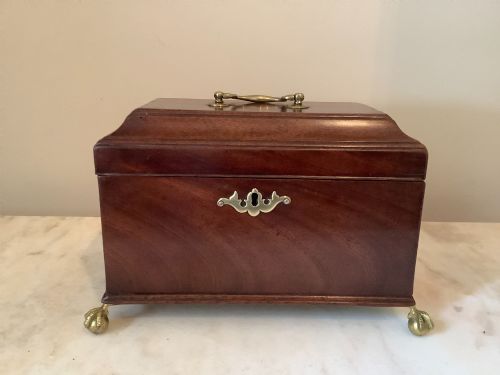
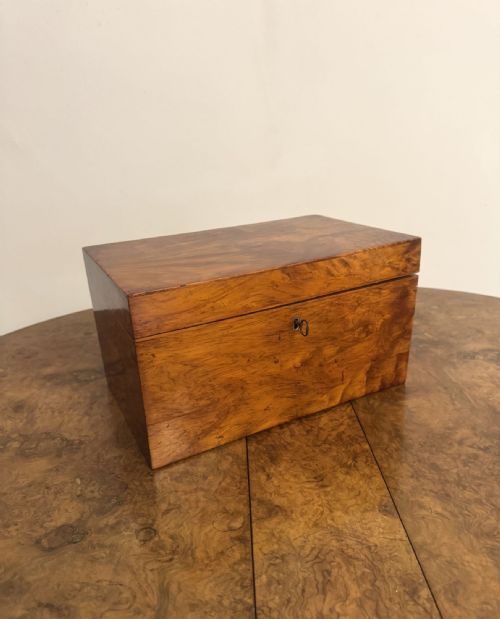

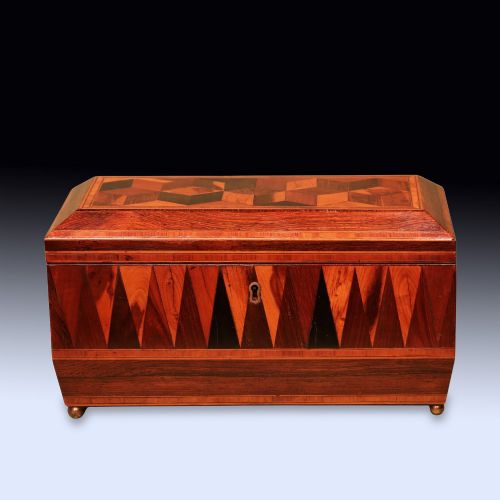


Lockable Tea Chest
A lockable tea chest is a secure wooden vessel designed to preserve valuable leaf blends, and collectors seek them for their intricate veneers and period craftsmanship.
Lockable Tea Chest
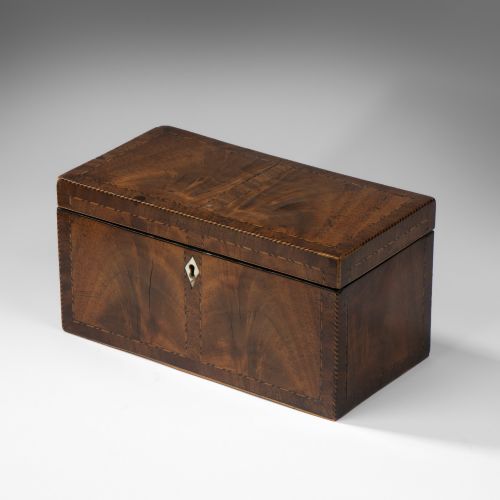
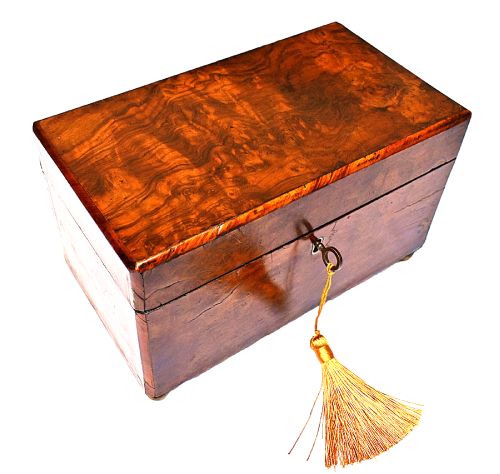
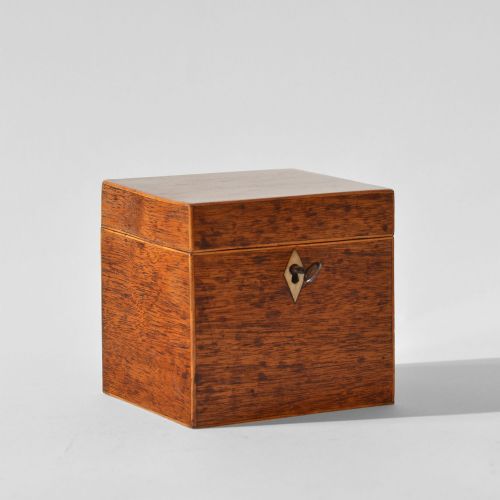
A lockable tea chest, also known as a tea caddy, is a small storage box designed to keep expensive tea leaves secure under lock and key. The versions you will meet on this page date principally from the eighteenth and nineteenth centuries, spanning the Georgian, Regency, and Victorian periods.
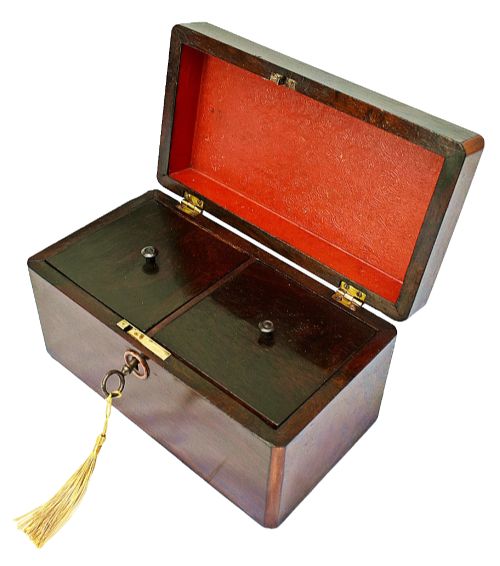
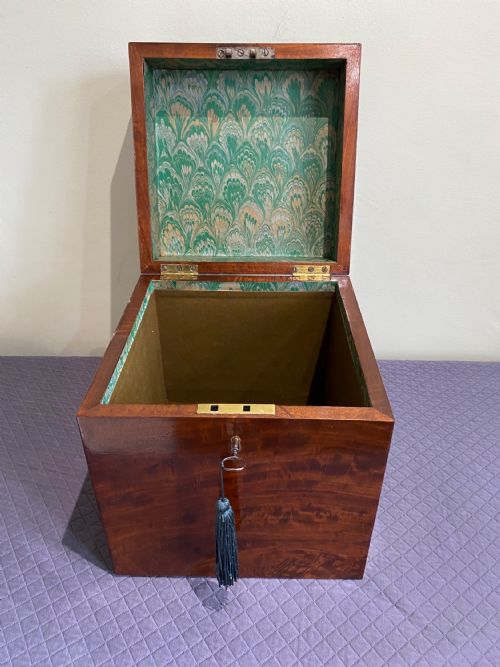
These pieces take various forms, from simple rectangular boxes to elaborate sarcophagus shapes, dome tops, and oval designs. Many retain interior compartments or canisters for separate leaf varieties and occasionally a mixing glass or sugar dish.
Makers constructed these chests from timber frames fitted with working locks to safeguard a costly household commodity. Today, they survive as decorative containers that showcase period woodworking skills and select cabinet timbers.
How they were made
Cabinetmakers built the structural carcases of these chests using solid timbers like mahogany, walnut, and rosewood, often applying decorative veneers such as satinwood, amboyna, burr maple, and partridge wood to the exterior surfaces. Many examples incorporate intricate inlay work, including boxwood stringing, parquetry, marquetry, and shell motifs.
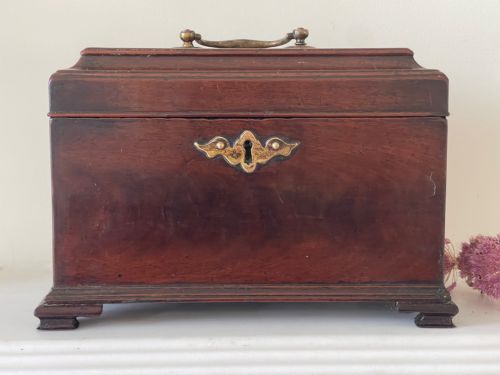
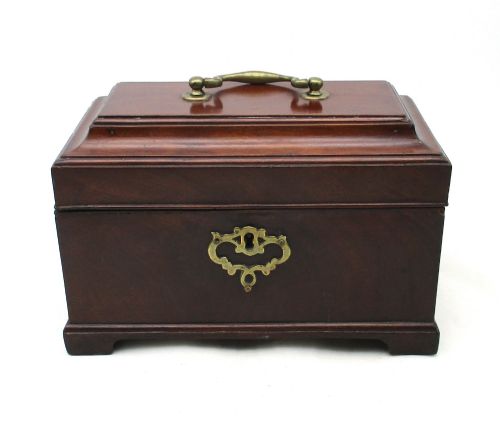
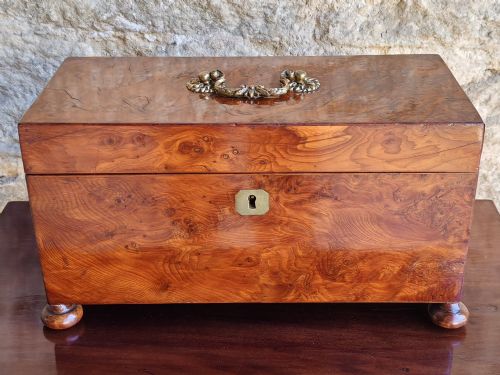
The hardware plays a defining role in their construction, utilising cast brass handles, escutcheons, and functional brass locks designed to secure the contents. Delicate stringing and banding in contrasting woods such as ebony frame the panels, while interior canisters are fashioned from matching timbers or metal.
Lockable Tea Chest Retail Price Guide 2026
Typical asking prices for lockable tea chest among the pieces listed under this phrase on Sellingantiques today, from the lower quarter to the upper quarter. They describe what is for sale here now, not the wider market.
Some chests hide secret drawers requiring a hidden release catch to open, proving that Victorians loved a tiny architectural puzzle.
What varies in quality
The distinction between standard examples and superior pieces rests on the choice of timber figure and the precision of the decorative embellishments. Highly figured burr veneers, complex parquetry, and detailed shell or star inlay mark out the finer boxes made during the Georgian and Regency eras.
Quality also shows in the integration of hardware and interior fittings, such as original working keys, matched inner canisters, and secure lion mask handles. Well-executed sarcophagus proportions and crisp mouldings reflect the skill of the original workshop.
The Lockable Tea Chest Glossary
- Sarcophagus
- A box shape featuring a sloping or domed lid reminiscent of an ancient stone coffin, popular for larger nineteenth-century chests. This form allowed for generous interior storage and prominent display on a sideboard.
- Escutcheon
- A flat plate of brass surrounding the keyhole that protects the surrounding wood from wear. On these chests, they often form part of the decorative scheme.
- Stringing
- A narrow strip of contrasting wood inlaid flush into the surface to create geometric borders and frames. Boxwood and ebony were frequently utilised for this delicate work.
- Marquetry
- The art of creating decorative pictures or patterns using various veneers cut from different coloured timbers. This technique appears on the exterior lids of select Regency and Victorian boxes.
- Canister
- An internal lidded compartment designed to keep dry leaves fresh before brewing. Better examples contain multiple matching canisters arranged around a central well.
Lockable Tea Chest: Frequently Asked Questions
How were tea chests used?
Households kept precious tea leaves locked away because tea was an expensive commodity in past centuries. The lady of the house typically held the key to portion out the leaves for each meal.
Inside the box, separate compartments held different varieties of black or green tea, while central bowls or glasses allowed blends to be mixed before serving.
How do I tell periods apart?
Georgian pieces often display clean rectangular or oval outlines with restrained mahogany veneers and delicate shell inlay. Regency examples lean towards sarcophagus shapes with bold rosewood grains, brass lion mask handles, and classical proportions.
Victorian chests frequently employ heavier walnut timbers, parquetry, and gothic or ornate decorative motifs.
Do keys usually come with them?
Many surviving chests retain their original working keys, though some are paired with replacement keys that operate the brass locks. A functional lock adds to the completeness of the piece.
Even without a working key, the decorative escutcheons remain a key visual feature on the front panel.
How do I care for wooden tea chests?
Keep the wood away from direct sunlight and steady temperature fluctuations to prevent the delicate veneers from lifting or splitting. Occasional dusting with a dry cloth helps maintain the polished surface.
Avoid using modern liquid polishes that can build up a residue on antique finishes and delicate marquetry.