



Decorative Table Timepiece
A decorative table timepiece sits on a mantel or desk, telling the time while bringing metal, glass, and enamel into the room.
Decorative Table Timepiece
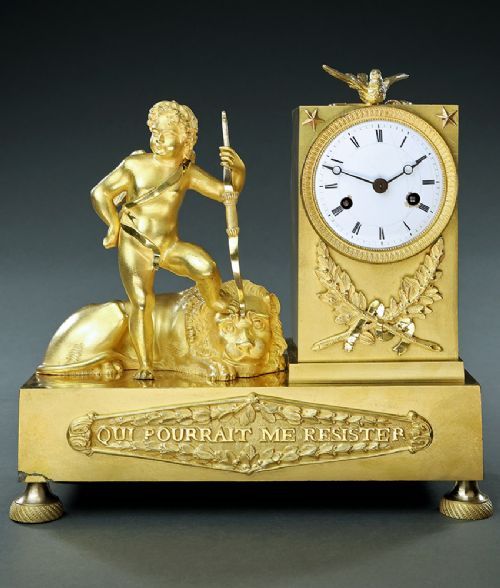
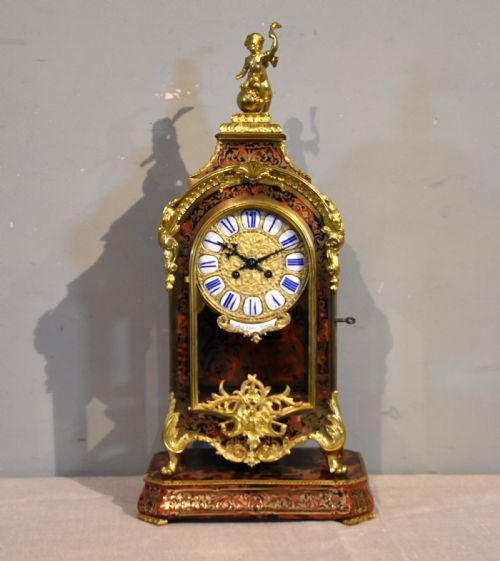
A decorative table timepiece encompasses a variety of small and large horological objects designed primarily for visual impact on furniture surfaces rather than utility alone. When you search for this phrase, you encounter mantel clocks, carriage clocks, desk clocks, and boudoir clocks spanning the nineteenth century and the early twentieth century.
The objects originate predominantly from French workshops alongside British makers, reflecting periods from the Victorian era back through French Empire and Rococo Revival styles. You are most likely to meet ornate gilt brass, ormolu, and glass-cased designs that showcase intricate mechanical movements alongside sculptural figures.
These pieces function as focal points in domestic interiors, combining functional timekeeping with sculptural bronze, carved oak, porcelain, and marble. The selection ranges from robust brass carriage clocks intended for travel to elaborate figural mantel clocks featuring putti, animals, and classical motifs.
Materials and construction methods
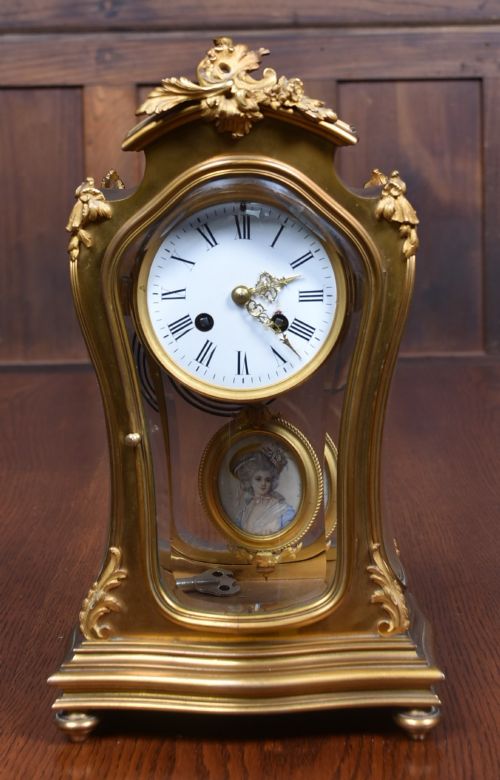
Metals form the structural core of these timepieces, with ormolu, gilt bronze, and solid brass cast and chased to create elaborate rococo, neoclassical, and empire cases. Makers combined these metallic frames with bevelled glass panels in crystal regulators and four-glass mantel clocks to expose the internal brass gear trains.
Surface ornamentation relies heavily on hand-painted porcelain panels, champlevé enamel dials, and miniature paintings executed on metal or ceramic grounds. Marble and carved oak provide substantial plinths and bodies, while specialised fusee movements power select British pieces to maintain consistent tension.
Materials span ormolu, gilt bronze, champlevé enamel, carved oak, porcelain, marble, and brass.
Factors that define superior quality
Quality rests in the crispness of the bronze casting and the depth of the mercury gilding or ormolu finish, where sharper chisel work separates high-end workshop production from simpler commercial output. The presence of hand-painted miniatures, signed enamel dials, and fully articulated figural bronzes indicates a higher tier of craftsmanship.
The complexity and completeness of the movement also dictate standard, particularly when repeating mechanisms, skeleton frameworks, or signed escapements by notable makers remain intact. Superior examples retain their original matching components, dials, and glass panes without modern replacement parts compromising the design.
Le Roy Paris·Tiffany·Henri Jacot·John Bennett Cheapside London
The Decorative Table Timepiece Glossary
- Ormolu
- Gilded bronze produced by applying a mercury and gold amalgam to cast brass or bronze, then firing the piece to drive off the mercury. This technique creates a durable, golden surface seen on French revival mantel clocks.
- Carriage clock
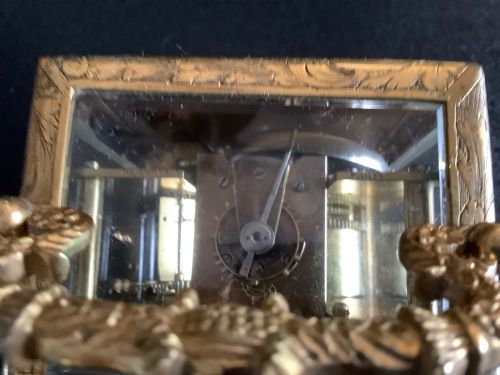
- A small, portable spring-driven timepiece developed for travellers, typically featuring a rectangular brass case with glass panels and a swing handle on top. These often include repeating mechanisms.
- Fusee
- A conical pulley connected to the mainspring by a chain or cord, designed to equalize the torque as the spring unwinds. This mechanism improves timekeeping accuracy in British and French timepieces.
- Champlevé
- An enamelling technique where troughs or cells are hollowed out of a metal surface and filled with coloured glass paste before firing. It decorates the bezels and dials of fine nineteenth-century carriage clocks.
- Crystal regulator
- A mantel clock housed within a brass frame and glazed on all four sides with bevelled glass plates. This design allows light to pass through and exposes the oscillating pendulum and movement.
Decorative Table Timepiece: Frequently Asked Questions
What is the difference between a clock and a timepiece?
In horological terms, a timepiece is a device that indicates the time of day without including any striking mechanism for hours or quarters. It consists solely of the go-train responsible for driving the escapement and hands.
A clock, by contrast, incorporates a strike or chime train that sounds the hours using bells, gongs, or strikes. When browsing antique listings, a timepiece specifically lacks the extra hammers and racks associated with auditory striking.
How do I clean gilt bronze and ormolu?
Dust gilt bronze and ormolu surfaces gently using a soft, dry artist's brush or a microfiber cloth to remove surface particles without scratching the delicate metallic finish. Avoid using commercial metal polishes, abrasive cloths, or liquid cleaners, as these chemical agents strip away the original mercury gilding.
If grime persists, dab the surface very lightly with a cloth dampened in distilled water and mild soap, drying it immediately. Preservation of the aged patina remains paramount for maintaining the historical character of nineteenth-century metalwork.
Where should I place a glass cased clock?
Position your crystal regulator or four-glass mantel clock on a stable, level surface away from direct sunlight and fluctuating heat sources like radiators. Because these pieces utilise delicate mechanical movements and exposed glass panels, heavy foot traffic near the supporting furniture can cause vibrations that disrupt the pendulum.
A secure mantelpiece or dedicated display cabinet ensures the pendulum hangs plumb and the delicate bevelled glass remains safe from accidental knocks.