


Mechanical Horological Clock
A mechanical horological clock measures passing time through intricate brass gears and striking escapements, bringing historic engineering and fine craftsmanship directly to your mantel.
Mechanical Horological Clock
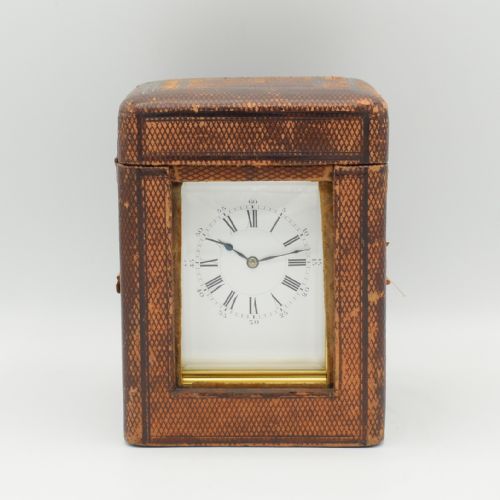
A mechanical horological clock represents a sophisticated tradition of timekeeping, spanning carriage clocks, lantern clocks, and skeleton clocks across the Victorian, Edwardian, and Regency eras. Buyers exploring this category encounter brass and glass carriage clocks alongside elaborate skeleton and bracket timepieces.
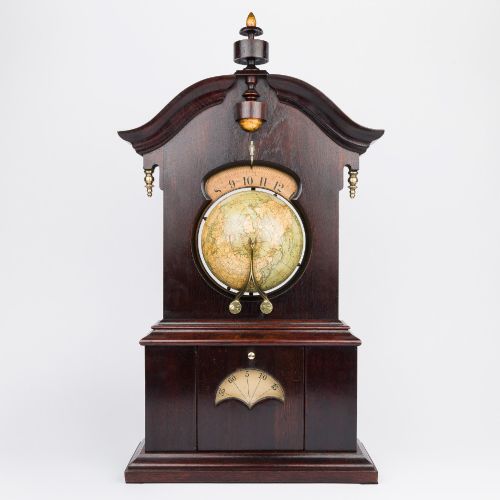
The pieces listed here showcase diverse forms originating from French, English, and Swiss workshops. Examples range from robust travel timepieces with alarm complications to monumental architectural skeleton clocks driven by weight or spring movements.
Mantel clocks and traditional bracket clocks dominate the domestic forms, whilst specialised industrial pieces like beam engine clocks display working mechanical animations. Each object records centuries of horological development through visible gear trains and enamel dials.
Materials and construction methods
Horological makers constructed these clocks using heavy brass frameworks, gilt bronze cases, and polished steel for escapement components and gear trains. Enamel dials provide clear legibility, often paired with bevelled glass panels that reveal the moving internal mechanics.
Certain models imitate industrial machinery entirely, driving rotating beams and pistons to tell the time.
Markers of distinction in horology
Quality in a mechanical horological clock rests upon the precision of the escapement and the crispness of the gear cutting. Superior examples feature signed movements, complex striking trains, and heavy cast bronze or brass housings that maintain alignment under tension.
The presence of specialised escapements, repeater mechanisms, and original bevelled glass panels elevates a piece significantly. Finer makers invested considerable labour in polishing every steel arbor and hand-engraving dial masks to complement the functional mechanics.
Henri Jacot·Brunelot·L Epee·William Evans of Handsworth·Drocourt and Holingue·Mathias Bauerle·Perigal and Duterrau·Andre Guilmet
The Mechanical Horological Clock Glossary
- Escapement
- The mechanism that controls the unwinding of the clock spring by delivering regular impulses to the pendulum or balance wheel. This component is crucial for maintaining accurate timekeeping.
- Carriage clock
- A portable spring-driven timepiece designed for travel, typically fitted with a carrying handle and glass panels. These clocks often feature repeating mechanisms to sound the time on demand.
- Skeleton clock
- A timepiece with an open framework designed to display the entire gear train and movement to the viewer. This style emphasises the visual artistry of the mechanical components.
- Bracket clock
- A portable table clock originally built with a handle or intended to sit upon a dedicated wall bracket. They frequently incorporate quarter-striking bells or musical complications.
- Lantern clock
- An early form of brass chamber clock featuring weight-driven movements and distinct side doors. Originating in the seventeenth century, these wall-hung pieces represent traditional English domestic horology.
Mechanical Horological Clock: Frequently Asked Questions
What is a carriage clock?
A carriage clock is a portable, spring-driven timepiece developed for travel in the nineteenth century. They typically feature brass cases with glass panels and a folding handle on top.
Many incorporate alarm functions or repeating strikes that chime the hours and quarters when a button on the case is pressed.
How do skeleton clocks work?
Skeleton clocks expose their gear trains and escapements by omitting the traditional dial plate and outer case. This allows light to pass through the movement and reveals every interaction between the wheels and pinions.
Driven by springs or hanging weights, they require careful placement on a stable surface to keep the exposed pendulum or balance wheel beating evenly.
Where were these clocks made?
The pieces originate primarily from French, English, and Swiss workshops operating during the nineteenth and twentieth centuries. Makers across Paris, London, and specialised manufacturing regions produced everything from simple timepieces to complex astronomical clocks.
Regional styles often dictate the form, such as heavy gilt brass carriage clocks from France or architectural skeleton clocks from English makers.
How do I wind a mechanical clock?
Mechanical clocks require a specific winding key matched to the square arbor of the mainspring barrel or fusee. Care must be taken not to overwind the mechanism, stopping as soon as firm resistance is felt.
Different complications, such as striking trains and alarms, maintain independent power reserves and require separate winding intervals to function correctly.