


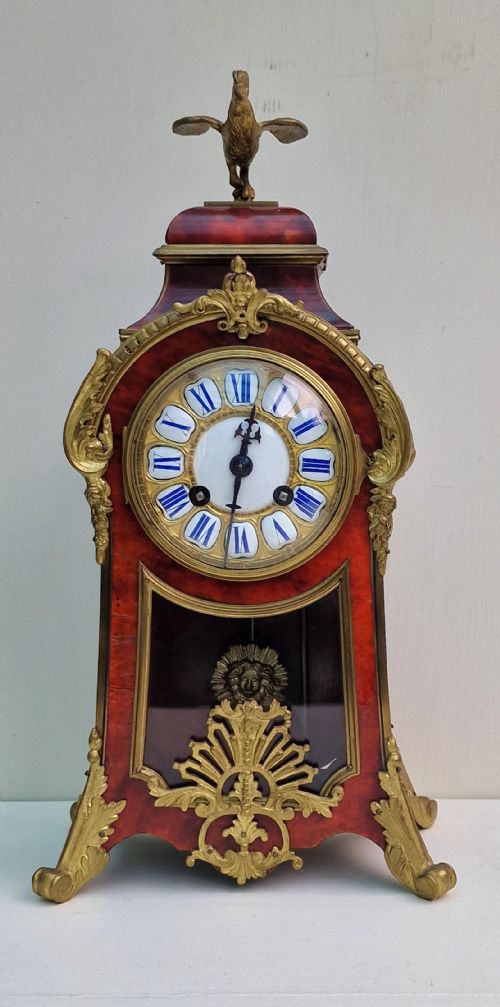


Nineteenth Century Desk Clock
A nineteenth century desk clock brings mechanical precision and classical elegance to a room, offering both reliable timekeeping and sculptural presence.
Nineteenth Century Desk Clock
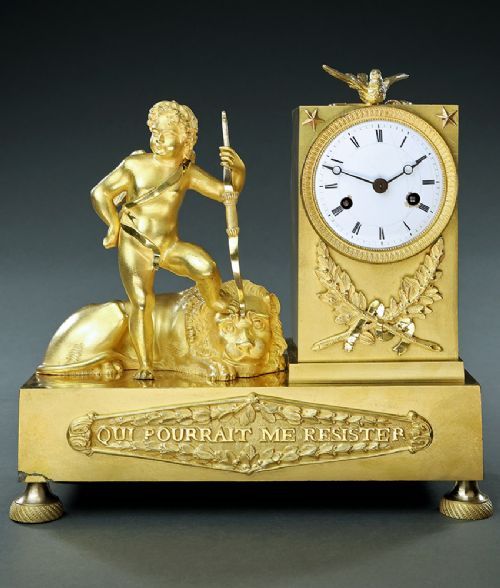
A nineteenth century desk clock is a portable timekeeper designed for a table, desk or mantelpiece, combining intricate gearwork with decorative housing. These pieces range from substantial bracket clocks to delicate carriage timepieces and ornate French ormolu designs.
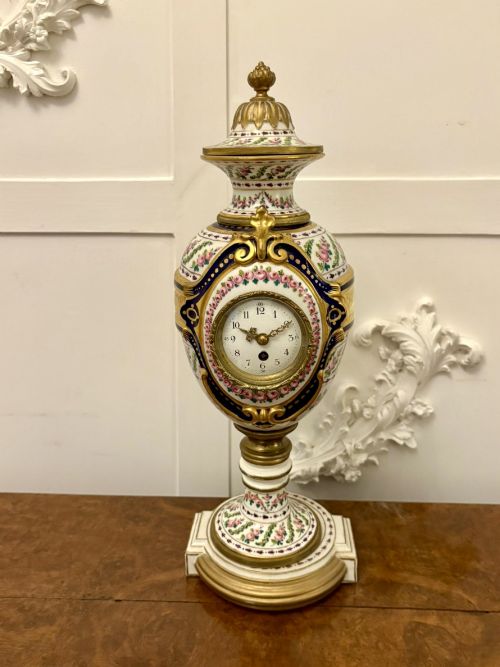
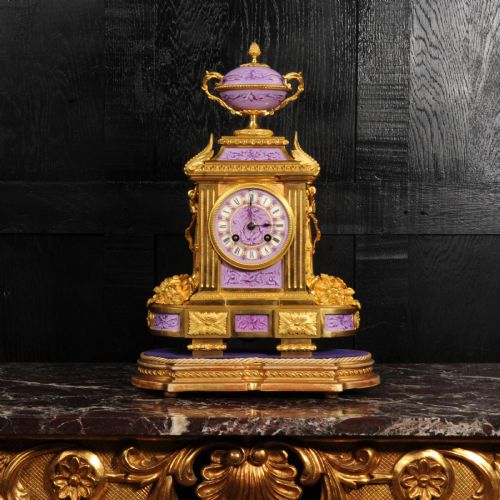
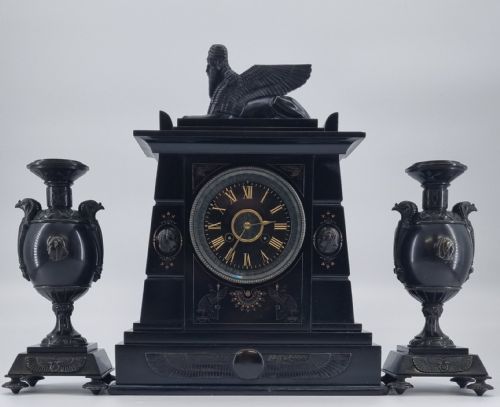
Buyers browsing this selection will encounter a high proportion of French and English examples from the Victorian, Regency and late nineteenth century periods. These vary widely in form, from architectural marble garnitures and porcelain urns to industrial series pieces and miniature library clocks.
Materials and construction
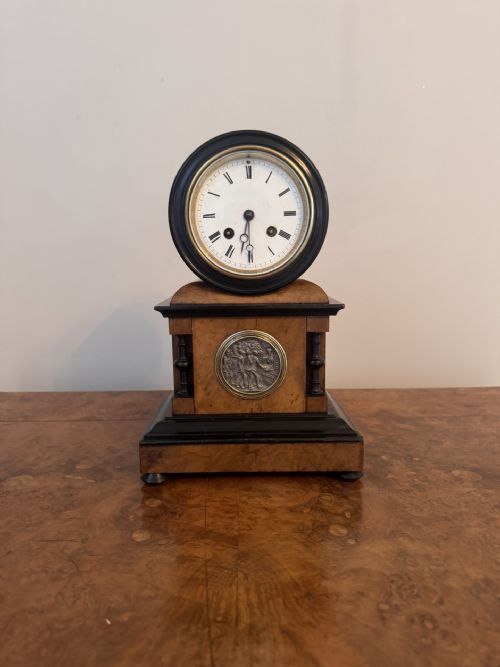
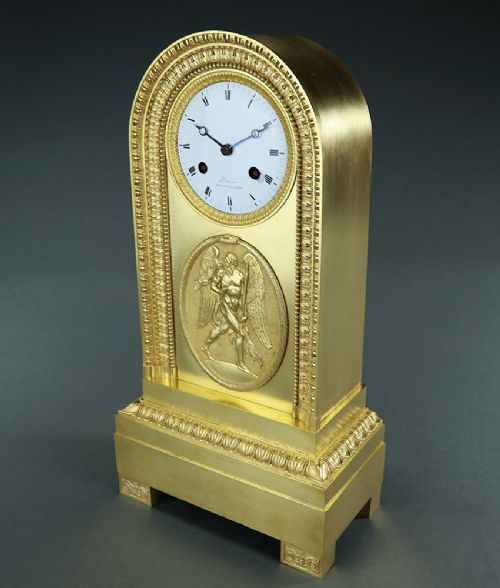
Clockmakers utilised a combination of cast metals, such as ormolu, gilt bronze and brass, paired with natural materials like marble, mahogany, rosewood and tortoiseshell. Many incorporate decorative panels of hand-painted porcelain, enamel dials and bevelled glass panels to showcase the internal movement.
Movements were engineered by specialist horologists, often featuring fusee mechanisms, repeating strikes or alarms, housed within intricately carved wood or cast metal cases styled in French Empire, Gothic or classical revivals.
Nineteenth Century Desk Clock Retail Price Guide 2026
Typical asking prices for nineteenth century desk clock among the pieces listed under this phrase on Sellingantiques today, from the lower quarter to the upper quarter. They describe what is for sale here now, not the wider market.
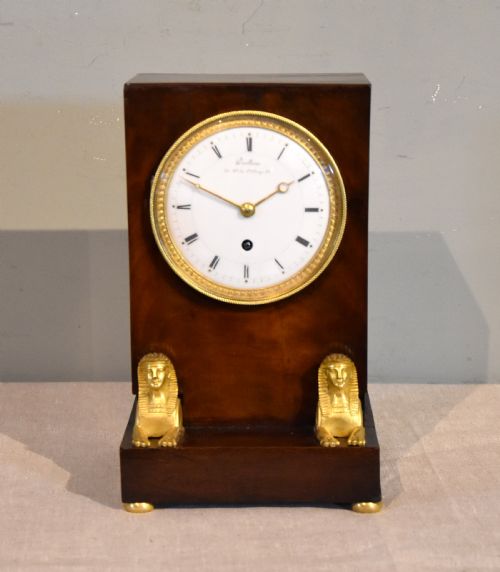
Period styles include French Empire, Regency, Gothic revival and Egyptian revival alongside standard Victorian designs.
Evaluating quality
Quality rests in the crispness of the cast metal ornamentation, the depth of the timber grain or marble polish, and the sophistication of the clockwork movement. Maker attribution, hand-painted ceramic details and original components elevate an example above standard production.
The integration of the clock case with artistic bronzes, garnitures or specialised complications like thermometers and astronomical dials separates superior pieces from simpler timepieces.
Achille Brocot·Antoine Redier·Howell and James·William Payne·Lenzkirch·Henry Marc·Drocourt·McCabe
The Nineteenth Century Desk Clock Glossary
- Garniture
- A set consisting of a central clock flanked by matching decorative objects such as urns or candelabra. These matched sets were designed to sit symmetrically on a mantelpiece or sideboard.
- Fusee
- A conical pulley used in mechanical clocks to maintain even tension on the chain as the mainspring unwinds. This mechanism improves timekeeping accuracy across the power reserve.
- Ormolu
- Gilded bronze produced by applying a mercury and gold amalgam to cast bronze. The technique creates a rich, enduring gold-coloured finish characteristic of luxury nineteenth-century decorative arts.
- Carriage clock
- A small, spring-driven portable clock fitted with a carrying handle and glass panels. Originally developed for travellers, they frequently feature striking or repeating complications.
- Petite sonnerie
- A striking clock movement that automatically chimes the hours and quarters as they pass. It represents a higher level of horological craftsmanship than standard hour-striking mechanisms.
Nineteenth Century Desk Clock: Frequently Asked Questions
How do you wind a fusee movement?
Winding a fusee movement requires a specialised key inserted into the dial or backplate to tension the mainspring via the conical pulley. Care must be taken not to overwind the mechanism.
These movements regulate the power delivered to the gear train, ensuring steady timekeeping as the spring loses tension. Regular professional servicing keeps the chain and fusee working smoothly.
Where were carriage clocks placed?
Carriage clocks were originally built for travel by coach or rail, allowing wealthy owners to carry accurate time. They typically feature a sturdy folding handle on top and heavy bevelled glass panels.
Later in the century, they transitioned into stationary desk and mantel timepieces for domestic interiors. Their compact size and reliable spring movements made them popular for bedrooms and studies.
How do I identify French Empire style?
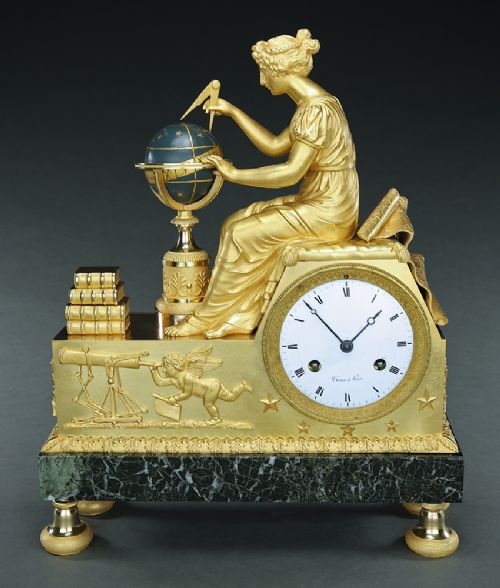
French Empire style draws heavily on classical antiquity, featuring motifs like sphinxes, laurels, military trophies and mythological figures. Ormolu mounts and patinated bronze often contrast sharply against dark mahogany bases.
Clocks in this style emphasise architectural symmetry and grandeur, reflecting the tastes of the Napoleonic era. They frequently stand on robust plinths and incorporate allegorical subjects.