



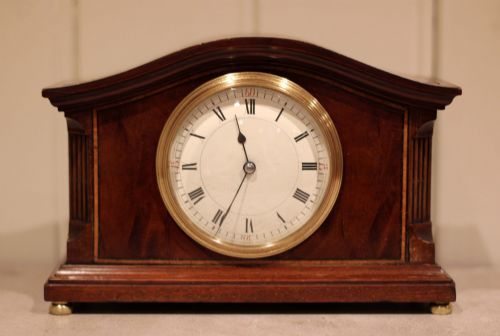
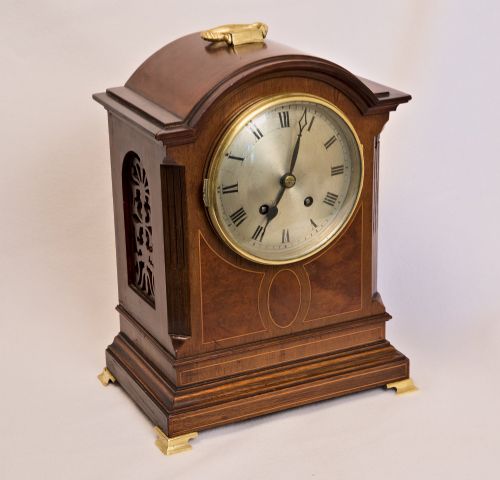


Brown Wooden Timepiece
A brown wooden timepiece brings mechanical precision and rich cabinetwork into a room, spanning periods from the Georgian era to the mid-twentieth century.
Brown Wooden Timepiece
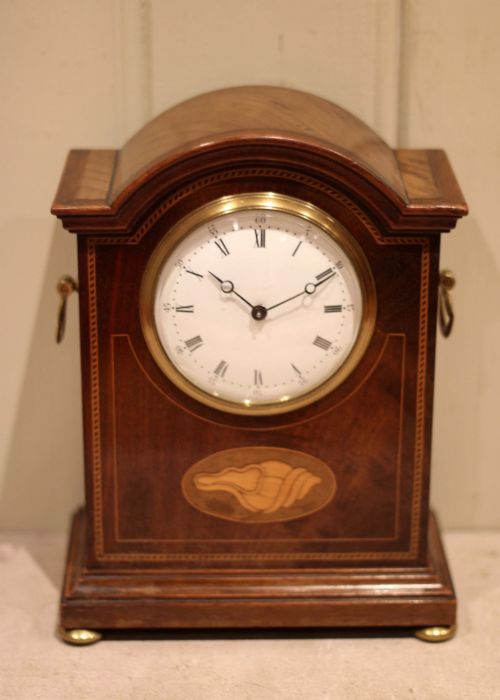
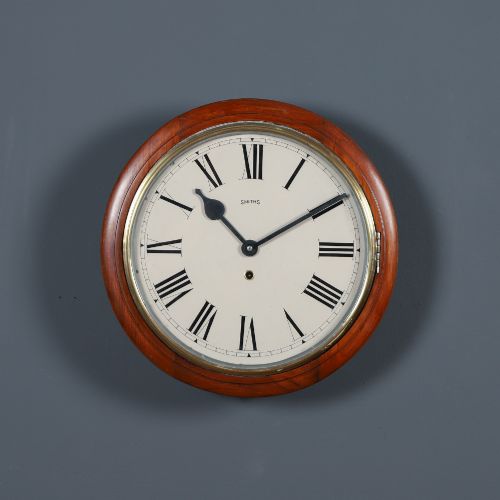
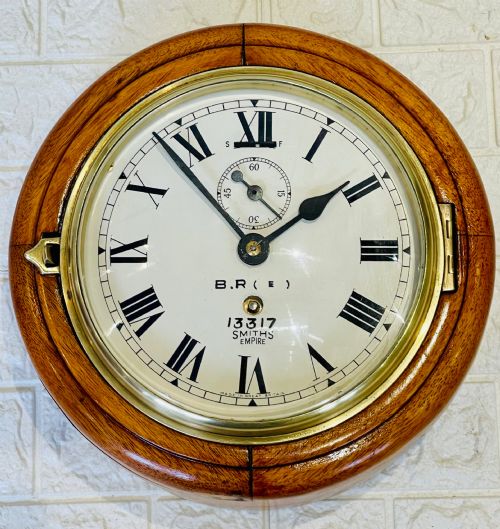
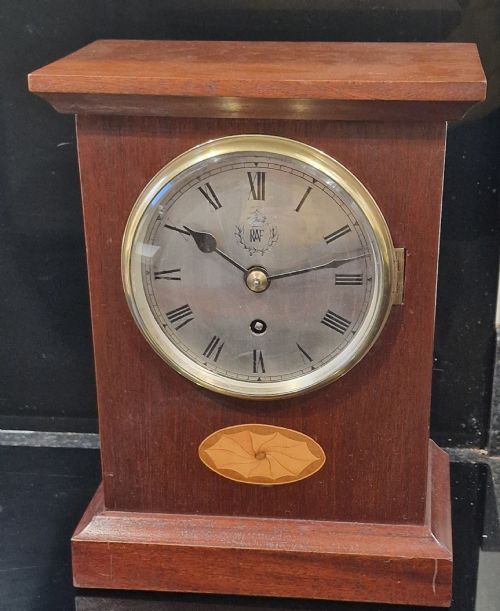
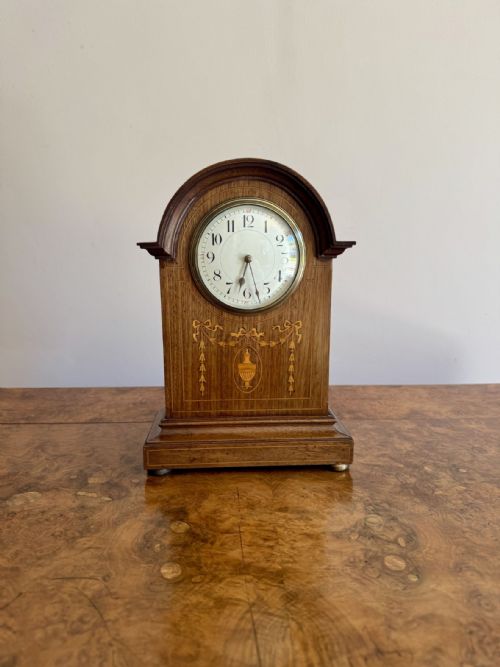
A brown wooden timepiece encompasses a variety of domestic and institutional horological items, ranging from compact mantel clocks to large railway station wall dials. When searching for a brown wooden timepiece, a buyer most frequently encounters Edwardian mahogany mantel models and walnut wall dials from the Art Deco period.
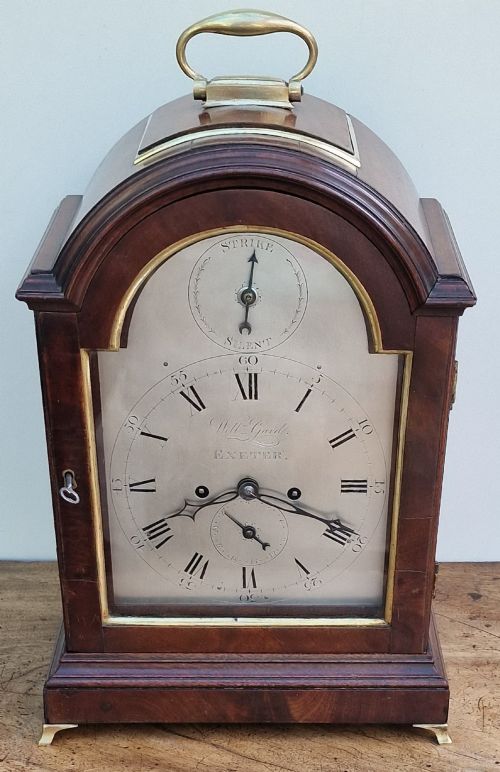
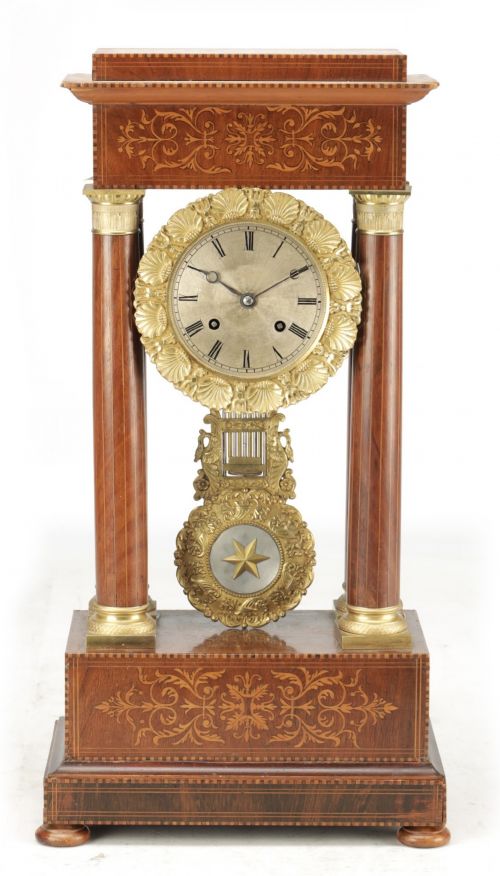
The selection includes bracket clocks, library clocks, and round dial wall clocks originating from English, French, and Black Forest makers. Formats shift from restrained Georgian bracket designs to geometric Art Deco wall cases and carved Victorian novelties.
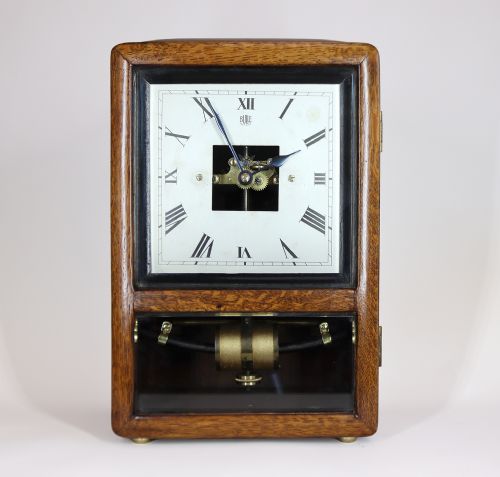
Dating extends from the nineteenth century through to the 1940s, capturing shifts in domestic interior design and public timekeeping infrastructure. Mahogany and oak dominate the corpus, frequently paired with brass bezels and white enamel dials.
How they were made
Cabinetmakers utilised timber stocks such as mahogany, oak, walnut, and satinwood, often applying decorative veneers and inlaid banding to the exterior casing. Movements rely on brass gear trains, sometimes driven by fusee mechanisms or spring-wound 8-day escapements.
Protective glazing shields the enamel dials and brass hands, while carved elements define the Black Forest and Victorian specimens. Dial faces feature Roman or Arabic numerals behind hinged glass bezels set within the wooden chassis.
Listings feature mahogany, oak, walnut, and satinwood cases housing movements from the nineteenth century through to the 1940s.
What varies in quality
The sophistication of the timber selection and the precision of the cabinet joinery set individual examples apart, alongside the reputation of the recording movement maker. Finely figured mahogany, intricate herringbone inlay, and substantial brass fittings elevate an item above provincial utility pieces.
Originality of the dial, movement, and case components dictates the standing of a clock, as does the crispness of carved details or the harmony of proportions. Signed backplates and movements by established London or regional makers add considerable authority to the piece.
William Gard Exeter·Bush of London·Webster Cornhill London·Hyde of Salisbury·Bravingtons Ltd of London·Jas Whitelaw of Edinburgh·ELLIOTT of LONDON·Agar Of Malton·Payne of Tunbridge Wells·McCabe London
The Brown Wooden Timepiece Glossary
- Fusee
- A conical pulley used in spring-driven clocks to ensure uniform power delivery as the mainspring unwinds. This mechanical device helps maintain consistent timekeeping accuracy throughout the running cycle.
- Bracket clock
- A portable table or mantel clock originating from an era when such items rested upon architectural wall brackets. These housing units often feature brass carrying handles and elaborate wooden pediments.
- Dial
- The visible face of the timepiece displaying numerals and minutes. Enamel or painted metal surfaces dominate, protected behind a glazed brass bezel.
- Inlay
- A decorative technique where contrasting timbers or materials such as satinwood are embedded into the primary wood surface. This method creates geometric borders, floral motifs, or herringbone patterns.
- Ting Tang
- A striking mechanism that sounds two different notes on two bells to signal the quarters. The arrangement provides an audible chime without a full hour-strike train.
Brown Wooden Timepiece: Frequently Asked Questions
Where should I place a mantel clock?
A mantel clock sits comfortably on a fireplace mantel, bookshelf, or side table where its visual proportions can be appreciated. Ensure the surface is level to keep the pendulum or balance wheel beating evenly.
Keep the timber away from direct heat sources and strong sunlight to prevent the polish or veneer from drying out over time.
How do fusee clocks work?
A fusee movement uses a spiral-grooved cone to equalize the diminishing power of the mainspring as it unwinds. This clever piece of engineering ensures steady torque reaches the escapement from a full wind down to the last turn.
winding requires a dedicated key, and care must be taken not to over-tension the mechanism.
How do I date a wooden clock?
Dating relies upon a combination of cabinet style, timber choice, dial construction, and signature markings on the movement backplate. Georgian and Regency pieces favour architectural mahogany cases, while Edwardian examples often feature lighter inlaid banding.
Art Deco items display geometric walnut or elm veneers with characteristic angular numerals.
What is a wall dial clock?
A wall dial clock is designed to be mounted directly onto a wall, frequently featuring a round face behind a hinged glass bezel. Many examples originate from railway stations, offices, and schools where clear legibility was essential.
They are accessed via side doors or bottom drop boxes to allow regular winding and regulation.