




Antique Horological Timepiece
An antique horological timepiece is a precision instrument designed to measure hours, prized for intricate brass gearing and classic Victorian or Edwardian craftsmanship.
Antique Horological Timepiece
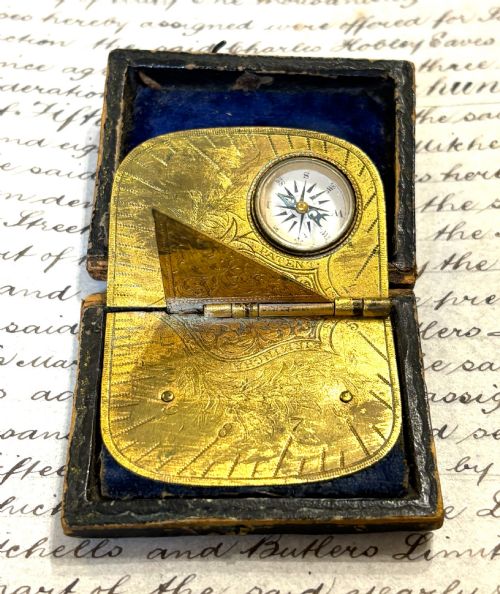
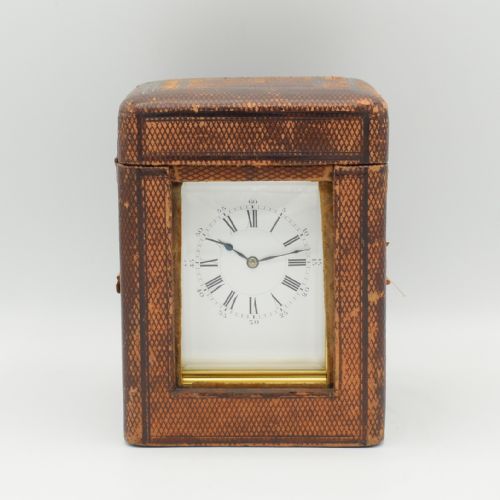
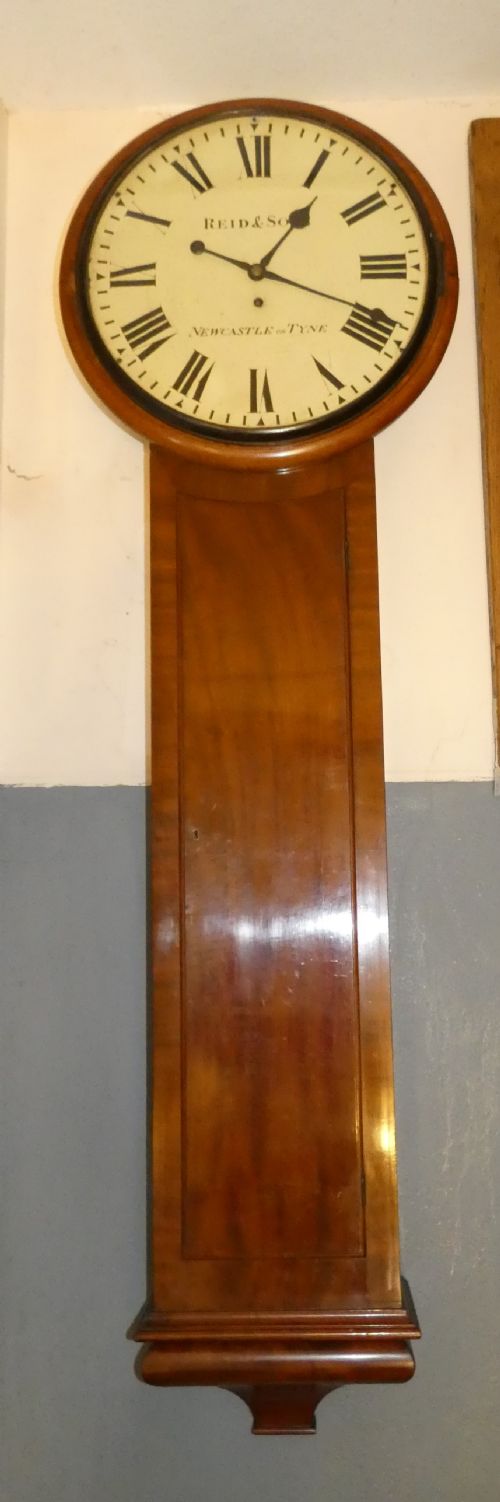
An antique horological timepiece encompasses everything from a portable carriage clock to a heavy wall clock, spanning the nineteenth and early twentieth centuries. When exploring an antique horological timepiece selection, carriage clocks in brass and glass appear frequently alongside desk models and pocket watches.
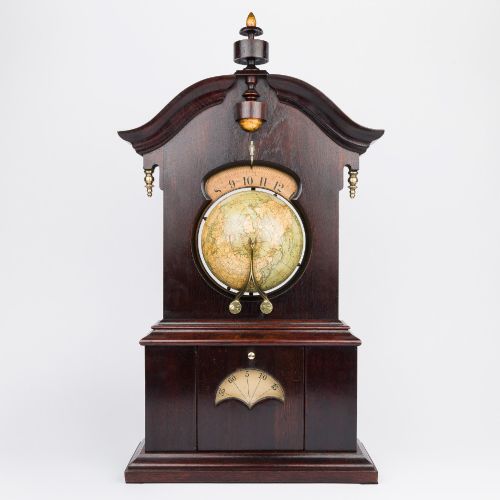
Makers often housed movements in glass cases, ebonised wood, or mahogany, drawing on styles ranging from Victorian novelty pieces to French nineteenth century designs. These instruments served practical tracking needs in homes, offices, and transit networks.
How they were made
Craftsmen built these mechanisms using brass, steel, and gilt bronze, often housing delicate escapements behind bevelled glass panels. Enamel dials provided clear numbering, while wooden cases utilised mahogany and ebonised wood for structural elegance.
Antique Horological Timepiece Retail Price Guide 2026
Typical asking prices for horological timepiece among the pieces listed under this phrase on Sellingantiques today, from the lower quarter to the upper quarter. They describe what is for sale here now, not the wider market.
The listings span the Victorian, Edwardian, and Art Deco eras, utilising materials like brass, glass, mahogany, and champleve enamel.
What varies in quality
The sophistication of the mechanical movement largely defines the standard of an instrument, particularly when comparing standard timepieces to complex repeaters or skeleton clocks. Finer examples display meticulous hand-finishing on internal brass bridges and plates.
Case materials also indicate tier, with heavy gilt bronze, champleve enamel, and solid mahogany sitting above simpler constructions. Original travel cases and signed dials by known makers elevate the standing of a piece.
Henri Jacot·Maurice & Marcel Moulin Favre-Bulle·Antoine Redier·Guilmet·Drocourt & Holingue·John Walker·Barwise London
The Antique Horological Timepiece Glossary
- Carriage clock
- A portable spring-driven timepiece with a handle, originally designed for travelling by horse-drawn carriage. These brass and glass clocks frequently feature escapements visible through the top or front panels.
- Fusee
- A conical pulley used in mechanical clocks and watches to maintain even force on the gear train as the mainspring unwinds. This mechanism improves timekeeping accuracy across the power reserve.
- Skeleton clock
- A timepiece designed with an open framework that exposes the entire gear train and movement to view. Such pieces are usually mounted on a marble or wooden base beneath a glass dome.
- Grand Sonnerie
- A complex striking mechanism that chimes the hours and quarters automatically on every quarter hour. It represents an advanced level of horological complication.
- Champleve enamel
- A technique where troughs are dug into a metal surface and filled with vitreous enamel before firing. This decorative method frequently appears on nineteenth century gilt bronze clock cases.
Antique Horological Timepiece: Frequently Asked Questions
What is an antique horological timepiece?
An antique horological timepiece is a mechanical device for measuring time, ranging from portable carriage clocks to wall-mounted regulators and pocket watches.
These instruments combine engineering and decorative arts, often featuring exposed brass gearing, enamel dials, and timber or gilt bronze cases dating from the nineteenth and early twentieth centuries.
How do I wind a carriage clock?
Most carriage clocks require a specialised key inserted into the winding squares located on the backplate of the movement. Turning the key clockwise tensions the mainspring.
Care must be taken not to overwind the mechanism, stopping as soon as resistance is felt to protect the internal springs.
What is a fusee movement?
A fusee movement is a mechanical system featuring a conical pulley connected to the mainspring via a fine chain or cord. This design compensates for the decreasing power of a relaxing spring.
By evening out the force delivered to the escapement, the timepiece maintains consistent accuracy throughout its running cycle.
How do I identify a Victorian carriage clock?
Victorian carriage clocks typically feature heavy brass cases with bevelled glass panels, often accompanied by platform escapements visible from above. They may include alarm functions or striking trains.
Many examples from this period retain their original leather travel cases and bear the signatures of French or British makers on the backplate.
Where should I place a skeleton clock?
Skeleton clocks require a stable surface away from direct sunlight, excessive moisture, and heavy vibrations that might disrupt the delicate pendulum or balance wheel.
Because these pieces feature exposed movements, keeping them beneath a glass dome helps protect the intricate brass work from dust and accidental contact.