


Decorative Silver Table Bowl
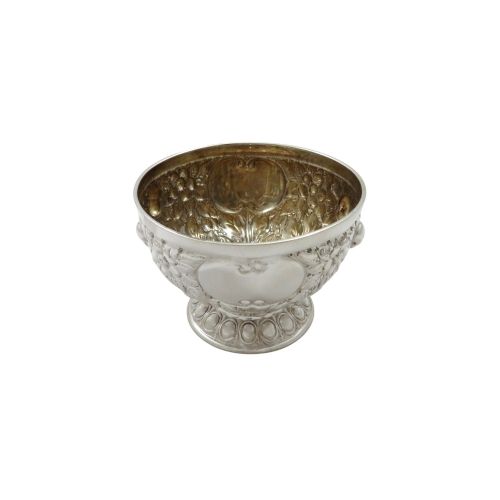
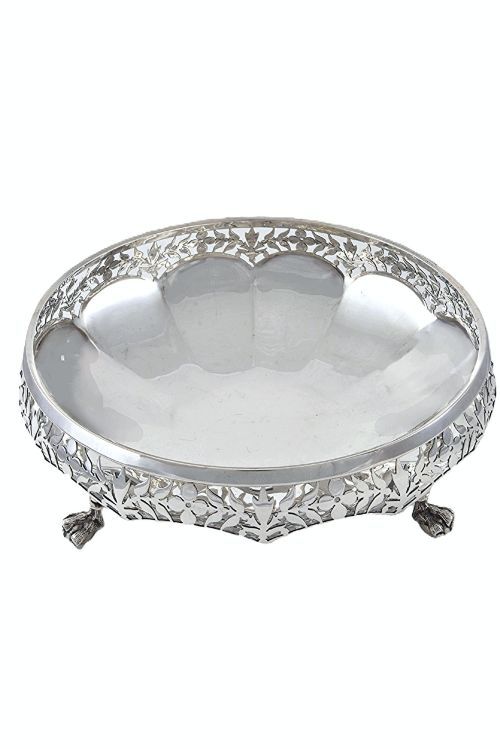
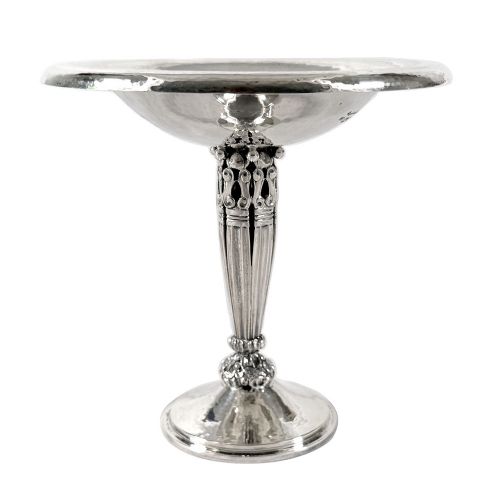
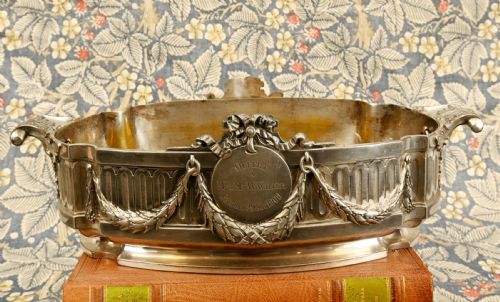
A decorative silver table bowl brings substance to a room, ranging from grand Victorian centrepieces to compact Art Deco tazzas.

Decorative Silver Table Bowl
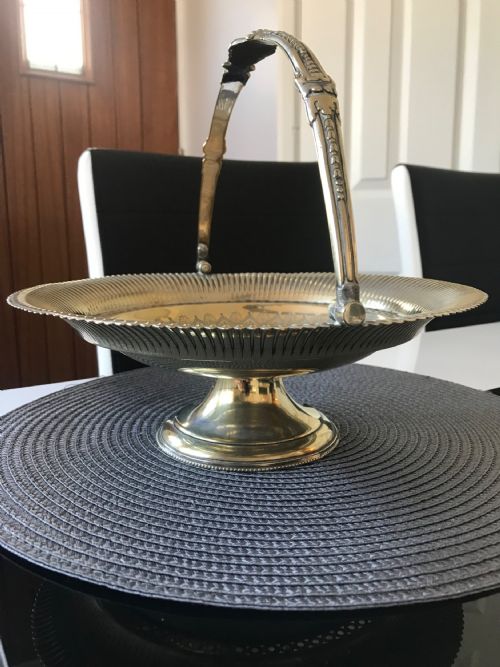
A decorative silver table bowl encompasses a variety of forms designed to sit centrally on furniture, including centrepieces, comports, tazzas, and decorative baskets. When exploring the market for a decorative silver table bowl, buyers frequently encounter pieces spanning the Victorian, Edwardian, and George V periods, alongside items from the 1900s to the 1930s.
The selection ranges from substantial sterling silver vessels and solid silver examples to silver plate and electroplated nickel silver. Alongside purely metal forms, pieces combining sterling silver or silver plate with cut glass, ceramic, and rock crystal frequently appear.
Origin and regional style add considerable variety to the category, with Anglo-Indian, Chinese, French, and Scandinavian pieces sitting alongside traditional English manufacturing. Functional forms stretch from standard decorative bowls and dishes to specialised items like caviar ice servers, jardiniere planters, and potpourri baskets.
Materials and construction
Makers utilised sterling silver, solid silver, and silver plate over base metals like nickel silver to achieve different weights and finishes. Heavier items required robust construction, while complex items employed plating techniques over a supportive substrate.
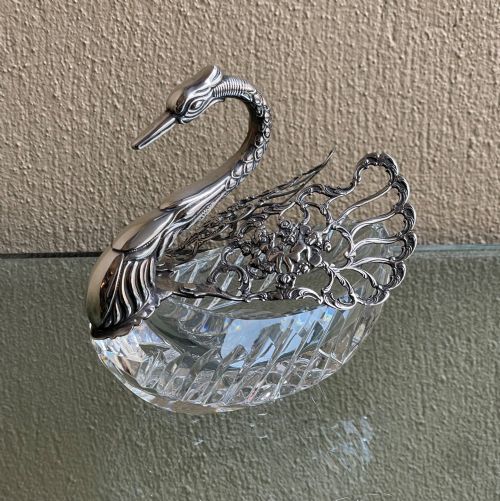
Glass components, including cut glass and rock crystal, were frequently paired with silver mounts, swing handles, and rims. Ceramic elements, such as Doulton Burslem and Royal Doulton bodies, were combined with metal mounts to create contrasting textures.
Vikings sail again in miniature form through silver longship dishes designed to hold small treasures upon the table.
Distinctions in quality
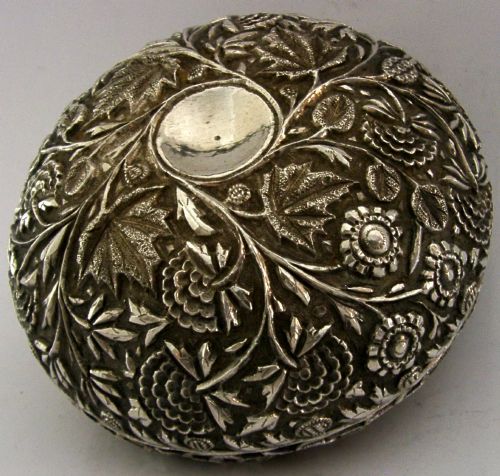
Quality rests upon the crispness of chased and repoussé decoration, the integration of mixed media such as glass and ceramic with metal mounts, and the balance of the form. Pieces featuring identifiable makers show superior execution in finishing and detail.
The weight of the metal and the precision of structural elements like swing handles and pedestal feet distinguish finer works from standard commercial production.
Charles Boyton·Elkington & Co·William Comyns·Tiffany & Co·Doulton Burslem
The Decorative Silver Table Bowl Glossary
- Tazza
- A shallow bowl or dish mounted on a stem and foot, often used for display or serving fruit.
- Centrepiece
- A large decorative object placed in the middle of a table, serving as the focal point of a room or dining setting.
- Comport
- An ornamental stand or bowl raised on a foot, historically used for serving fruit or sweetmeats.
- Repoussé
- A metalworking technique where the metal is hammered into relief from the reverse side.
- Epergne
- An ornamental centrepiece featuring multiple branching dishes or baskets suspended from a central frame.
Decorative Silver Table Bowl: Frequently Asked Questions
How do I use a decorative silver table bowl today?
These vessels suit placement on dining tables, sideboards, or coffee tables as standalone decorative objects or containers for fruit and potpourri.
Their varied scale allows them to adapt easily to different surface areas within a room without requiring specialised furniture.
What is the difference between sterling silver and silver plate?
Sterling silver contains a standardised high purity of silver throughout the entire object, making it a solid precious metal.
Silver plate consists of a thin layer of silver bonded to a base metal substrate, such as nickel silver, offering a similar appearance at a different weight.
How do I identify the period of a bowl?
Periods can often be identified through stylistic indicators like Neo-Classical symmetry, Victorian ornamentation, Art Nouveau fluidity, or Art Deco geometric lines.
Maker marks, hallmarks, and associated manufacturing techniques provide further chronological context.
Can I mix silver bowls with glass and ceramic pieces?
Historical makers frequently combined silver mounts with cut glass, rock crystal, and ceramics, meaning mixed materials are entirely traditional.
Displaying various materials together creates textural contrast and reflects historical manufacturing practices.