





Decorative Pottery Wall Plate
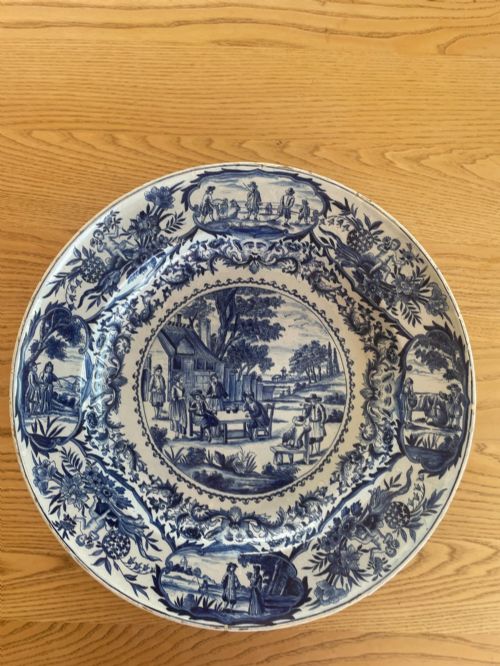
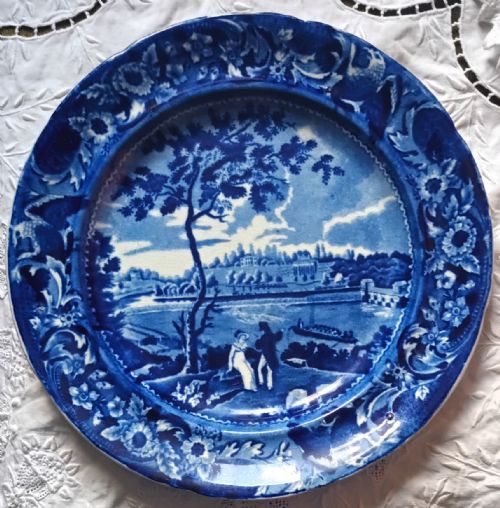
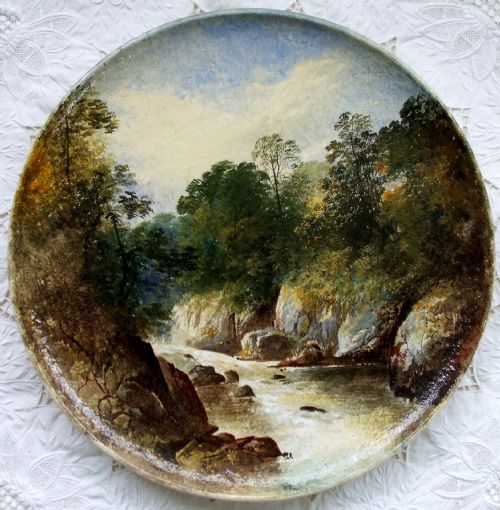
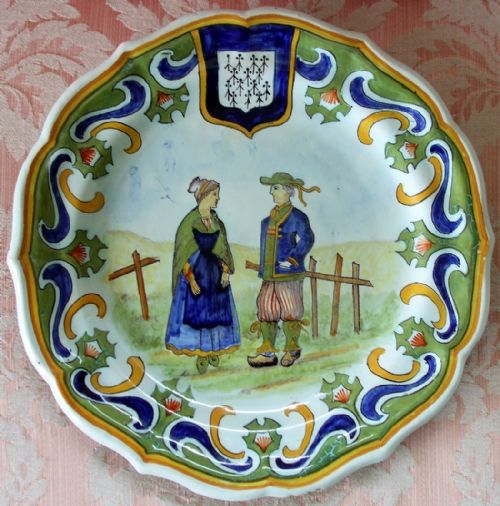
These decorative pottery wall plate examples bring centuries of hand-painted glaze, transfer print and tin-glazed earthenware directly to your interior.
Decorative Pottery Wall Plate
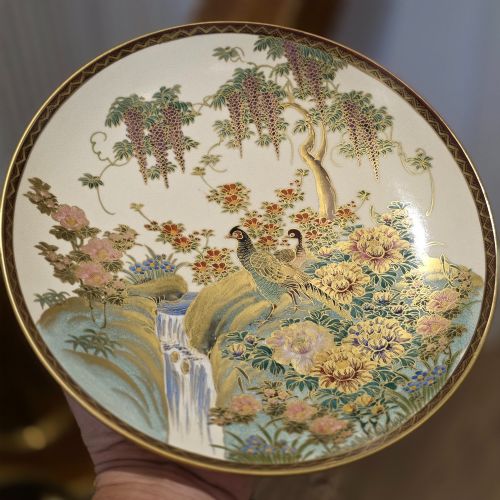
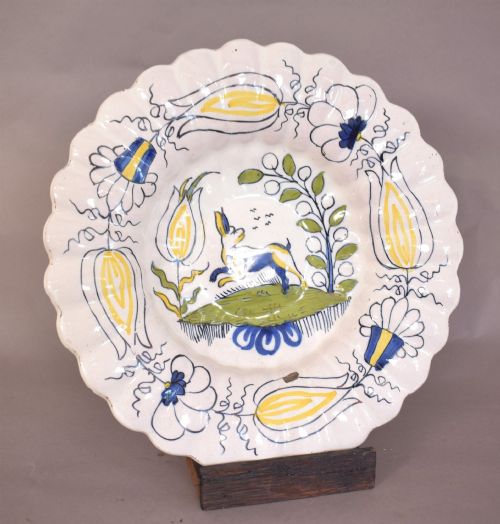
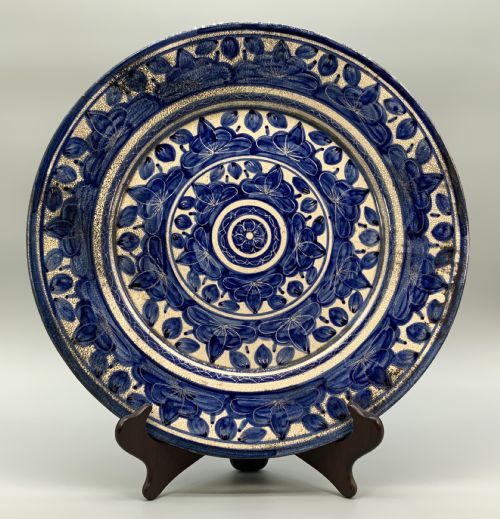
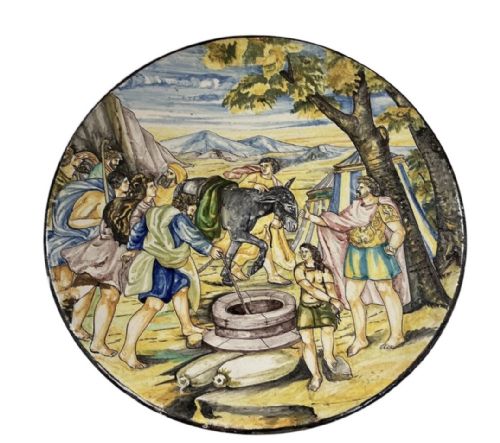
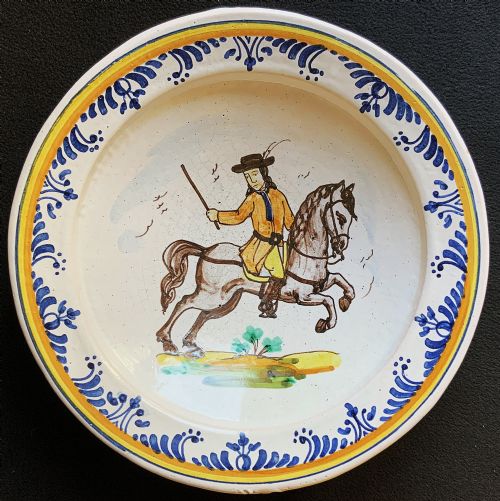
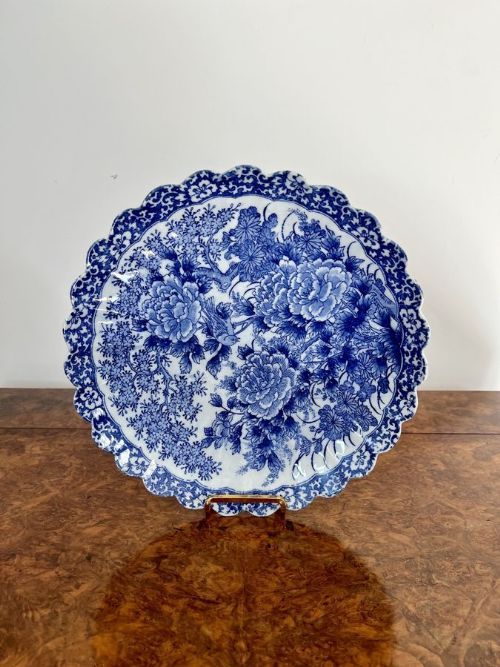
When you search for a decorative pottery wall plate, you encounter everything from large 17th-century tin-glazed chargers to vibrant 20th-century earthenware and stoneware examples. The selection spans wide-rimmed display plates, deep bowls and flat wall plaques created across British, European and Asian workshops.
You meet pieces originating from historic Dutch, French, Italian and English potteries alongside Japanese Imari and Satsuma wares. These objects were fashioned primarily for visual display on walls and cabinets rather than daily dining use.
How they were made
Potters shaped earthenware, porcelain, ironstone and stoneware bodies on wheels or in moulds before applying tin glaze, enamel, or blue and white transfer printing. Many pieces received hand-painted details in manganese, cobalt or polychrome pigments, often fired at high temperatures to set the glaze.
Makers utilised techniques such as grand feu firing for Dutch Delft and intricate underglaze or overglaze enamelling for Japanese and European decorative chargers. Gold leaf and specialised transfer patterns further enriched the surface texture of Victorian and later editions.
Several plates depict cheerful birds, sailing ships and whimsical scenes from a rake's progress, ready to watch over your daily tea.
What varies in quality
The distinction between standard production and superior execution rests on the crispness of the hand-painting, the depth of the glaze and the stability of the ceramic body. Early tin-glazed earthenware and intricate polychrome work rely heavily on the steady hand of the decorator and the purity of the white ground.
Finer examples display precise transfer printing or confident brushwork without muddy colours or glaze pooling. The complexity of the pattern and the historical significance of the pottery works also influence the standing of an individual piece.
John Ridgway·Mason·Clarice Cliff·Charlotte Rhead·William Adams
The Decorative Pottery Wall Plate Glossary
- Charger
- A large decorative plate traditionally used for display rather than service at the table. These expansive surfaces often showcase elaborate painted or transfer-printed scenes.
- Tin-Glazed Earthenware
- Pottery covered with a glaze containing tin oxide, producing an opaque white surface suitable for painting. This technique defines much of traditional Delft and majolica production.
- Imari
- Japanese porcelain decorated in underglaze blue, iron red and gold. European factories frequently copied these distinct patterns during the 18th and 19th centuries.
- Ironstone
- A dense, durable type of feldspathic stoneware patented in the 19th century. It provided a strong body for colourful oriental-style and transfer-printed designs.
- Grand Feu
- A high-temperature ceramic firing technique used in Dutch Delftware production. It allows pigments to fuse deeply into the raw glaze.
Decorative Pottery Wall Plate: Frequently Asked Questions
How do I hang a heavy pottery charger safely?
Displaying large plates requires specialised wall fixtures that distribute weight evenly across the base and rim. Adjustable spring-loaded wire hangers or custom brass brackets provide secure support for heavier earthenware and ironstone pieces.
Ensure the mounting hardware fastens securely into wall studs or proper masonry anchors. Avoid hanging plates in areas subject to heavy vibration or direct, intense sunlight.
Are these plates meant for food use?
Historic decorative wall plates and chargers were built for visual display rather than dining. Older glazes on 18th and 19th-century earthenware can be sensitive to moisture, cutlery and acidic foods.
Preserve the integrity of the surface by keeping these items strictly for interior decoration. Modern cleaning methods or dishwasher use will damage fragile historic enamel and glaze.
How do I identify the date of an antique plate?
Dating relies on examining the ceramic body, glaze characteristics, backstamps and painting style. Early pieces often show unglazed foot rims, hand-thrown potting rings and subtle glaze imperfections characteristic of historical kilns.
Later Victorian and 20th-century examples frequently feature maker marks, pattern names or registration numbers stamped into the underside. Comparing these marks with established pottery records helps narrow down the decade of production.