

Vintage Glazed Ceramic Dish
A vintage glazed ceramic dish brings colour and history to a room, offering practical use alongside centuries of ornamental design.
Vintage Glazed Ceramic Dish
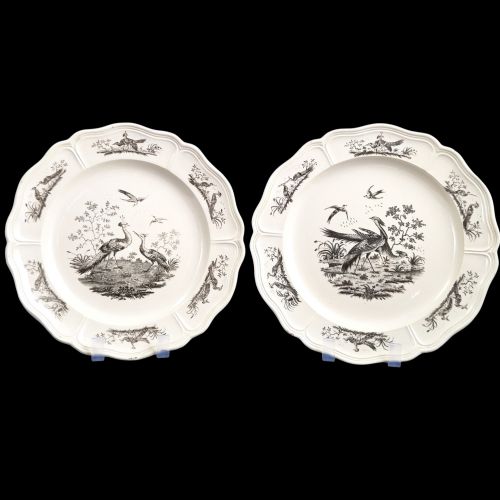
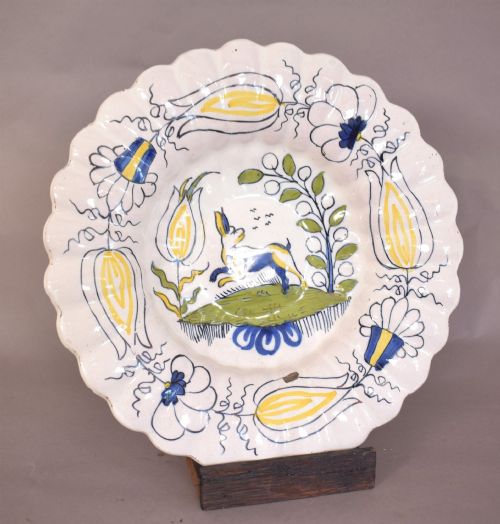
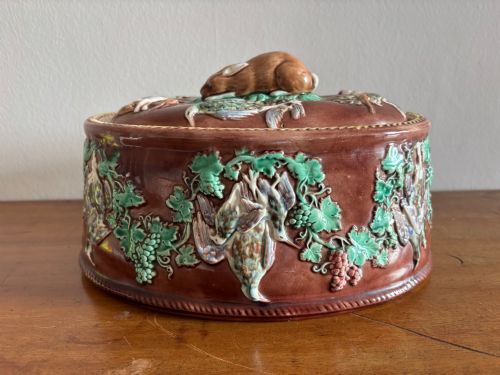
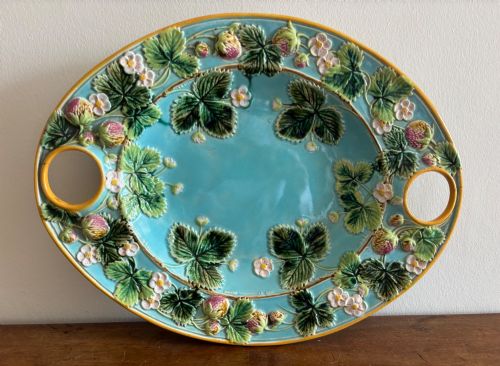
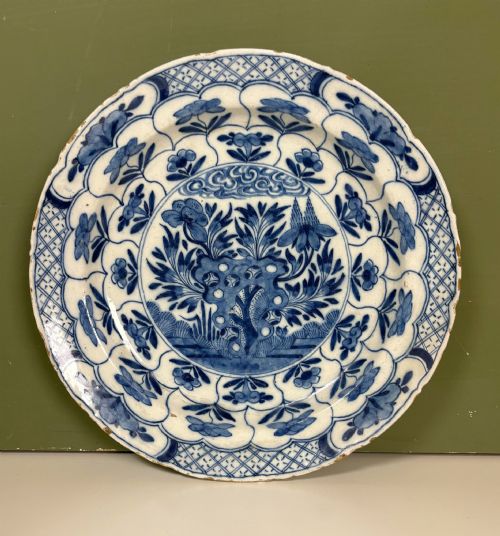
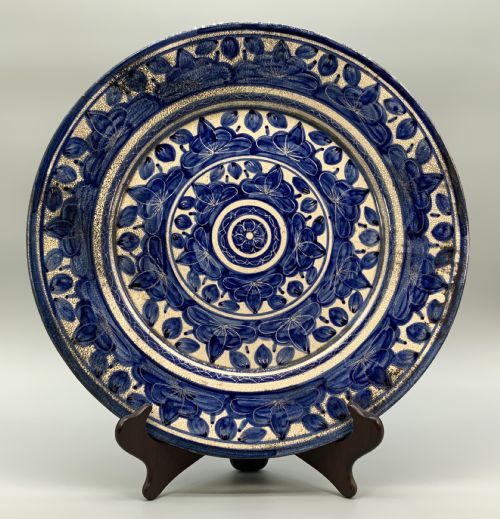
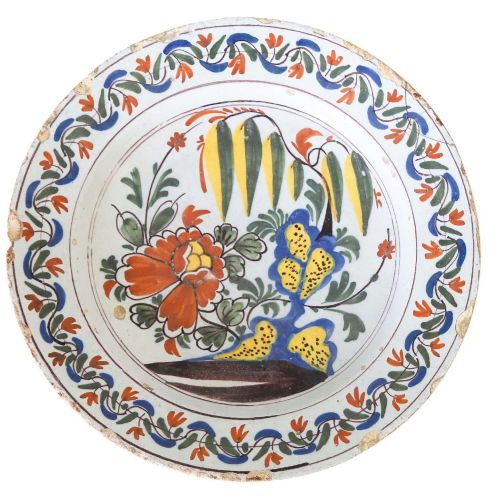
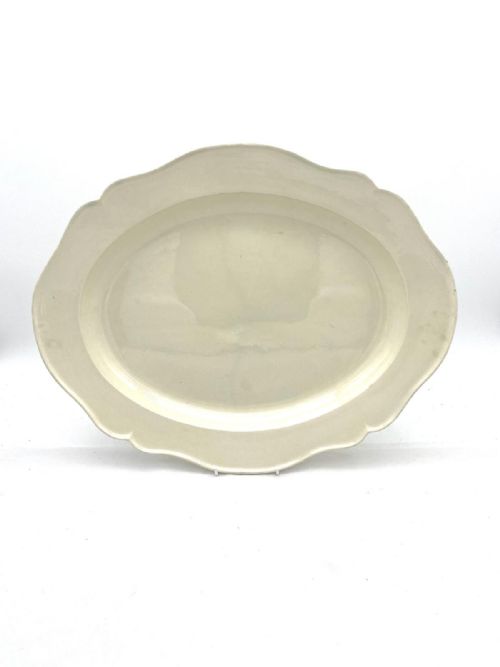
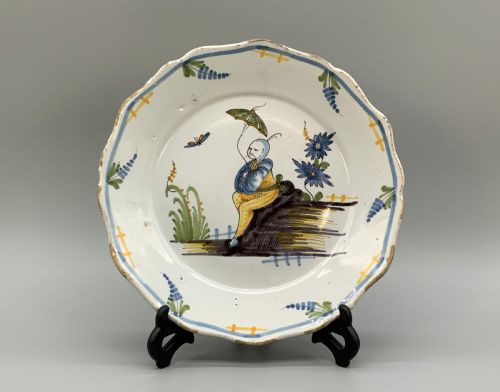
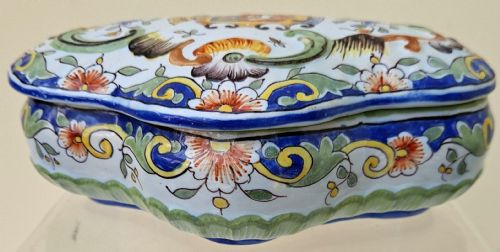
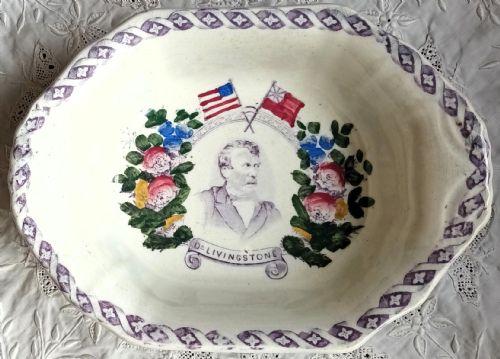
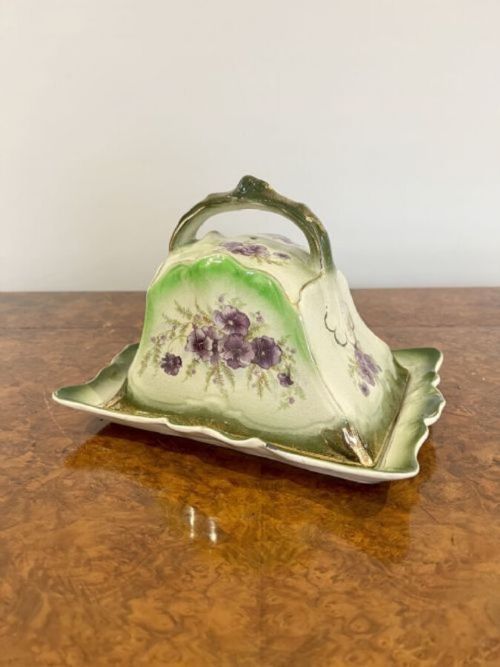
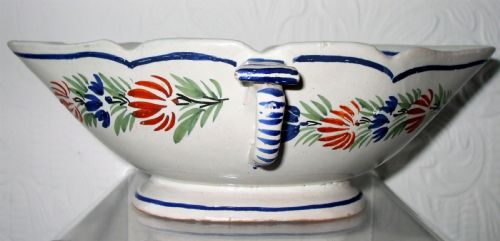
A vintage glazed ceramic dish spans utilitarian table vessels and decorative wall chargers from various European and international potteries. Buyers searching for a vintage glazed ceramic dish encounter forms ranging from 18th-century Delft plates to Art Deco powder boxes and majolica cheese dishes.
The selection includes large chargers, serving platters, shallow bowls, and covered boxes originating from English, French, Dutch, and German workshops. These pieces cross periods from the 17th century through the Victorian era and into the 1930s, reflecting changing domestic habits and decorative tastes.
Materials and technique
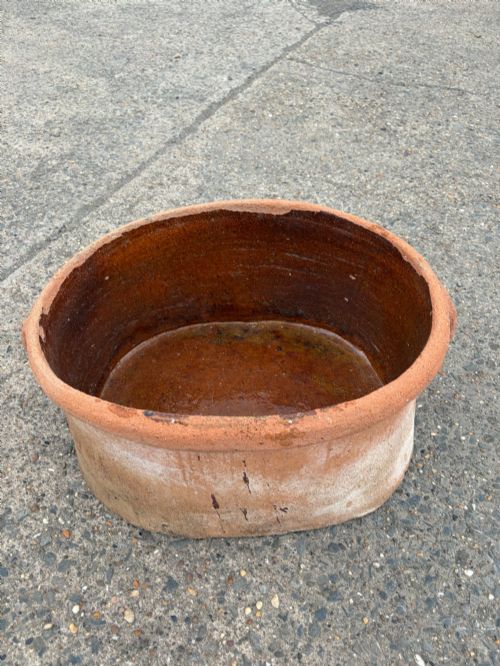
Potters shaped these items from earthenware, porcelain, stoneware, ironstone, and terracotta before applying tin glaze, lead glaze, or coloured enamel. Decoration relied on hand-painting, transfer printing, or tubelined designs beneath glossy surface finishes.
Firing techniques determined the integration of the glaze with the clay body, while subsequent overglaze or underglaze painting captured pigments such as cobalt blue, manganese, and polychrome hues.
Listings feature items spanning the 18th century, Victorian period, and 1930s Art Deco era in earthenware, porcelain, and terracotta.
What varies in quality
Quality rests in the crispness of the hand-painted brushwork or the precision of transfer-printed details across the ceramic surface. Superior examples display balanced composition and rich, stable glaze applications without muddy colours.
The sophistication of the modelling, particularly in moulded majolica, cheese dishes, or sculptural centrepieces, distinguishes standard production from exceptional studio work.
George Jones·Mann Co·Royal Doulton·Crown Ducal·Clarice Cliff
The Vintage Glazed Ceramic Dish Glossary
- Charger
- A large decorative plate or dish, typically displayed on a wall or sideboard rather than used for serving food.
- Majolica
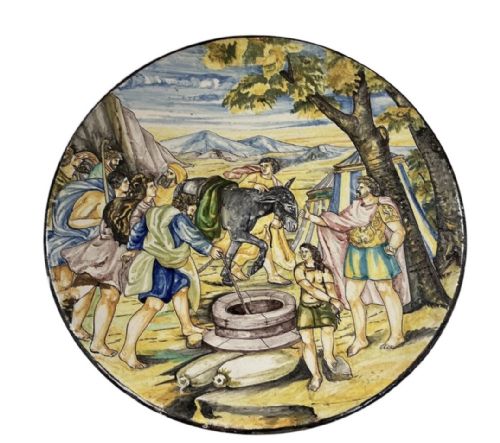
- A type of earthenware coated with an opaque tin glaze and painted with brightly coloured metallic oxides.
- Delftware
- Tin-glazed earthenware produced in the Netherlands and England, traditionally decorated in blue and white.
- Tubelining
- A ceramic decoration technique where lines of clay slip are squeezed through a nozzle onto the surface to create raised outlines for enamel filling.
- Faience
- European tin-glazed earthenware, particularly associated with French and Italian potteries.
Vintage Glazed Ceramic Dish: Frequently Asked Questions
Can I use these dishes for food?
Many historical dishes served functional roles like serving meat, cheese, or butter. However, older glazes may contain lead or sustain damage from modern cutlery.
Inspect the surface for heavy wear or unstable glaze before serving food. Displaying them safely is often the preferred choice for fragile pieces.
What is the difference between earthenware and porcelain?
Earthenware is a porous, opaque pottery fired at lower temperatures, requiring a glaze to become waterproof. It forms the body of most traditional majolica and Delftware.
Porcelain is vitrified, dense, and non-porous, often ringing slightly when struck and sometimes translucent under strong light. It represents a more refined, highly fired ceramic tradition.
How do I date an old ceramic dish?
Examine the base for maker marks, impressed stamps, or hand-written signatures that link to known factory active periods. Style indicators like Art Deco tubelining or 18th-century tin glaze also narrow the production era.
Consider the weight of the clay body and the characteristics of the glaze crazing. Comparing these details with documented pieces provides a reliable manufacturing window.