



Retro Art Deco Plate
These retro art deco plates and barware bring geometric flair and tactile metalwork straight from the interwar years into modern rooms.
Retro Art Deco Plate
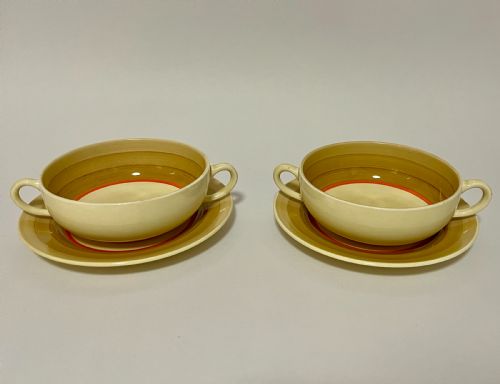
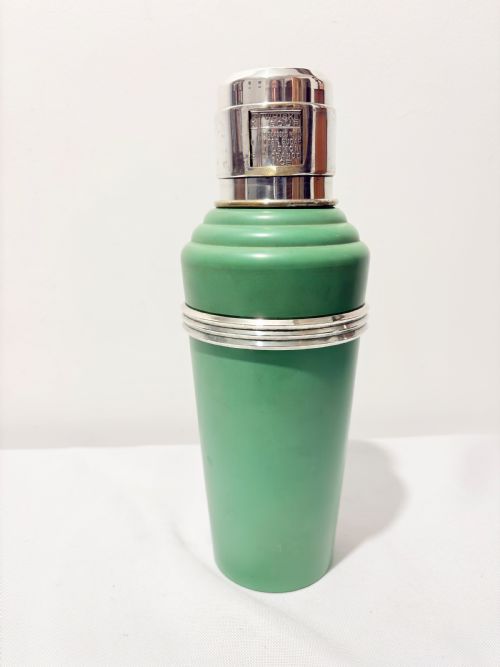
When searching for a retro art deco plate, buyers frequently encounter a diverse selection of period items spanning the 1920s to the 1950s. The primary offerings grouped under this aesthetic include decorative plates, cocktail shakers, trays, and soup bowls.
The dominant material format on this page leans heavily toward silver plate, metal, and electroplated nickel silver, often contrasted with bright enamel, coloured glass, and dark Bakelite. Objects hail from English, French, and Italian workshops, capturing the international sweep of modernism.
While named for plates, the inventory expands into barware and desk accessories that share the same sharp angles, clean silhouettes, and streamlined industrial motifs characteristic of the era.
Distinctions in standard
The degree of refinement in decorative elements and the integrity of the base metal determine the standing of an individual piece. Work by documented makers exhibits superior precision in joining mixed media like glass and metal.
Subtleties in surface finish, the crispness of applied enamel, and the durability of the silver plating separate standard utility items from exemplary studio pieces.
Clarice Cliff·J. B. Chatterley & Sons·James Dixon & Sons·Asprey & Co·William Suckling·Hukin & Heath·C S Green & Co
The Retro Art Deco Plate Glossary
- Electroplated Nickel Silver
- A base metal alloy of copper, nickel, and zinc coated with a layer of pure silver through an electrolytic process. This method provided a durable, lustrous surface for interwar tableware.
- Bakelite
- An early form of synthetic phenol-formaldehyde plastic valued for its heat resistance and rich colour possibilities. Makers utilised it for handles and decorative accents on metal vessels.
- Enamel
- A glassy substance fused to metal surfaces through high-temperature firing to add vibrant colour and pattern. It provides a smooth, resilient finish often seen in modernist jewellery and barware.
- Glazed Earthenware
- Porous pottery coated with a vitreous liquid and fired to form a non-porous surface. This technique supports painted ceramic designs characteristic of period tableware.
Retro Art Deco Plate: Frequently Asked Questions
What defines an art deco plate?
An art deco plate typically displays geometric motifs, stylised patterns, and clean lines characteristic of the interwar modernist movement. Materials range from glazed earthenware to silver-plated metal and coloured glass.
These decorative items reflect the industrial optimism and sleek aesthetic of the 1920s and 1930s. They were designed for display or dining, merging artistic expression with everyday utility.
How do I care for silver plated barware?
Silver plated barware requires gentle cleaning with a soft cloth and mild, non-abrasive detergent to preserve the metallic coating. Avoid harsh chemical polishes that can strip away thin plating over time.
Dry the pieces thoroughly after washing to prevent water spots and tarnishing. Storing them in a dry environment helps maintain their polished finish.
Are these items from the 1920s?
The pieces originate from a span covering the 1920s through to the 1950s, capturing the evolution of modernist design. Many items date specifically to the 1930s and 1940s.
Manufacturing dates appear in individual listings based on style markers, hallmarks, and maker documentation. This provides a clear timeframe for each object's origin.
How were cocktail shakers used?
Cocktail shakers served as central barware items for mixing chilled drinks during the interwar cocktail revival. Many featured built-in strainers and lemon squeezers for efficient beverage preparation.
Hosts displayed them proudly on trays alongside matching glassware and bar sets. They combined mechanical ingenuity with striking modernist forms.