




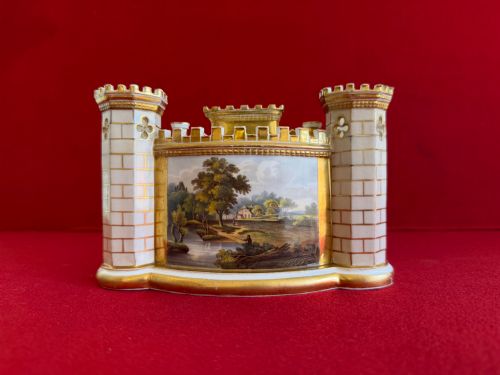
Decorative Porcelain Vases
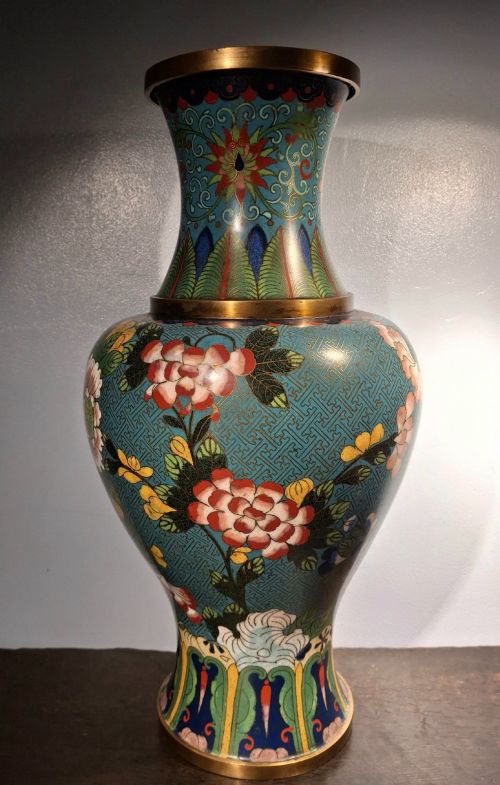
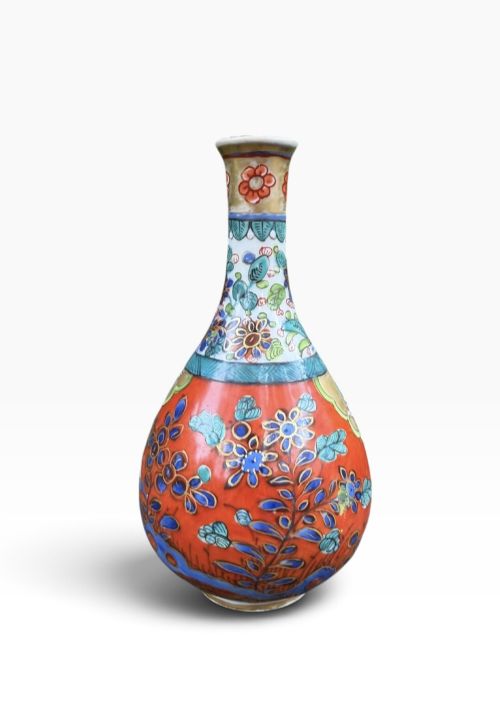
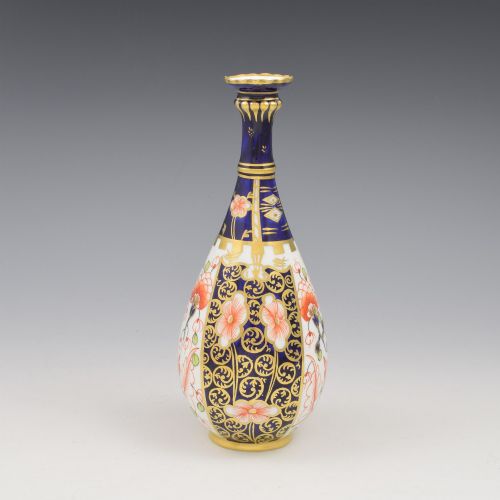
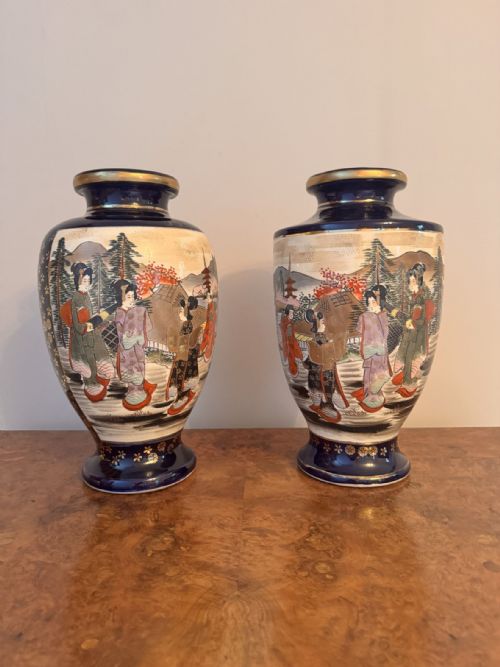
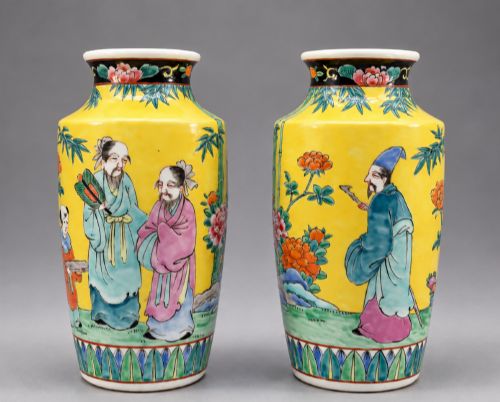
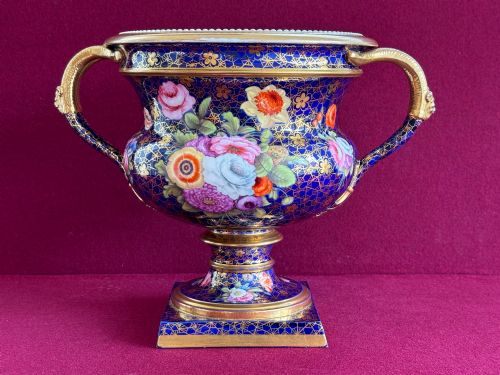
These decorative porcelain vases bring together centuries of global ceramic craft, from Regency English porcelain to Japanese Satsuma ware.
Decorative Porcelain Vases
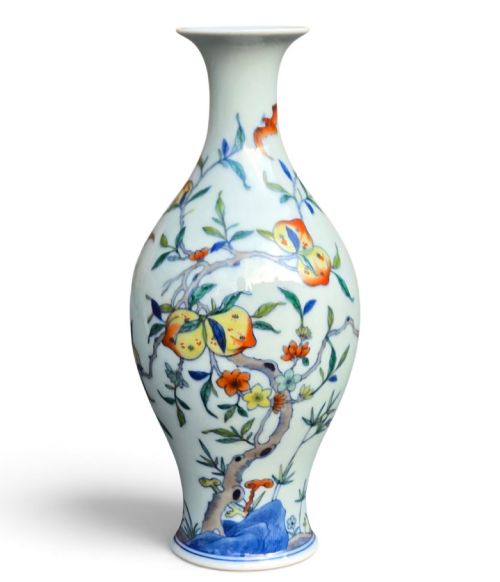
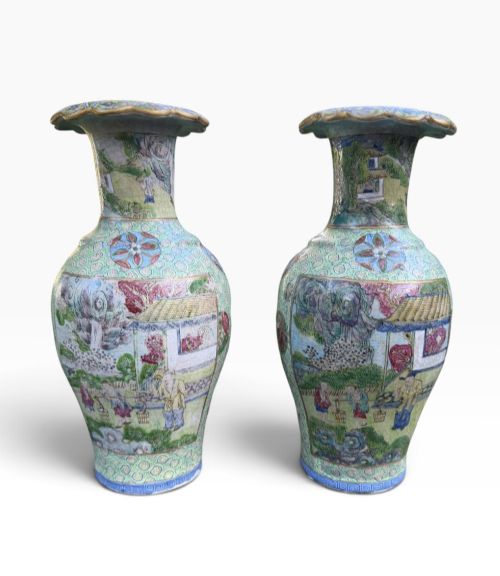
Decorative porcelain vases encompass a wide sweep of international traditions, ranging from English factory wares to East Asian ceramics. When exploring decorative porcelain vases on this page, the buyer encounters everything from small spill vases to large floor-standing examples.
The selection includes pieces from the eighteenth, nineteenth, and early twentieth centuries, alongside various regional styles. English houses like Worcester and Spode sit alongside French Sèvres-style pieces and Japanese Imari or Satsuma creations.
How They Were Made
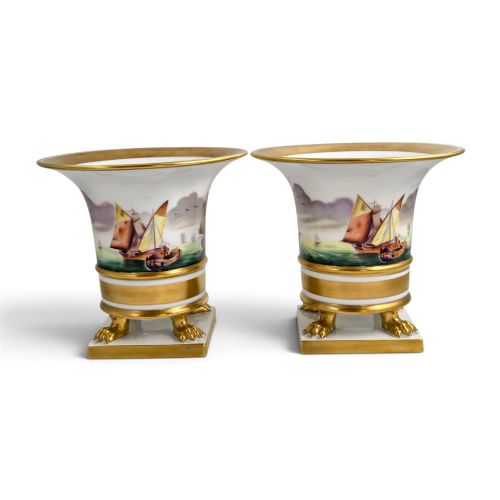
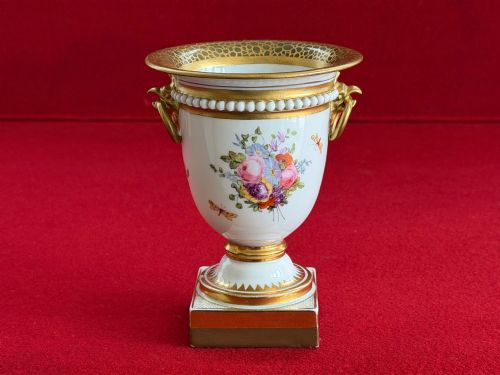
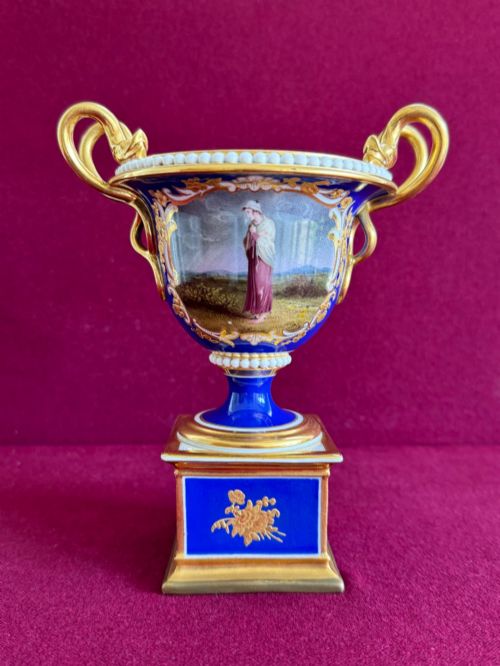
Makers utilised fired ceramic bodies, primarily porcelain, earthenware, and stoneware, coated in glazes that provided a smooth, vitreous surface. Decoration often involved hand-painted enamels combined with gold leaf or gilding.
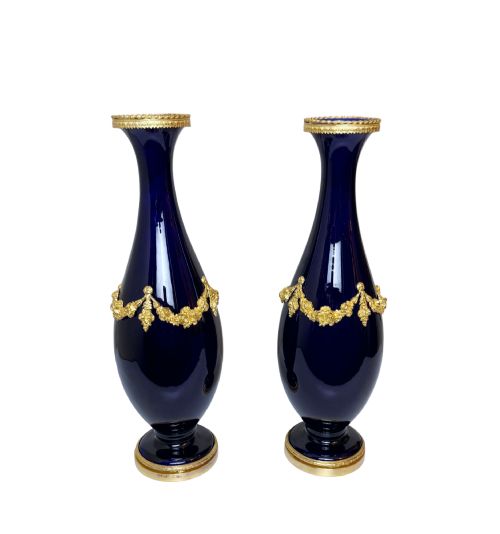
Techniques varied from delicate brushwork depicting flowers and figures to transfer printing and elaborate moulding. Some forms incorporated gilt bronze mounts or handles cast to complement the ceramic body.
Decorative Porcelain Vases Retail Price Guide 2026
Typical asking prices for decorative porcelain vases among the pieces listed under this phrase on Sellingantiques today, from the lower quarter to the upper quarter. They describe what is for sale here now, not the wider market.
Listings feature porcelain, earthenware, and stoneware across the Regency, Victorian, and Art Deco periods.
What Varies in Quality
The standard of painting and hand-finishing separates ordinary production from exceptional examples, visible in the precision of brushwork and the depth of the enamel colours. Ground colours and gilding execution also indicate the skill involved in the workshop.
Form and proportion play a significant role, where balanced thrown bodies or crisp moulding elevate the piece. The prestige of the maker, whether an established English factory or a noted Satsuma studio, influences the standing of the object.
Royal Vienna·Royal Crown Derby·Royal Worcester·Flight Barr And Barr·Wedgwood·Helena Wolfsohn
The Decorative Porcelain Vases Glossary
- Satsuma
- Japanese earthenware or ceramic ware typically decorated with finely detailed enamel and gilding over a crackle-glaze ground. It gained significant popularity during the Meiji period and later eras.
- Imari
- A style of Japanese export porcelain characterised by a palette of underglaze blue, iron red, and gilt. European factories frequently copied these distinct decorative motifs.
- Gilding
- The application of gold leaf or powdered gold suspended in a medium to ceramic surfaces. It highlights rims, handles, and painted panels.
- Spill vase
- A small, narrow container designed to hold wooden spills used for lighting fires or candles. These utilitarian items evolved into decorative mantelpiece ornaments.
- Garniture
- A matched set of vases or jars designed to be displayed together on a mantelpiece or cabinet top. They typically consist of three or more graduated pieces.
Decorative Porcelain Vases: Frequently Asked Questions
How do I identify a reproduction?
Examine the weight, the consistency of the glaze, and the application of the colours. Hand-painted details show subtle brush variations that modern transfer prints lack.
Maker marks on the base provide further clues, though older pieces often carry pseudo-marks or wear consistent with age.
Can these vases hold water?
Many antique decorative porcelain vases are porous or have historical repairs that make holding water unwise. It is safer to use them dry or with a concealed liner.
Pieces converted into lamps or those with delicate enamel work should be kept away from moisture entirely.
How should I clean porcelain vases?
Dust gently with a soft, dry brush to remove surface particles. Avoid using water or chemical cleaners on pieces with exposed gilding or overglaze enamels.
Excessive moisture can degrade old adhesives or lift fragile gilt highlights from the ceramic surface.
What is a garniture set?
A garniture is a coordinated group of three, five, or more vases and jars meant for symmetrical display. These sets became popular in European interiors during the seventeenth and eighteenth centuries.
Matching pieces that survive together as a full garniture are particularly valued by collectors.