
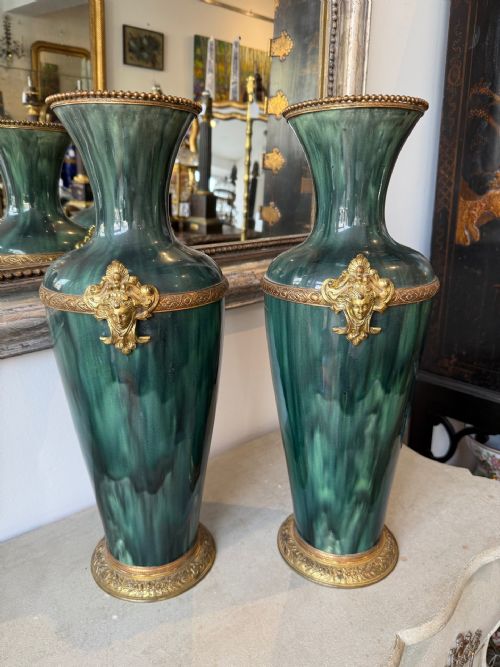


Decorative Porcelain Mantel Urns
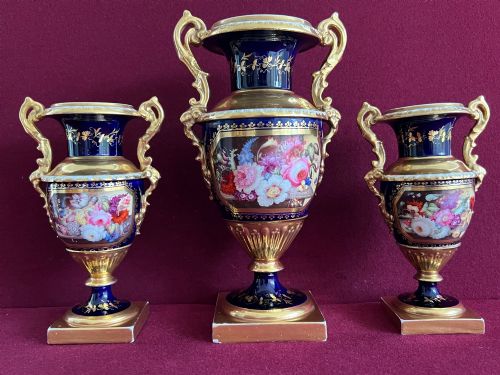
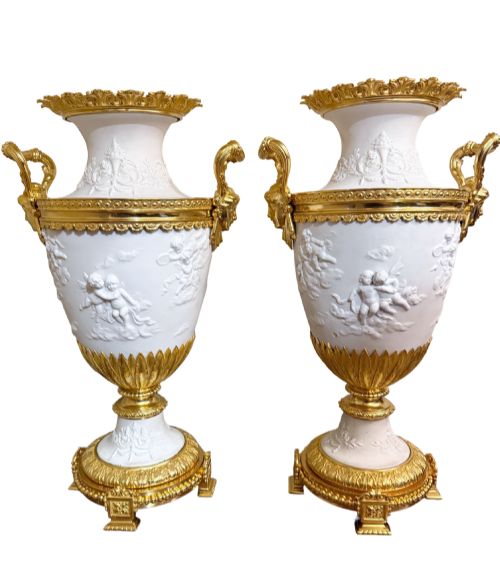
These decorative porcelain mantel urns combine painted ceramic bodies with gilt bronze mounts to anchor a room.
Decorative Porcelain Mantel Urns
When buyers search for decorative porcelain mantel urns, they find ceramic vessels shaped for display on fireplace shelves, frequently appearing in pairs or three-piece garniture sets alongside matching clocks. Most examples date from the nineteenth century, reflecting Victorian, Edwardian and continental tastes.
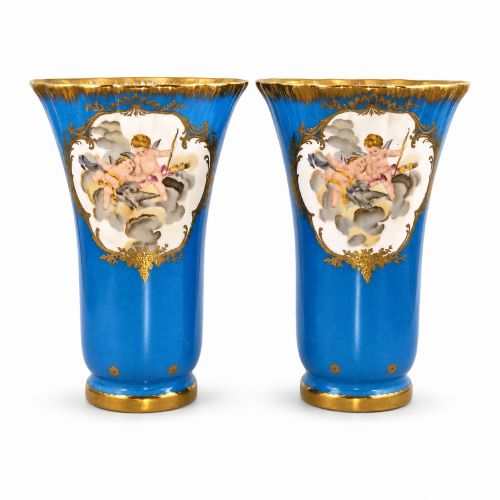
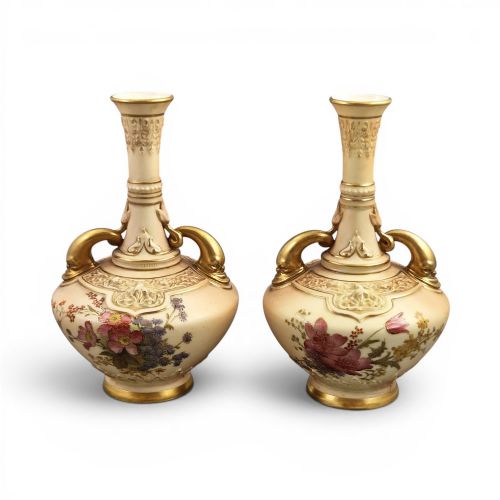
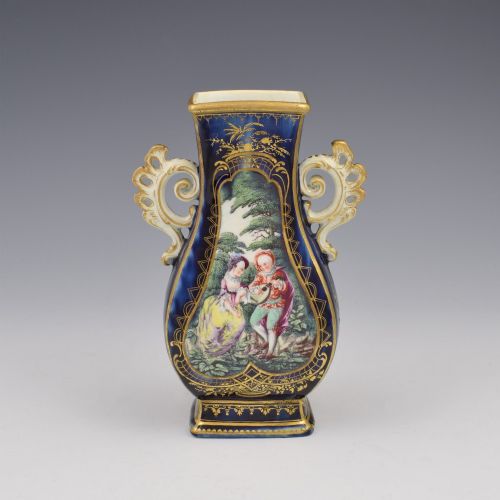
The forms span classical shapes such as Medici profiles and lidded jars alongside cylindrical vases and garnitures. European factories including Sevres, Vienna, Old Paris and Royal Worcester dominate the selection, often taking inspiration from French styles and neoclassical motifs.
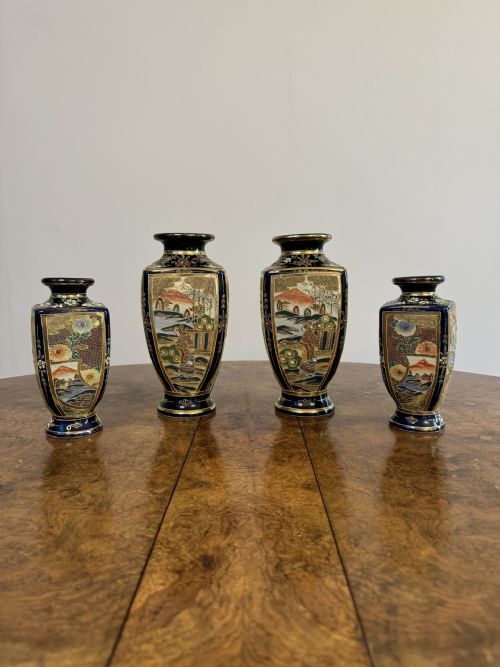
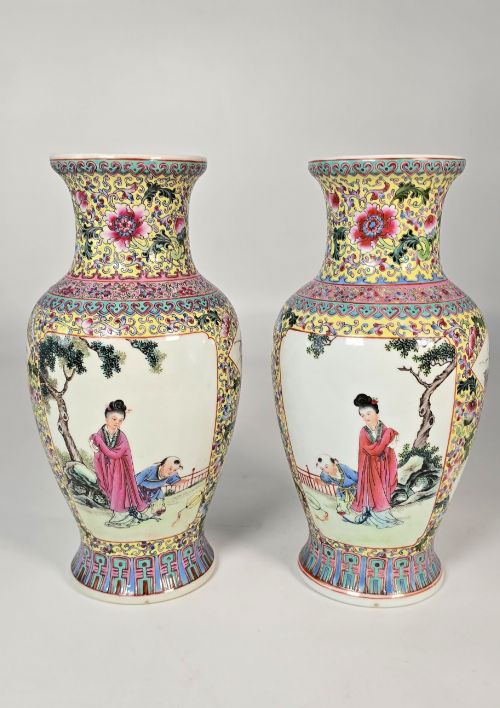
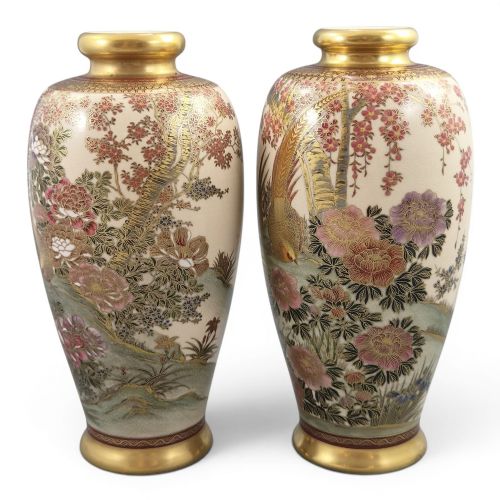
Asian export wares also feature strongly within this category, bringing Japanese Satsuma, Imari and Kutani pieces as well as Chinese Canton ceramics into the mantel display tradition.
How they were made
Potters shaped these vessels from ceramic, earthenware, ironstone or porcelain bodies before applying colourful enamel paints and detailed hand-gilding. Many pieces incorporate gold leaf or hand-painted figural and floral scenes fired onto the glaze.
Foundry workers cast complementary mounts in ormolu and gilt bronze to frame the ceramic bodies, attaching decorative handles, collars and bases to elevate the silhouette. These metal fittings were chased by hand to sharpen the leaf scrolls and classical patterns.
Some nineteenth-century mantel urns feature sculpted dolphin handles that curve playfully down the ceramic body.
What varies in quality
The standard of painting on the ceramic body dictates much of the distinction, separating factory production decorated with transfer prints from pieces bearing detailed hand-painted panels and signed artistry. Crisp brushwork in the enamel and gold highlights signals superior workshop output.
The execution of the ormolu mounts determines the other major tier of quality. Heavy, cleanly chased bronze fittings that fit the porcelain contour precisely elevate a piece far above light, plain metal components lacking definition.
Royal Worcester·KPM Berlin·Royal Crown Derby·Mason·Doulton
The Decorative Porcelain Mantel Urns Glossary
- Ormolu
- Gilded bronze used for mounts and decorative fittings on furniture and porcelain. The technique involves applying a gold amalgam to a bronze base and heating it to drive off the mercury.
- Garniture
- A set of three or more matching decorative vases or urns designed to be displayed together on a mantelpiece or sideboard. They typically feature a central larger vessel flanked by a matching pair.
- Bleu Celeste
- A bright turquoise blue ground colour developed at the Sevres pottery in France. It forms the backdrop for painted panels on nineteenth-century porcelain.
- Satsuma
- Japanese earthenware pottery decorated with intricate crackle-glaze and overglaze enamel paintings enriched with gold. These wares were widely produced for export during the Meiji period.
- Medici Vase
- A monumental bell-shaped classical urn form featuring a footed base and flared rim. The shape originates from ancient marble garden vases discovered in Italy.
Decorative Porcelain Mantel Urns: Frequently Asked Questions
What is a garniture set?
A garniture set consists of three or more matching vases or urns designed to balance each other visually across a mantelpiece. They were traditionally arranged with a central taller vessel flanked by two smaller matching pieces.
These sets create a symmetrical display that frames a fireplace or clock. Collectors prize complete surviving sets for their decorative impact.
How do you clean porcelain urns?
Dust these decorative pieces gently with a soft, dry brush to prevent dirt from settling in the detailed enamel painting and ormolu mounts. Avoid soaking them in water, especially if they feature delicate gilt bronze fittings or fragile hand-painted surfaces.
Moisture can seep into unglazed ceramic areas or damage historic repairs. Professional restoration advice should be sought for stubborn marks.
Where were these urns displayed?
These vessels were placed on mantelpieces above fireplaces, where they served as focal points in Victorian and Edwardian drawing rooms. They were also arranged on console tables and sideboards in formal reception rooms.
The inclusion of ormolu mounts and painted scenes ensured they caught the light from lamps and fires.