

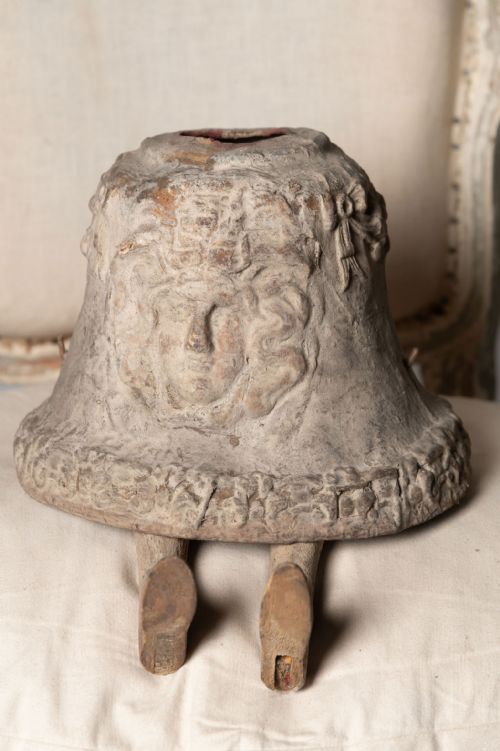


Decorative Plaster Head Sculpture
A decorative plaster head sculpture brings neoclassical severity and theatrical presence directly into a room, offering immediate focal depth.
Decorative Plaster Head Sculpture
When you search for a decorative plaster head sculpture, you are looking at moulded and carved likenesses spanning the nineteenth and twentieth centuries. The selection ranges from classical Greek and Roman subjects to theatrical props and Art Deco studies.
You are most likely to meet nineteenth-century examples depicting classical figures like Homer or David, alongside painted busts and wall masks. These pieces capture historical forms through accessible mediums such as plaster, composition, and gesso.
How they were made
Surfaces frequently received layers of paint, gesso, or gold leaf to simulate marble, bronze, or stone. These finishes varied from simple monochrome coats to elaborate polychrome schemes seen in Italian theatrical pieces and Spanish horse heads.
Decorative Plaster Head Sculpture Retail Price Guide 2026
Typical asking prices for decorative plaster head sculpture among the pieces listed under this phrase on Sellingantiques today, from the lower quarter to the upper quarter. They describe what is for sale here now, not the wider market.
Current listings feature materials including plaster, terracotta, composition, gesso, and papier-mache across nineteenth and twentieth-century periods.
What varies in quality
The sophistication of the modelling separates standard decorative objects from superior sculptural works. Finer examples display crisp anatomical definition and careful handling of surface texture, particularly around the eyes and hair.
The integrity of the original surface finish distinguishes better pieces. Traces of early paint, gilding, or patination indicate how the sculpture has aged and how faithfully the maker executed the neoclassical or Art Deco design.
Bohumil Rezl
The Decorative Plaster Head Sculpture Glossary
- Plaster
- A building and sculpting material made from calcium sulphate hemihydrate, mixed with water and poured into moulds to set. It allows for intricate detail in decorative heads.
- Gesso
- A plaster mixture used as a smooth base for paint or gilding on sculptural surfaces. It provides an even texture across plaster and wood.
- Composition
- A moulded material made from whiting, linseed oil, resin, and glue, used as an alternative to carved wood or pure plaster. It hardens into durable decorative details.
- Neoclassical
- A style reviving classical Greco-Roman forms, popular throughout the nineteenth century. It heavily influences the subject matter of these busts and wall masks.
Decorative Plaster Head Sculpture: Frequently Asked Questions
Are these sculptures solid plaster?
Many larger busts and theatrical props are cast with hollow interiors to reduce weight. Internal wooden frames or armature wires sometimes provide extra support.
Smaller wall brackets and plaques tend to use denser plaster or composition mixtures throughout their forms.
How should I clean a plaster bust?
Dust surfaces gently using a soft, dry brush or a feather duster. Avoid using water or liquid cleaners, which can dissolve historical gesso and paint layers.
Test any maintenance approach on a hidden underside area if you need to remove stubborn surface dirt.
What period do most pieces date from?
The majority of items originate from the nineteenth century, reflecting a strong Victorian and continental interest in classical revival art. Later twentieth-century examples also appear, including Art Deco designs from the nineteen-thirties.
Stylistic cues and material handling help distinguish between early nineteenth-century neoclassical works and later twentieth-century modernist interpretations.