




Dark Painted Bust
A dark painted bust brings immediate character to a room, offering sculptural presence through enduring materials like plaster, wood, and oil-painted canvas.
Dark Painted Bust
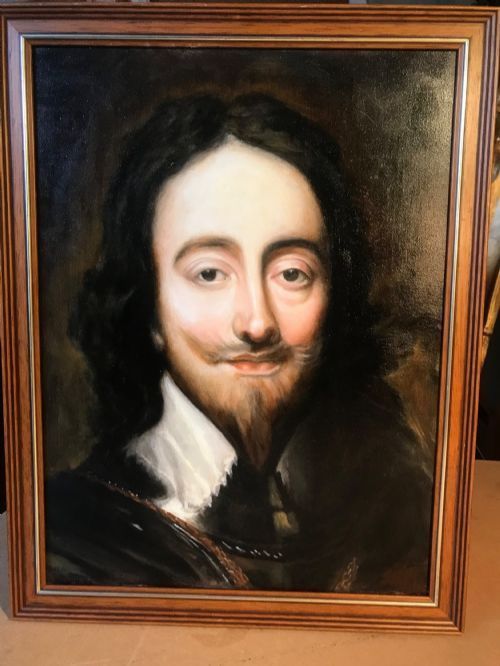
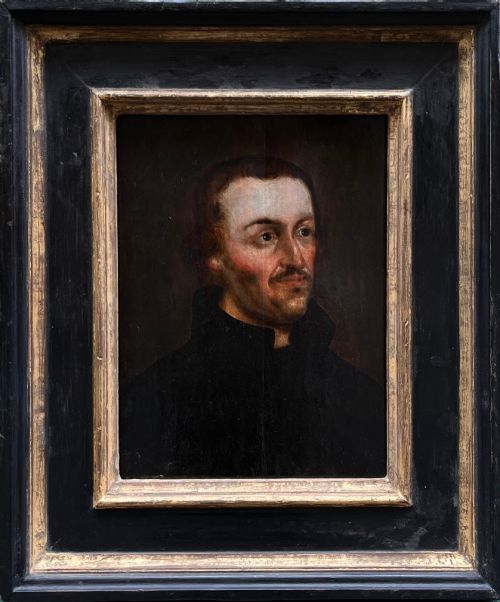
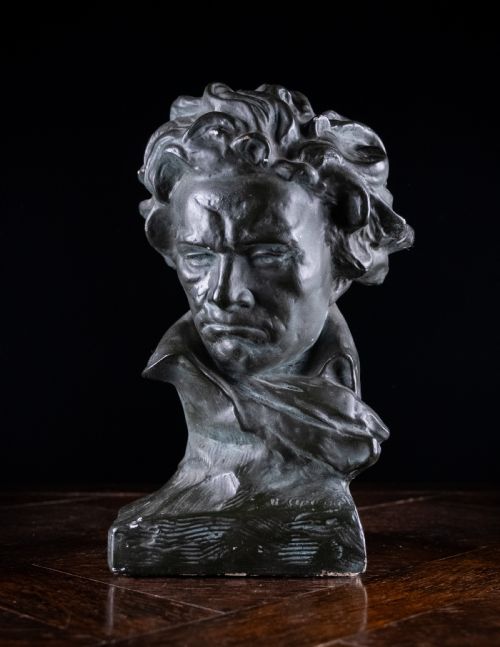
A dark painted bust encompasses sculptural likenesses and oil-painted portraits that share a sombre, restrained palette. When you search for a dark painted bust, you encounter works spanning from the seventeenth century through to the mid twentieth century, including both three-dimensional plaster sculptures and flat canvas paintings.
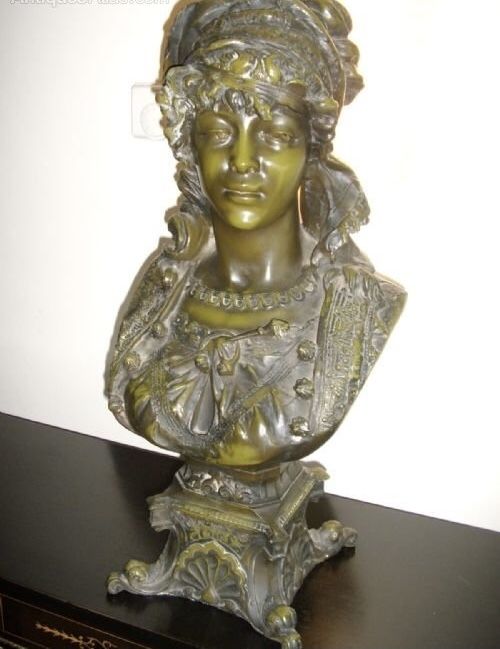
The pieces appearing on this page range from classical figures like Ludwig Van Beethoven and Philip Melanchthon to French bronze-sculptured maidens and Spanish horse heads. Most selections adhere to historic traditions such as the Baroque, Georgian, Victorian, and Art Deco eras, reflecting centuries of portraiture and sculptural craft.
Materials and construction
Plaster sculptures utilise moulded gypsum finished with dark surface paint, capturing fine facial details and drapery folds. Wood provides a rigid substrate for panel paintings and structural elements.
Canvas supports oil paint and gold leaf applications, creating deep tonal ranges through layered brushwork. Paint layers build up the shadow and form that define the sombre aesthetic of these works.
Dark Painted Bust Retail Price Guide 2026
Typical asking prices for dark painted bust among the pieces listed under this phrase on Sellingantiques today, from the lower quarter to the upper quarter. They describe what is for sale here now, not the wider market.
Listings feature oil paintings and plaster sculptures spanning the seventeenth, eighteenth, and nineteenth centuries.
Evaluating quality and execution
The distinction between tiers rests upon the precision of the modelling in three-dimensional plaster or the handling of brushwork in oil on canvas. Superior examples display a confident grasp of human anatomy and proportion, whereas simpler pieces rely on coarser surface finishes.
The integrity of the original paint layer dictates much of the visual impact. Works retaining their initial surface without heavy modern intervention hold greater visual depth and historical character.
Anthony Van Dyck·Henry Wissen·Lemuel Francis Abbott·Sir Joshua Reynolds
The Dark Painted Bust Glossary
- Plaster
- A building and sculpting material made from gypsum, water, and other ingredients. It is cast in moulds to create detailed three-dimensional busts.
- Oil paint
- A slow-drying paint made by combining pigments with a drying oil, typically linseed oil. This medium allows for smooth blending and deep, rich dark tones.
- Baroque
- An ornate artistic style originating in Europe during the early seventeenth century, characterised by dramatic tension and deep shadow. It influences many portrait paintings and sculptures from this period.
- Gold leaf
- Gold beaten into extremely thin sheets, used for gilding frames and background details on canvas. It provides a striking contrast against dark painted surfaces.
Dark Painted Bust: Frequently Asked Questions
Are these busts solid bronze?
Most sculptural pieces in this category are constructed from painted plaster rather than solid metal. Some works incorporate bronze elements or patinations to resemble heavier metal.
Check the listed materials to confirm the exact construction of each individual piece.
How do I date a painted portrait?
Examine the style of clothing, hair, and collar depicted in the painting or sculpture. Historical figures and sitter dates often provide a reliable baseline for the era.
The canvas preparation and stretcher construction also offer clues regarding the age of flat works.
Where should I display a dark bust?
Position the piece on a sturdy mantelpiece, bookcase, or dedicated plinth away from high-traffic zones. Adequate directional lighting enhances the dramatic shadows and sculptural contours.
Ensure the placement protects the artwork from accidental knocks.