

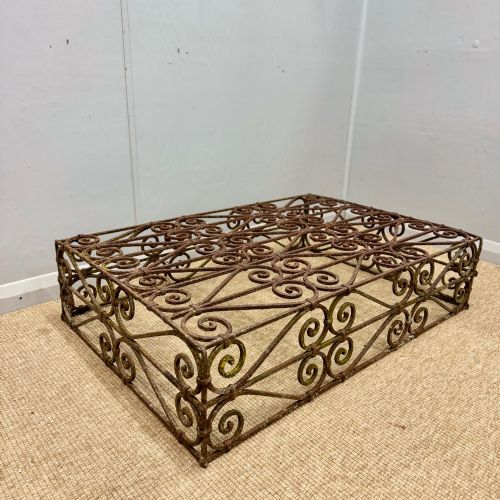


Decorative Plant Stand
When you search for a decorative plant stand, you are looking at elevated vessels and pedestals that lift greenery and sculpture to eye level.
Decorative Plant Stand
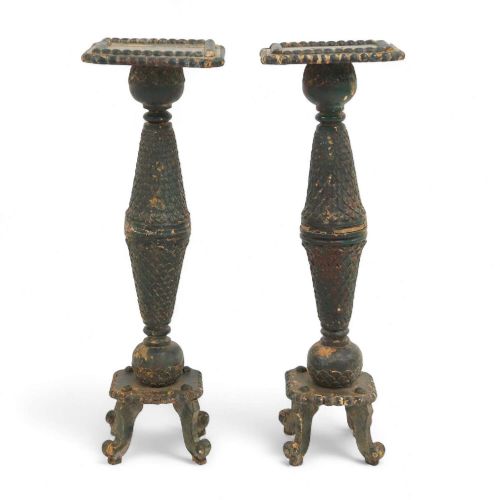
A decorative plant stand brings height and focal interest to interior rooms and garden spaces alike. When browsing this selection, you encounter forms ranging from slender torcheres and columns to sturdy ceramic garden seats and low plant tables.
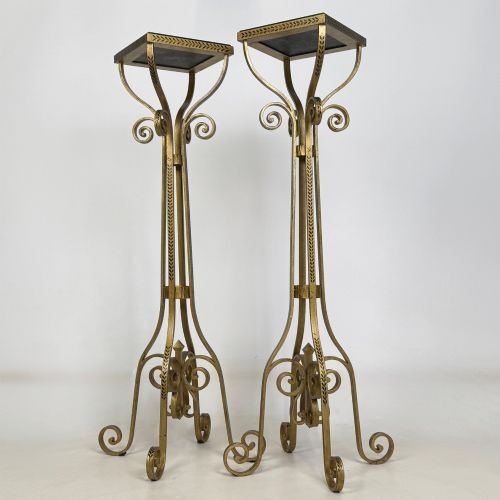
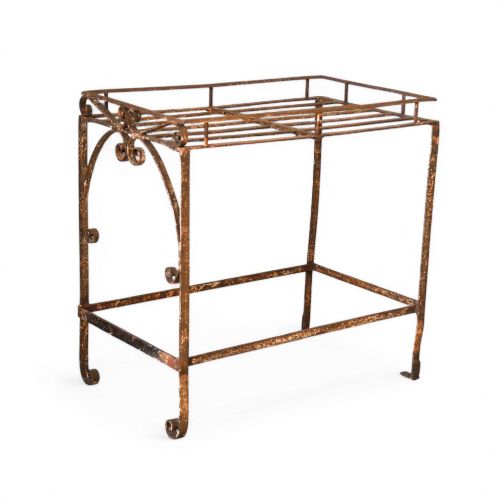
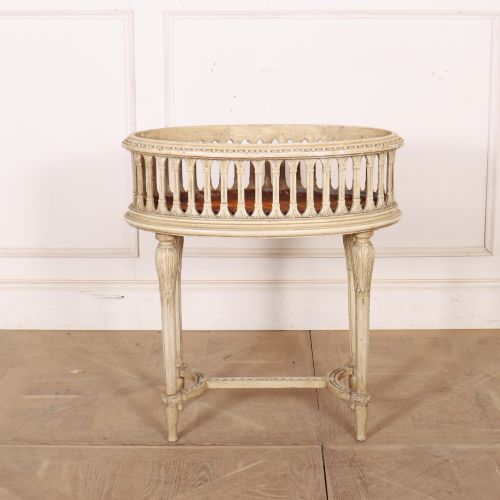
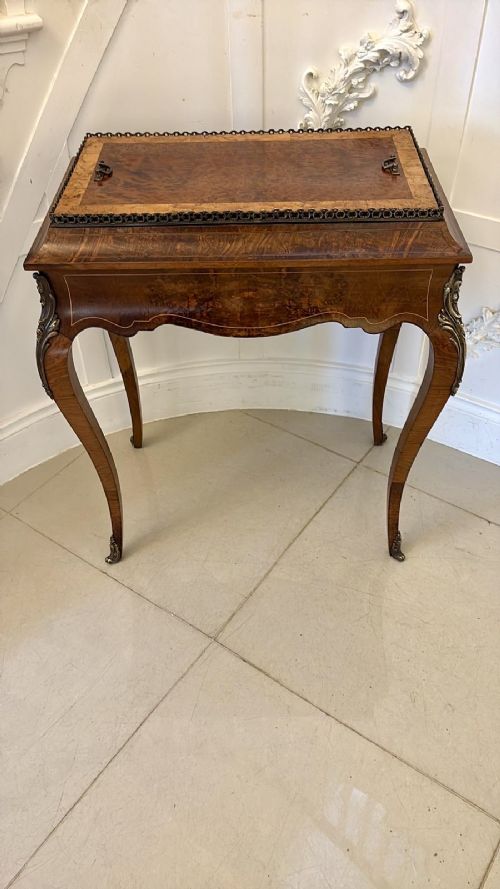
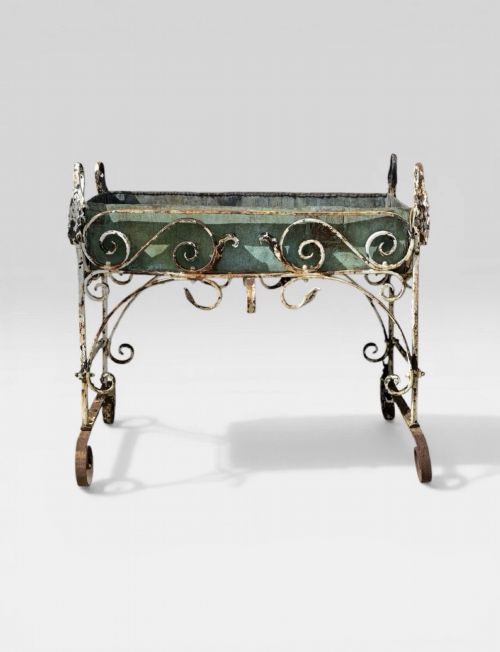
The objects stem predominantly from the nineteenth and early twentieth centuries, spanning Victorian, Edwardian, and Art Deco periods. Pieces arrive in diverse silhouettes, including French style jardinieres, marble-topped pedestals, and intricate wirework conservatory stands.
What Varies in Quality
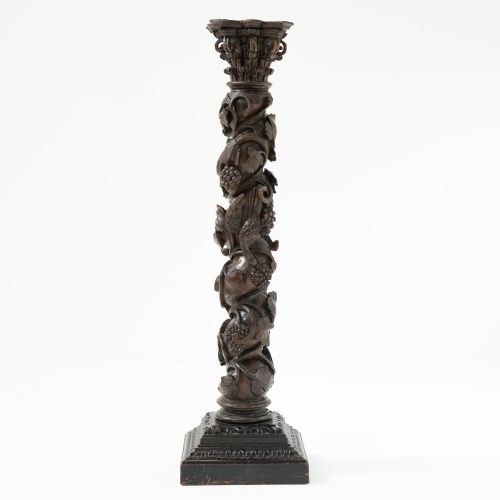
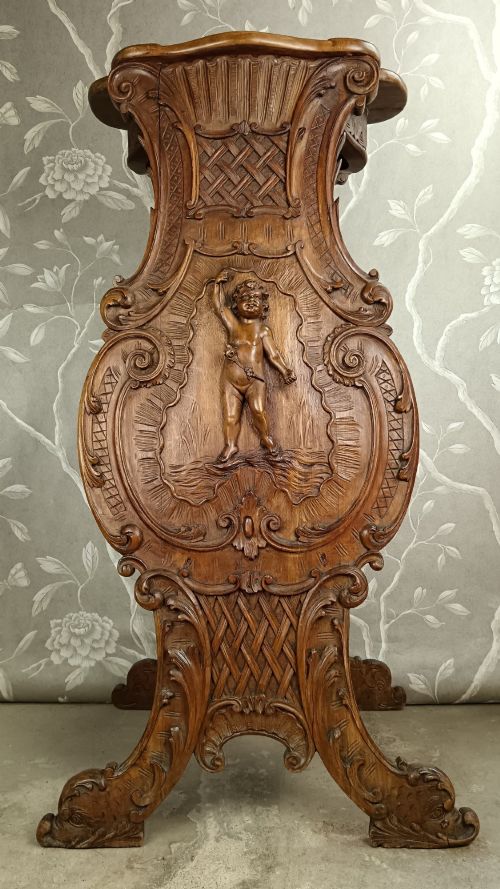
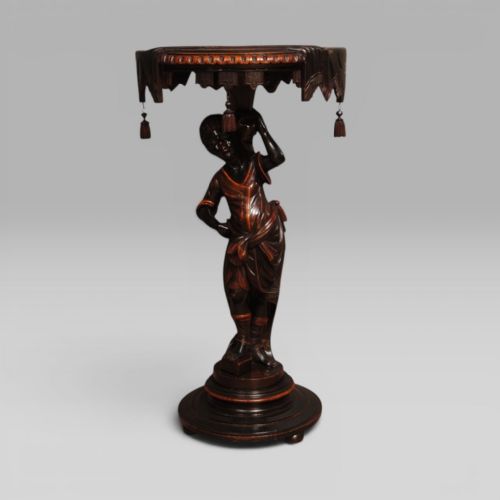
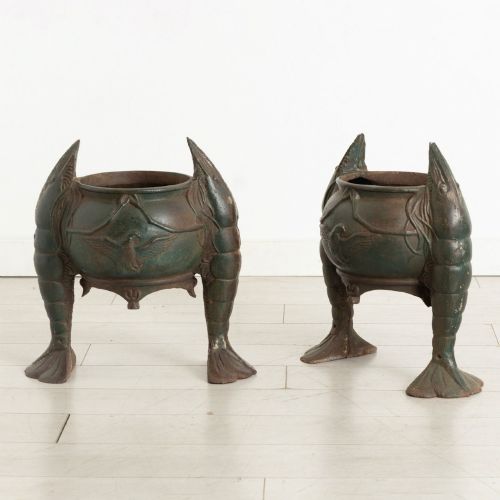
Distinctions in quality rest on the integrity of materials and the finesse of execution. Pieces featuring hand-carved woodwork, substantial cast iron, or fine ormolu mounts demonstrate superior craftsmanship compared to simpler utilitarian items.
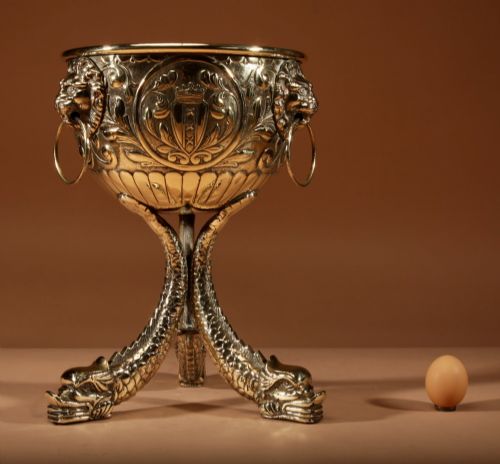
The preservation of original surface finishes, such as historic paint or patinated brass liners, elevates the standing of an item. Cohesion of design across matched pairs also indicates higher workshop standards.
Materials span carved wood, wrought iron, brass, marble, and ceramics across Victorian, Edwardian, and Art Deco periods.
Burmantofts·Liberty and Co
The Decorative Plant Stand Glossary
- Jardiniere
- An ornamental pot or stand designed to hold growing plants or flowers. These vessels often sit on dedicated pedestals or form part of integrated tables.
- Torchiere
- A tall standing pillar or stand originally intended to carry a light source. In botanical contexts, these serve as elevated stages for trailing foliage.
- Ormolu
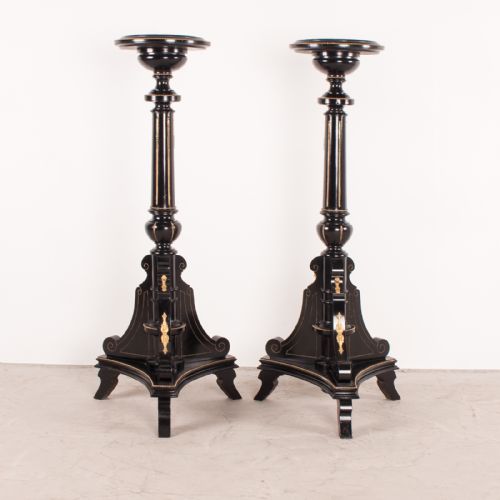
- Gilded bronze mounts applied to furniture and decorative stands. This technique adds metallic enrichment to timber frames.
- Majolica
- A type of earthenware coated with an opaque white tin glaze and painted with bright colours. It appears frequently on nineteenth-century ceramic planters.
- Solomonic
- A helical column twist resembling a spiralling vine. This classical form frequently appears on carved wooden pedestals.
Decorative Plant Stand: Frequently Asked Questions
What is a decorative plant stand used for?
These pieces elevate potted plants, flowers, and sculptural arrangements to create focal points in rooms or conservatories. They bring varied heights to botanical displays.
Historically, they also served as display surfaces for lamps, ceramics, and decorative objects in hallways and drawing rooms.
How do I style a plant stand at home?
Pair tall torcheres or columns with trailing plants to emphasise vertical space in corners. Low jardiniere tables suit heavier ferns or flowering pots.
Mix materials such as cast iron and burr walnut with your existing room decor to create textural contrast.
How can I tell Victorian from Edwardian stands?
Victorian stands often feature heavier carved woods, ornate cast iron, and rich ebonised finishes. They lean towards formal, elaborate ornamentation.
Edwardian pieces frequently display lighter timbers like satinwood and flamed mahogany, reflecting a shift towards airier country house aesthetics.
Can these stands be used outdoors?
Cast iron and wrought iron pieces were built for garden and patio use and handle outdoor environments well. Weathered paint and natural patination develop over time.
Wooden and delicate brass pieces are better suited to indoor rooms and covered conservatories to protect their finishes.