



Carved Figural Side Table
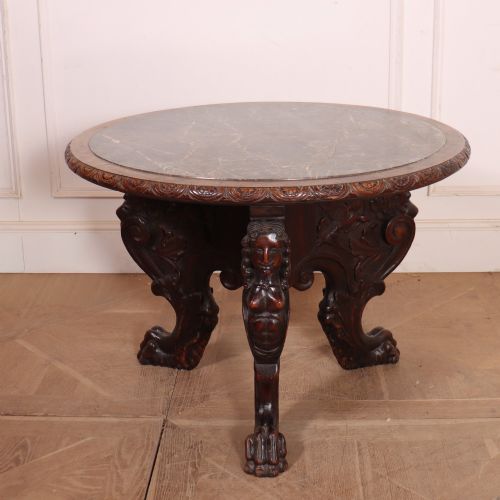
These carved figural side table examples bring sculpted human and animal forms into domestic spaces, offering both sturdy surfaces and striking sculptural presence.
Carved Figural Side Table
A carved figural side table incorporates sculpted human or animal figures directly into the structural support of the furniture. The search phrase covers functional furniture pieces that double as decorative sculptural works.
The selections on this page span the nineteenth century, Edwardian era, and the nineteen-thirties, showing varied global origins from Venetian workshops to Burma and Africa. Forms range from side tables and two-tier tiers to pedestals, plant stands, and table lamps.
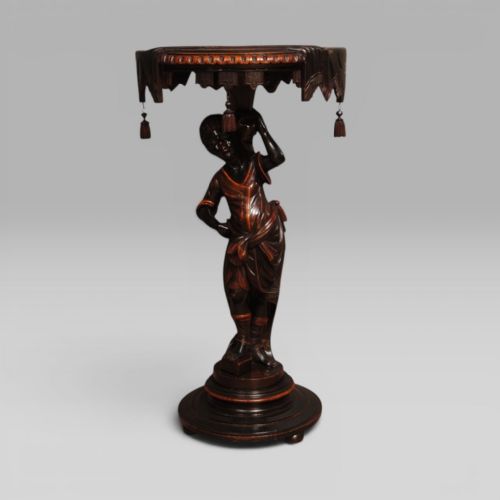
Makers drew on diverse design languages including Venetian Baroque, Victorian Gothic, French Neoclassical, and Anglo-Burmese traditions. Buyers encounter everything from polychromed Blackamoor figures to crouching figure stands and carved camel tables.
How they were made
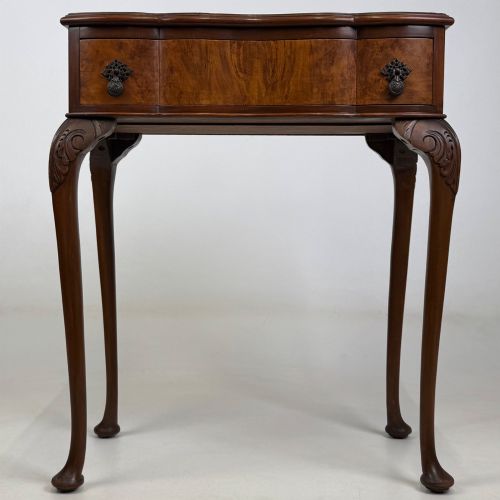
Artisans carved these works from various hardwoods and walnut, often applying polychrome finishes, gilt highlights, or brass components. Some examples incorporate marble surfaces or frosted glass elements.
Master woodcarvers shaped the structural figures by hand, ensuring the load-bearing portions maintained stability while rendering intricate anatomical and decorative details. Surface treatments like polychrome paint and gilding added rich visual depth to the carved wood.
Carved Figural Side Table Retail Price Guide 2026
Typical asking prices for carved figural side table among the pieces listed under this phrase on Sellingantiques today, from the lower quarter to the upper quarter. They describe what is for sale here now, not the wider market.
Carved camels serve tea from their backs in the Anglo Indian selections.
What varies in quality
The nuance of the carving separates standard production from superior artistry. Finer examples display meticulous attention to facial expressions, drapery folds, and anatomical proportions in the figural supports.
Material selection and surface preservation also define the hierarchy of these pieces. Original polychromy, intact gilding, and the choice of dense hardwoods like figured walnut elevate the overall execution.
The Carved Figural Side Table Glossary
- Blackamoor
- A decorative artistic tradition depicting figures from North or Sub-Saharan Africa, frequently rendered in carved and polychromed wood for furniture and stands. These figures often hold trays or support tabletops.
- Polychrome
- The practice of decorating architectural elements or sculptures in a variety of colours. This technique enhances the realism and decorative impact of carved wooden figures.
- Figured Walnut
- Walnut timber possessing an attractive, natural grain pattern caused by growth irregularities. Cabinetmakers prized this wood for its rich visual texture on tabletops and furniture surfaces.
- Pedestal
- An upright architectural support or stand used to elevate objects, plants, or lamps. In this context, pedestals often incorporate figural carving into their central columns.
Carved Figural Side Table: Frequently Asked Questions
Where should I place a figural side table?
These pieces function well in entrance halls, drawing rooms, or studies where their sculptural qualities can be viewed from multiple angles. They provide a functional surface for lamps or decorative objects while serving as a focal point.
Because the figural supports extend beyond standard furniture silhouettes, ensure adequate floor space surrounds the piece to showcase the carving properly.
How do I clean carved wooden tables?
Dust the carved surfaces regularly with a soft, dry brush to prevent accumulation in the intricate recesses. Avoid harsh chemical cleaners that might damage polychrome or gilt finishes.
Maintain stable room humidity to protect the timber and prevent any splitting in the detailed figural elements over time.
Are these tables sturdy enough for daily use?
Most pieces are built from dense hardwoods and solid walnut designed to support everyday items like lamps and books. The structural integrity depends heavily on the condition of the carved base.
It remains wise to avoid placing excessively heavy loads on tables with delicate figural legs or extended cantilevered elements.
How do I identify a Venetian style table?
Venetian pieces often feature ornate Baroque or revival motifs, frequently incorporating dramatic polychrome and gilt finishes on figures. The craftsmanship emphasises theatrical poses and rich surface decoration.
Comparing the facial detailing and costume elements against known nineteenth-century Venetian conventions helps confirm the regional origin.