




Decorative Pier Glass Mirror
A decorative pier glass mirror brings architectural light and French or Regency presence into a high-ceilinged room.
Decorative Pier Glass Mirror
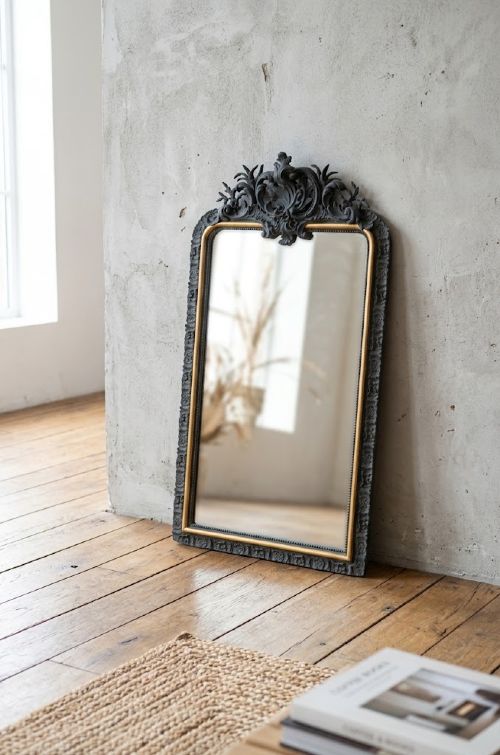
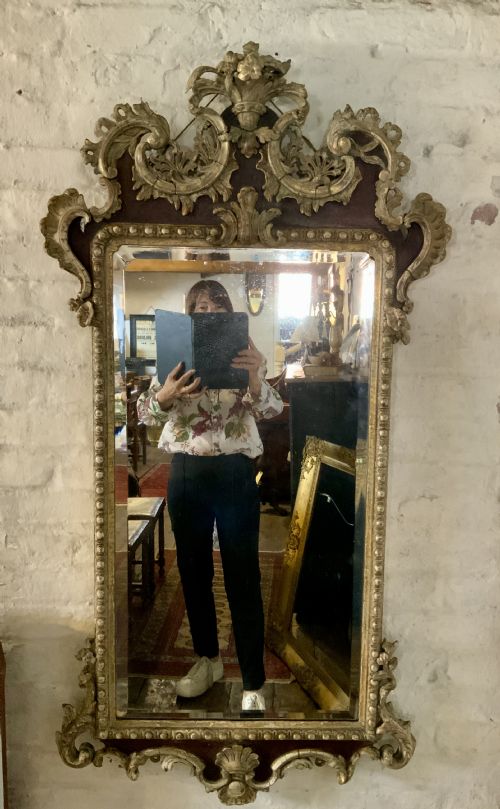
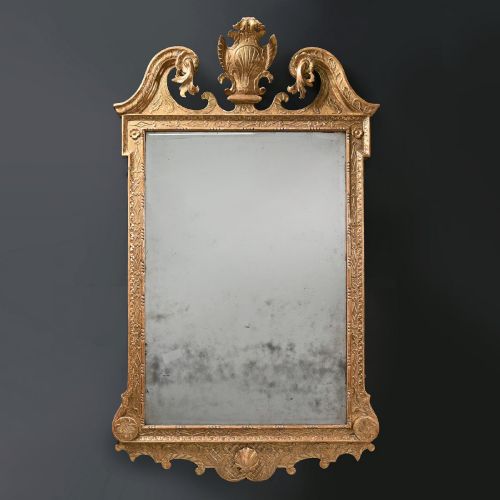
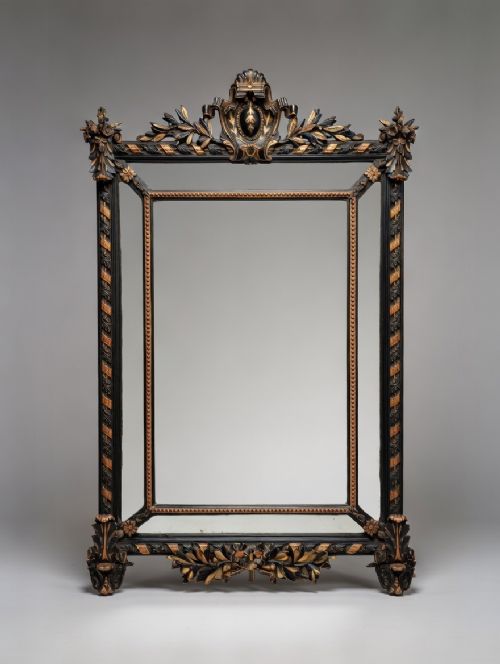
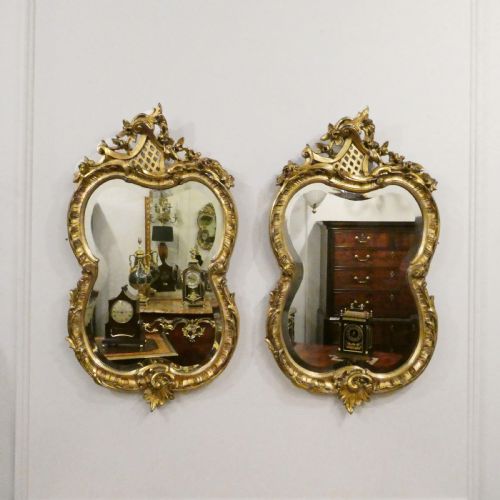
A decorative pier glass mirror is a tall, narrow wall-hanging glass designed specifically to hang on the wall space, or pier, between two windows. These pieces originate across the eighteenth and nineteenth centuries, spanning George II, Regency, Victorian, and continental European eras.
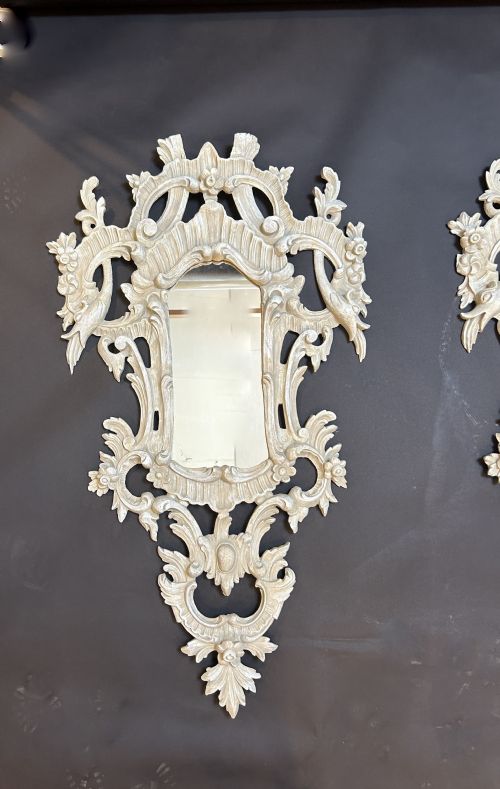
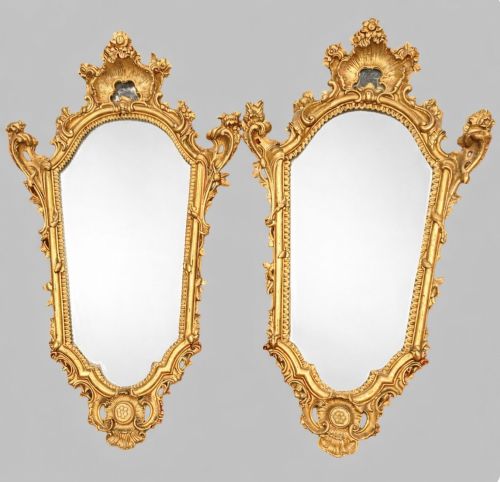
The form frequently incorporates carved wood frames, painted finishes, and sometimes an integrated console shelf underneath or an eglomise glass panel. Most examples found here date from the nineteenth century, reflecting French Empire, Rococo, and Italian decorative styles.
Materials and construction
Carpenters constructed the structural frames from timber such as walnut, oak, and pine, which provided a stable base for detailed ornamentation. Artisans then applied layers of gesso to the wood substrate to build up crisp relief carving before applying gold leaf, water gilding, or paint.
Reflective surfaces utilise silvered mirror glass, occasionally paired with eglomise reverse-painted glass panels or parcel-gilt highlights. The resulting combination balances structural timber work with bright reflective planes.
Listings feature eighteenth- and nineteenth-century pieces incorporating walnut, oak, gesso, and gold leaf across French, Italian, and English origins.
Assessing craftsmanship and finish
Quality rests in the depth and sharpness of the hand-carved gesso work on the wooden frame, where crisp acanthus leaves and moulded motifs distinguish finer pieces from simpler ones. The integrity of the original gilding or hand-painted finish dictates the visual impact of the surface.
Proportions also govern the standard of the piece, with tall, narrow mirrors designed to match specific architectural wall spaces showing balanced harmony between the frame and the mirror glass.
The Decorative Pier Glass Mirror Glossary
- Pier glass
- A tall mirror designed to fit on the narrow wall between windows. These pieces often feature vertical proportions to reflect light back into the room.
- Gesso
- A plaster mixture applied to wood frames and carved into relief ornamentation. It serves as a smooth base for subsequent gilding or paint.
- Eglomise
- A technique involving cold painting and gilding on the rear face of glass. It produces a reflective panel with decorative motifs set behind the transparent surface.
- Parcel-gilt
- A finish where portions of an object are gilded with gold leaf while other areas show painted wood or exposed walnut. This creates contrast across the carved details.
- Trumeau
- A decorative wall panel incorporating a painted scene or mirror glass within architectural woodwork. These pieces originate largely from French interior design traditions.
Decorative Pier Glass Mirror: Frequently Asked Questions
Where should I hang a pier glass mirror?
These mirrors suit narrow wall spaces, particularly the wall partition situated between two tall windows. Their vertical format draws the eye upward and distributes natural light across the interior.
Alternatively, they function effectively above console tables or mantelpieces where tall proportions complement high ceilings.
How do I identify a Regency pier mirror?
Regency pieces often display classical motifs such as acanthus leaf friezes, columns, and gilt frames with precise architectural lines. The proportions remain balanced and reflect early nineteenth-century neoclassical influence.
Makers of this period favored water gilding and structured rectangular formats designed to maximise interior illumination.
What is an eglomise panel?
An eglomise panel is a decorative section of glass featuring hand-painted or gilt designs applied to the reverse side. This technique produces a subtle, reflective artwork integrated into the upper section of the mirror frame.
Such panels appear frequently on nineteenth-century continental and English wall mirrors.
Are these mirrors suitable for modern interiors?
The tall, vertical dimensions of these pieces allow them to fit into contemporary hallways, living rooms, and bedrooms without occupying excessive floor space. Their giltwood and painted surfaces introduce texture and historical craftsmanship to neutral walls.
Pairing a antique mirror with a modern console table creates a deliberate contrast in styles.