
Large Gilt Crest Mirror
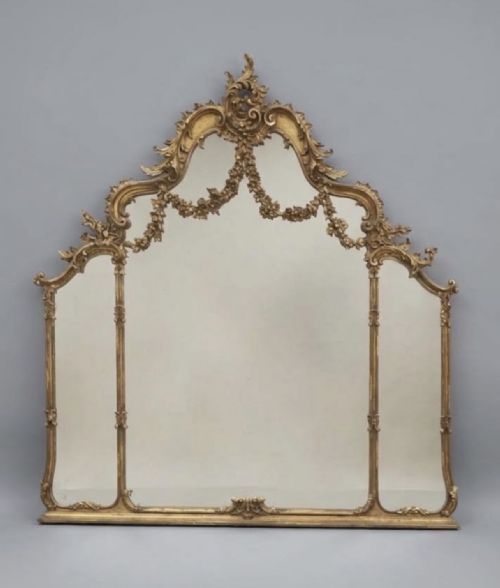
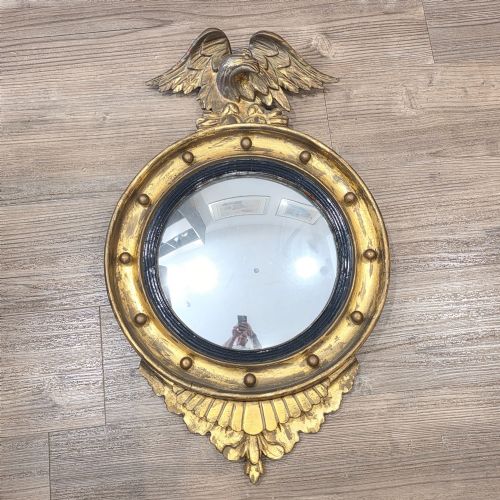
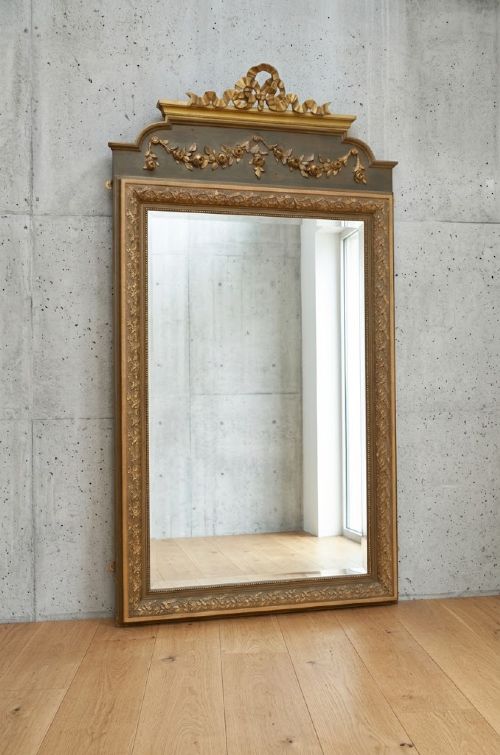
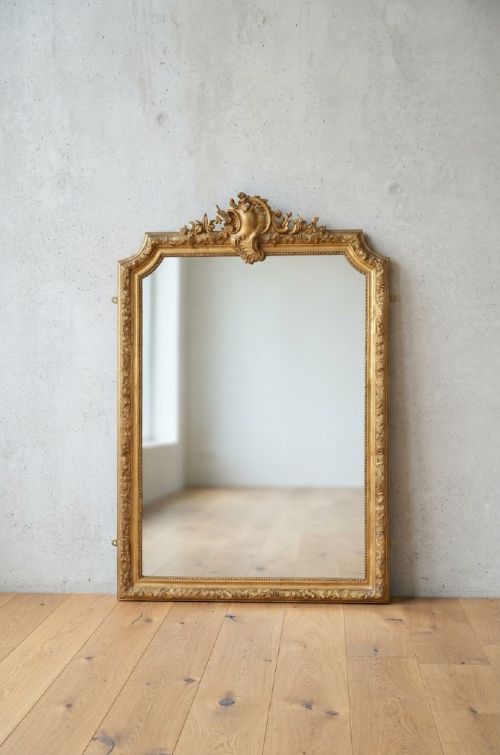
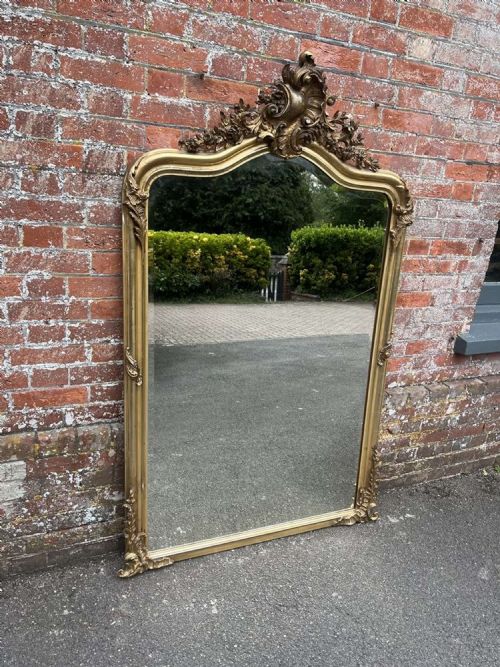
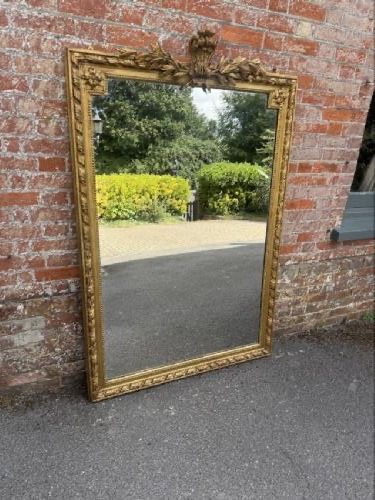
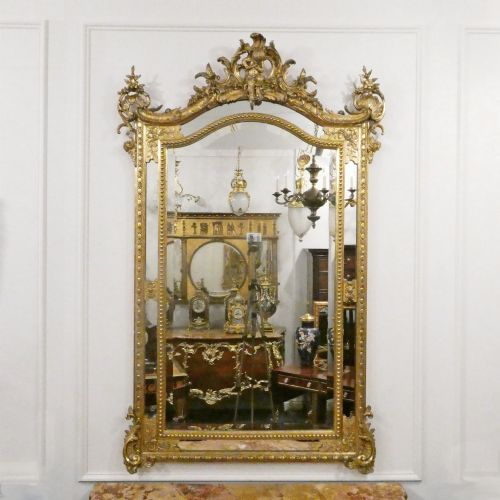
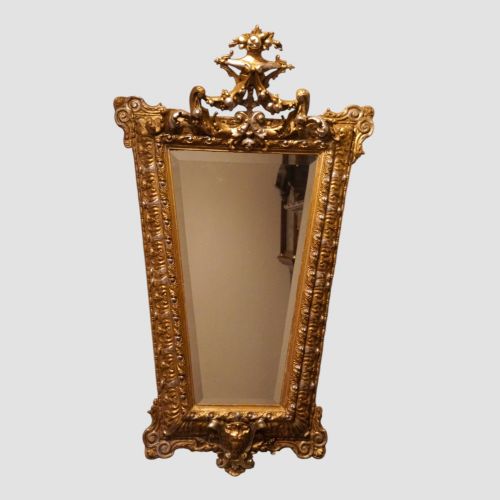
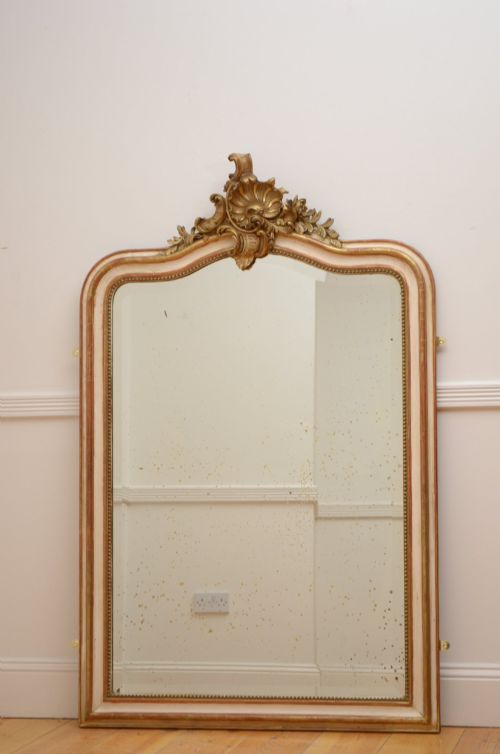
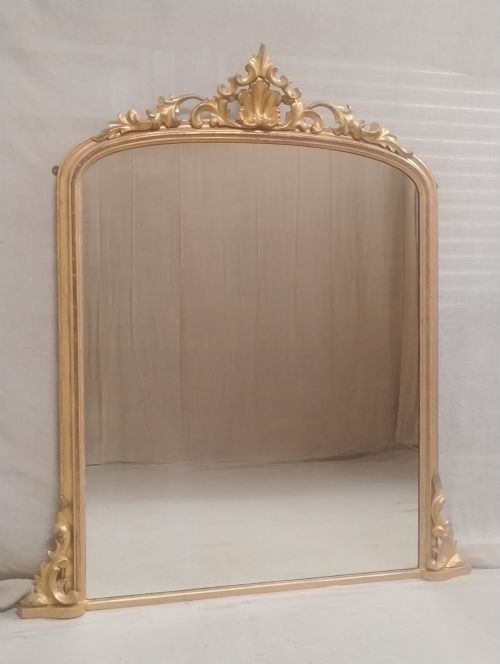
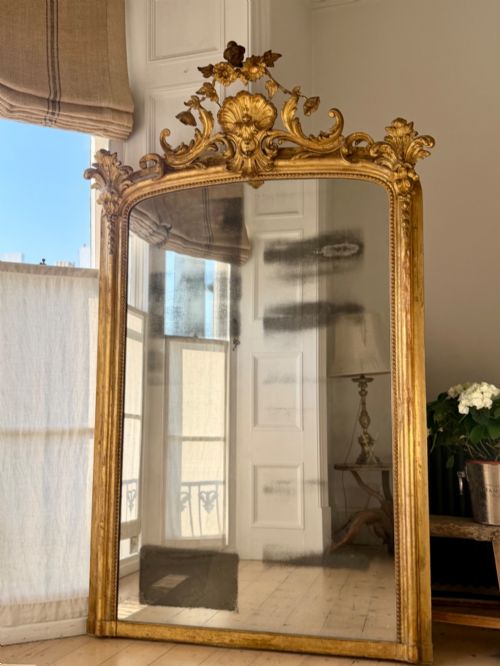
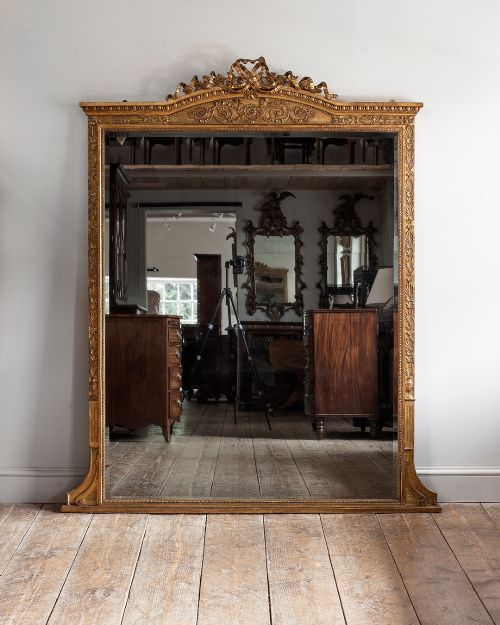
When you search for a large gilt crest mirror, you find imposing wall and overmantel pieces defined by elaborate crestings and gleaming gilded surfaces.
Large Gilt Crest Mirror
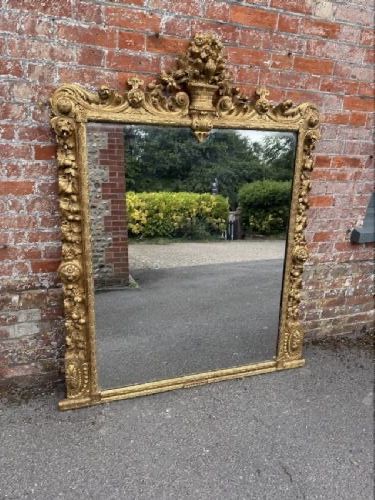
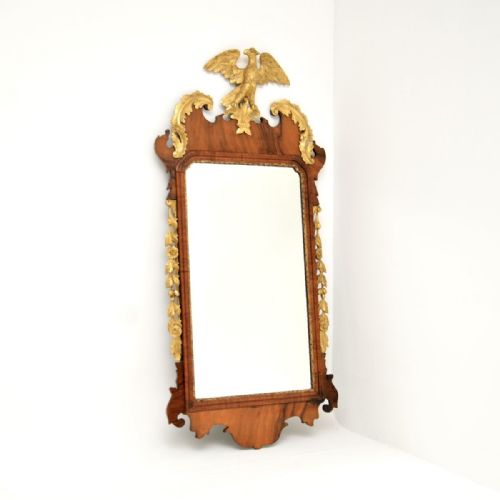
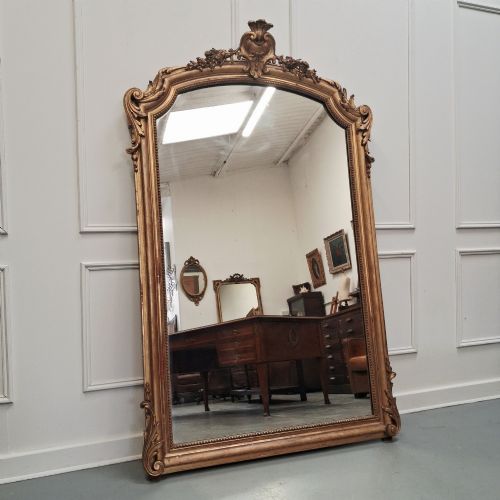
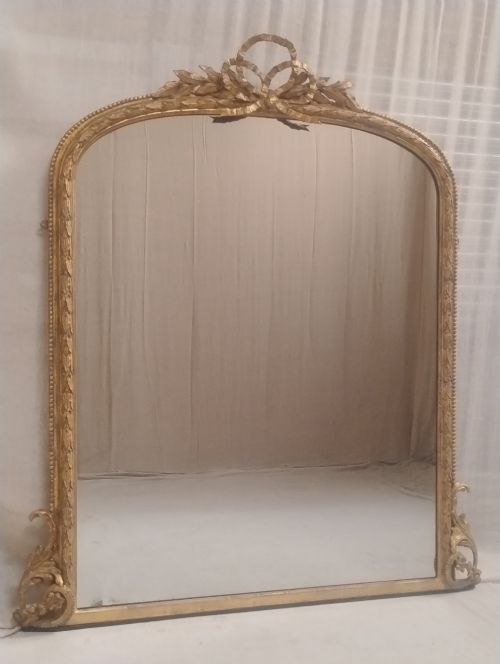
A large gilt crest mirror commands attention in a room, serving as a focal point above mantelpieces, console tables, or along grand hallway walls. When searching for a large gilt crest mirror, buyers encounter numerous 19th-century French and English examples featuring ornate crestings such as cherubs, spread eagles, urns, and cartouches.
The form spans distinct stylistic revivals including Rococo, Louis XVI, and Regency, with overarching roots in 18th-century design. Overmantel mirrors and tall pier glasses dominate the selection, frequently displaying shaped, arched, or curved tops designed to draw the eye upward.
Many items originate from French chateaux or grand English townhouses, bringing substantial scale and decorative presence to domestic interiors. Original mercury glass and foxed plates appear alongside bevelled replacements, grounding the aesthetic in authentic period craftsmanship.
Materials and Construction
Carved wooden frameworks provide the structural foundation for these pieces, utilising timber substrates such as mahogany or softwoods beneath applied decorative layers. Artisans built up intricate relief ornaments using gesso, a plaster-like mixture sculpted or pressed into moulds before mounting to the frame.
Gold leaf or silver leaf was painstakingly applied over a coloured bole base, then burnished to achieve a brilliant metallic sheen that catches ambient light. Traditional joining techniques, hand-carved detailing, and foundational gesso work define the physical integrity of these antique surfaces.
Listings feature periods spanning the 18th century, Regency era, and Victorian epochs alongside diverse French chateau and revival styles.
Distinctions in Quality
The quality of the gilding and the preservation of the original mirror plate heavily influence the character of the object. Hand-applied gold leaf aged with subtle patination demonstrates a higher standard of original manufacture than later chemical refinishing.
The Large Gilt Crest Mirror Glossary
- Gesso
- A prepared mixture of chalk, gypsum, and glue used as a base for moulding intricate low-relief ornamentation onto wooden frames before gilding.
- Overmantel mirror
- A wide horizontal looking-glass specifically designed to be hung directly above a fireplace mantelpiece.
- Pier mirror
- A tall, narrow looking-glass made to fit the wall space between windows or doors, frequently reflecting natural light into darker rooms.
- Foxed glass
- Mirror plate displaying characteristic dark spots and soft speckling caused by the degradation of the backing reflective coating over centuries.
- Cartouche
- An ornamental oval or oblong frame resembling a rolled-up scroll, often centred on the crest of a mirror for decorative emphasis.
Large Gilt Crest Mirror: Frequently Asked Questions
Where should I hang a large gilt crest mirror?
These commanding looking-glasses excel when positioned centrally above a living room fireplace or serving as a grand anchor in an entrance hallway. Their significant height and reflective qualities amplify natural daylight and expand the visual boundaries of the surrounding space.
Ensure the wall structure securely supports the substantial weight of carved wood and gesso frames. Professional mirror fixings or heavy-duty wall brackets rated for antique furniture are essential for safe installation.
How do I care for antique giltwood surfaces?
Dust the intricate carved crestings and gilded frames gently using a very soft, dry brush or feather duster to prevent particulate buildup. Avoid all liquid cleaners, chemical polishes, and abrasive cloths, which strip away delicate gold leaf and historical patination.
Keep the mirror away from direct sunlight and damp environments to protect the underlying gesso and wooden substrate from warping or cracking. Stable room temperatures preserve both the structural integrity of the frame and the silvering behind the glass.
How can I tell a French antique mirror from an English one?
French pieces from the nineteenth century frequently embrace exuberant motifs like reclining putti, torches, quivers, and elaborate rocaille scrollwork reflecting Chateau aesthetics. The frames often utilise gesso-heavy construction on softer woods with shaped or arched crests. Crest mirrors from England lean toward architectural symmetry, classical urns, swags, and mahogany framing influenced by Chippendale, Adam, or Regency design principles. Examining the timber species and carving style usually reveals the regional workshop tradition.
What does foxed glass mean?
Foxed glass refers to original mirror plates showing speckled oxidation, dark spots, and a cloudy patina resulting from age. This natural ageing process creates a moody, atmospheric reflection cherished by collectors for its undeniable authenticity. Replacement plates with a clean, modern reflection appear in some restored examples, but historical foxing remains a primary indicator of genuine period manufacture.