



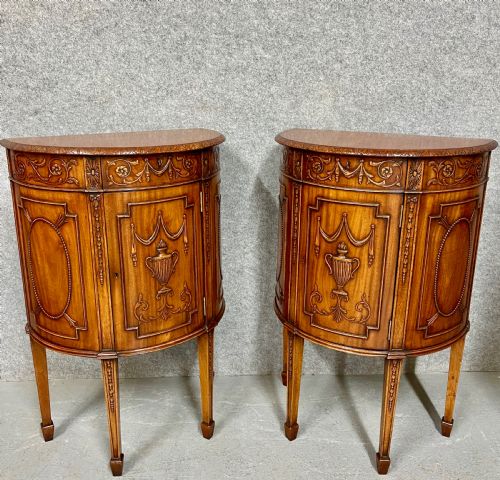

Decorative Pair Bedside Tables
These decorative pair bedside tables bring matched symmetry and period character to a bedroom, offering both practical surface space and distinct historical charm.
Decorative Pair Bedside Tables
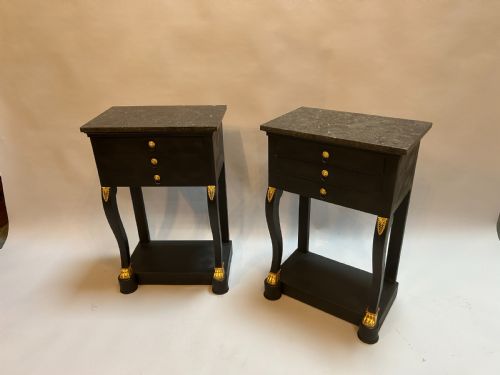
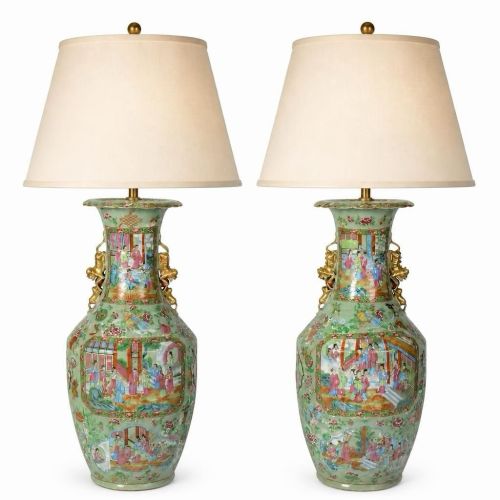
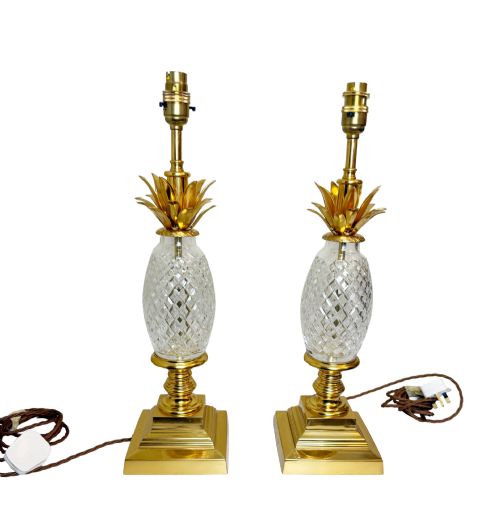
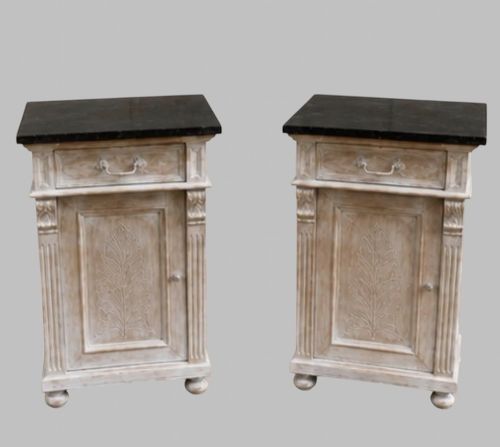
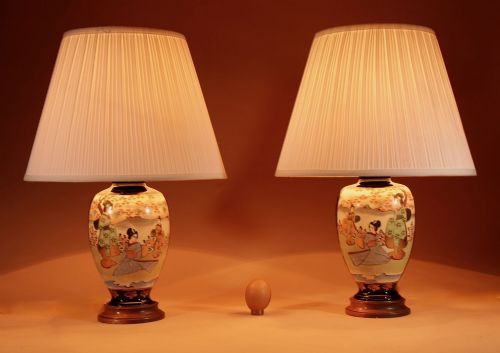
When searching for decorative pair bedside tables, buyers encounter matched sets originating primarily from the nineteenth and early twentieth centuries. These pieces encompass functional bedside cabinets, chests of drawers, and console side cabinets designed to sit symmetrically on either side of a bed.
Materials and construction methods
Construction relies heavily on traditional woodworking techniques utilising timber for the core bodies of bedside tables, cabinets, and chests. Many examples incorporate painted surfaces, carved wood details, or marble tops.
Metal components also appear frequently, with brass, gilt bronze, and ormolu integrated into mounts, hardware, and structural elements of the period pieces.
Decorative Pair Bedside Tables Retail Price Guide 2026
Typical asking prices for decorative pair bedside tables among the pieces listed under this phrase on Sellingantiques today, from the lower quarter to the upper quarter. They describe what is for sale here now, not the wider market.
Every bedside deserves a matched double act, because one table is merely lonely while two make a proper pair.
Assessing quality in matched pairs
Quality in these pieces rests upon the precision of the construction, the crispness of any carved or cast decorative details, and the integrity of the materials used. Superior examples display harmonious proportions and careful matching between the two items.
The execution of surface finishes, whether painted decoration, polished wood, or applied metal ornamentation, distinguishes finer workshops from standard production.
The Decorative Pair Bedside Tables Glossary
- Bedside cabinet
- A small enclosed piece of furniture designed for bedside storage, usually featuring a door or drawers. These items provide concealed storage space next to the bed.
- French Empire
- A neoclassical design style originating in nineteenth-century France, characterised by classical motifs and formal symmetry. Such pieces often incorporate rich bronze mounts.
- Adam style
- An eighteenth-century neoclassical style revived in later decorative pieces, noted for restrained classical ornamentation and elegant proportions. Consoles and cabinets from this tradition offer a lighter aesthetic.
- Console cabinet
- A side table or small cabinet designed to stand against a wall, frequently featuring decorative fronts and compact dimensions. They serve as functional surface furniture in bedrooms and hallways.
Decorative Pair Bedside Tables: Frequently Asked Questions
How do I match these tables with modern beds?
Selecting a pair with neutral painted finishes or classic wood tones helps bridge historical pieces with contemporary bedroom interiors. Matching the height of the table surface to the mattress level ensures practical daily use.
Considering the scale of the room alongside the footprint of the cabinets prevents overcrowding the bedside space.
Are these cabinets suitable for small bedrooms?
Compact forms such as diminutive console side cabinets or narrow bedside chests fit well into restricted spaces while maintaining symmetry. Measuring the available floor space beside the bed frame confirms a comfortable fit.
Choosing designs with doors rather than open shelves can also help keep smaller bedrooms visually uncluttered.
What distinguishes Victorian bedside furniture?
Victorian pieces often feature substantial timber construction, decorative carving, and traditional hardware reflecting nineteenth-century craftsmanship. These items frequently prioritise solid utility alongside decorative presence.
Examining the interior construction and drawer joints helps identify the period manufacturing methods used by makers.
How do I care for antique wood and marble surfaces?
Regular dusting with a soft, dry cloth preserves wooden finishes without building up moisture or residue. Using coasters protects marble and wood tops from liquid rings and heat marks.
Avoiding placement in direct sunlight prevents fading on painted and polished surfaces over time.