





English Painted Chest Drawers
An English painted chest drawers brings character and colour to a room through centuries of decorative finishes.
English Painted Chest Drawers
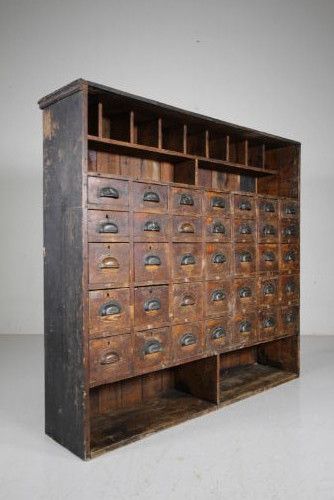
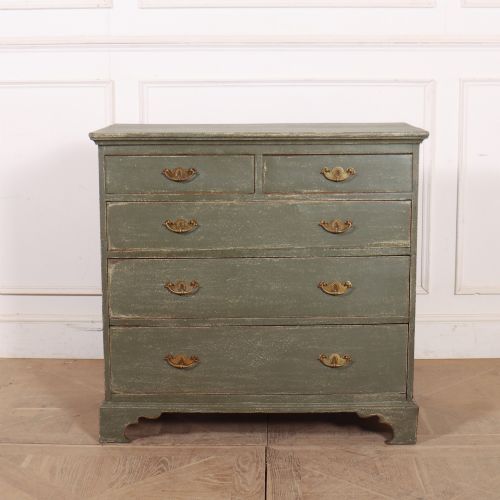
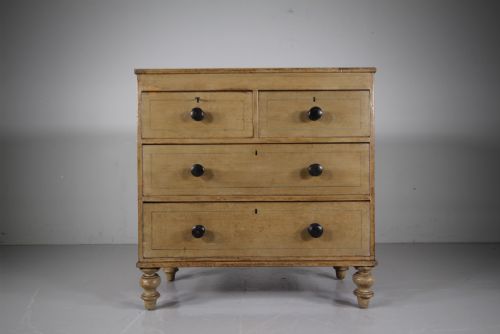
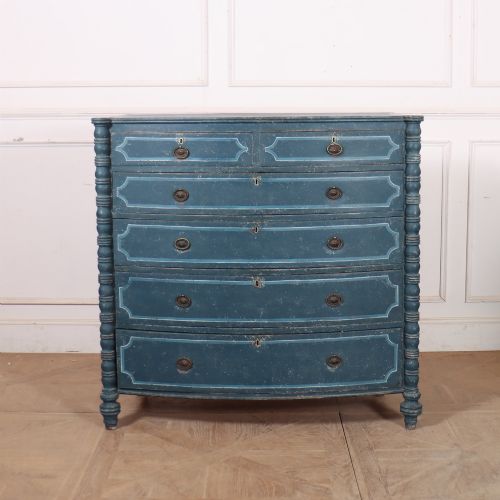
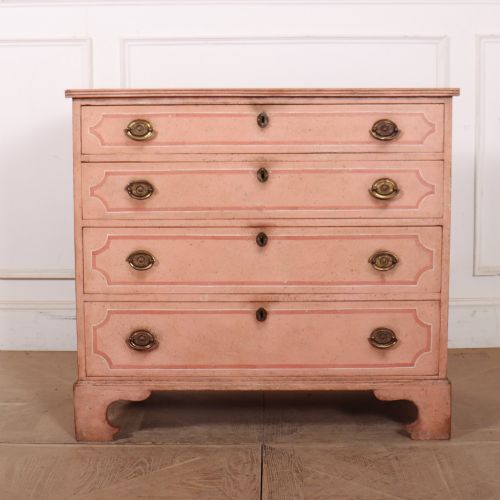
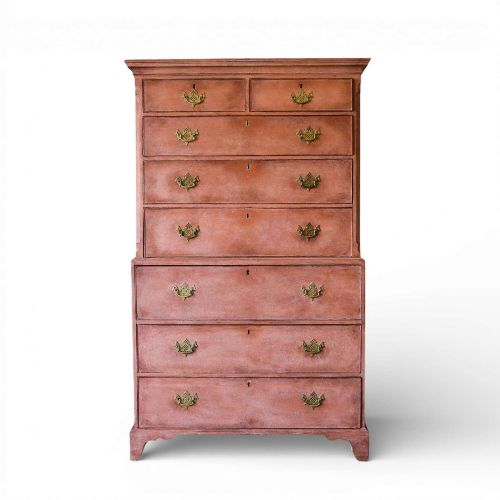
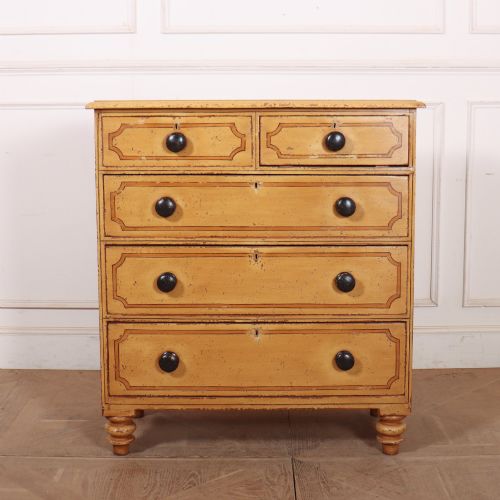
When you search for an english painted chest drawers, you encounter storage furniture spanning the eighteenth, nineteenth, and early twentieth centuries. These pieces encompass forms such as standard chests of drawers, bowfront chests, tall chests on chests, and banks of drawers, originating from provincial workshops as well as larger houses.
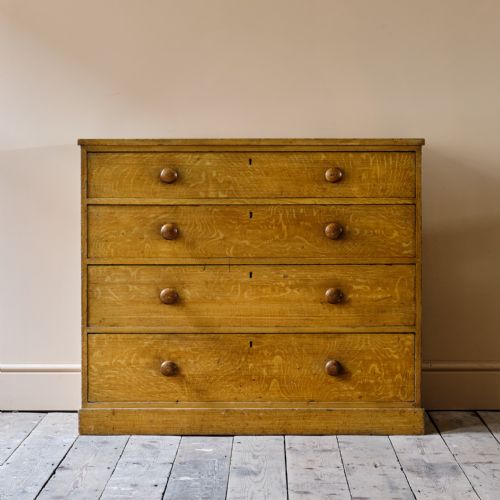
The version you meet most frequently on this page is the nineteenth-century pine chest finished in original paint, often reflecting country house taste or regional English country style. Alongside these stand sophisticated Georgian and Regency examples featuring decorative schemes like Chinoiserie and Japanning.
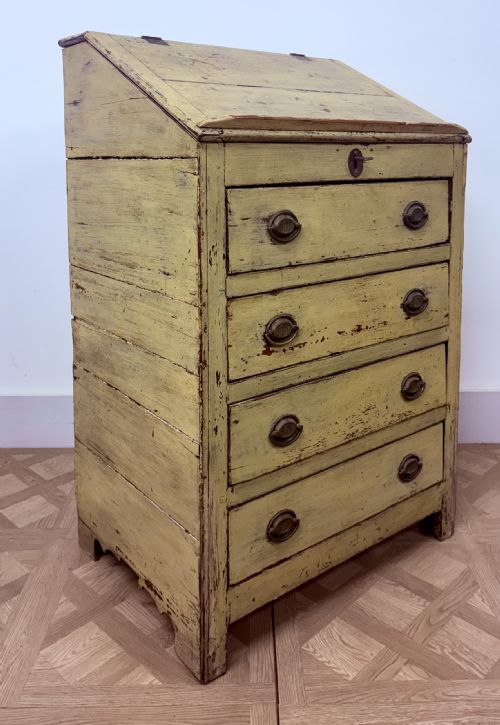
Beyond traditional chests, the selection broadens to include related forms sharing the same painted treatment, such as bureaux, sideboards, bedside cabinets, and small table cabinets. Each piece displays the distinct decorative vernacular of its period, from simple scumble glazes to intricate penwork.
Materials and construction
Carpenters primarily used timber such as pine and mahogany to construct the carcase and drawer structures, often joining panels with traditional dovetailed joints. Metal hardware including brass handles and escutcheons punctuate the facades.
Surface decoration relies on layers of paint, lacquer, and simulated finishes applied directly to the timber. Artisans utilised techniques like scumble painting to create faux wood grains or applied delicate hand-painted motifs and penwork.
Protection and sheen came from varnishes or clear coatings sealing the pigments. These finishes interact with the wood beneath over decades, creating the patinated surfaces visible today.
English Painted Chest Drawers Retail Price Guide 2026
Typical asking prices for english painted chest drawers among the pieces listed under this phrase on Sellingantiques today, from the lower quarter to the upper quarter. They describe what is for sale here now, not the wider market.
Form variations range from standard chests and bowfront commodes to specialised pieces like spice cupboards, workstations, and banks of drawers.
Evaluating quality and condition
The distinction between ordinary and exceptional examples rests upon the integrity of the original surface and the sophistication of the decorative scheme. Pieces retaining their untouched period paintwork and authentic brass hardware command greater attention than those with later repainting.
Construction standards further separate the tiers, visible in the fine dovetailing of drawers, the stability of the timber carcase, and the balanced proportions of architectural mouldings. Finer work appears in specialised finishes like japanning, penwork, or detailed Chinoiserie scenes rather than simple flat coats.
The English Painted Chest Drawers Glossary
- Scumble paint
- A translucent glaze manipulated with combs, rags, or brushes to imitate finer woods or create textured patterns. This technique appears frequently on country house furniture.
- Bowfront
- A curved cabinet front that swells outward in the centre, softening the geometric lines of a standard chest. It gained popularity during the Georgian and Regency periods.
- Japanning
- A European imitation of East Asian lacquerwork involving layered varnishes and raised metallic decorations. Artisans applied this finish to fashionable cabinets and bureaus.
- Penwork
- Detailed decoration executed with fine ink lines, often creating intricate geometric or pictorial designs on light wood surfaces. It requires steady precision from the maker.
- Chest on chest
- A tall storage unit comprising one chest stacked directly upon a larger lower section, providing substantial capacity. These often date from the eighteenth century.
English Painted Chest Drawers: Frequently Asked Questions
How do I spot original paint?
Examine the surface under natural light for craquelure, wear patterns, and integration with the underlying timber. Original finishes typically show consistent ageing and subtle softening around frequent touch points.
Look closely at corners and drawer edges where later coats might pool or contrast with older layers beneath. The presence of authentic wear provides strong evidence of period authenticity.
What is a scumble finish?
A scumble finish involves dragging or manipulating a tinted glaze over a lighter base coat to simulate grain patterns or create mottled textures. Painters used this method to elevate plain woods like pine.
This technique produced durable, decorative surfaces popular in provincial settings and country houses throughout the nineteenth century.
How do I care for painted wood?
Keep painted furniture away from direct sunlight and fluctuating heat sources to prevent the wood from expanding and the paint from flaking. Dust gently with a dry, soft cloth.
Avoid chemical polishes or modern cleaning sprays that can soften historic varnish and lift fragile pigments from the timber substrate.
What distinguishes Georgian from Victorian pieces?
Georgian pieces often feature formal classical proportions, refined mahogany construction, and restrained decorative elements like fine brasses. They reflect an ordered, symmetrical design ethos.
Victorian items frequently embrace broader utility, utilising pine timbers, bolder country house scumble paints, and varied industrial or regional styles that prioritize robust character.