

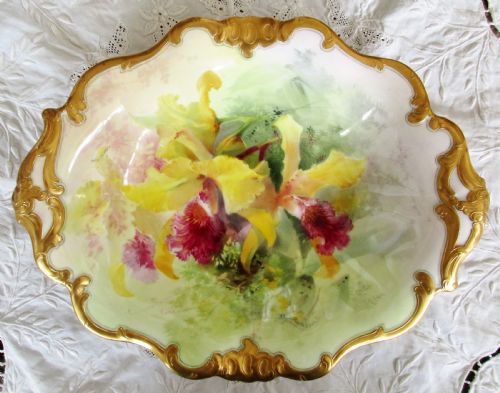
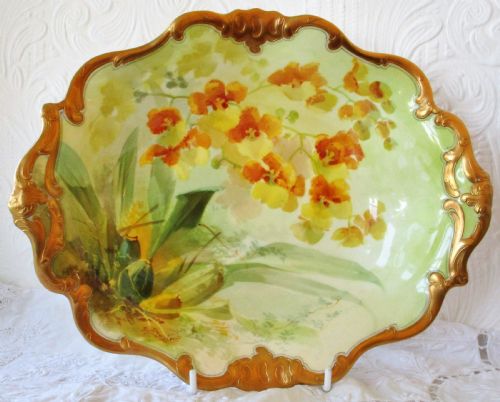


Decorative Painted China Bowl
These decorative painted china bowl examples bring hand-painted artistry and rich global traditions straight into your interior.
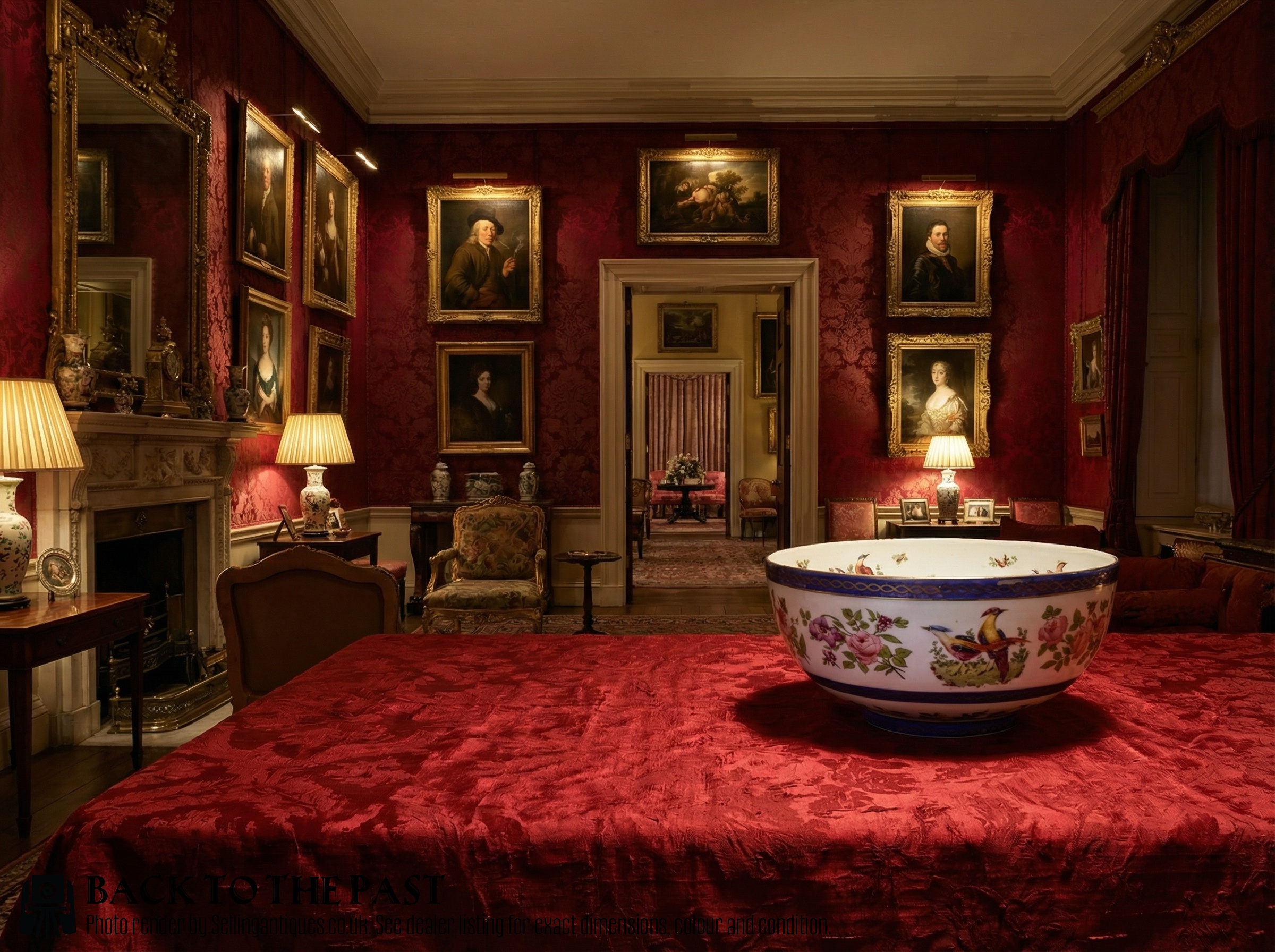
Decorative Painted China Bowl
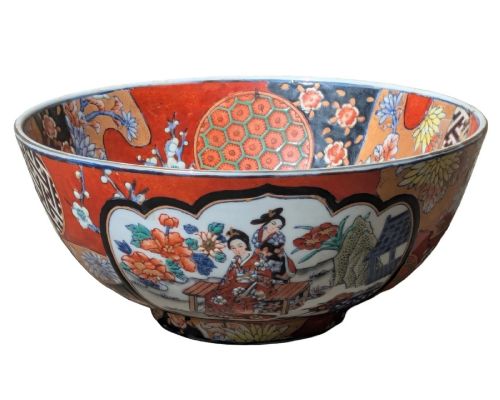
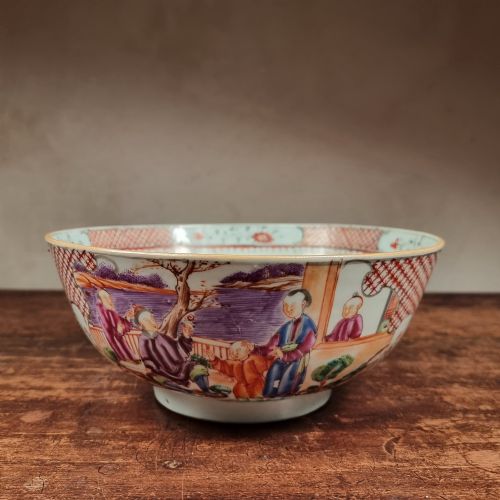
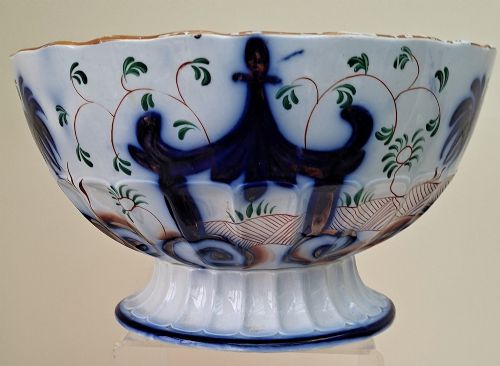
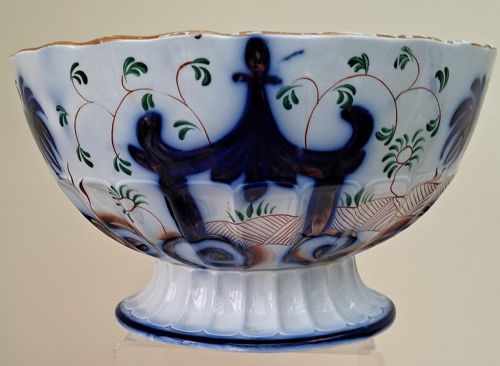
A decorative painted china bowl encompasses porcelain, ironstone, and earthenware vessels adorned with hand-painted motifs, stretching across centuries of production from English factories to Asian kilns. When searching for a decorative painted china bowl, buyers encounter everything from Georgian felspar porcelain dishes and Victorian footed bowls to twentieth-century cabinet pieces.
The selection here includes diverse forms such as deep punch bowls, porringers, scalloped edge vessels, and cabinet dishes. Makers utilised vibrant enamels and rich gilding to ornament these surfaces, creating functional tableware destined primarily for display.
Pieces span a broad chronological range, incorporating eighteenth-century Chelsea examples, nineteenth-century Japanese Imari exports, and early twentieth-century Royal Worcester fruit-painted porcelain. This mix offers collectors deep historical variety within a single category of ceramic art.
Materials and methods
Potters shaped these vessels from refined porcelain, ironstone, and earthenware bodies, often applying an opaque glaze before surface decoration. Kiln firing fixed the ceramic body and underglaze elements prior to subsequent enamel painting.
Artisans applied polychrome enamels by hand, sometimes incorporating gold leaf, heavy gilding, and intricate penwork. Repeated low-temperature firings bonded the painted details and metallic highlights to the glazed surface.
Several bowls sport hand-painted orchids and pheasants, proving that nineteenth-century ceramic artists preferred feathers to flowers on Tuesdays.
Markers of distinction
The sophistication of the hand-painted brushwork dictates much of the visual merit, distinguishing freely rendered botanical studies or complex Japanese Imari patterns from simpler production work. Finer specimens display crisp outlines, well-judged colour palettes, and precise enamel control.
The application and preservation of gilding also separate standard wares from superior pieces, particularly where burnished gold leaf highlights moulded porcelain details. Furthermore, the translucency and weight of the underlying ceramic body reflect the raw materials and skill invested at the bench.
Royal Doulton·Royal Worcester·Mason·Samson·Spode
The Decorative Painted China Bowl Glossary
- Porcelain
- A hard, fine-grained ceramic material fired at high temperatures until vitrified and translucent. It forms the primary white body for many fine cabinet dishes and bowls.
- Enamel
- Opaque coloured glass fused to the ceramic surface during secondary low-temperature firings. It provides the vivid palette seen in floral and figural motifs.
- Gilding
- The application of gold leaf or powdered gold to ceramic surfaces for decorative accent. It often highlights rims, handles, and painted borders.
- Imari
- A traditional Japanese style of porcelain decoration characterised by underglaze blue, iron red, and gilt highlights. Pieces originating from this tradition often feature dense panel designs.
- Ironstone
- A heavy, durable type of earthenware patented in the nineteenth century. It offers robust utility while accepting bright enamel painting.
Decorative Painted China Bowl: Frequently Asked Questions
Are these bowls safe for serving food?
While many historical pieces started as utilitarian tableware, older enamels and certain glazes can contain trace metals. It is generally safer to treat antique and vintage painted bowls as decorative cabinet items rather than everyday dining ware.
Displaying them on stands or within cabinets also prevents accidental chipping of fragile porcelain edges.
How can I date my ceramic bowl?
Examine the base for factory backstamps, impressed marks, and painter signatures that correspond to known manufacturing periods. The style of the painted decoration, the type of ceramic body, and manufacturing traits like foot rim finish also offer chronological clues.
Comparing the motifs to documented examples from factories such as Royal Worcester or nineteenth-century Japanese kilns helps narrow the decade of origin.
What is the difference between porcelain and ironstone?
Porcelain is fired at much higher temperatures, resulting in a vitreous, non-porous body that often exhibits translucency when held to the light. It tends to be finer and more resonant when tapped.
Ironstone is a dense, opaque earthenware developed for durability, presenting a heavier substance that resists chipping better than delicate porcelain.