


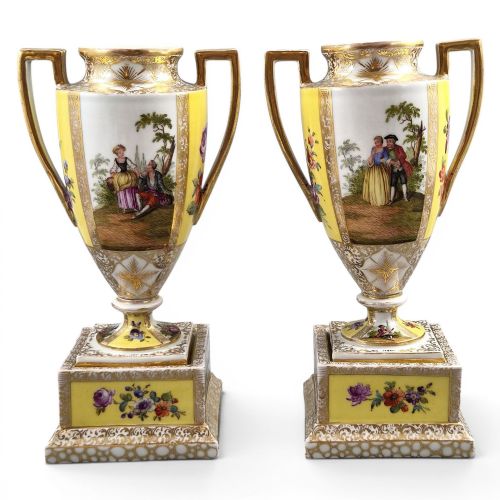
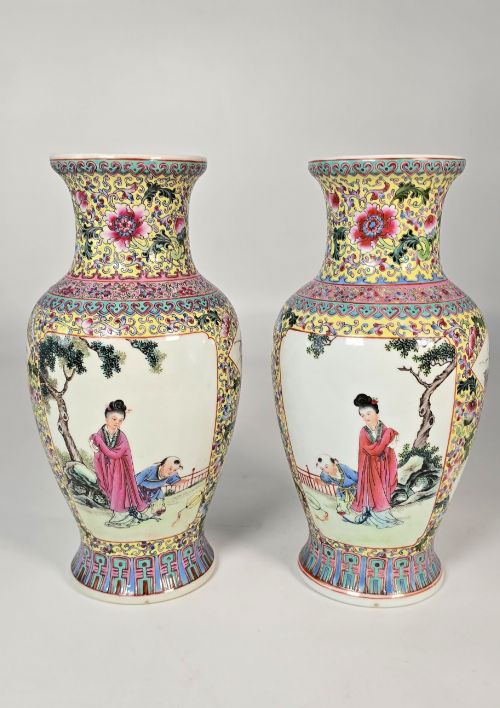
Decorative Painted Ceramic Vase
A decorative painted ceramic vase brings colour and craftsmanship to a room, drawing the eye with hand-painted detail and rich glaze.
Decorative Painted Ceramic Vase
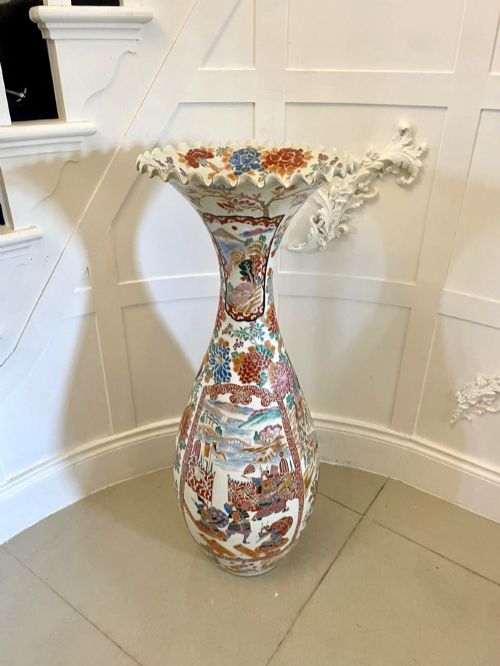
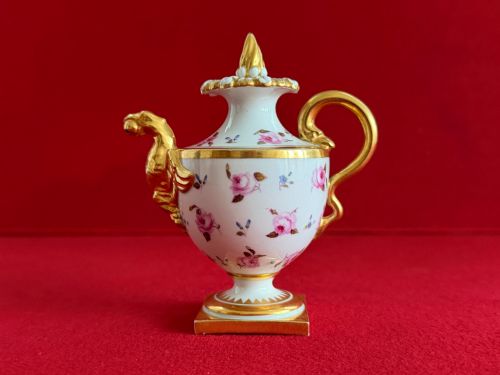
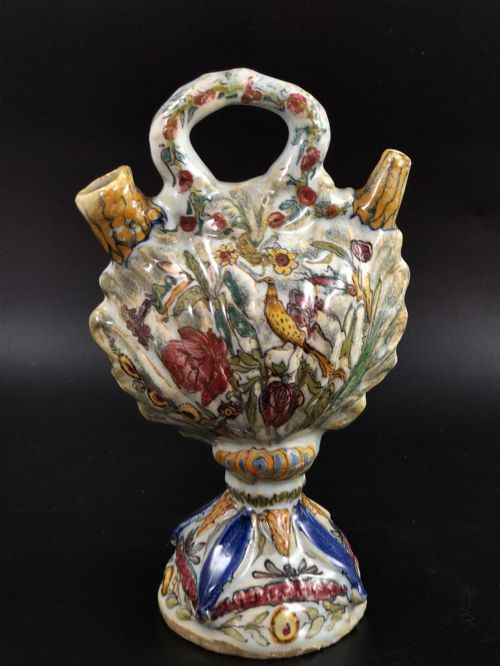
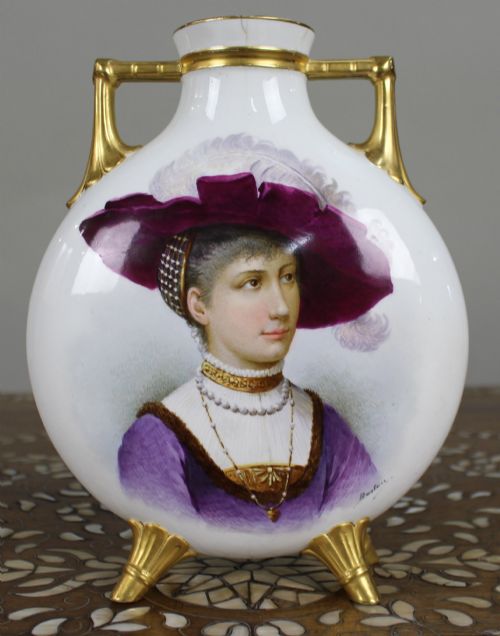
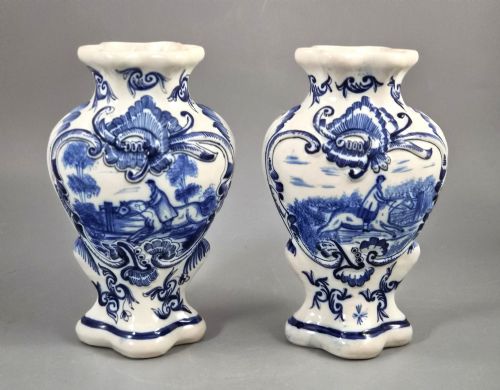
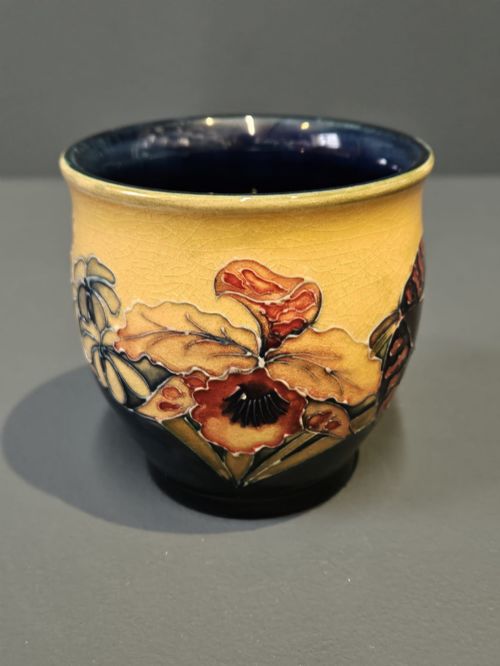
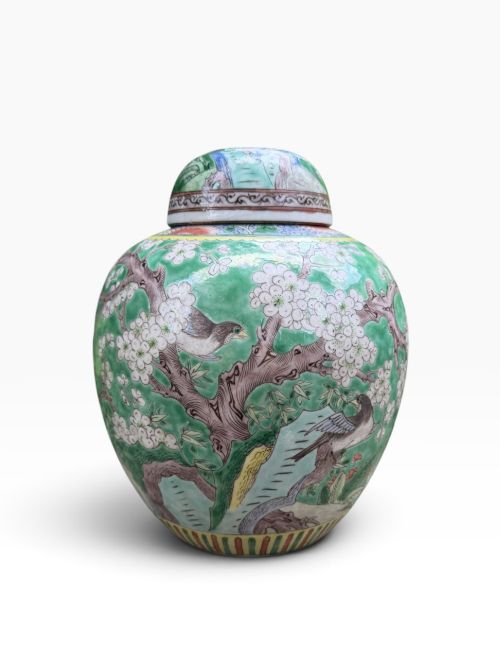
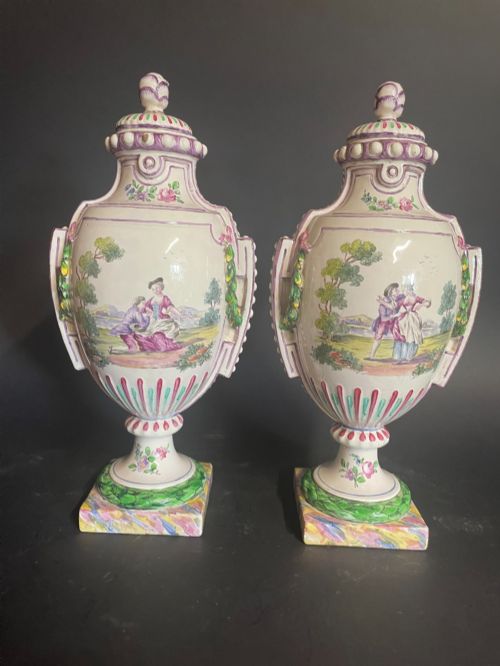
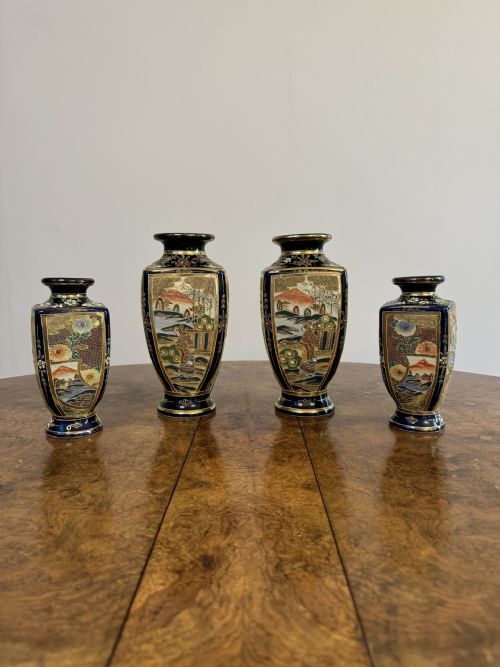
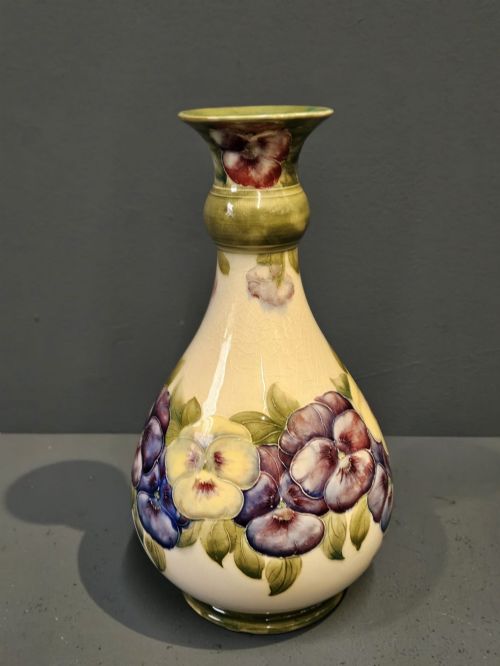
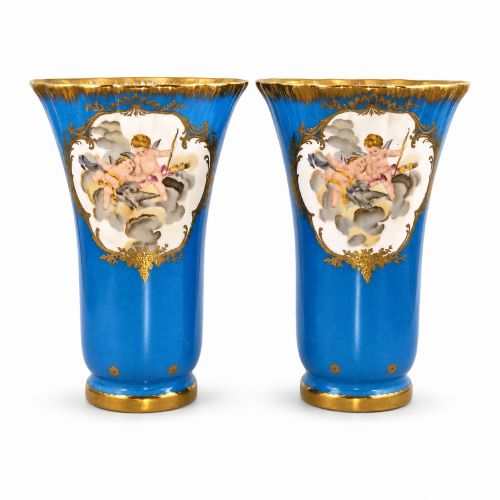
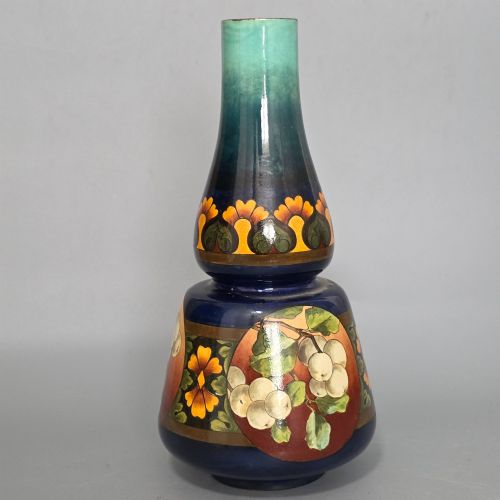
A decorative painted ceramic vase encompasses various forms, from tall floor-standing vessels and ginger jars to slender flasks and campagna urns. When exploring a decorative painted ceramic vase, buyers encounter items produced across the eighteenth, nineteenth, and early twentieth centuries in European potteries and Asian workshops.
The selection ranges from Japanese Imari and Satsuma wares to English porcelain by Worcester and Coalport, alongside French faience and Austrian earthenware. Pieces often arrive in pairs or garnitures, displaying diverse regional motifs from floral sprays to figural scenes.
How they were made
Potters shaped ceramic, porcelain, earthenware, and faience on the wheel or in moulds before applying glazes and hand-painted pigments. Many works incorporated enamel, gold leaf, and gilt to accentuate raised details and intricate borders.
Firing techniques varied according to the body, with earthenware requiring lower temperatures and porcelain demanding intense heat to achieve a vitrified finish. Skilled artists then added hand-brushed enamel scenes, sometimes signing their work before a final fixing kiln run.
Parrots, dolphins, and scallop shells all take turns doubling as ceramic handles.
What varies in quality
The quality of a painted ceramic vessel rests on the precision of the brushwork and the depth of the glaze. Master painters executed intricate botanical studies and figural vignettes with remarkable control, whereas lesser examples display hurried strokes and muddy colour separation.
The purity of the porcelain body and the crispness of moulded or applied relief elements further distinguish superior production. Pieces bearing the marks of established manufactories or named artists often demonstrate greater refinement in design and firing outcome.
Flight, Barr and Barr·Barr, Flight and Barr·Fourmaintraux-Courquin·Moorcroft McIntyre·Helena Wolfsohn·Doulton Lambeth·Reissner, Stellmacher and Kessel·Royal Worcester·Coalport·Minton·Gallilleo Chini
The Decorative Painted Ceramic Vase Glossary
- Faience
- Tin-glazed earthenware produced in Europe, noted for its opaque white surface which accepted painted decoration directly before firing. This technique allowed makers to achieve vibrant chromatic results on a porous clay body.
- Imari
- A style of Japanese porcelain featuring a distinct palette of underglaze blue, iron red, and gilt highlights. Originating in Arita, these export wares gained immense popularity across European interiors.
- Garniture
- A set of three or more matching vases designed to be displayed together on a mantelpiece or sideboard. They typically consist of a central taller vessel flanked by smaller matching pieces.
- Moon flask
- A flattened circular ceramic vessel with a narrow neck and small loop handles, often supported on an oval foot. Also known as a pilgrim flask, this form frequently served decorative display purposes.
- Blush ivory
- A matte cream-coloured porcelain ground developed by Royal Worcester, typically decorated with soft floral painting and gilt tracery. The technique created a warm, skin-like surface texture highly favoured during the late nineteenth century.
Decorative Painted Ceramic Vase: Frequently Asked Questions
What is a ginger jar?
A ginger jar is a covered storage vessel originating in China, traditionally utilised for holding spices or salt before evolving into an ornamental form. These jars feature a broad shoulder and a domed lid, frequently decorated with painted floral or figurative motifs.
Collectors prize them for their balanced proportions and the variety of ceramic traditions that adapted the shape over centuries. They sit comfortably on side tables or mantels either individually or as part of a larger garniture set.
How do I care for antique ceramics?
Antique ceramics require gentle maintenance, keeping them away from direct sunlight to preserve the stability of surface enamels and gilding. Dusting with a dry, soft brush is usually sufficient for routine upkeep.
Avoid submerging painted or gilt pieces in water, as moisture can penetrate hairline fractures or weaken delicate gold leaf. Displaying them on stable surfaces prevents accidental tipping.
Are these vases waterproof?
Many older ceramic and earthenware vases were designed primarily for ornamental display rather than holding water. Porous bodies or historical repair materials can react adversely to moisture over time.
If you wish to display fresh stems, place a small glass container inside the vessel to protect the historic interior surface. Checking the base for seepage before regular use is a sensible precaution.
How can I tell the period?
Determining the period involves examining the factory marks stamped or painted on the base, alongside the stylistic clues of the glaze and painting technique. Different eras favoured distinct colour palettes, such as the rich cobalt and iron red of earlier Imari or the soft pastel tones of later Victorian production.
Clay bodies and manufacturing methods also evolved, helping to narrow down the decade of creation. Comparing baseline characteristics with documented workshop timelines yields the most reliable dating.