




Decorative Mantelpiece Clock
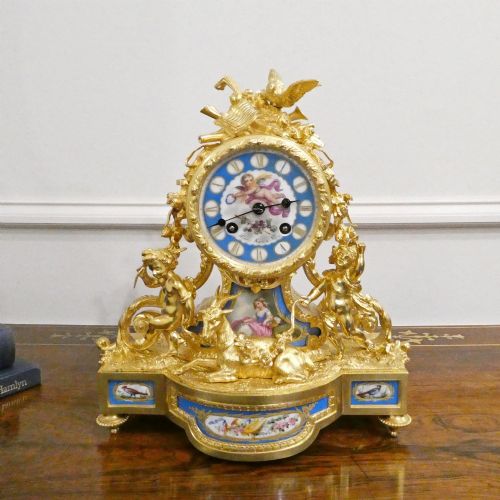
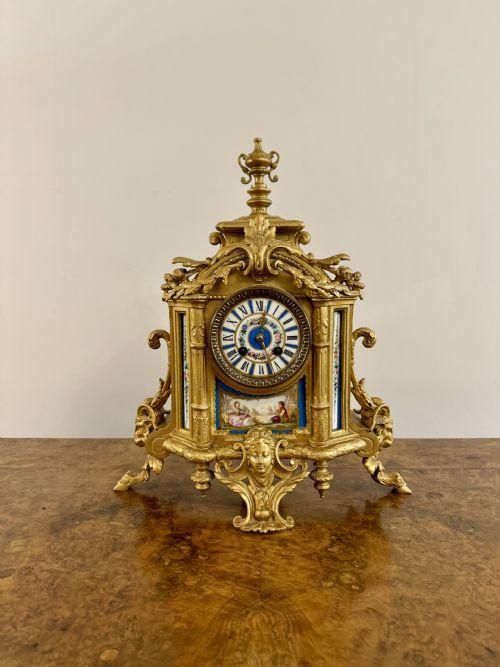
A decorative mantelpiece clock brings nineteenth-century presence to a room, combining architectural brass, bronze, and porcelain.
Decorative Mantelpiece Clock
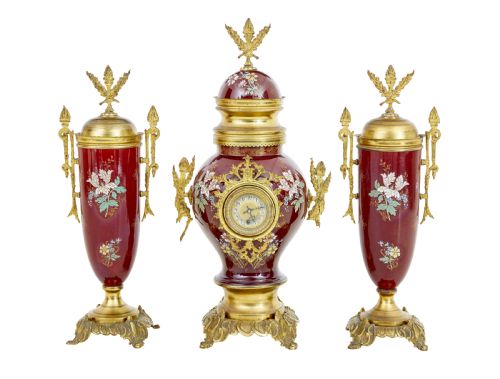
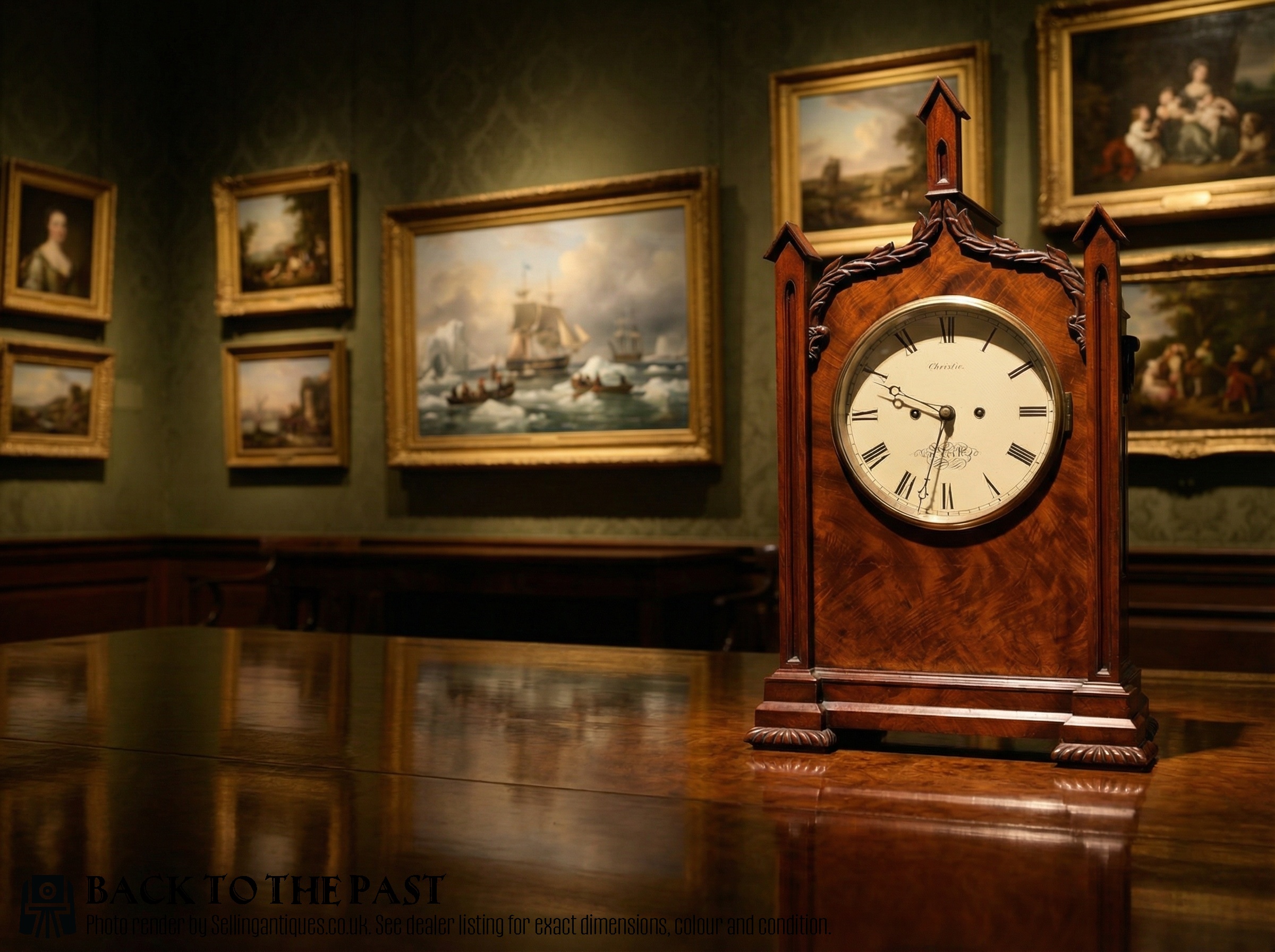
When you search for a decorative mantelpiece clock, you encounter substantial nineteenth-century timepieces designed to anchor a room's interior. The examples you meet most frequently on this page originate from French workshops and Victorian makers, often appearing alongside matching garniture sets.
These objects take many forms, ranging from towering portico clocks in pink marble to intricate ormolu figural pieces and brass carriage clocks. They span periods from the mid-nineteenth century into the early twentieth century, reflecting diverse revival styles from Rococo to Louis XVI.
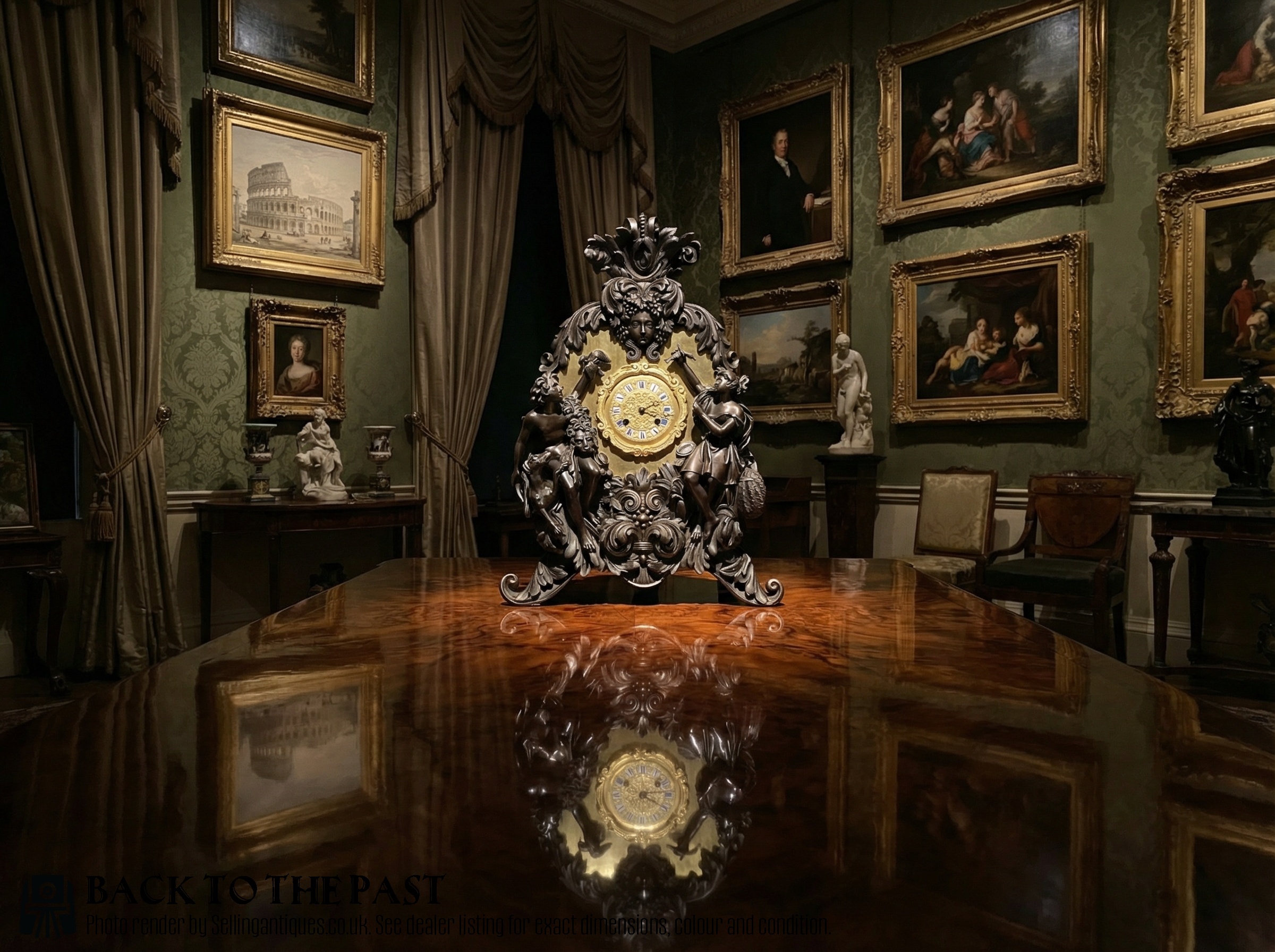
Many items incorporate subsidiary decorative elements such as enamel dials, painted porcelain panels, and patinated bronze figures. Whether housed in green onyx, alabaster, or rouge marble, each piece serves simultaneously as a functional timekeeper and an ornamental sculpture.
Materials and construction
The makers of these timepieces relied on heavy cast metals such as brass, gilt bronze, and solid ormolu to build robust foundational cases. These metallic structures were frequently paired with natural stones including rouge marble, green onyx, and alabaster to provide substantial weight and visual contrast.
Surface ornamentation involved intricate techniques like champlevé enamel work, fine surface engraving, and the application of gilt metal finishes. Porcelain panels and dials were hand-painted and glazed, then fitted securely into the cast metal housings alongside protective glass bezels.
Form variations range from architectural portico clocks and carriage clocks to elaborate figural ormolu sculptures.
What separates the finest examples
Quality in these timepieces rests upon the crispness of the bronze casting and the depth of the gilding or ormolu work. Superior pieces display sharply chased surface details and heavy, uncompromised stone bases rather than thin veneers.
The integration of the movement with signature dial work by established makers elevates a piece above standard production. Furthermore, complete garniture sets featuring matching side urns or candelabras demonstrate a higher original tier of commissioning.
Henry Marc·Winterhalder & Hofmeier·Christie of Perth·Japy Freres
The Decorative Mantelpiece Clock Glossary
- Ormolu
- Gilt bronze created by applying a finely ground high-carat gold mercury amalgam to a bronze object. This technique produces a rich, durable golden surface seen on many French cases.
- Garniture set
- A decorative grouping consisting of a central clock flanked by matching ornaments such as urns or vases. These sets were designed to sit harmoniously on a mantelpiece.
- Champlevé
- An enamelling technique where troughs or cells are hollowed out of a metal surface and filled with vitreous enamel paste before firing. It creates vibrant coloured patterns across brass and bronze components.
- Portico clock
- A monumental clock design supported by architectural columns, frequently taking the form of a classical temple. They often utilise striking marbles and alabaster.
- Carriage clock
- A small, portable spring-driven timepiece fitted with a carrying handle and glass panels. They were originally designed for travelling officers.
Decorative Mantelpiece Clock: Frequently Asked Questions
How do I wind a mechanical mantel clock?
Most mechanical models utilise a key inserted into arbors on the dial to tension the internal springs. Care must be taken not to overwind the mechanism.
Eighty-day movements require less frequent attention than standard eight-day variants, ensuring steady timekeeping across extended periods.
What is a clock garniture?
A clock garniture comprises a central timekeeper accompanied by two matching decorative side pieces, such as urns or vases. These matched sets were manufactured together to create a balanced display.
They appear frequently in nineteenth-century French and Victorian interiors as comprehensive mantelpiece arrangements.
How do I identify the period of a clock?
Dating relies upon stylistic cues, materials, and maker signatures found on the movement plates or porcelain dials. Mid-nineteenth-century examples often favour exuberant revival styles.
Later Victorian and Edwardian pieces transition towards simpler brass housings or alternative stone bodies like green onyx.
Where should I place a heavy marble clock?
Substantial marble and onyx pieces require a sturdy mantelpiece or reinforced surface capable of supporting considerable weight. Levelling the base ensures the pendulum swings evenly.
Avoid positioning them in direct sunlight or damp environments to protect delicate enamel dials and gilt surfaces.