
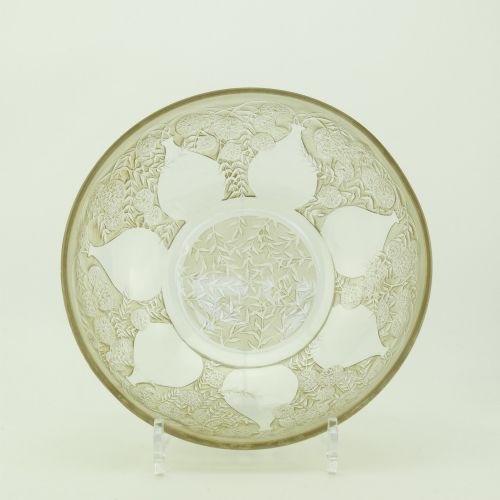
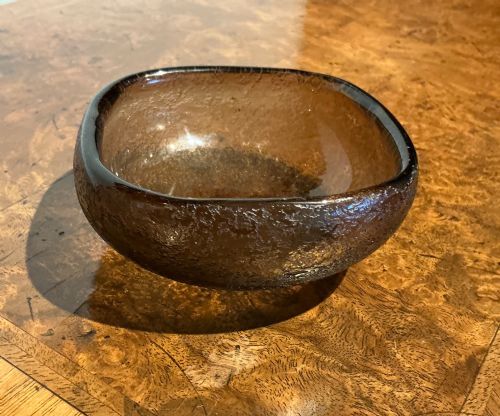
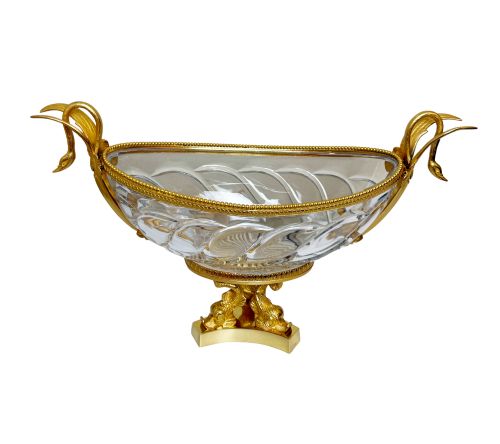
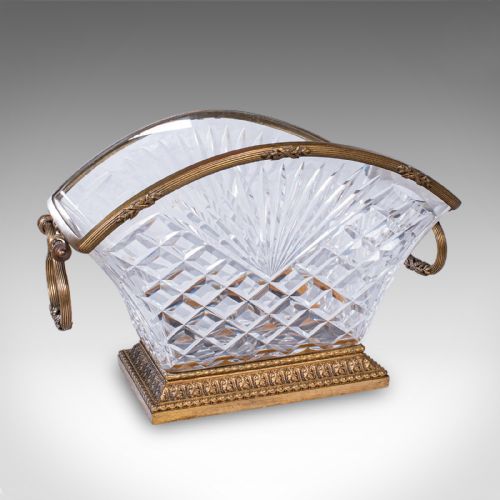





Decorative Glass Centerpiece Dish
These decorative glass centerpiece dish pieces bring together nineteenth-century craftsmanship and twentieth-century design to anchor a table.
Decorative Glass Centerpiece Dish
A decorative glass centerpiece dish serves as the visual anchor of a room, taking form as shallow bowls, footed dishes, and substantial salvers designed for display. When searching for a decorative glass centerpiece dish, buyers encounter works spanning the Victorian, Edwardian, and mid-century eras, alongside specific modernist milestones.
Moulded, pressed, and cut techniques dominate the physical forms, appearing alongside pate de verre and free-blown coloured glass. Collectors find works originating from English, French, Belgian, and Scottish makers, reflecting diverse stylistic movements from Art Nouveau and Art Deco to Arts and Crafts.
What varies in quality
The standard of a piece depends on the crispness of the glass moulding, the depth of the cut facets, and the precision with which metal mounts fit the glass body. Exceptional works display fine detail in relief elements, balanced proportions, and clear factory signatures or marks.
Design complexity and the reputation of the maker or atelier elevate individual pieces, distinguishing standard production items from masterworks created by prominent glasshouses and designers.
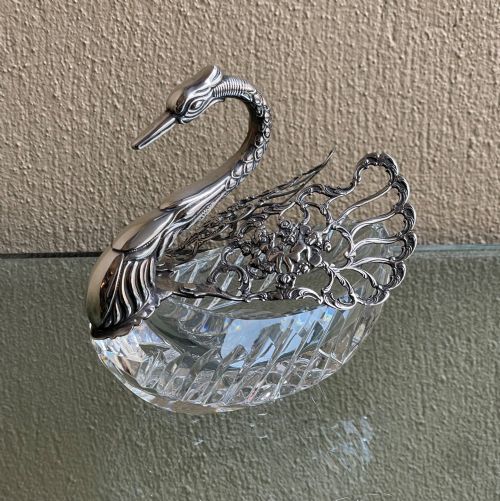
Several bowls take their names from nymphs, birds, and flowers, turning a simple table dish into an aquatic myth.
Rene Lalique·Venini glass·Daum France·Val St Lambert·Loetz·Monart Glass·Baccarat
The Decorative Glass Centerpiece Dish Glossary
- Opalescent glass
- Glass that diffuses light with a milky, translucent quality, often shifting in tone between blue and amber depending on the angle of illumination. This effect was heavily utilised by French makers during the early twentieth century.
- Ormolu
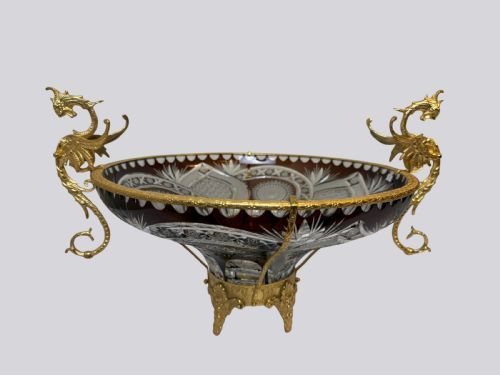
- Gilt bronze mounts applied to furniture and decorative objects to provide structural support and ornamental contrast. The technique involves coating bronze in a finely ground gold amalgam and firing it.
- Pate de verre
- A glass-casting method where finely crushed glass is mixed with a binder, packed into a mould, and fused in a kiln. This process creates dense, softly coloured objects with a characteristic granular texture.
- Iridescent glass
- Glass treated with metallic salts while hot to produce a shimmering, rainbow-like surface sheen. It gained widespread popularity during the Art Nouveau period.
- Cut glass
- Glassware shaped and patterned by holding the vessel against rotating abrasive wheels to cut deep facets and geometric designs. The resulting cuts refract light across the surface.
Decorative Glass Centerpiece Dish: Frequently Asked Questions
What periods do these pieces date from?
The pieces span from the nineteenth century through the Edwardian era and into the mid-twentieth century. Styles shift from ornate Victorian and Empire taste to Art Nouveau, Arts and Crafts, and Art Deco.
Specific decades represented include the 1880s, 1900s, 1920s, 1930s, and 1960s, reflecting changing manufacturing techniques and aesthetic preferences across Europe.
How were centerpiece dishes used historically?
These dishes functioned primarily as ornamental focal points on dining tables, sideboards, or entrance halls. They held fruit, flowers, or remained empty to showcase the glass quality and metal mounts.
Larger footed bowls and salvers were designed to command attention in formal reception rooms, reflecting the entertaining habits of the Victorian and Edwardian periods.
What materials besides glass are used?
Many pieces incorporate metal components, specifically gilt bronze, ormolu, and silver mounts that frame or elevate the glass bowls. These metals provide structural contrast and decorative enrichment.
Enamel and specialised glass compositions like pate de verre also appear, adding colour variation and tactile surface texture to the primary material.