
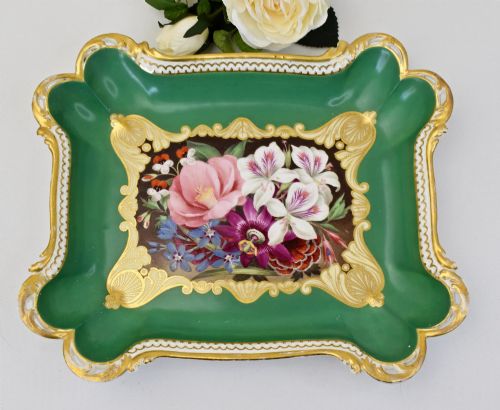


Decorative Gilt Plaque
A decorative gilt plaque brings rich metallic brilliance and intricate artistry to a wall or cabinet.
Decorative Gilt Plaque
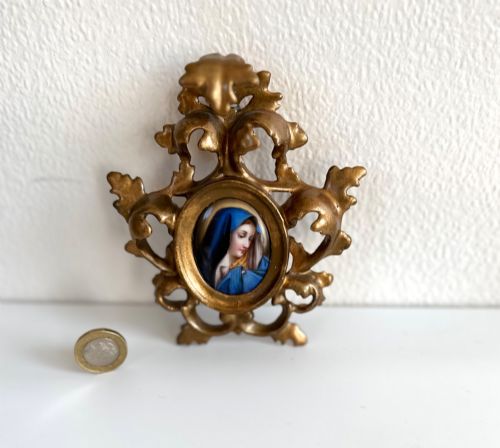
A decorative gilt plaque encompasses a varied group of objects designed primarily for display rather than utility, including wall plaques, cabinet plates, porcelain chargers, and painted panels. When searching this phrase, buyers encounter items ranging from miniature portraits and snuff box lids to large chargers and carved wooden panels.
The pieces span multiple centuries and design movements, with significant representation from the Victorian era alongside 18th-century items and objects from the Japanese Meiji period and Qing Dynasty. Styles transition from Neoclassical and Georgian aesthetics through to ornate Victorian Rococo Revival and Classical Revival forms.
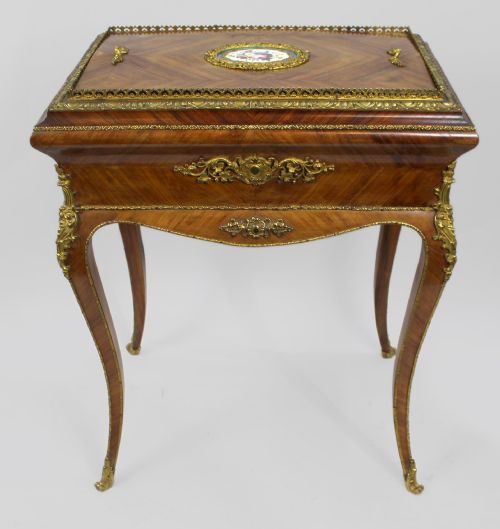
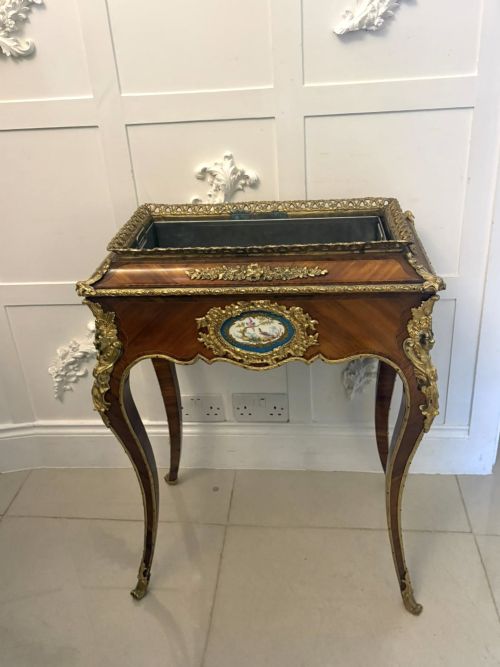
Porcelain and enamel feature prominently among the formats, often paired with gilt metal, gold leaf, or ormolu mounts to highlight the central painted or carved imagery. Cabinet plates and wall art dominate the selection, frequently depicting classical mythological scenes or historical narratives executed in fine detail.
How they were made
Makers utilised porcelain, copper, and wood as bases for intricate surface decoration involving enamel, paint, and gold leaf. Porcelain chargers and cabinet plates received hand-painted mythological or figurative scenes before undergoing high-temperature kiln firings.
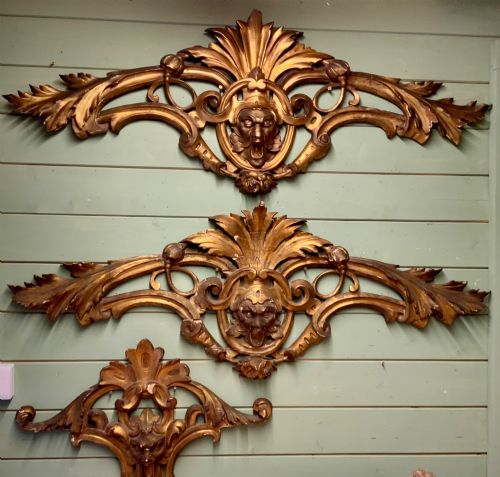
Metal components, including gilt metal and ormolu, were cast and gilded to frame enamel plaques or porcelain bodies. Carved wooden panels and toleware surfaces demonstrate alternative techniques where paint and gilt application transform the underlying material into rich decorative wall art.
Design styles span Neoclassical, Rococo Revival, Japanese Meiji, and Qing Dynasty aesthetics across plates, trays, and wall art.
What varies in quality
Quality rests principally in the execution of the hand-painted imagery and the fineness of the surrounding gilt or ormolu work. Finer examples display meticulous brushwork in figurative depictions, such as classical narratives or miniature portraits, showing careful attention to expression and proportion.
The structural integration of materials also dictates standard, where cast gilt metal mounts fit precisely against porcelain bodies or enamel plaques without excess adhesive or awkward gaps. Superior items maintain crisp definition in carved wooden details and vibrant, stable enamel colours across the entire surface.
Doe and Rogers·H Meeson·Wagner·Baldwyn
The Decorative Gilt Plaque Glossary
- Gilt metal
- Metal that has been treated with a thin layer of gold or gold-coloured finish to simulate solid gold. This material frequently appears in frames and mounts surrounding porcelain or enamel plaques.
- Ormolu
- Finely ground high-carat gold applied to a bronze base using a mercury amalgamation process, characteristic of French decorative objects. It provides a deep, warm lustre distinct from standard electroplating.
- Toleware
- Enamelled or japanned metalware, typically iron or steel, decorated with painted scenes or floral motifs. It represents a specialised form of functional and decorative domestic art from the eighteenth and nineteenth centuries.
- Cabinet plate
- A decorative ceramic plate intended for display in a cabinet or on a wall rather than for dining. These pieces often feature elaborate hand-painted scenes and rich gilding.
- Charger
- A large ornamental plate used traditionally for display or ceremonial service. In antique contexts, these large ceramic or porcelain surfaces typically showcase detailed mythological or historical paintings.
Decorative Gilt Plaque: Frequently Asked Questions
What is a decorative gilt plaque?
A decorative gilt plaque is an ornamental wall piece, cabinet plate, or painted panel accented with gold leaf, gilt metal, or ormolu. These items served primarily for visual display in period interiors.
They combine artistic painting, carving, or enamelling with metallic framing to highlight classical or historical subjects.
How can I identify the period?
Dating relies on stylistic clues, including Neoclassical or Rococo Revival motifs, alongside material characteristics such as Victorian porcelain bodies or Meiji period techniques. Maker marks and signatures on the reverse provide further chronological evidence.
Comparing the painting style and framing methods with documented examples from the eighteenth and nineteenth centuries helps confirm the era of manufacture.
Where were these pieces displayed?
These items appeared in nineteenth-century drawing rooms, cabinets of curiosity, and formal dining spaces as focal points of interior decoration. Cabinet plates sat on specialised stands or hung on walls.
Enamel paintings and gilt panels added richness to domestic wall spaces, reflecting the collector's taste for classical art and fine craftsmanship.
How should I clean antique gilt?
Antique gilt surfaces require gentle dusting with a soft, dry brush to avoid disturbing fragile gold leaf or ormolu patination. Moisture and chemical cleaners can strip the delicate metallic finish.
Professional conservation advice is recommended for pieces showing tarnish or structural wear to preserve the integrity of the original materials.