






Decorative Floral Vessel
A decorative floral vessel brings botanical motifs and colour into a room through centuries of diverse craft traditions.
Decorative Floral Vessel
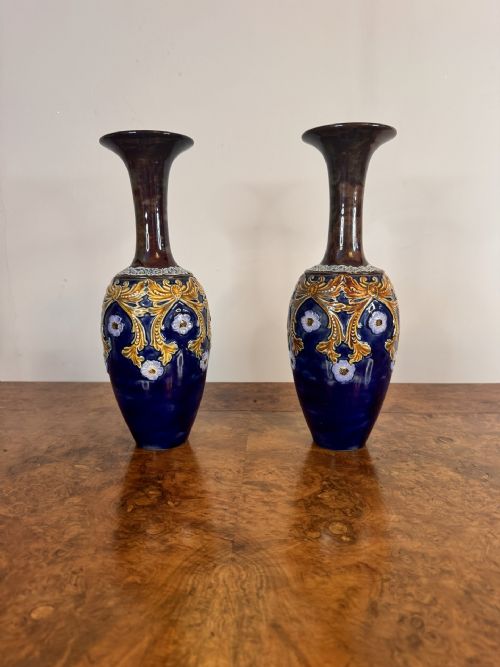
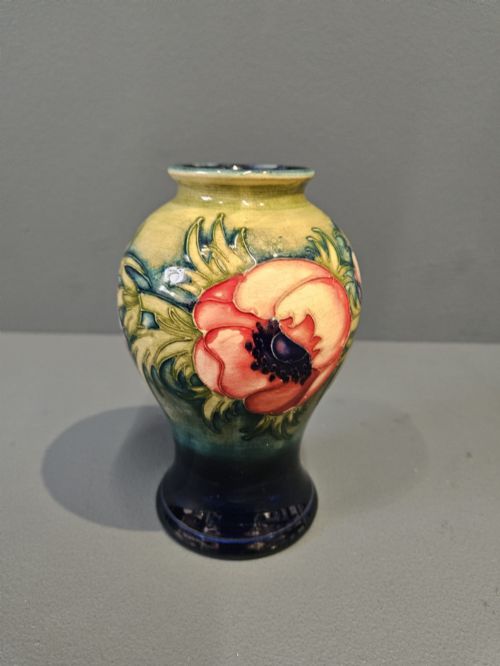
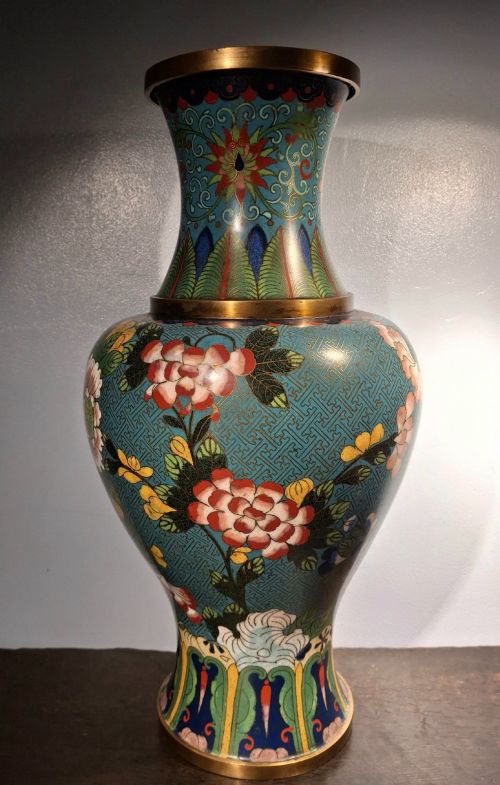
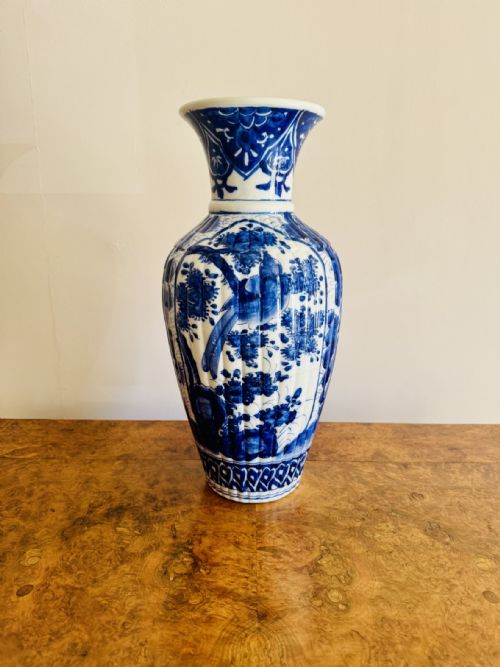
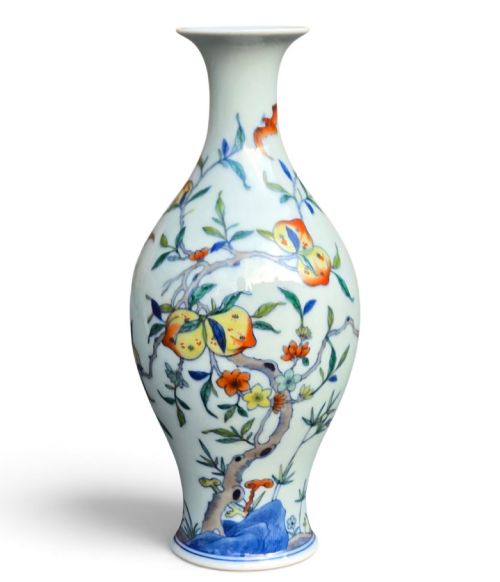
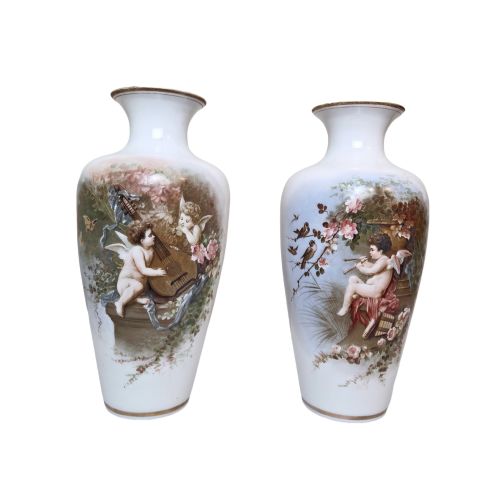
A decorative floral vessel encompasses items designed to display plants or feature plant ornamentation, including vases, ginger jars, bowls, urns, and jardinières. These objects emerge from various cultural traditions such as Chinese export ware, Japanese Meiji period metalwork, and European studio potteries.
The selections available span periods from the Regency era through Victorian and Edwardian decades into the Art Nouveau and Art Deco movements. Formats range from miniature cloisonné pieces to large scale stoneware baluster vessels and porcelain campagna urns.
Materials and methods
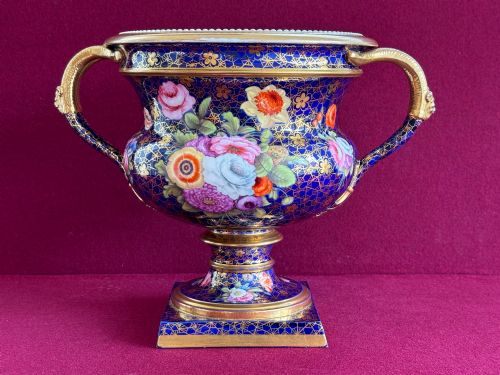
Craftsmen utilised ceramic, porcelain, stoneware, and pottery as foundational bodies, often shaping them on a wheel or via mould casting before applying glazes. Decoration frequently involved hand painting, transfer printing, or intricate enamel work.
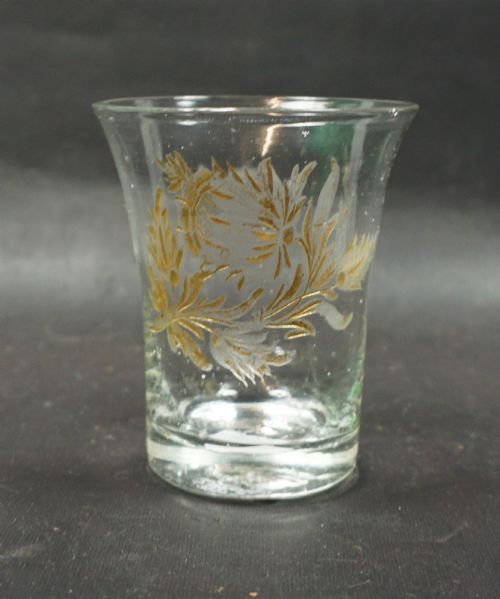
Metalwork pieces relied on copper, brass, white metal, and solid silver, incorporating techniques like cloisonné, champlevé, and gilt ornamentation. Glass vessels integrated cameo carving and enamelling to achieve layered floral relief.
Decorative Floral Vessel Retail Price Guide 2026
Typical asking prices for decorative floral vessel among the pieces listed under this phrase on Sellingantiques today, from the lower quarter to the upper quarter. They describe what is for sale here now, not the wider market.
Listings feature floral vessels spanning stoneware, porcelain, cloisonné enamel, cameo glass, and solid silver across the nineteenth and twentieth centuries.
Assessing craftsmanship and finish
Quality differentiates by the precision of the hand painting and the complexity of the decorative technique applied to the surface. Fine examples display crisp compartmentalisation in cloisonné work or deeply detailed relief carving on cameo glass.
The integrity of the glaze, the weight and balance of the vessel, and the presence of artist signatures or factory marks indicate superior production standards. Pieces with well preserved gilding and intact enamel demonstrate careful historical handling.
Spode Porcelain·Flight Barr And Barr·Royal Doulton·Royal Worcester·Royal Crown Derby
The Decorative Floral Vessel Glossary
- Cloisonné
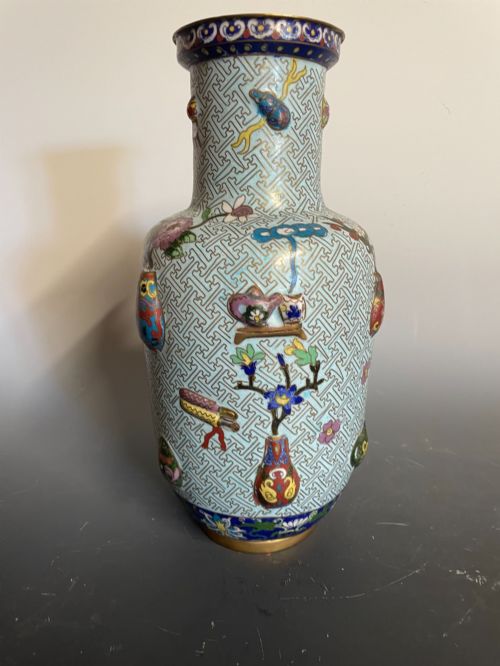
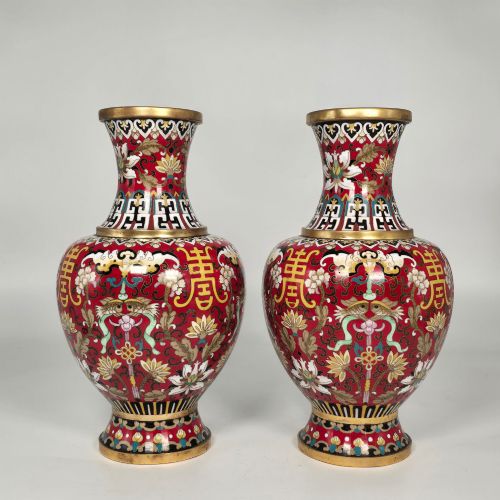
- Enamelwork created by soldering metal wires onto a base to form compartments filled with paste and fired. This technique produces vibrant, patterned surfaces often seen on Asian jars and vases.
- Cameo glass
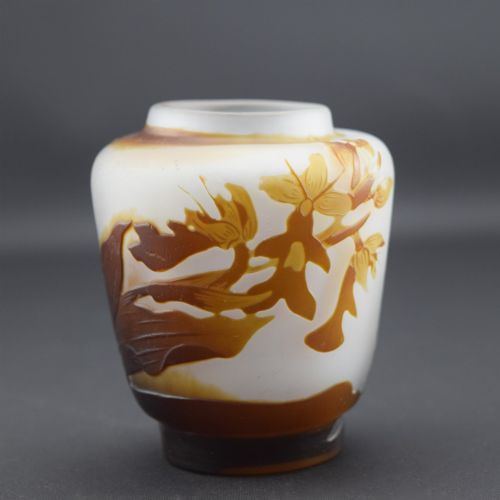
- A method of producing layered vessels by carving through distinct coloured strata to create raised designs. Galle utilised this technique extensively for floral motifs.
- Stoneware
- A robust, vitrified ceramic fired at high temperatures to achieve impermeability without needing glaze. Makers like Doulton Lambeth shaped this material into botanical baluster vases.
- Campagna urn
- A classical bell shaped vessel form modelled on antique garden vases. 19th century British potteries frequently produced these monumental shapes.
- Pietra dura
- An inlay technique using cut and fitted polished coloured stones to create pictorial designs. Indian marble vases incorporate this method to depict floral patterns.
Decorative Floral Vessel: Frequently Asked Questions
How do I date a ceramic vase?
Examination of the base markings, glaze characteristics, and potting style provides the primary indicators for dating a ceramic vessel. Factory stamps and handwritten signatures often narrow the production period to a specific decade.
Stylistic cues such as shape and colour palette align with broader historical movements like Art Nouveau or the Victorian era. Comparing these physical traits against known manufacturer timelines confirms the age of the piece.
What is cloisonne enamel?
Cloisonné is a decorative technique where thin metal wires are soldered onto a metal body to create raised cells or compartments. These spaces are then filled with coloured enamel paste before being fired and polished smooth.
The resulting surface displays intricate patterns defined by the metal lines. This method was widely used across Asian vessels to depict flowers, birds, and geometric borders.
How were antique urns used?
Large urns and campagna vessels historically functioned as prominent architectural ornaments within grand interiors or garden settings. Their substantial scale allowed them to serve as focal points in reception rooms.
Smaller iterations held cut flowers or served as decorative display objects on mantelpieces and side tables. Their robust construction and classical forms suited both ornamental and functional interior roles.
Can I display fresh flowers in antique vessels?
Displaying fresh flowers depends entirely on the interior glazing and structural integrity of the individual vessel. Glazed porcelain and stoneware containers generally hold water safely without seeping moisture.
Porous ceramics, unglazed metals, or pieces with historic hairline cracks require a glass liner to protect the material. Assessing the interior condition prevents water damage to fragile historic surfaces.