




Decorative Cushion Mirror
A decorative cushion mirror brings deep architectural profile and reflected light to a room through its sloping, pillow-like frame.
Decorative Cushion Mirror
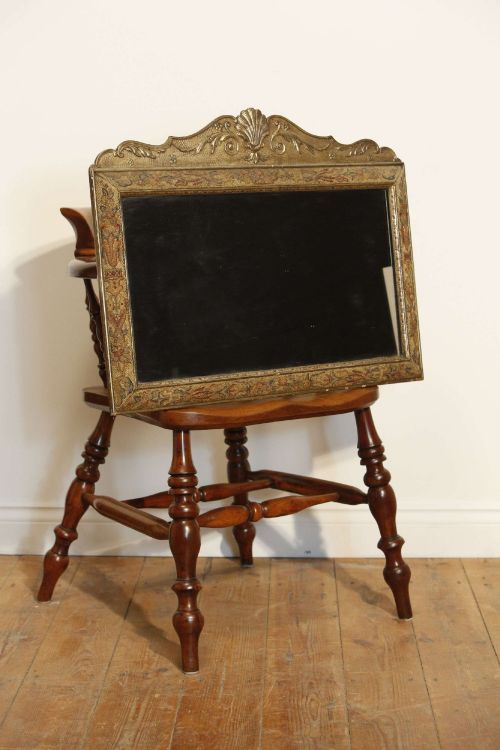
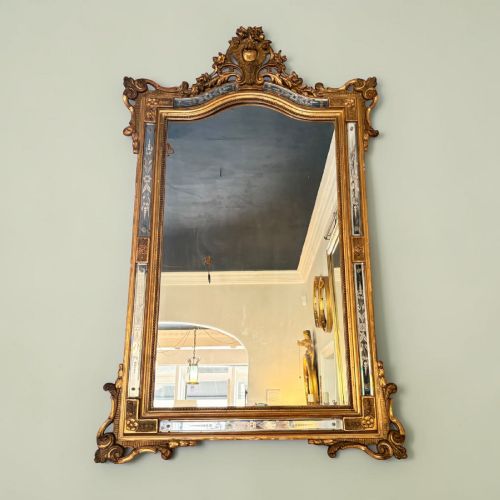
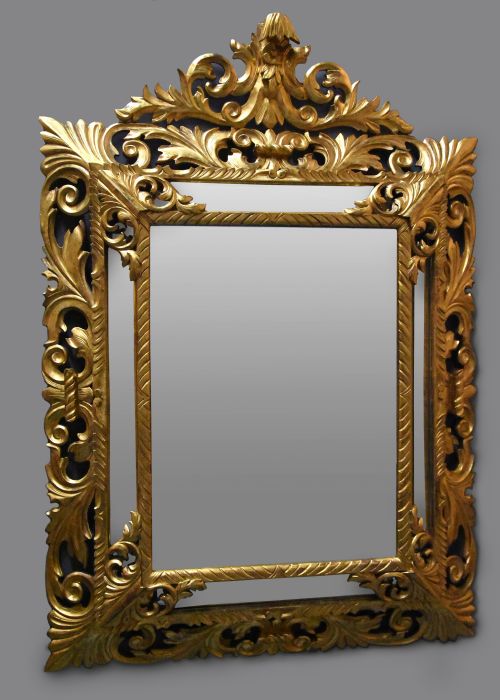
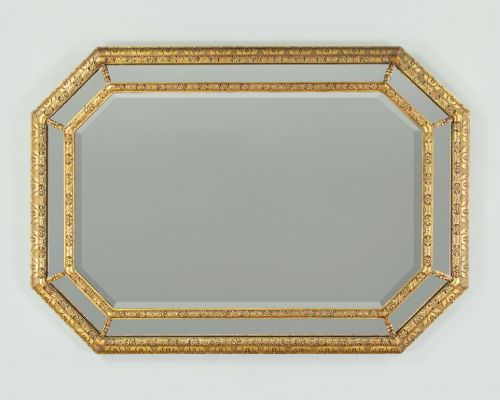
When you search for a decorative cushion mirror, you encounter pieces defined by their sloping, padded-looking frames that draw the eye inward toward the central glass plate. These wall-hanging forms emerge primarily in nineteenth-century interpretations of earlier continental styles, particularly Italian and French designs.
The selection ranges from grand Italian giltwood creations to carved wood and gesso examples with painted finishes. You will frequently find substantial overmantle proportions and impressive wall-hanging formats that reflect nineteenth-century revivalist tastes.
Earlier seventeenth-century influences also appear through intricate wood treatments like oyster veneers, connecting the later cushion forms to earlier cabinetmaking traditions. These varied origins mean you can select pieces that lean toward ornate gilded grandeur or more restrained, textured wood surfaces.
How they were made
Craftsmen built these frames using timber carcasses of oak or walnut, upon which intricate three-dimensional profiles were shaped. Gesso was frequently applied over the carved wood base to build up the smooth, sweeping contours characteristic of the cushion form before gilding or painting took place.
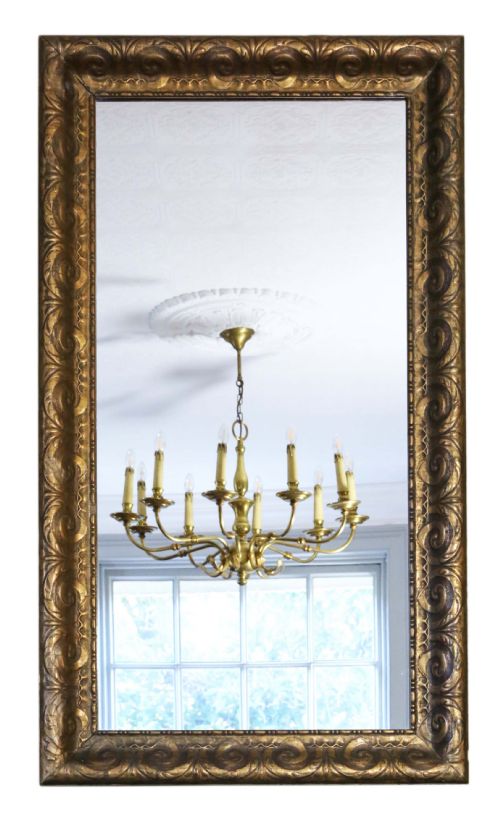
Giltwood and gold leaf applications provided a luminous finish that caught candlelight and daylight alike, while other pieces received distressed painted surfaces. Mirrored glass plates, sometimes featuring marginal plates or beveled edges, were then secured within the deep rebates of the constructed frames.
Decorative Cushion Mirror Retail Price Guide 2026
Typical asking prices for decorative cushion mirror among the pieces listed under this phrase on Sellingantiques today, from the lower quarter to the upper quarter. They describe what is for sale here now, not the wider market.
The current selection spans from seventeenth-century oyster veneer pieces to nineteenth-century Italian and French giltwood and gesso designs.
What varies in quality
The depth and crispness of the carved woodwork dictate much of the visual distinction across these frames, separating heavily worked artisan pieces from simpler production. Superior examples display finely rendered relief work on the sloping cushion sections and well-preserved original gilt or painted finishes.
The integrity of the mirrored glass plate further distinguishes the pieces, with original plates carrying age characteristics that enhance historical depth. Construction weight and the stability of the underlying wooden framework also determine how solidly the mirror holds its form over centuries on a wall.
The Decorative Cushion Mirror Glossary
- Cushion mirror
- A wall mirror featuring a convex, sloping frame that resembles a stuffed cushion surrounding the central glass plate. This profile creates strong shadows and reflects light from multiple angles.
- Gesso
- A plaster-like mixture applied to wood frames to create a smooth surface for carving or gilding. It allows for sharp decorative details before gold leaf is laid down.
- Giltwood
- Timber that has been coated with thin sheets of gold leaf over a prepared base. It provides a durable, reflective surface characteristic of formal period frames.
- Oyster veneer
- Circular or oval slices cut transversely from small branches, arranged to form a patterned wood surface. This technique creates rich, figured grain patterns across seventeenth-century pieces.
- Overmantle mirror
- A large horizontal looking glass designed specifically to hang above a fireplace mantel. These pieces anchor the visual weight of a chimney breast.
Decorative Cushion Mirror: Frequently Asked Questions
Where should I hang a cushion mirror?
These pieces suit prominent wall spaces where their deep frames can catch and project natural light across the room. Placing one above a mantelpiece or a large console table allows the sloping frame to act as a primary focal point.
Ensure the wall construction supports the substantial weight typical of carved wood and gesso frames. Adequate anchoring keeps the mirror secure and properly angled for viewing.
How do I clean an antique mirror?
Dust the carved frame gently with a soft, dry brush to prevent dirt accumulation in the crevices of the gesso or wood. Avoid harsh chemical cleaners that might strip original gilding or painted finishes.
Use a minimal amount of distilled water on a soft cloth for the glass plate, taking care not to let moisture seep behind the edges. Preserving the surrounding finish requires patience and a light touch.
What defines a Venetian cushion mirror?
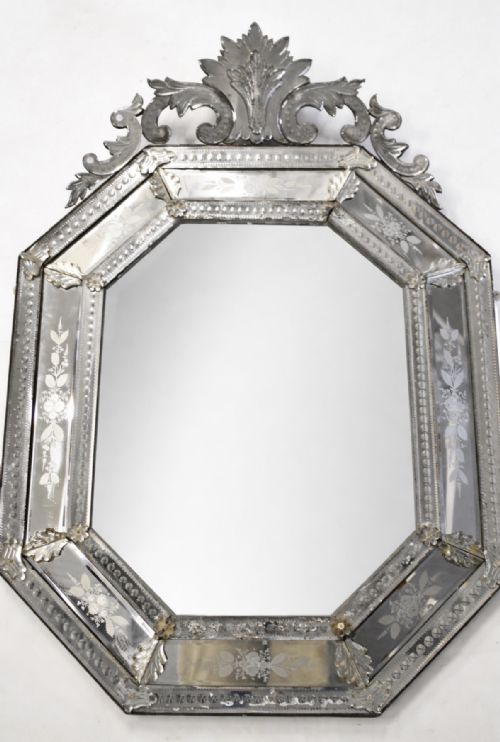
Venetian examples often incorporate delicate etched glass elements and segmented marginal plates into the sloping frame design. These details emphasise transparency and light refraction rather than heavy wooden or gilded ornamentation.
Such pieces reflect Mediterranean stylistic revivals popular during the nineteenth century. They bring a lighter, more ethereal quality to the traditional cushion profile.
How do I identify a seventeenth-century style piece?
Seventeenth-century influenced mirrors frequently feature distinct wood treatments like oyster veneers rather than heavy gilding. The frames rely on the natural grain patterns of walnut or oak to create visual texture.
These earlier forms tend to exhibit more architectural, restrained profiles compared to later exuberant revivals. The emphasis rests squarely on the joinery and timber selection.