


Decorative Chinese Antiques
These decorative chinese antiques bring centuries of craftsmanship, spanning delicate porcelain bowls to rich lacquerware, directly into modern interiors.
Decorative Chinese Antiques
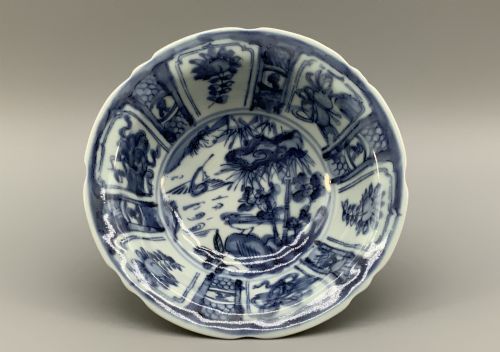
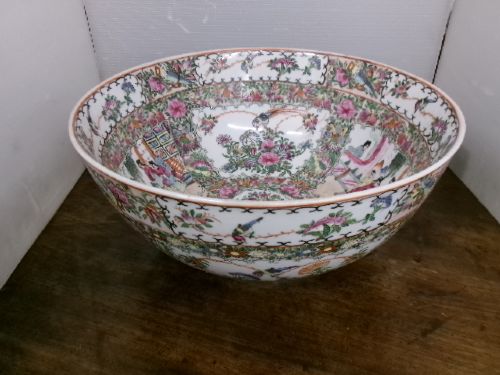
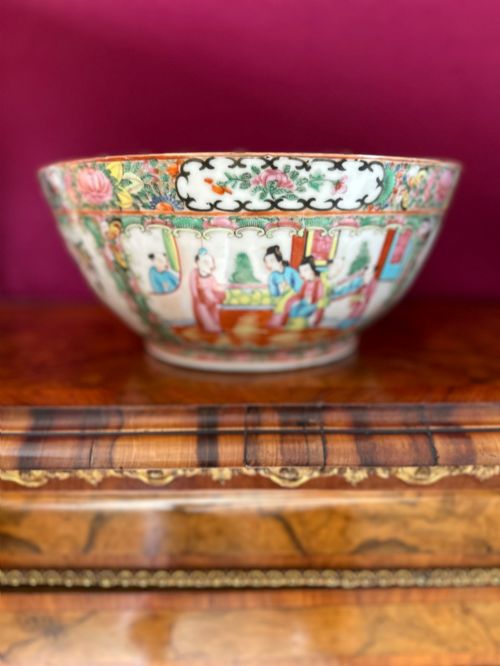
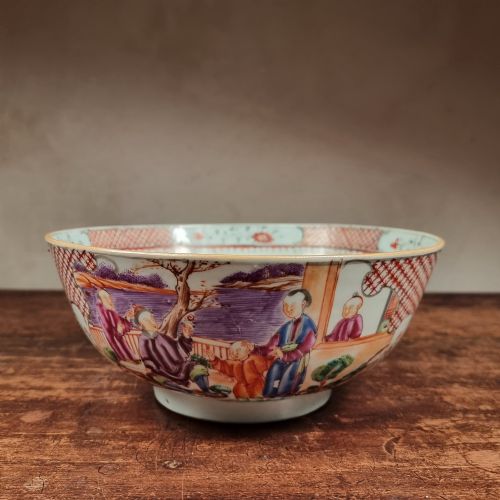
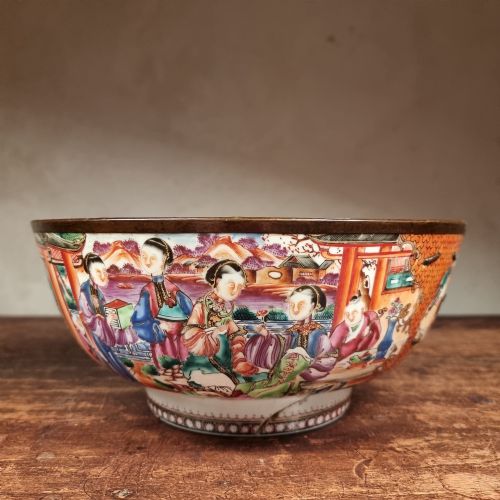
Decorative chinese antiques encompass a diverse array of items designed for display and utility, originating from the eighteenth century through to the mid twentieth century. Buyers encounter everything from blue and white porcelain and Canton enamel vessels to carved hardwood screens and lacquered storage boxes.
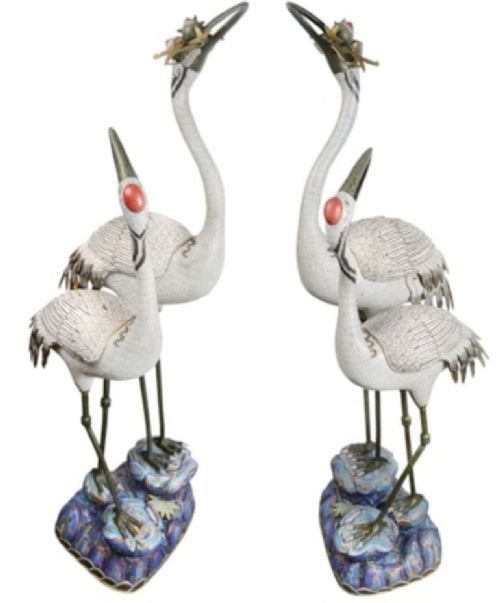
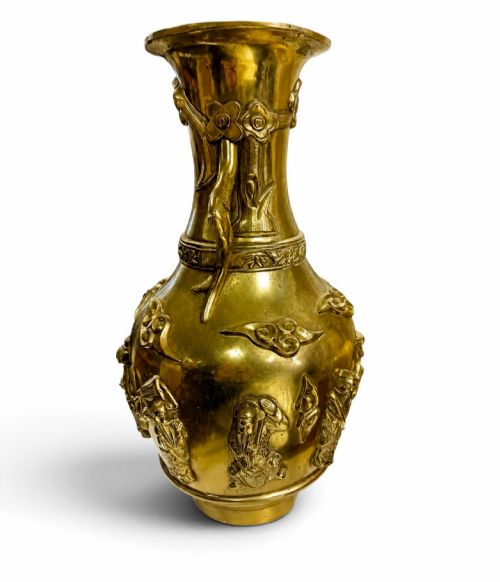
The selection frequently includes items produced for export alongside pieces intended for domestic scholar's studios, reflecting various aesthetic movements from the Qing dynasty to the Republican period. Forms range from large baluster vases and punch bowls to miniature cloisonne vases and carved wooden sculptures.
How they were made
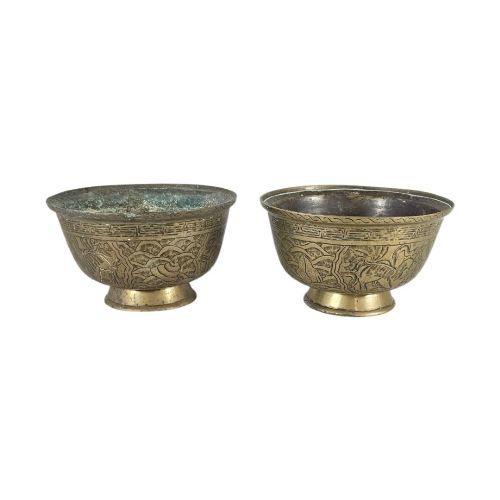
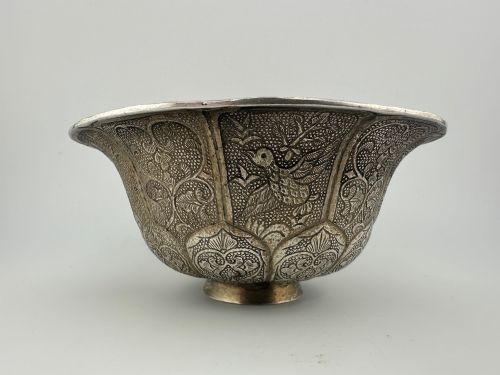
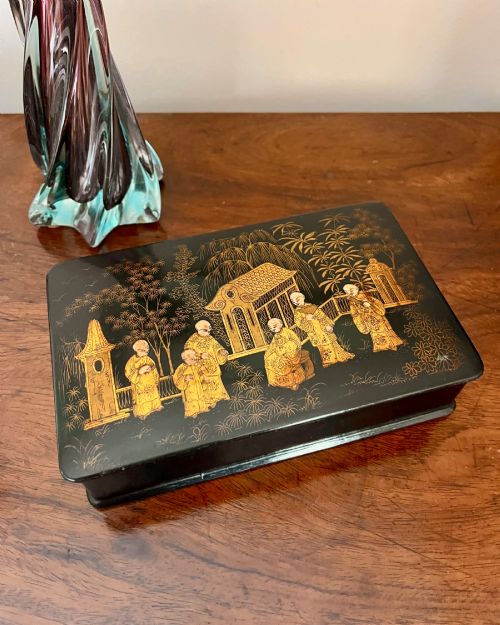
Materials such as porcelain, enamel, bronze, copper, and hardwood form the physical foundation of these objects, shaped through traditional potting, casting, and joinery techniques. Artisans applied pigments by hand, utilised gold leaf accents, and embedded mother-of-pearl inlay into lacquered wooden surfaces.
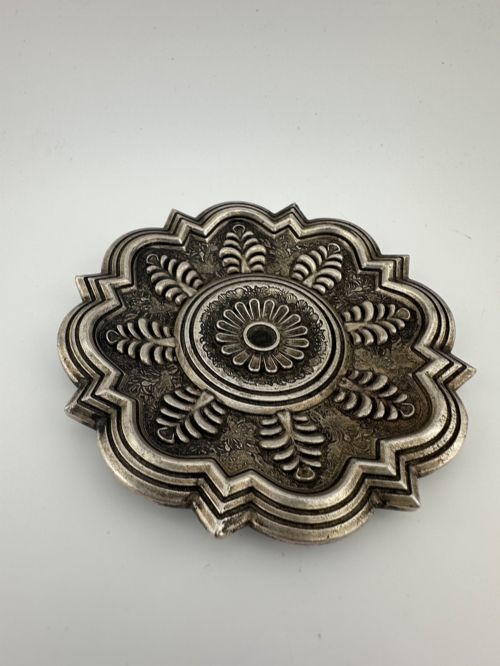
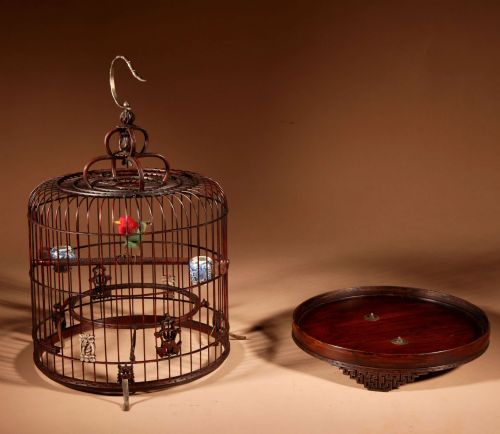
Metalwork relies on techniques like cloisonne and champleve, where wire cells or carved troughs receive vitreous enamel before firing. Woodworkers carved dense timbers like mahogany and bamboo to create intricate bird cages, temple pediments, and furniture.
Among the carved animals, a mischievous wooden monkey stands ready to superintend the scholarly desk.
What varies in quality
Quality rests upon the precision of the hand painting, the depth and crispness of the carving, and the stability of the underlying material. Pieces executed with refined brushwork and balanced compositions separate themselves from simpler mass-market items.
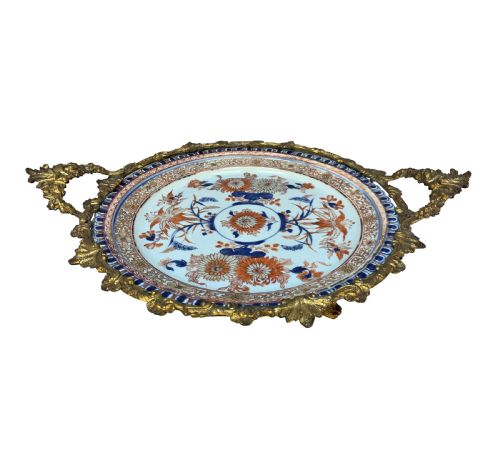
The sophistication of the secondary materials, such as ormolu mounts, fine bronze casting, and well-preserved enamel or lacquer surfaces, determines the distinction between standard decorative objects and exceptional examples.
Zhu Mao Ji
The Decorative Chinese Antiques Glossary
- Cloisonne
- Enamelwork created by soldering metal wires to a base to form compartments for paste before firing. This technique produces intricate geometric and floral patterns with distinct metal outlines.
- Famille Rose
- A palette of opaque enamel colours dominated by pink or rose tones, introduced during the Qing dynasty. Artisans applied these pigments over porcelain glazes to depict detailed figures and botanicals.
- Canton
- A style of Chinese export porcelain and enamel decorated with vibrant, crowded panels of figures, birds, and flowers. Production centred on the southern port city for Western markets.
- Chinoiserie
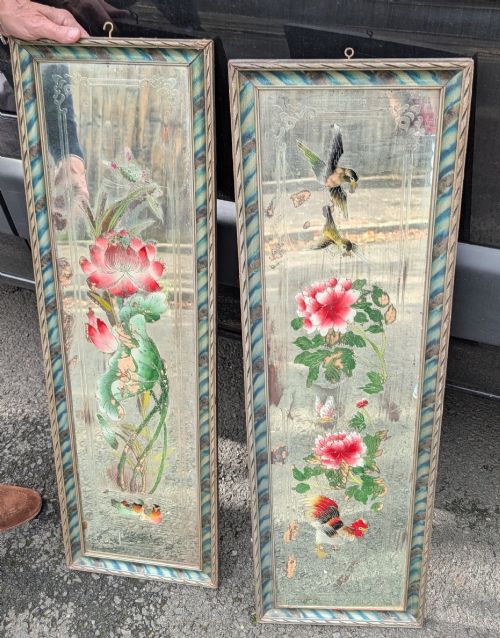
- European decorative style reflecting Chinese artistic influences, popular in furniture and mirrors. Craftsmen utilised lacquering and gilt motifs to interpret oriental designs.
- Baluster
- A vase shape with a rounded body that tapers toward a narrow neck and flares at the rim. This classic form provides structural stability for large decorative displays.
Decorative Chinese Antiques: Frequently Asked Questions
How do I care for lacquerware?
Keep lacquered boxes and platters away from direct sunlight and extreme humidity to prevent the wood beneath from warping and the surface from cracking. Dust gently with a dry, soft cloth.
Avoid using liquid cleaners or chemical polishes, which can permanently damage the delicate finish and any mother-of-pearl inlay.
What defines a ginger jar?
Ginger jars originally served to store and transport spices, featuring a wide body and a fitted lid that seals tightly against the rim. Over time, their pleasing proportions made them popular decorative items.
Today, they are collected as standalone ornaments or paired as decorative accents on mantels and sideboards.
How do I identify a period mark?
Period marks on the base of porcelain or bronze vessels often reference earlier imperial reigns as a sign of respect rather than an exact date of manufacture. Study the quality of the glaze, the wear to the base, and the casting style to determine the true age.
Consulting specialists helps separate original dynastic pieces from later commemorative items produced in the nineteenth or twentieth centuries.
Where should I display bronze vessels?
Bronze sculptures and vases require stable placement on sturdy furniture due to their significant weight. Position them where ambient light can catch the patination and detailed chased work.
Ensure the display area remains dry to protect copper-alloy surfaces from environmental corrosion over time.