





Decorative Ceramic Serving Platter
These decorative ceramic serving platters bring together centuries of earthenware and porcelain craft, offering broad surfaces for display or service.
Decorative Ceramic Serving Platter
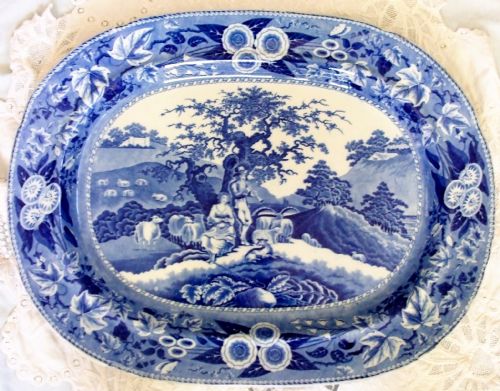
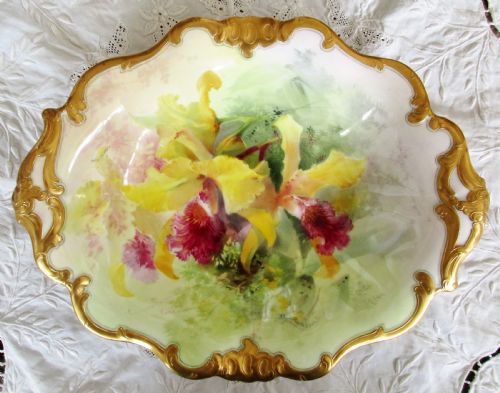
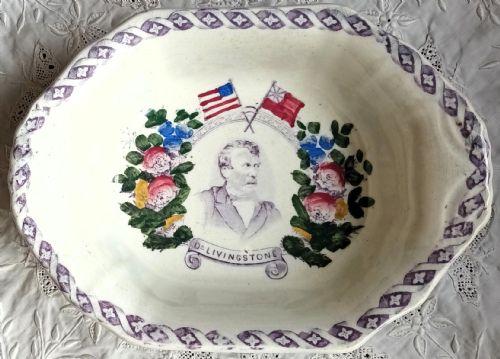
A decorative ceramic serving platter spans centuries of dining and display traditions, ranging from Georgian earthenware meat dishes to Victorian transferware and porcelain cabinet plates. Buyers searching for a decorative ceramic serving platter encounter varied forms including large round chargers, oval meat platters, and twin-handled serving dishes.
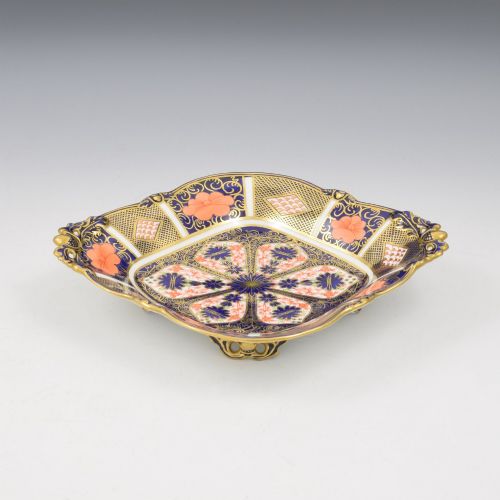
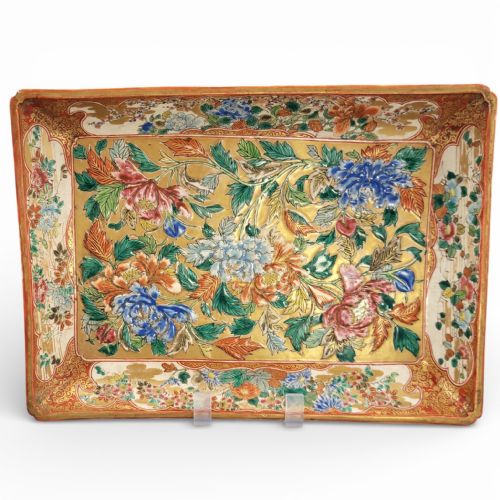
The pieces on this page originate from British, European, and Japanese kilns, showing styles from Dutch Baroque and English Imari to Japanese Imari and Victorian Rococo Revival. Most examples found here combine utility with aesthetic ambition, designed originally for the table or subsequently for wall and cabinet display.
How they were made
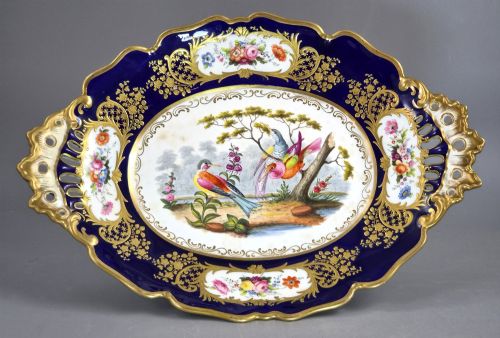
Potters shaped these vessels from earthenware, porcelain, and stone china, applying glazes and transfer prints or hand-painting motifs in cobalt blue, manganese, and polychrome enamels. Many surfaces incorporate gold leaf, gilding, or piercing to elevate the decorative impact of the ceramic body.
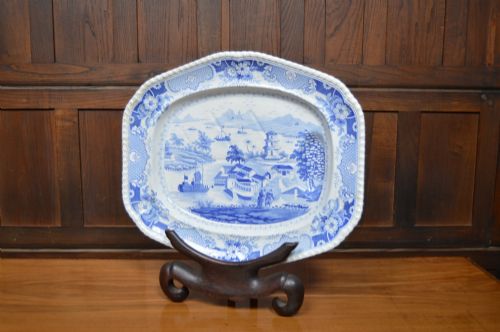
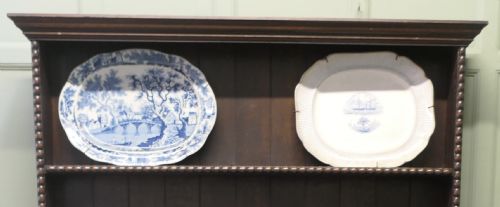
Techniques range from the blue and white transfer printing seen on early nineteenth-century meat dishes to the hand-painted floral bird designs of Japanese Kutani and Imari chargers. Grand Feu methods and felspar porcelain bodies further demonstrate the technical breadth employed by period manufactories.
Materials represented include traditional earthenware and porcelain alongside specialised stone china, enhanced with enamel, gold leaf, and cobalt glaze.
What varies in quality
Quality in these platters rests upon the crispness of the transfer print or the hand-painted detail, alongside the refinement of the ceramic or porcelain body. Pieces bearing identifiable artist marks, such as botanical paintings by named decorators, stand apart from standard factory output.
The sophistication of the glaze and the integration of gilding or enamel colours dictate the visual weight of each dish. Early examples with deep cobalt tones or intricate Japanese Imari palettes demonstrate superior control in the kiln.
Royal Crown Derby·Royal Doulton·Spode·Müller Volkstedt·Chamberlain’s Worcester·Royal Worcester·Mintons·Don Pottery·Mason's Ironstone·Meissen
The Decorative Ceramic Serving Platter Glossary
- Charger
- A large decorative plate or dish, typically exceeding standard dinner plate dimensions, used historically for ceremonial service or wall display.
- Transferware
- Pottery or porcelain decorated by transferring a printed design from an engraved copper plate onto the ceramic surface via tissue paper.
- Imari
- A style of Japanese porcelain and British imitation characterised by a palette of underglaze blue, iron red, and gold.
- Earthenware
- Porous pottery fired at lower temperatures, requiring a glaze to render it impermeable to liquids.
- Felspar porcelain
- A type of porcelain introduced in the nineteenth century using feldspathic rock to achieve greater durability and whiteness.
Decorative Ceramic Serving Platter: Frequently Asked Questions
How were serving platters used originally?
Large platters and chargers served roasted meats, fish, or communal courses at the dining table, often featuring gravy wells to manage juices.
Over time, many of these generous serving dishes transitioned from the dining room to cabinets and walls as pure decorative art.
How do I identify the period of a ceramic dish?
Period identification relies on a combination of body material, such as early earthenware versus later felspar porcelain, and characteristic decorative motifs.
Maker marks, registration dates, and style indicators like Victorian Rococo Revival or Georgian transfer prints further narrow the date of manufacture.
Can I use antique platters for serving food?
Many antique platters retain sound structural integrity, though older glazes and earthenware bodies require careful hand washing to preserve them.
Consider whether crazing or historical wear makes certain pieces better suited for display rather than active daily dining service.
What is Japanese Imari on British ceramics?
British factories in the nineteenth century frequently copied the striking blue, red, and gold aesthetic of imported Japanese Imari porcelain.
These domestic interpretations combined traditional European ceramic shapes with Eastern-inspired floral and bird patterns.