


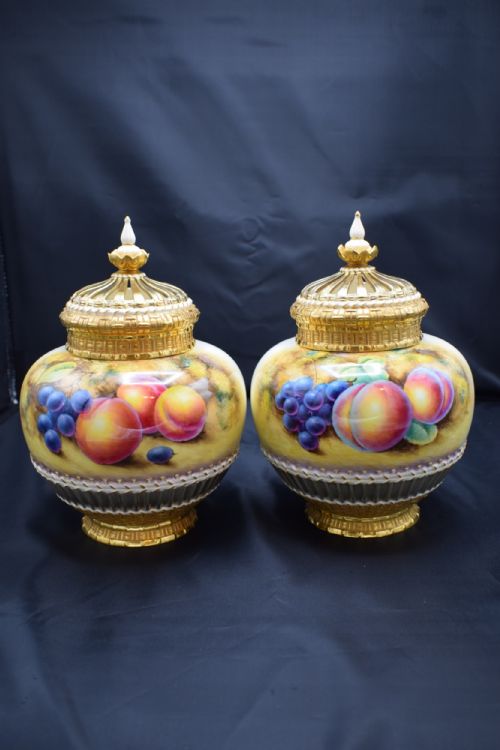


Decorative Ceramic Jar Pair
These decorative ceramic jar pair selections bring symmetry and historic craftsmanship to a room.
Decorative Ceramic Jar Pair
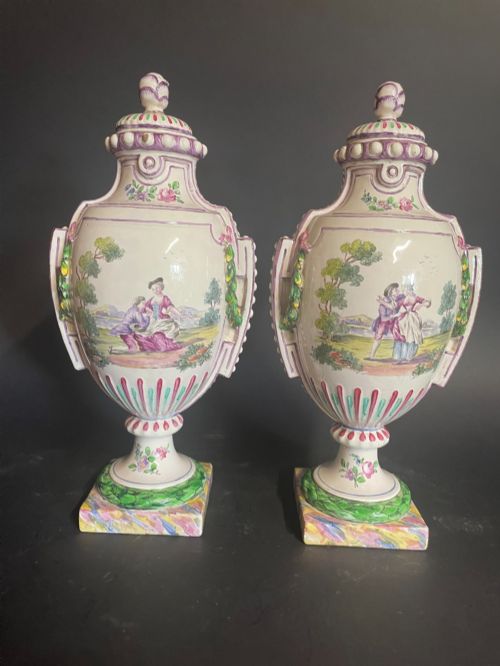
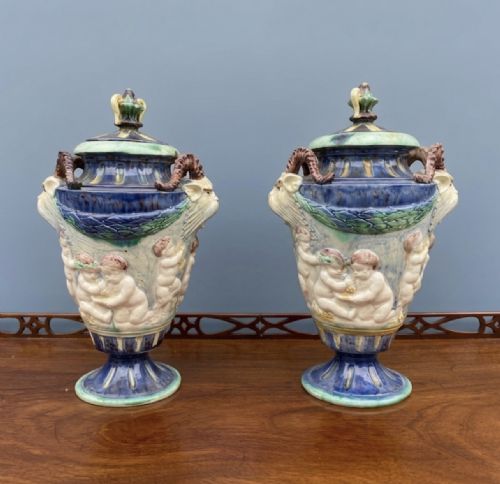
A decorative ceramic jar pair provides matching visual anchors, often taking the form of ginger jars, lidded vessels, or urns intended for display. These matched sets originate from diverse traditions, spanning European factories and Asian kilns across several centuries.
Buyers encountering this selection will frequently find nineteenth-century examples alongside earlier periods, utilising forms designed for both table display and larger floor placement. The grouping includes covered vessels, ginger jars, and baluster shapes.
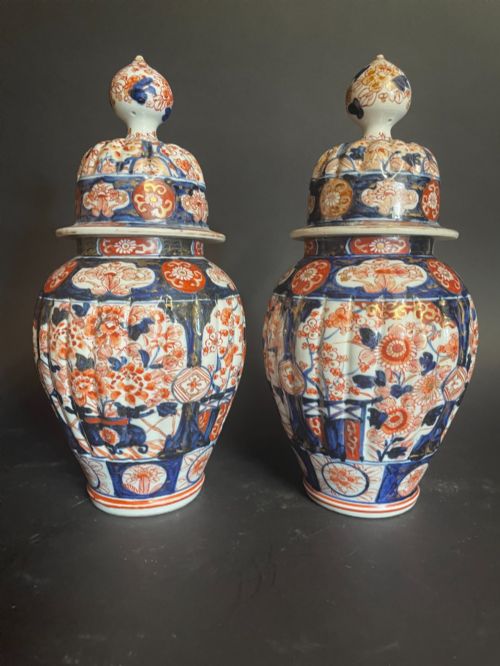
Origins range across European workshops and Asian traditions, encompassing styles from Victorian domestic production to Qing Dynasty aesthetics and Japanese Imari decoration.
Materials and production methods
Potters utilised porcelain, earthenware, and faience as primary bodies, shaping them on the wheel or in moulds before applying glazes. Many pieces incorporate hand-painted pigments, enamel work, and occasional gilt or gold leaf detailing.
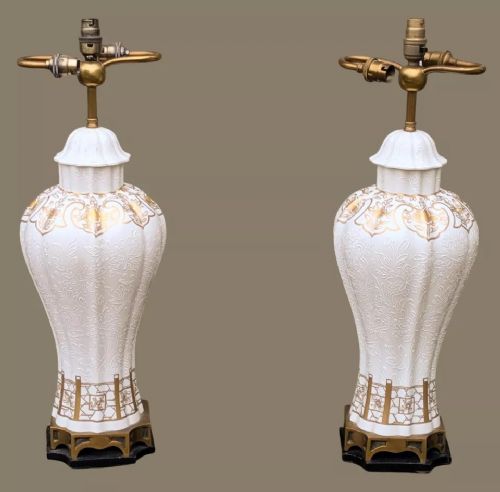
Firing techniques varied from high-temperature porcelain kilns to earthenware ovens, determining the density and surface finish of each vessel. Subsequent decoration involved meticulous hand-painting, sometimes augmented by brass mounts or fitted covers.
Several ginger jars spent centuries guarding dry goods before finding a quieter retirement as decorative mantelpiece residents.
Determining quality in matched vessels
Quality rests upon the precision of the throwing, the balance between the two vessels, and the crispness of the hand-painted detail. Superior examples display controlled pigment application and harmonious glaze consistency across both pieces.
The sophistication of the palette and the fidelity of the stylistic execution distinguish finer works from standard production. Preservation of the original covers and the crispness of any gilt or enamel highlights further elevate the standing of a pair.
Kinkozan·Royal Worcester·Carlton Ware·John Smith
The Decorative Ceramic Jar Pair Glossary
- Ginger jar
- A high-shouldered ceramic vessel with a wide mouth, originally used for storing spices and later adapted for decorative display. These containers frequently feature domed covers.
- Imari
- A Japanese export porcelain style characterised by underglaze blue and overglaze iron red, gold, and green. The aesthetic gained significant popularity in European interiors.
- Maiolica
- Tin-glazed earthenware produced in Italy during the Renaissance and subsequent centuries, known for bright polychrome painting. The technique creates an opaque white surface suitable for detailed pigments.
- Baluster
- A vase or jar shape with a rounded lower body that tapers towards a narrow neck, resembling an architectural baluster. This silhouette appears frequently in Chinese and European ceramics.
Decorative Ceramic Jar Pair: Frequently Asked Questions
How were these jars used historically?
These vessels originally served practical storage functions for commodities such as ginger, tea, or dry goods, often fitted with tight lids to preserve contents.
Over time, European and Asian households elevated them to purely decorative items, arranging them on mantelpieces, furniture tops, or dedicated stands to demonstrate taste and wealth.
How do I care for antique ceramics?
Dust these pieces regularly using a soft, dry brush, avoiding harsh chemical cleaners that might damage delicate overglaze enamels or gilt surfaces.
Keep them away from direct sunlight and areas prone to heavy vibrations to protect the ceramic body and any associated metal mounts.
How can I tell different periods apart?
Period identification relies on examining the characteristics of the paste, the composition of the glaze, and the specific pigments used in the decoration.
Stylistic markers, such as Victorian aesthetic details or Qing Dynasty motifs, provide additional clues when correlated with historical manufacturing practices.
Why do these vessels come in pairs?
Matching pairs were created to satisfy the European interior design demand for symmetry, particularly during the eighteenth and nineteenth centuries.
Displaying two identical or complementary vessels on either side of a fireplace or central furniture piece created a balanced, formal composition in period rooms.