


Crackle Glaze Ceramic Urn
A crackle glaze ceramic urn or vase brings controlled craquelure to interiors, offering an antique surface texture prized by collectors.
Crackle Glaze Ceramic Urn
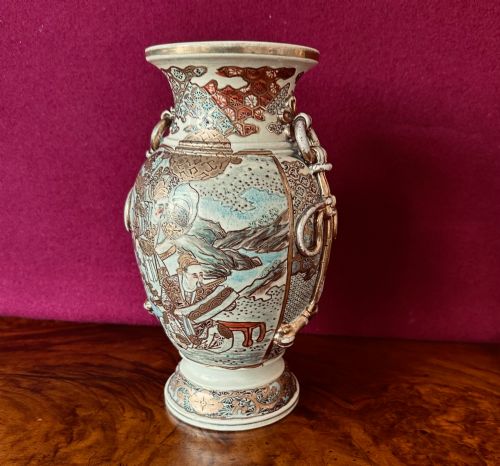
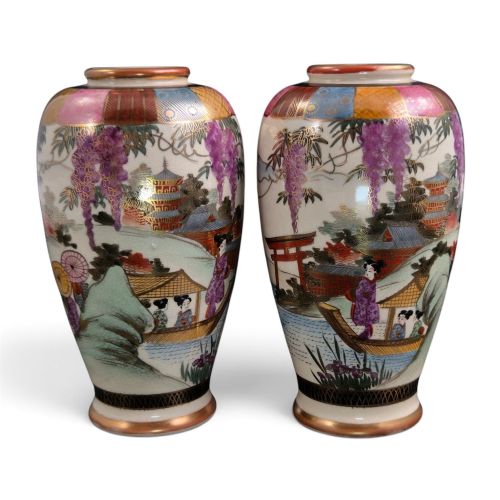
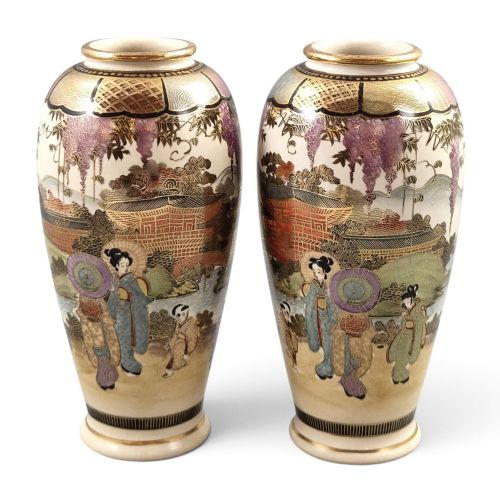
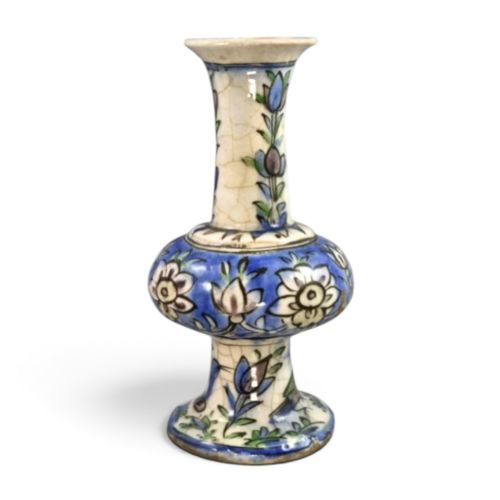
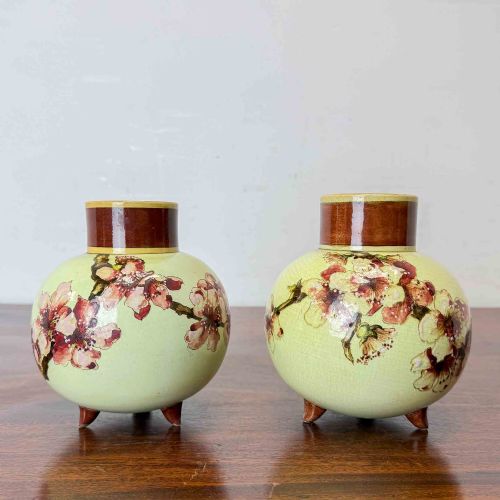
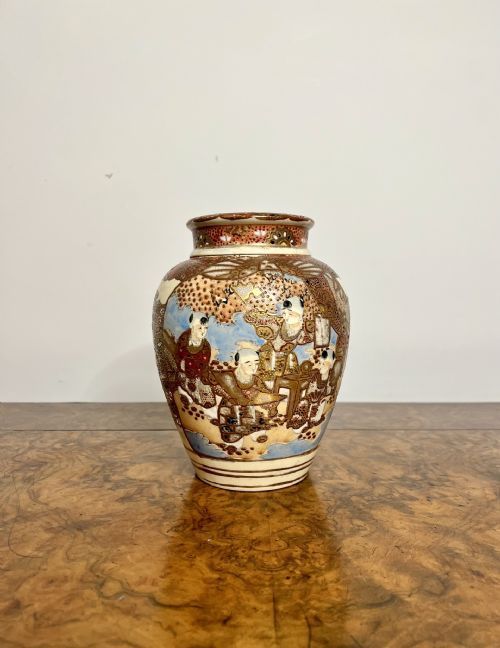
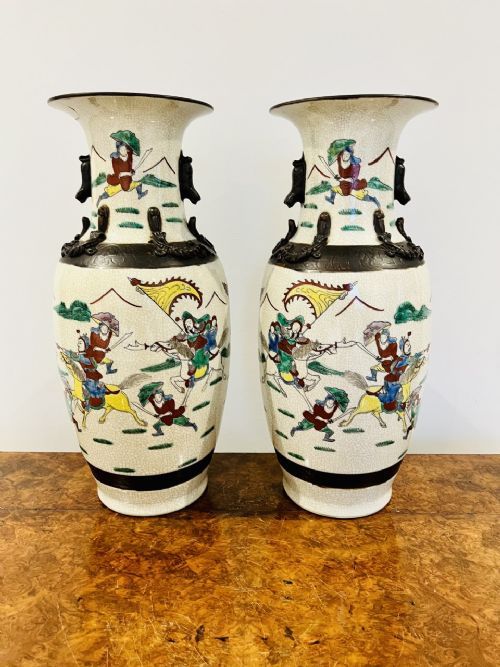
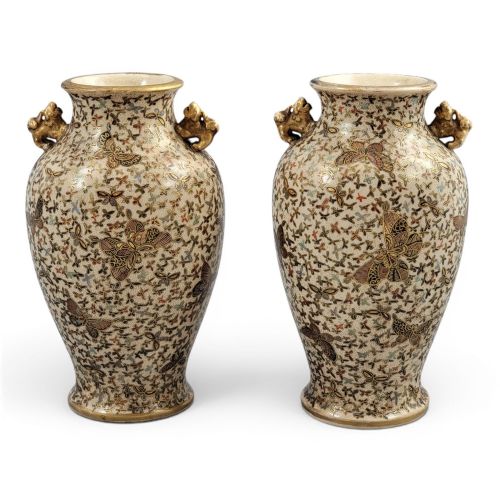
When you search for a crackle glaze ceramic urn, you encounter earthenware, porcelain and ceramic vessels originating from Japanese Meiji and Taisho periods, alongside Victorian European interpretations and Qajar Persian pieces. These objects take the form of baluster vases, ginger jars, garnitures and table lamps.
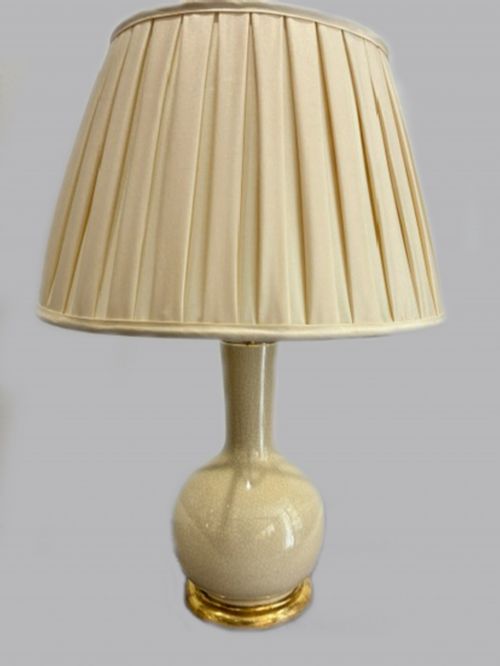
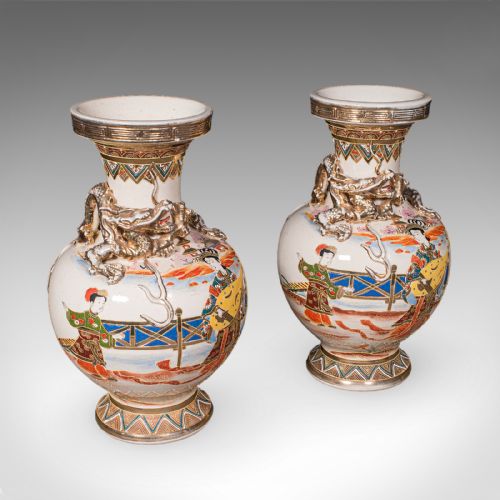
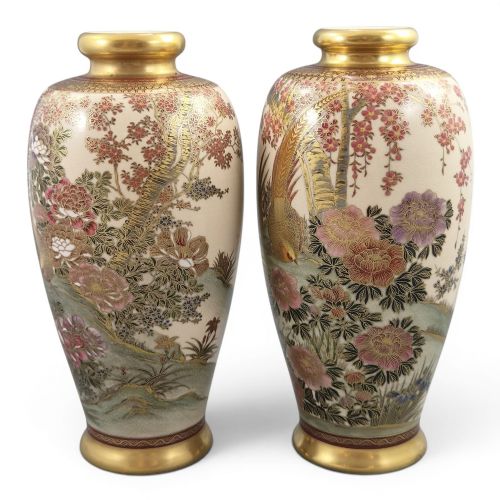
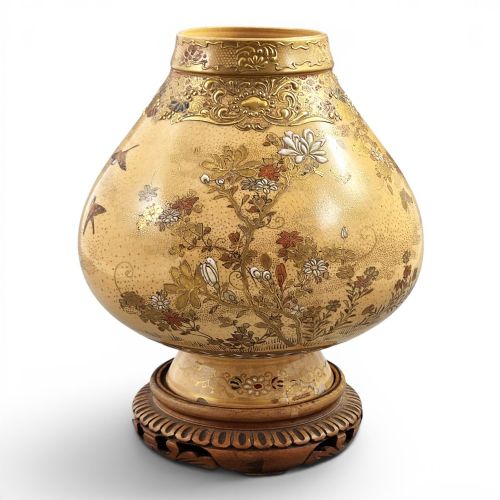
The Japanese Satsuma pieces dominate the selection, often decorated with cobalt grounds, moriage figures and intricate gilding. Alongside these sit Chinese celadon jars, French crackle ware lamps and Iznik-style Belgian vessels.
Most examples date from the nineteenth century into the early twentieth century, spanning Victorian, Edwardian and Showa eras. Buyers find both monumental display pieces and delicate miniature vases.
How they were made
Potters achieved the characteristic surface network of fine lines through differential cooling rates between the body and the glaze. Enamel, gold leaf and gilt were frequently added over the fired ceramic ground to build up complex pictorial scenes.
Earthenware and porcelain bodies provided the structural support for hand-painted court figures, landscapes and botanical motifs. Workshops utilised specialised firing techniques to control the density of the crackle pattern across the vessel.
Materials recorded across current inventory comprise earthenware, porcelain, enamel, gold leaf and gilt glaze.
What varies in quality
The refinement of the hand-painted detail separates standard production from workshop masterpieces. Signature marks from recognised makers indicate higher standards of artistry in the execution of figures and gilding.
The consistency of the glaze crackle and the stability of the ceramic body dictate the physical integrity of the piece. Superior examples maintain crisp enamel work without rubbing or loss to the gold leaf.
Shozan·Manpei·Doulton Lambeth·Kinkōzan Workshop·Kinzan·Chosei·Seiko-en Chokei·Tashiro·Hattori·Hayakawa
The Crackle Glaze Ceramic Urn Glossary
- Craquelure
- A network of fine cracks in the ceramic glaze, intentionally produced during firing. This surface effect defines the aesthetic of crackle ware.
- Moriage
- A decorative technique using piped slip to build up raised designs on ceramic surfaces. Artisans often highlight these raised areas with gold leaf.
- Baluster
- A vase shape with a rounded body that tapers toward the base and flares at the neck. This silhouette is common among nineteenth-century Satsuma pieces.
- Garniture
- A set of matching vases or jars designed for decorative display on a mantelpiece or cabinet. These sets usually comprise three or more matching vessels.
- Celadon
- A pale green jade-like glaze applied to ceramic bodies. This historic glaze type appears on early Chinese vessels.
Crackle Glaze Ceramic Urn: Frequently Asked Questions
How do I date a Satsuma vase?
Examine the paste, the quality of the hand-painted enamels and any artist signatures present on the base. Earlier nineteenth-century pieces often display finer crackle glazes and more restrained gilding compared to later twentieth-century output.
Look closely at the style of the figures and the colour palette. Victorian and Meiji period examples typically show greater depth in the polychrome decoration and more substantial ceramic bodies.
What caused the crackled glaze effect?
The crackle pattern results from tension between the ceramic body and the outer glaze layer during cooling. Potters deliberately manipulate kiln temperatures to create this web of fine lines across the surface.
While originally considered a cooling flaw in early ceramics, makers later perfected the technique as a deliberate decorative style. The network is sealed during manufacture and does not compromise the structure.
Where were Satsuma vases made?
Satsuma ware originated in Satsuma Province on the southern island of Kyushu in Japan. Production later expanded to major artistic centres such as Kyoto and Kobe to meet international demand.
Kyoto workshops produced many of the finest exhibition pieces seen in the West during the Meiji period. Master craftsmen signed their work to distinguish their studio output from commercial production.
How should I clean antique ceramic urns?
Dust the surface gently with a soft, dry brush to remove particles without disturbing delicate gilding or enamel work. Avoid using water, detergents or chemical solvents on antique ceramic glazes.
Keep pieces away from direct sunlight and fluctuating humidity to protect the integrity of the glaze and any applied gold leaf. Handle the vessels by the body rather than the rim or handles.