
Polychrome Glazed Ceramic Vase
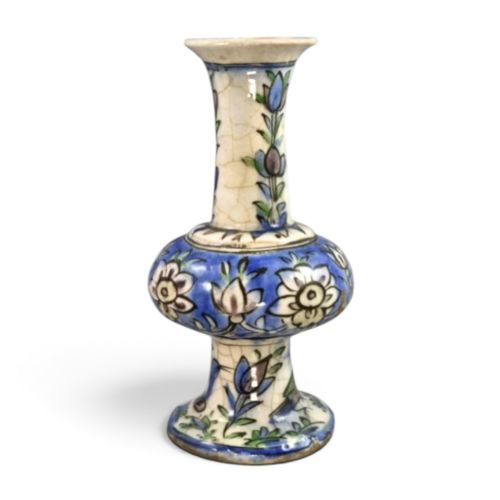
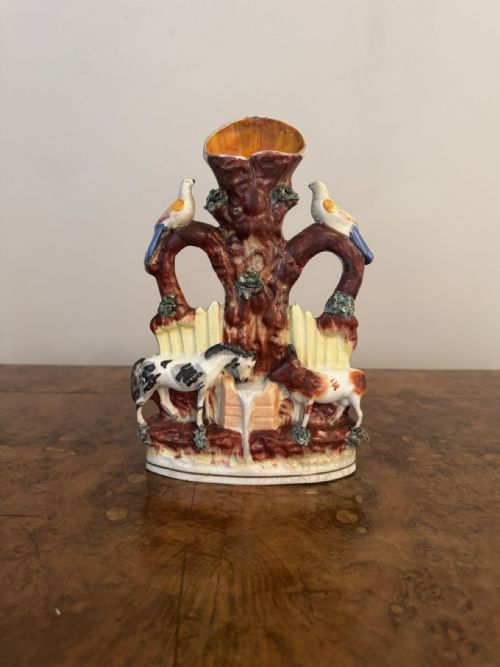
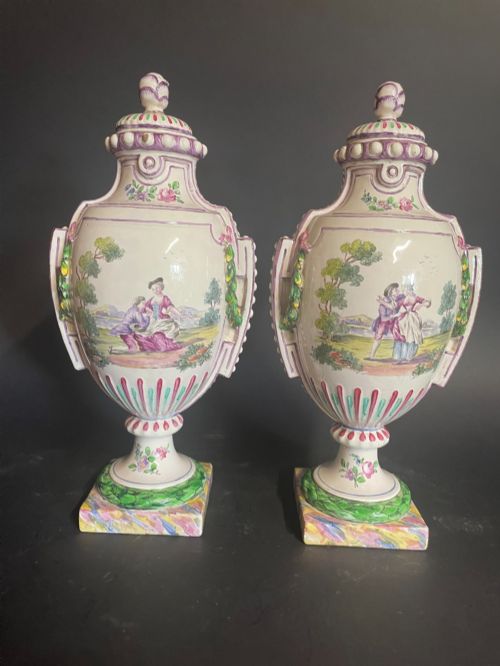
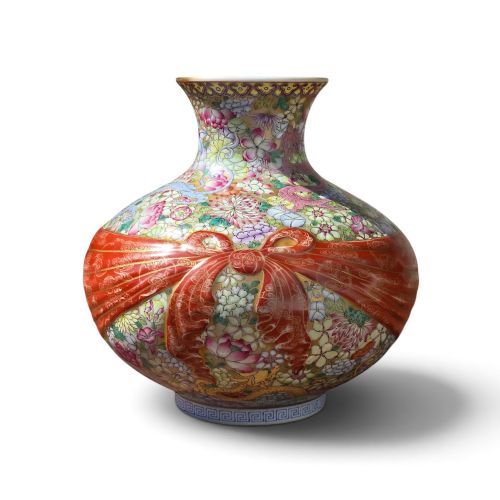
A polychrome glazed ceramic vase brings vibrant colour and layered pattern into a room through hand-painted pigments and fired glazes.
Polychrome Glazed Ceramic Vase
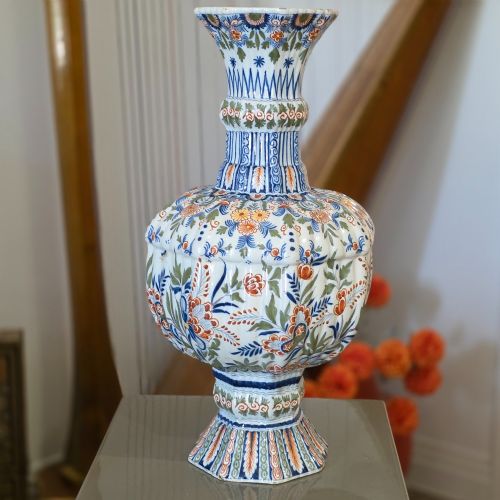
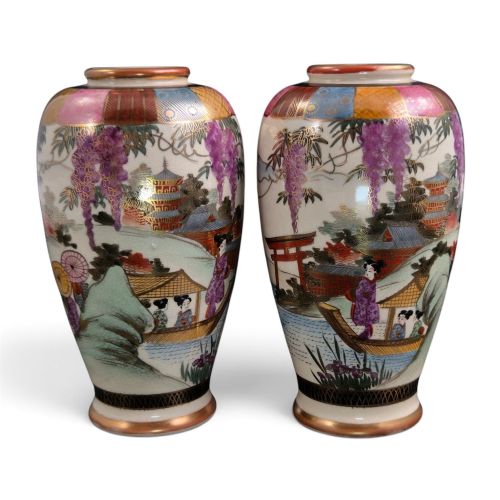
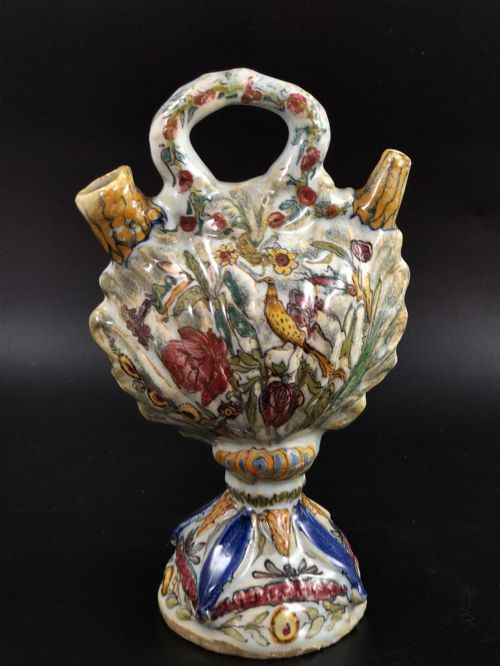
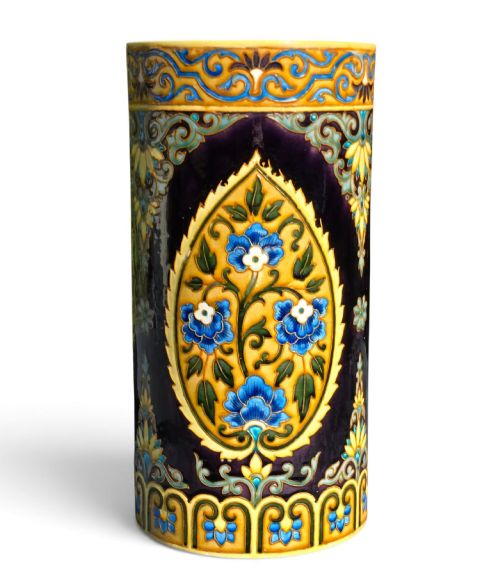
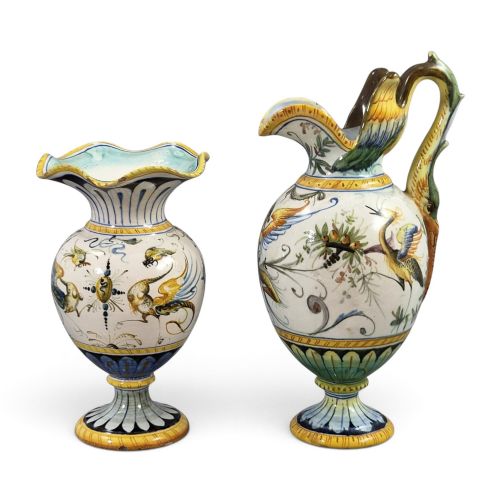
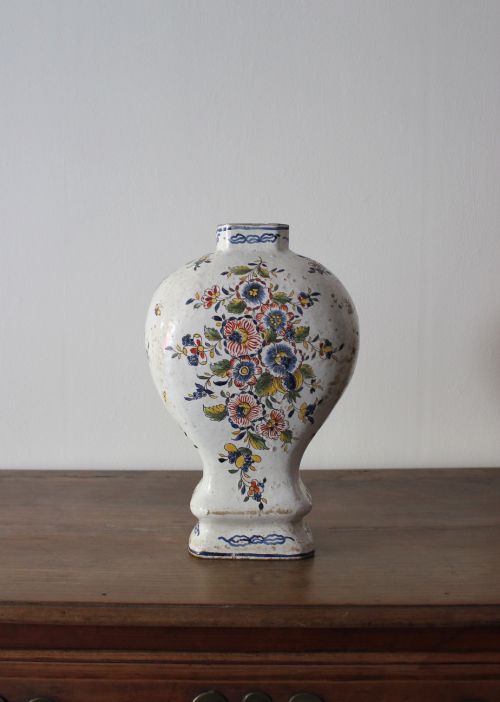
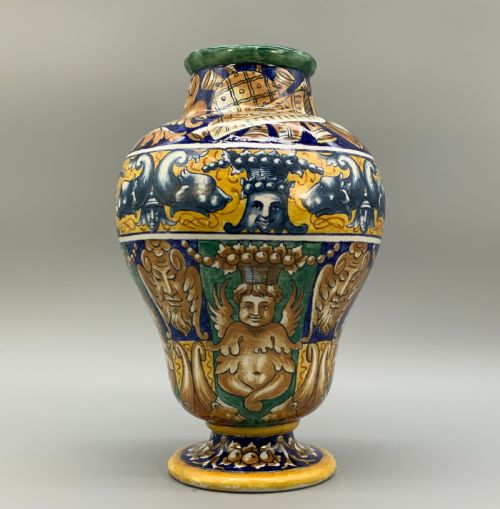
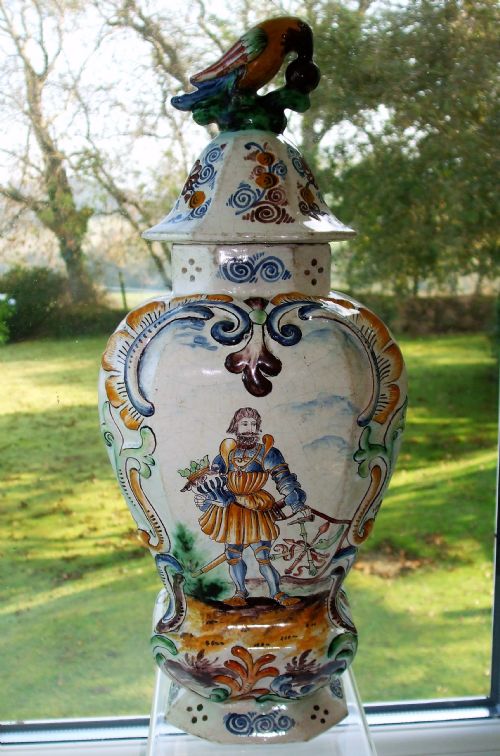
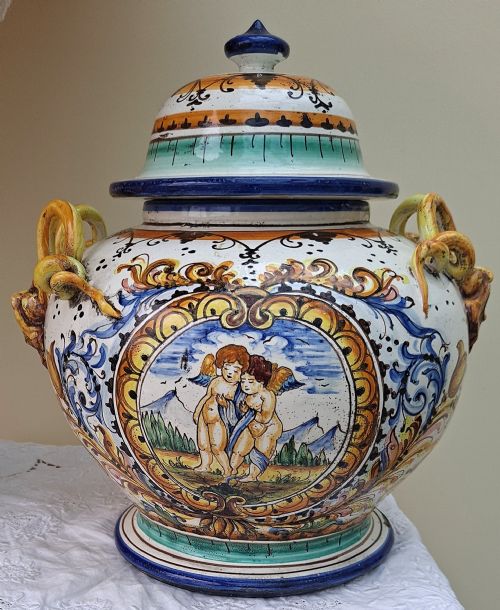
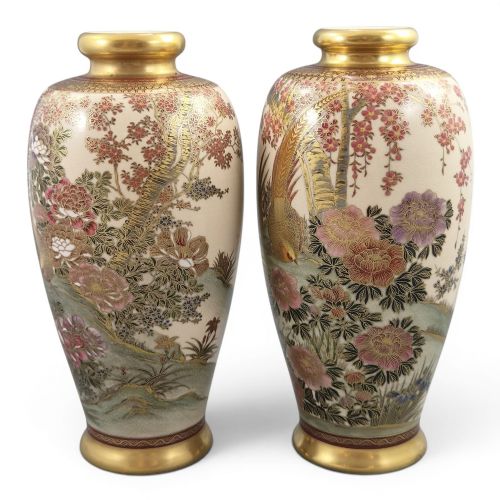
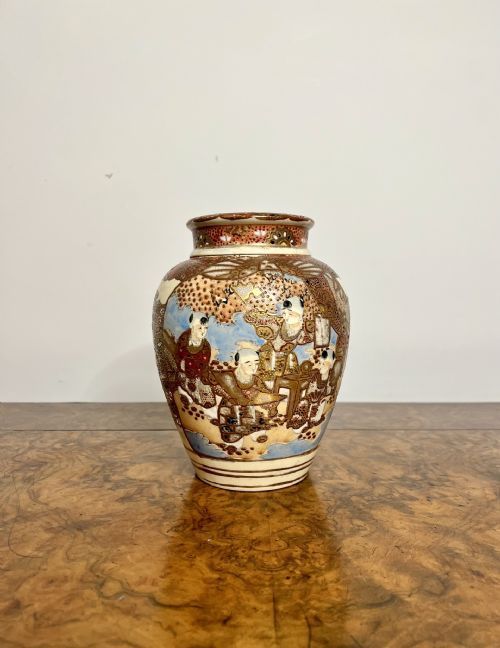
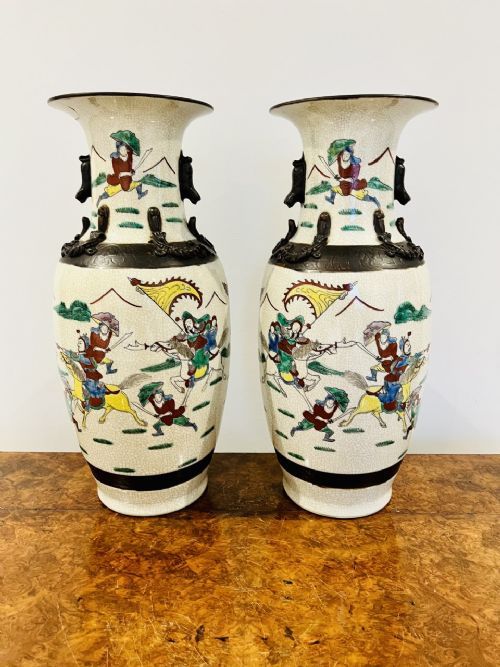
A polychrome glazed ceramic vase encompasses various historic forms, including lidded jars, pilgrim flasks, ewers, and tall umbrella stands. These vessels arrive from diverse traditions such as Dutch Delftware, Japanese Satsuma, Italian Majolica, and Chinese porcelain production.
The selections span centuries of craftsmanship, ranging from eighteenth-century earthenware to nineteenth-century revival styles and early twentieth-century pieces. Buyers frequently encounter nineteenth-century Japanese Satsuma wares and eighteenth-century Delft pieces on this page.
Makers utilised earthenware, tin-glazed surfaces, and porcelain as foundations for complex painted decoration. Forms vary from small cabinet miniatures to large decorative display urns intended for prominent placement.
Materials and production methods
Potters shaped ceramic, earthenware, and porcelain bodies by hand or on the wheel before applying absorbent grounds like tin glaze. Artisans then painted multi-coloured enamel pigments directly onto the prepared surface prior to high-temperature firing.
Certain pieces incorporate applied gold leaf or raised enamel details to accentuate floral panels, landscapes, and figural scenes. The combination of metallic oxides and protective glaze layers created the durable coloured finishes seen across these historic traditions.
Several cats made of pottery now sit quietly on walls, watching the room through painted eyes.
Distinctions in quality
Quality rests upon the precision of the hand-painted brushwork and the clarity of the polychrome palette. Superior examples display disciplined control in intricate floral or figural motifs without muddying the underlying glaze.
The sophistication of the form and the crispness of the fired glaze define the upper tier of the range. Pieces retaining clear factory signatures or attributed to skilled workshops demonstrate greater artistic ambition.
Théodore Deck·Cantagalli Florence·Manpei Kobe·Kinzan·Kinkozan·Gao Hengsheng
The Polychrome Glazed Ceramic Vase Glossary
- Majolica
- Tin-glazed earthenware decorated with colourful metallic oxide paints on an opaque white ground. This technique flourished across Renaissance Italy and later inspired nineteenth-century revivalist makers.
- Delftware
- Tin-glazed pottery produced in the Netherlands featuring characteristic white surfaces painted in blue, red, and yellow pigments. Eighteenth-century examples often display vibrant floral or architectural designs.
- Satsuma
- Japanese earthenware pottery featuring a crackle-glaze finish decorated with elaborate polychrome enamels and gilding. These pieces originated in Satsuma Province and gained immense popularity during the Meiji period.
- Polychrome
- Decoration employing multiple distinct colours across a single ceramic surface. Artisans applied these mineral pigments beneath or over the glaze before firing.
- Ewer
- A large jug with a wide spout and arched handle designed for pouring liquids. In decorative ceramics, these vessels often served purely ornamental functions.
Polychrome Glazed Ceramic Vase: Frequently Asked Questions
How do I care for a historic ceramic vase?
Dust the surface gently with a soft, dry cloth to prevent accumulation. Avoid water immersion or chemical cleaning agents, which can damage aged glazes and delicate enamels.
Keep pieces away from direct sunlight and fluctuating temperatures to protect the ceramic body and painted decoration over time.
How do I distinguish Delftware from other ceramics?
Delftware relies on a tin-glaze applied over a buff earthenware body to create an opaque white background. Painters then applied mineral pigments directly onto the unfired glaze before a final protective firing.
Traditional Dutch pieces often display botanical motifs, maritime scenes, or Chinoiserie patterns executed in rich colour palettes.
What is the difference between earthenware and porcelain?
Earthenware utilises porous clay fired at lower temperatures, requiring an opaque glaze like tin enamel to hold liquids and provide a decorative surface. It forms the heavy, tactile body typical of majolica and traditional Delftware.
Porcelain employs refined white kaolin clay fired at extremely high temperatures, resulting in a dense, vitrified material that rings when struck and requires no glaze for impermeability.