
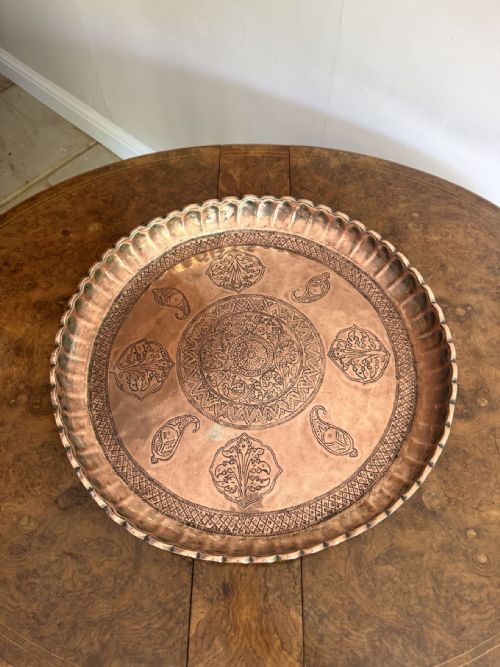


Decorative Brass Wall Dish
A decorative brass wall dish brings rich metallic texture and intricate handwork to an interior, drawing the eye instantly to its surface.
Decorative Brass Wall Dish
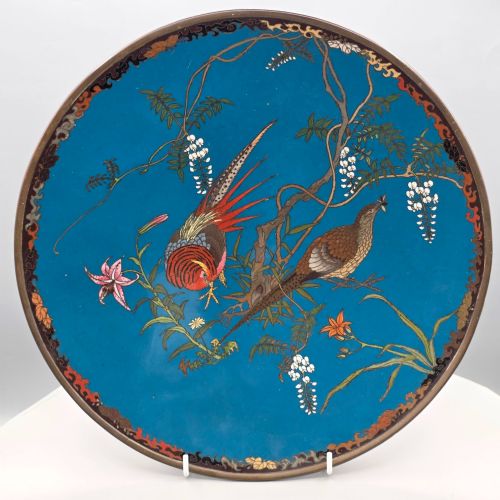
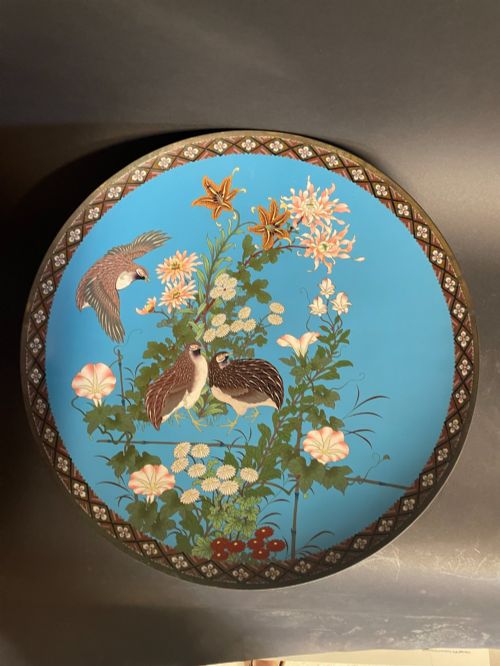
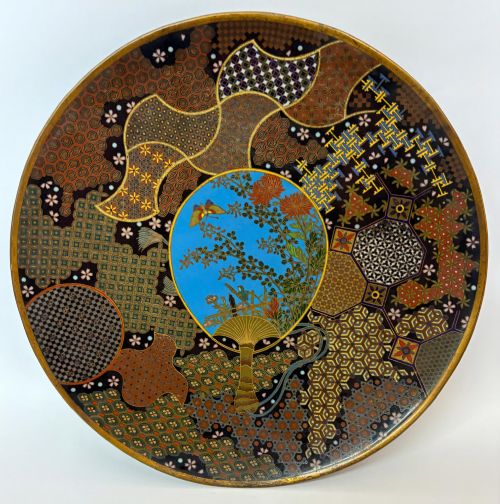
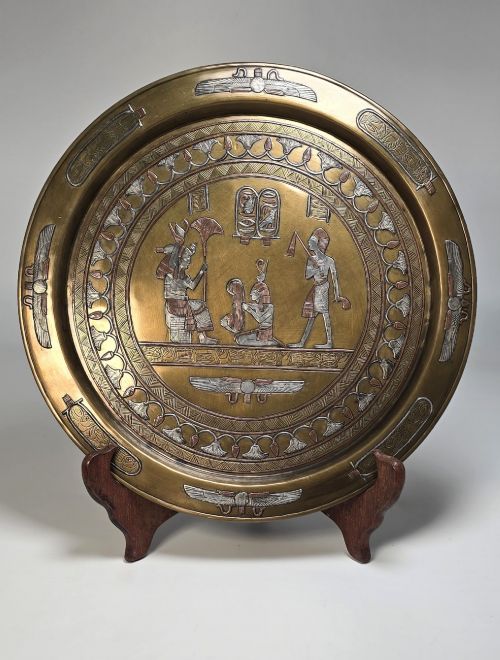
A decorative brass wall dish spans several distinct cultural traditions, ranging from British Arts and Crafts hammered work to Japanese Meiji period cloisonne and Middle Eastern metalwork. You will frequently encounter large circular plates and chargers produced during the late nineteenth and early twentieth centuries.
The selection includes heavy brass chargers alongside copper, bronze, and mixed metal platters decorated with animal motifs, landscapes, and traditional patterns. Many examples originate from the Victorian era and the broader nineteenth century, reflecting global exchange and domestic display habits of the period.
How they were made
Artisans employed hammering, embossing, and hand-piercing techniques on brass and copper bases to create textured surfaces and raised relief patterns. Surface decoration frequently involved silver inlay, gold inlay, and vibrant enamel work fused to metal bodies.
Makers utilised patinated finishes and mixed metals to achieve tonal depth, particularly within Japanese workshops and Middle Eastern metalworking traditions. Edges were turned or shaped by hand, resulting in robust circular trays designed for vertical suspension.
Listings feature brass, copper, bronze, and silver alongside enamel and gold inlay across the nineteenth and twentieth centuries.
What varies in quality
Quality rests upon the precision and complexity of the surface ornamentation, whether through fine cloisonne wirework, deep hand-chasing, or intricate metal inlay. Superior examples display balanced composition and crisp detail across the entire plate.
The choice of materials and the depth of the metal patina dictate the visual weight of the piece, with mixed-metal and multi-layered enamel constructions representing the more accomplished end of the spectrum.
The Decorative Brass Wall Dish Glossary
- Charger
- A large decorative plate or tray intended for display rather than table service. These substantial vessels form the core of wall-hanging metalwork.
- Cloisonne
- An enamelling technique where metal wire forms compartments on a brass or copper base, which are then filled with coloured paste and fired. This method creates intricate pictorial designs.
- Patinated copper
- Copper treated with chemicals or heat to produce a controlled aged surface finish. This treatment enhances the visual contrast of inlaid metals.
- Cairo Ware
- Metalware produced in Egypt during the late nineteenth century featuring dense silver and copper inlay. These decorative objects gained popularity during the Grand Tour period.
- Alms dish
- A traditional European church basin used for collecting offerings, often made of embossed brass. Earlier antique iterations appear alongside nineteenth-century decorative plates.
Decorative Brass Wall Dish: Frequently Asked Questions
How do I hang a heavy brass wall dish safely?
Most substantial chargers require a secure spring-loaded brass wall hanger that grips the rim firmly without damaging the metal.
Ensure the fixing enters solid masonry or uses a heavy-duty wall plug suited to the weight of the bronze or brass plate.
Are these dishes meant for food use?
These pieces are strictly ornamental items created for interior display rather than culinary service. Many older examples feature delicate enamel work, specialised patination, or metal inlay that precludes practical use with food.
Cleaning should remain minimal to preserve the historic surface and any applied patination.
How do I identify a Meiji period Japanese dish?
Japanese Meiji period pieces typically display meticulous cloisonne enamel work depicting natural subjects such as birds, dragons, and chrysanthemums. The metal bases often incorporate mixed metals or fine wire framing.
Signatures or maker marks occasionally appear on the reverse or within the design field of higher quality chargers.
What is the difference between Arts and Crafts and Middle Eastern metalwork?
Arts and Crafts chargers, such as those associated with the Newlyn school, tend to feature hand-hammered surfaces with naturalistic or fish motifs in solid brass. Middle Eastern and Cairo Ware pieces rely heavily on dense silver and copper inlay across patinated copper surfaces.
Each style reflects the distinct decorative priorities and metalworking techniques of its region of origin.