




Decorative Brass Urn
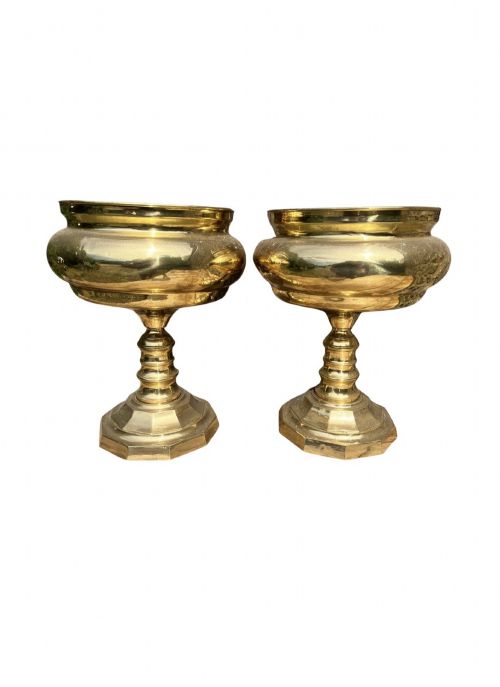
These decorative brass urn pieces bring nineteenth-century weight and classical form to a mantel or hall table.
Decorative Brass Urn
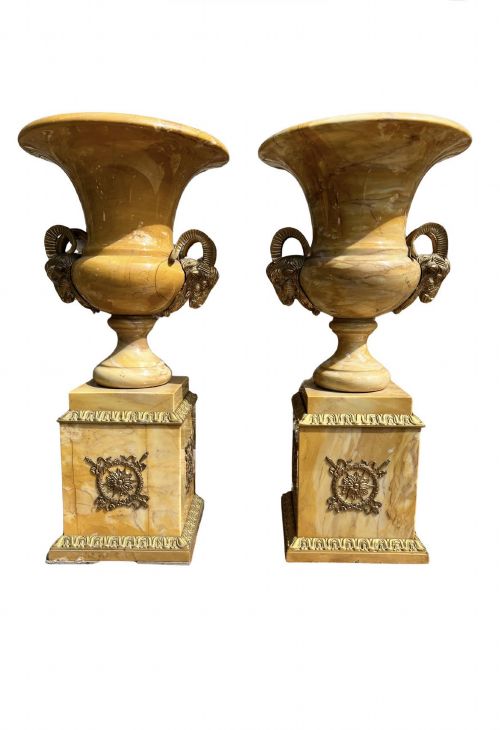
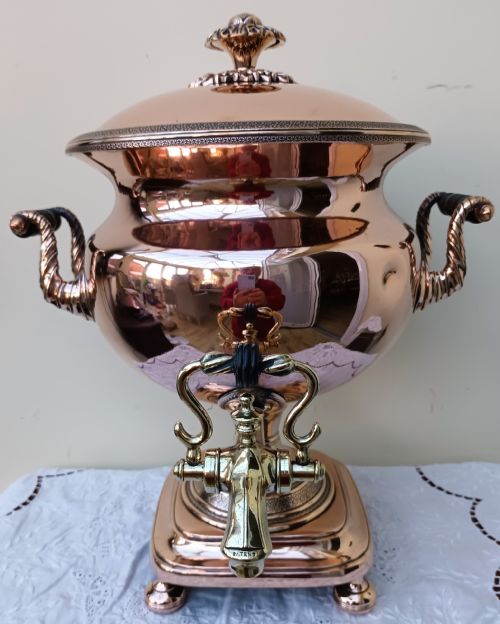
A decorative brass urn search brings together metal vessels, campana shapes, and classical mantel ornaments spanning the nineteenth century into the Edwardian decades. Buyers find objects intended for display, from heavy copper samovars to French bronze ewers and pierced jardinieres.
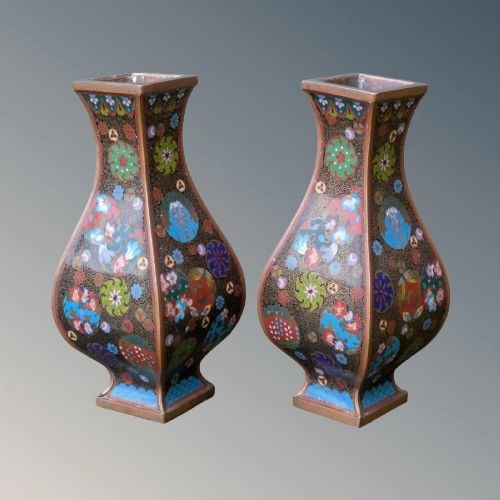
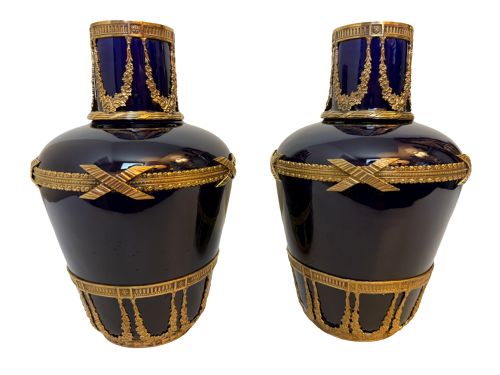
The versions most common on this page are nineteenth-century pairs, often incorporating cast brass, copper, or gilt bronze alongside marble and slate bases. These include items shaped in the Neoclassical taste or sourced from Chinese export workshops.
How They Were Made
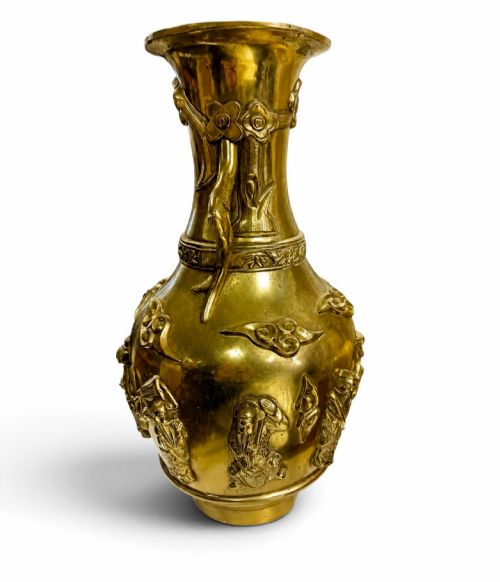
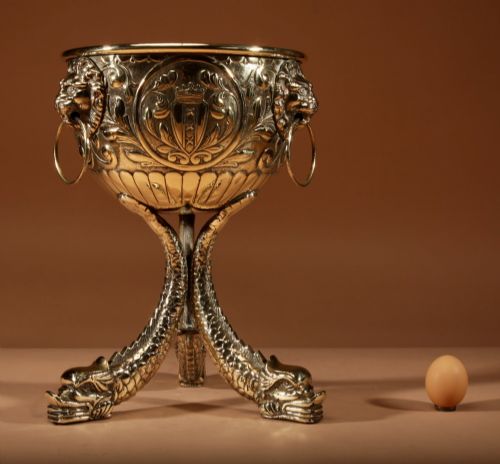
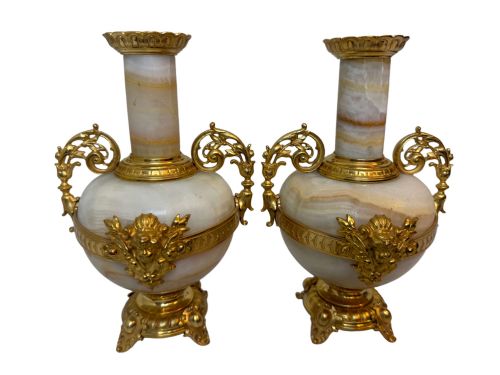
Maker workshops utilised casting, embossing, and chasing techniques to work brass, copper, and bronze into complex relief patterns and floral motifs. Many pieces combine metals with natural stone elements like Sienna marble, white onyx, and slate.
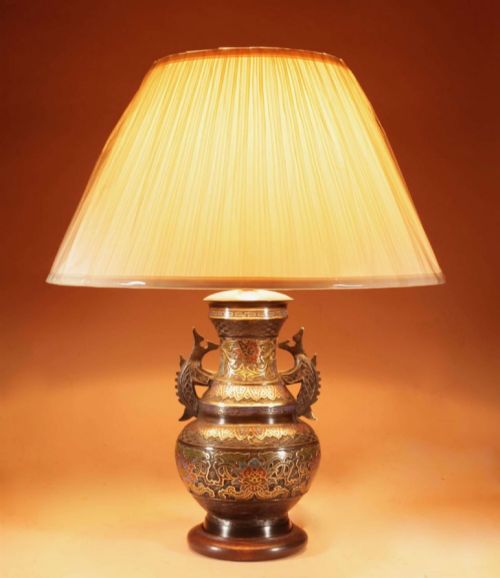
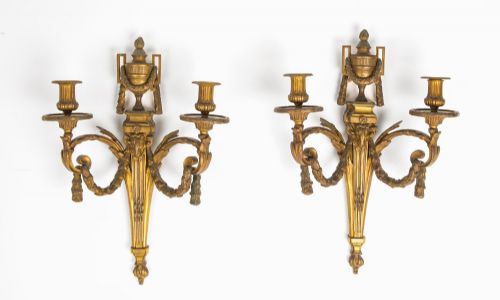
Surfaces frequently show applied treatments such as ormolu gilding, enamel inlay, or champleve work. Construction methods range from heavy cast components joined mechanically to hand-beaten copper body panels.
Several pieces double as water barrels or log bins, proving that even a decorative urn appreciates a practical day job.
What Varies in Quality
Quality rests on the crispness of the cast ornamentation and the depth of the hand-chased detail on the metal surface. Superior examples exhibit sharply defined foliage, masks, and figures without softness in the tooling.
The selection of secondary materials dictates overall execution, with genuine marble bases and fire-gilded ormolu trim marking the higher tier of production. Weight and structural integration also divide standard utilitarian vessels from fine salon ornaments.
The Decorative Brass Urn Glossary
- Ormolu
- Gilded bronze mounted on decorative objects and furniture. The technique involves applying a fine layer of gold amalgam to a bronze base before heating.
- Campana
- A bell-shaped vessel form originating in classical antiquity. These pieces flare outward toward the rim and sit upon a short pedestal base.
- Samovar
- A heated metal urn traditionally used to boil water for tea. Examples often feature a central internal vertical tube and tap spigot.
- Jardinere
- An ornamental pot or stand designed to hold plants or flowers. These items appear in embossed brass, copper, and ceramic variants.
- Champleve
- An enamelling technique where troughs or cells are carved into the metal surface and filled with vitreous paste before firing.
Decorative Brass Urn: Frequently Asked Questions
What is a decorative brass urn used for?
These metal vessels served as interior display ornaments, mantel garnitures, or functional containers in nineteenth-century rooms. They brought classical proportion and metallic warmth to domestic settings.
Today, buyers place them on sideboards, tables, or fire surrounds as sculptural accents. Some larger examples also function as planters or holders for dried stems.
How do I date a brass urn?
Dating relies on examining the manufacturing marks, assembly methods, and prevailing stylistic influences. Pieces showing heavy sand-casting, hand-chased detailing, or specific nineteenth-century revival styles typically point to Victorian or Edwardian production.
Comparing the metal composition and any associated stone bases to documented period pieces helps narrow the decade. Secondary materials like slate or white onyx often correlate with specific nineteenth-century French workshops.
Are these urns solid brass?
Many items feature solid cast brass or bronze construction, while others combine brass with copper, gilt bronze, or decorative metal alloys. Wall lights and mantel ornaments frequently incorporate internal iron or pinned components for structural support.
Surface finishes also vary, ranging from unpolished aged brass to fire-gilded ormolu and applied enamel work. The underlying material is usually visible at unlacquered interior seams or base connections.
How should I clean a brass urn?
Maintenance requires gentle dusting with a soft, dry cloth to prevent the buildup of airborne grime. Aggressive metal polishes should be avoided, as they can strip historical patination or damage delicate ormolu surfaces.
If cleaning is necessary, use a mild, non-ionic solution applied sparingly with a soft brush. Preserving the natural oxidation layer helps maintain the age and character of nineteenth-century metalwork.