






Gold Brass Planter
These gold brass planter vessels bring metallic warmth and texture to interior spaces, combining utility with distinct period character.
Gold Brass Planter
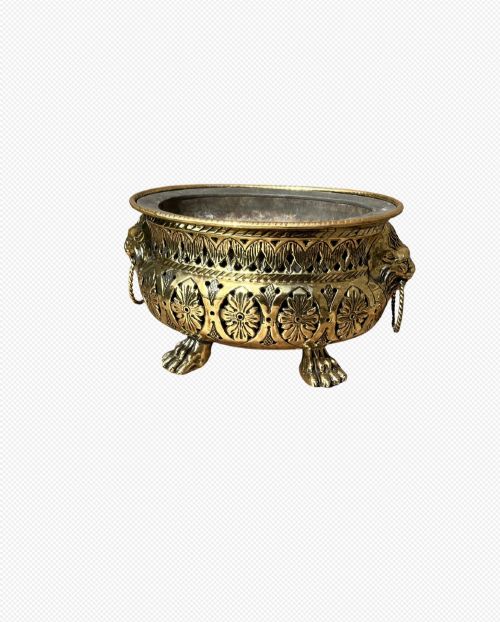
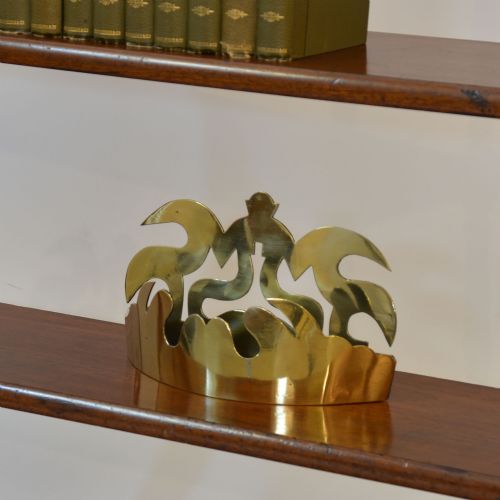
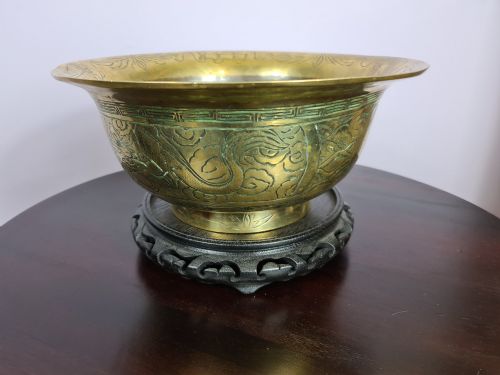
A gold brass planter encompasses a range of metal vessels designed to hold plants, including jardinieres, cachepots, and wall pockets. When searching for a gold brass planter, buyers encounter nineteenth-century Victorian forms alongside older or revival styles.
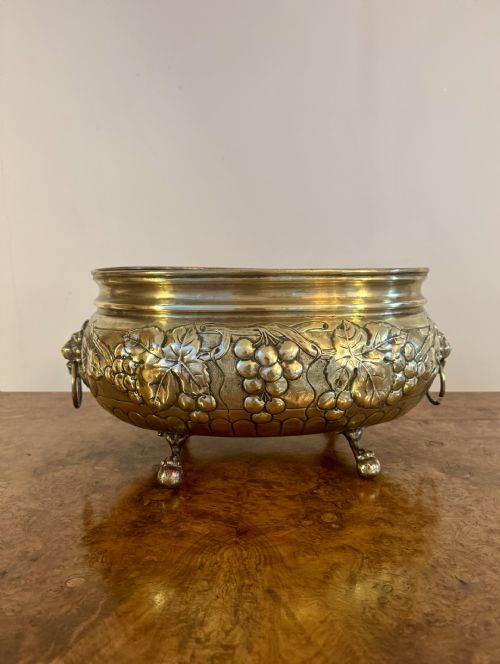
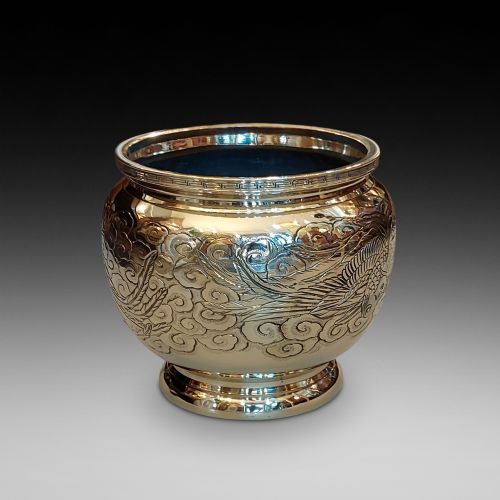
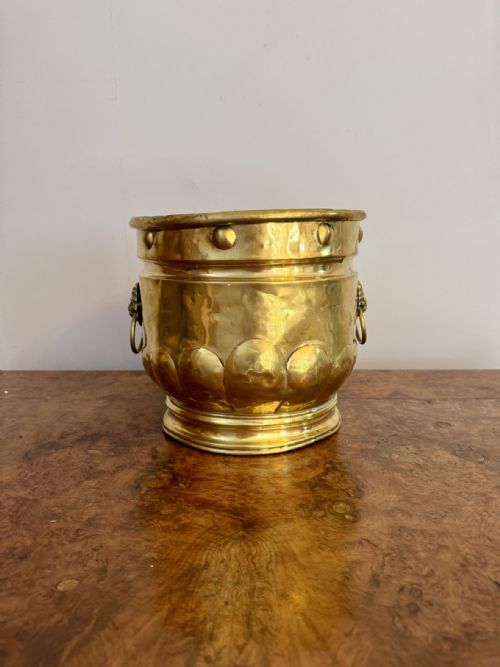
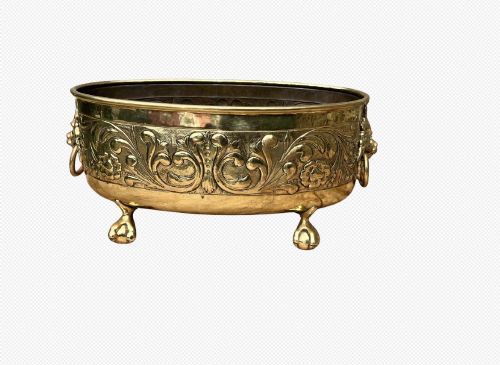
The selections span from simple polished brass bowls to ornate campaign buckets and repoussé troughs. Many examples originate from Victorian Britain, France, and China, showing diverse stylistic influences from Gothic to Aesthetic Movement.
Materials and construction methods
Construction relies heavily on brass, bronze, and copper, sometimes paired with wood or fitted with zinc linings to handle moisture. Artisans utilised techniques such as casting, piercing, and repoussé work to hammer and shape the metal.
Gilding and ormolu mounts appear on French and revival pieces, adding decorative surface detail to the structural metal body. Heavy gauge brass and bronze provide the durability seen in larger campaign buckets and troughs.
Gold Brass Planter Retail Price Guide 2026
Typical asking prices for gold brass planter among the pieces listed under this phrase on Sellingantiques today, from the lower quarter to the upper quarter. They describe what is for sale here now, not the wider market.
Listings feature materials spanning brass, bronze, copper, and ormolu, alongside wood and zinc components.
Assessing quality in metal planters
Quality rests on the crispness of the chasing, the depth of the repoussé relief, and the thickness of the metal used. Heavy gauge brass and cast bronze elements demonstrate superior material substance compared to thin pressed sheets.
Integration of secondary materials like mahogany or patinated ormolu mounts indicates finer workshop execution. The precision of piercing and the integrity of soldered or riveted joints further distinguish standard domestic vessels from exceptional decorative pieces.
The Gold Brass Planter Glossary
- Jardiniere
- An ornamental pot or stand for holding plants or flowers. These vessels often feature decorative handles or feet.
- Repoussé
- A metalworking technique where the metal is hammered from the reverse side to create a raised design in relief. This method creates textured surfaces on planters and bowls.
- Cachepot
- An ornamental container used to conceal an ordinary flower pot. Unlike direct planters, these often lack drainage holes.
- Ormolu
- Gilded bronze applications mounted onto furniture or decorative objects. The technique produces a bright gold appearance on bronze surfaces.
- Campaign bucket
- A sturdy metal bucket originally designed for travel or military use, repurposed as a heavy planter or log bin. These items typically feature strong swing handles.
Gold Brass Planter: Frequently Asked Questions
How do I clean an antique brass planter?
Dust gently with a soft dry cloth to preserve the historic surface and patina. Avoid harsh chemical polishes that strip away the aged character accumulated over decades.
For stubborn residue, use mild soapy water on a damp cloth, drying the metal immediately afterwards to prevent spotting.
Can I plant directly into these vessels?
Many period pieces, particularly older metal bowls and buckets, lack internal drainage holes. Direct planting risks moisture retention that can damage the interior metal over time.
Instead, use a smaller plastic pot inside the vessel that can be removed for watering.
What is a zinc lined planter?
A zinc lining is a protective metal insert fitted inside a brass or wooden body. It prevents water leakage and protects the outer structure from soil corrosion.
These linings are common in nineteenth-century troughs and campaign buckets built for heavy daily use.
How do I date a brass planter?
Examine the manufacturing marks, construction joints, and stylistic motifs present on the body. Hand-hammered repoussé work and specific revival styles often point to nineteenth-century production.
Heavier cast components and patination help differentiate Victorian examples from twentieth-century reproductions.