
Decorative Brass Lamps
These decorative brass lamps bring warmth and character to a room, spanning styles from Victorian oil lamps to Art Deco lighting.

Decorative Brass Lamps
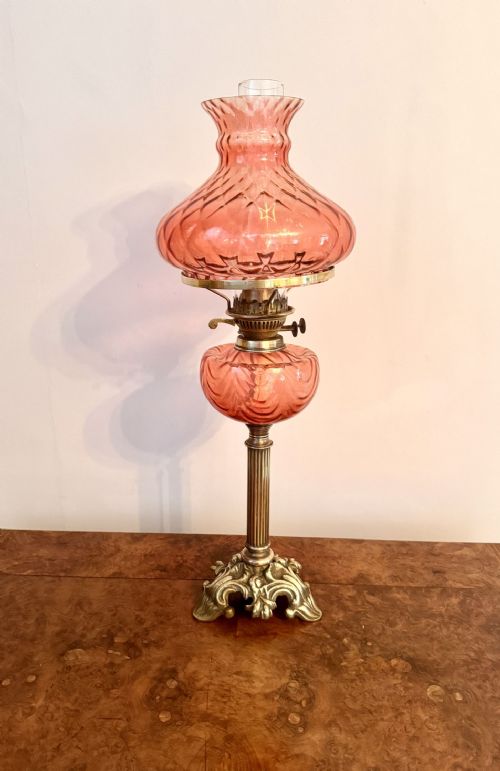
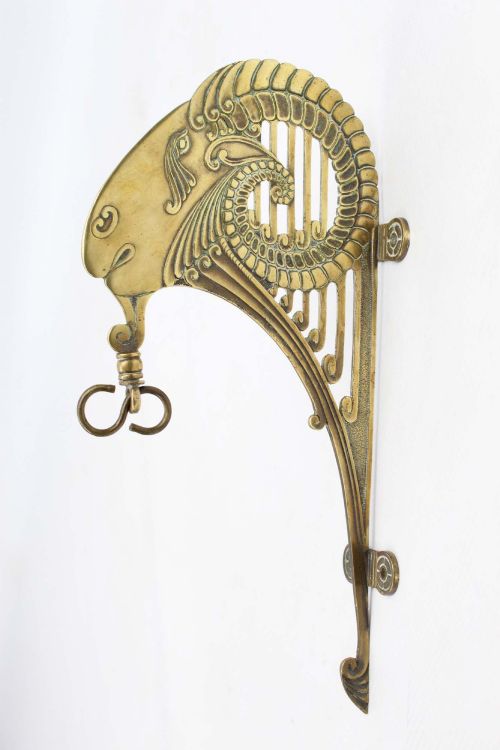
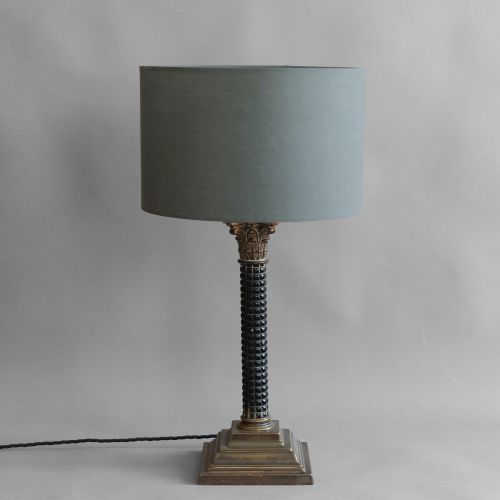
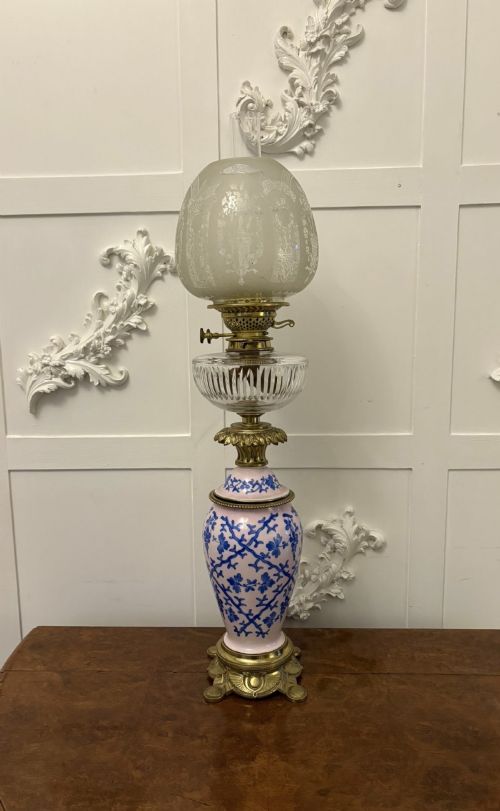
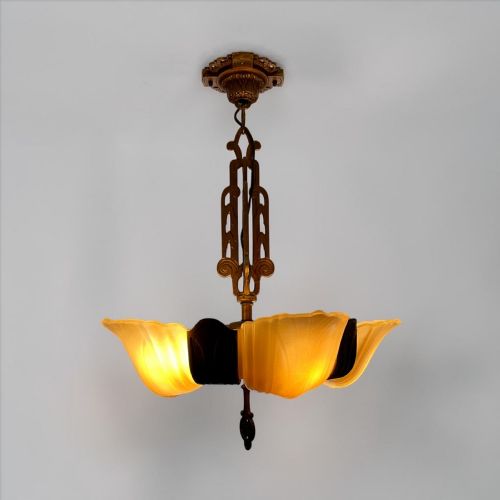
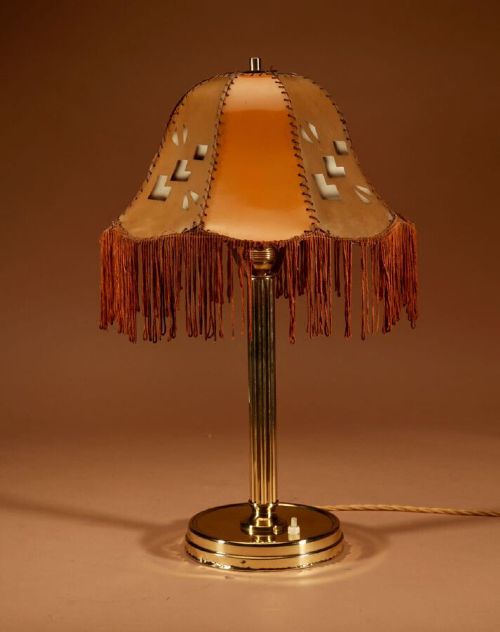
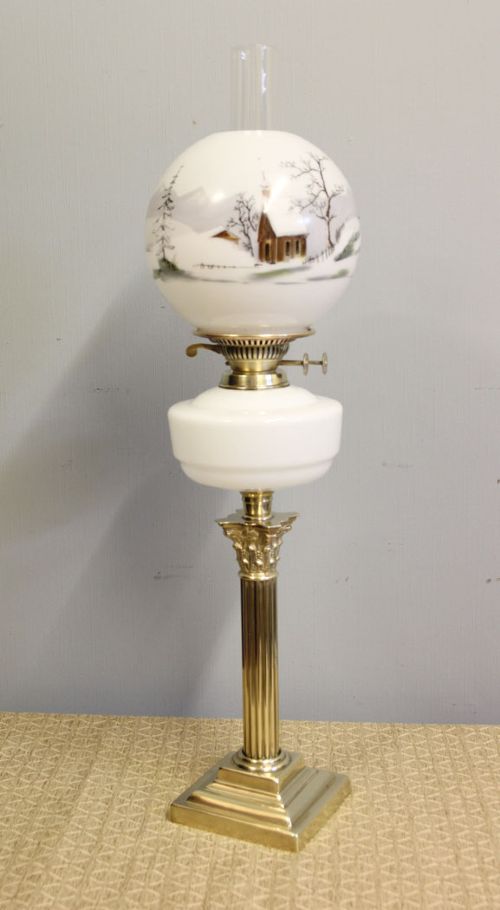
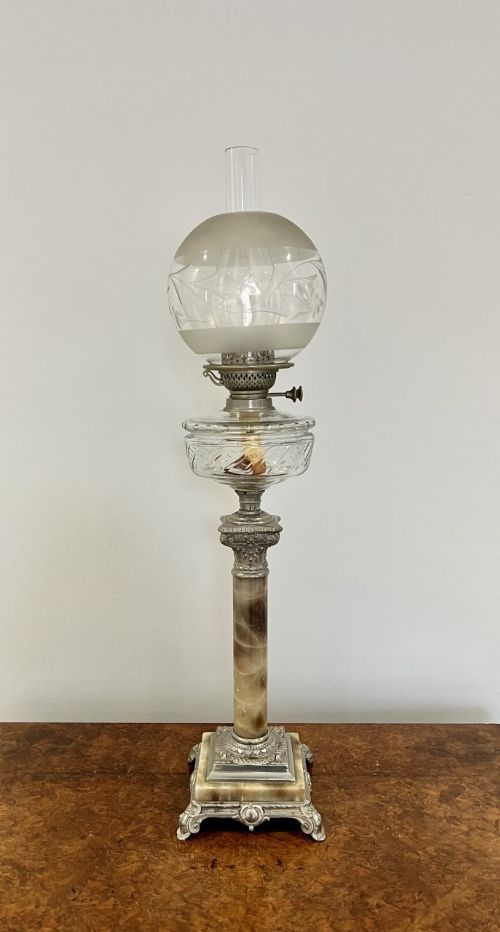
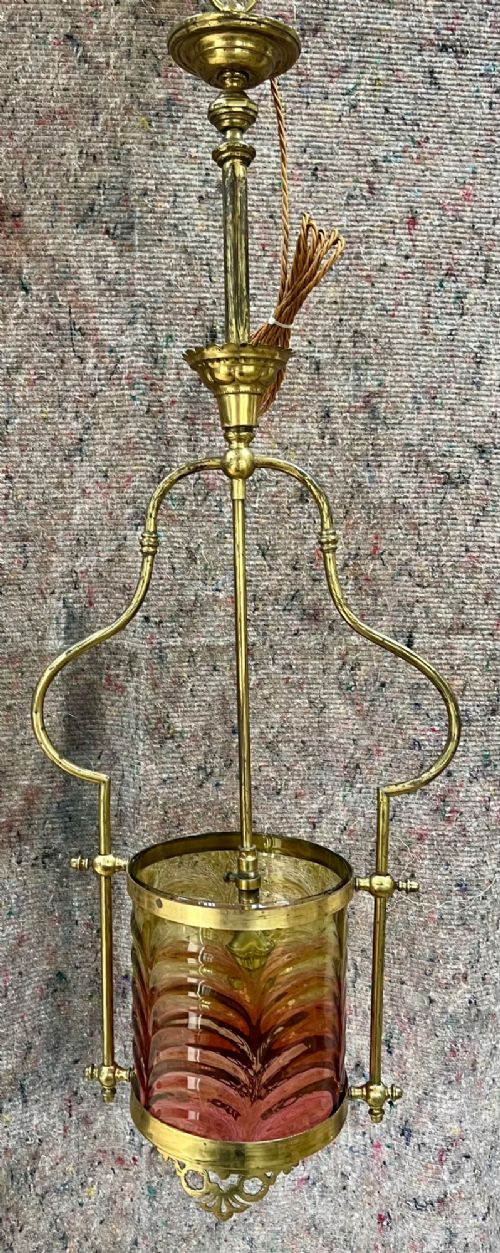
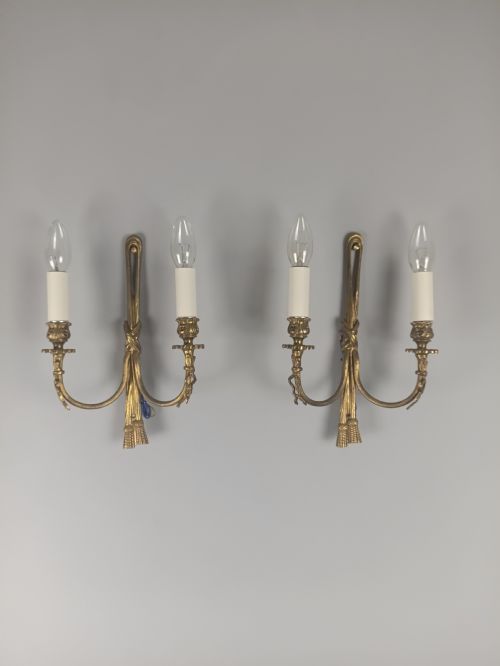
Decorative brass lamps encompass a diverse array of lighting forms, including table lamps, oil lamps, wall lights, and floor lamps spanning the nineteenth and early twentieth centuries. When searching for decorative brass lamps, buyers encounter pieces ranging from Victorian Corinthian column oil lamps to Art Nouveau standard lamps and French Empire style wall lights.
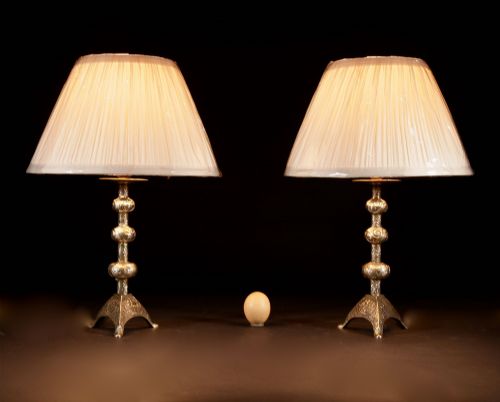
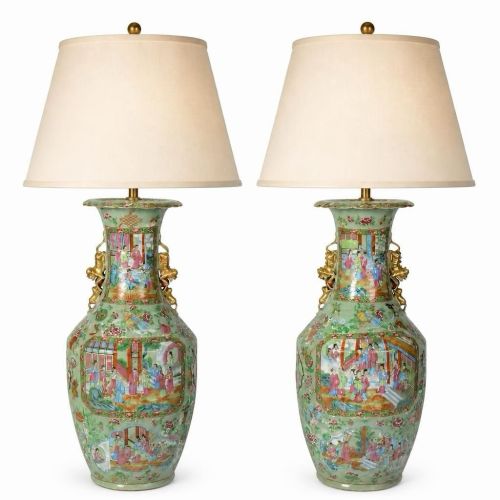
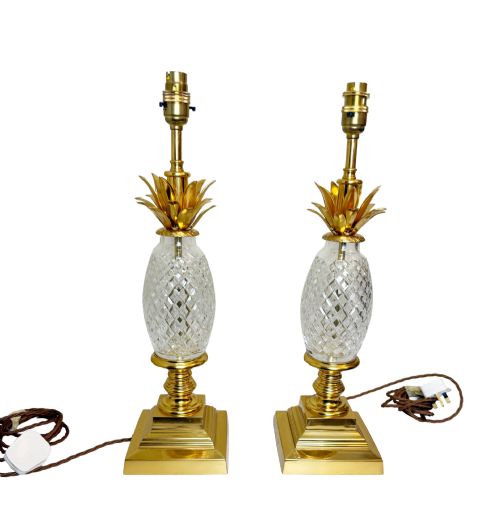
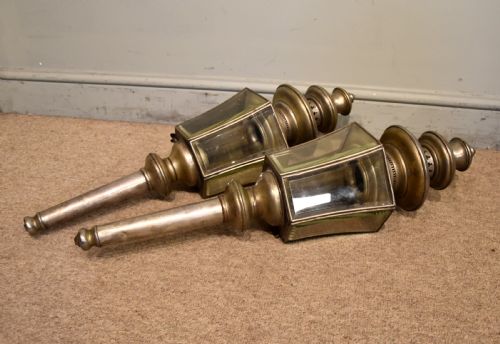
The selection frequently includes paired items, such as gilt bronze pineapple lamps, carriage lights, and slender candlesticks converted for illumination. Materials often intersect with brass, incorporating glass shades, porcelain fonts, onyx bases, and delicate fabric elements.
Origins stretch across British, French, and American workshops, touching upon Neoclassical, Art Deco, and Edwardian aesthetic movements. Buyers will find both practical lighting solutions and sculptural objects that anchor a room's decorative scheme.
What varies in quality
Quality rests upon the crispness of the casting and the depth of the hand-finishing, distinguishing mass-produced commercial items from finely chased studio pieces. Weight, rigidity in structural joints, and the integrity of applied gilding or ormolu dictate the tier of craftsmanship.
The sophistication of integrated materials sets superior examples apart, seen in the clarity of etched glass shades, the hand-painted detail on porcelain fonts, and the harmonious pairing of marble and brass. Original components and matched sets command greater appreciation than assemblages gathered later.
Listings feature brass alongside gilt bronze, porcelain, and ormolu across Victorian, Edwardian, and Art Deco styles.
WAS Benson
The Decorative Brass Lamps Glossary
- Ormolu
- Gilded bronze, where a mercury amalgam is applied to a bronze base to produce a rich metallic gold finish. This technique was widely utilised in French lighting and decorative metalwork.
- Corinthian column
- A classical architectural column form featuring ornate acanthus leaves on the capital, frequently adapted for nineteenth-century table and oil lamps.
- Champlevé
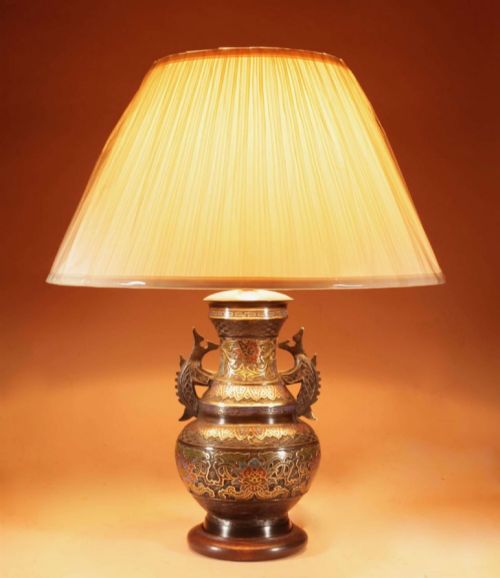
- An enamelwork technique where troughs or cells are hollowed out of a metal surface and filled with vitreous enamel before firing. Pieces utilising this method display vibrant coloured patterns.
- Slip shade
- A type of glass shade slotted directly into a ceiling light or table lamp frame, characteristic of Art Deco design.
Decorative Brass Lamps: Frequently Asked Questions
How do I identify a Victorian oil lamp?
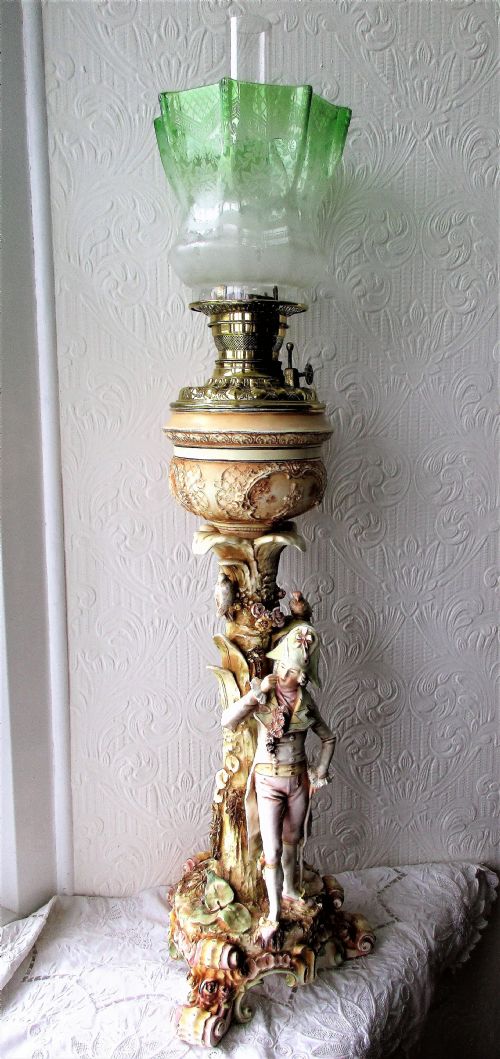
Victorian oil lamps typically feature heavy brass or ceramic bases combined with glass reservoirs and burners bearing period manufacturer patents. They often display robust proportions and elaborate embossing characteristic of nineteenth-century domestic metalwork.
Many retain their original etched or tinted glass shades, though conversions to electricity are common amongst surviving examples found today.
What is the difference between brass and ormolu?
Brass is an alloy composed of copper and zinc, valued for its warm metallic tone and durability across various lighting fixtures. Ormolu refers specifically to finely cast bronze that has been gilded with a gold-mercury mixture, yielding a deeper, richer finish.
While brass lamps were standard for everyday lighting, ormolu was reserved for high-end decorative pieces influenced by French Neoclassical and Empire aesthetics.
Are these lamps wired for modern use?
Surviving lighting pieces frequently undergo rewiring to meet contemporary electrical standards while preserving their original structural components and switch mechanisms. Conversions respect the historical integrity of the piece without altering visible metalwork.
Buyers should inspect the internal wiring upon acquisition to ensure compatibility with modern safety requirements and local household fittings.
How do I date an antique table lamp?
Dating relies upon stylistic markers, material combinations, and manufacturing techniques unique to specific periods such as the Edwardian era or Art Deco movement. Structural cues like column styles, shade fixings, and burner designs provide a reliable chronological framework.
Comparative analysis with documented pieces from the archive helps narrow down the decade of production.