

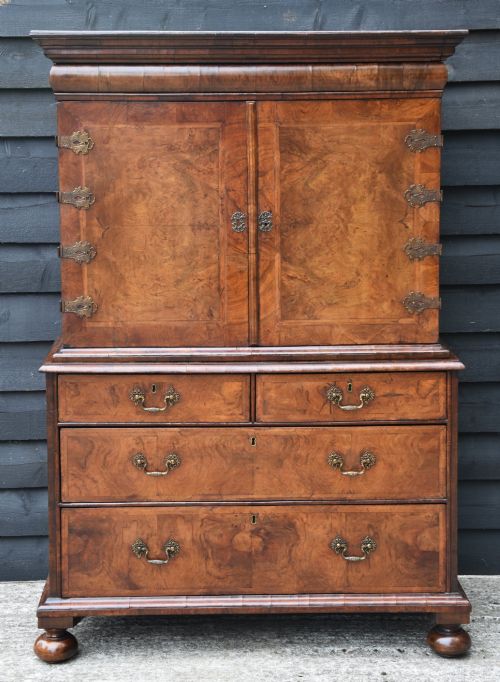
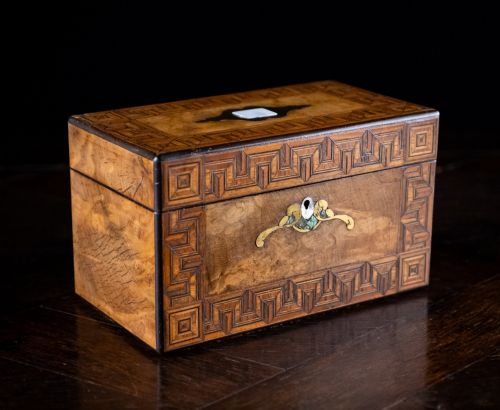

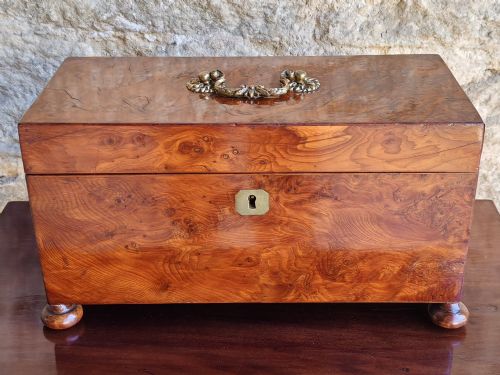
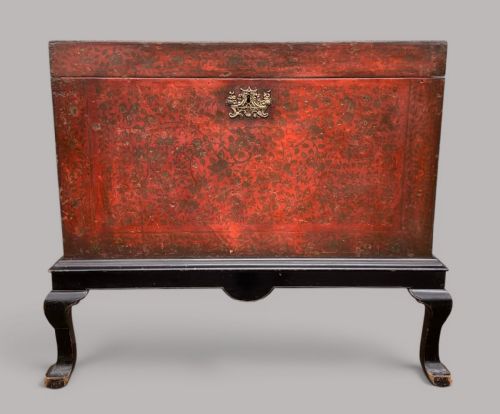

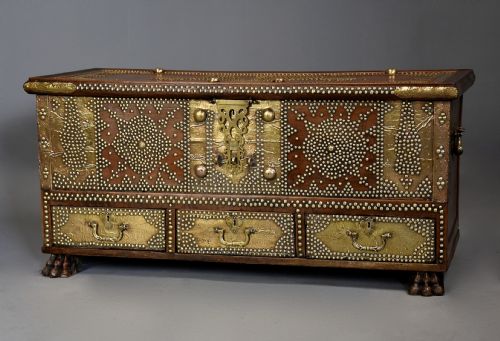

Decorative Brass Chest
These decorative brass chest pieces combine utility with metalwork, drawing on centuries of global cabinet-making traditions.
Decorative Brass Chest
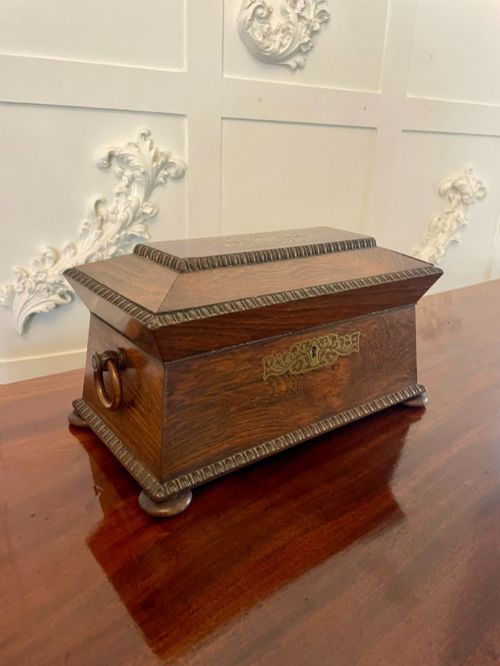
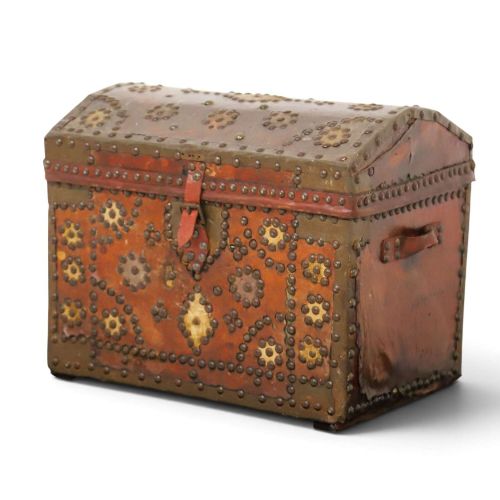
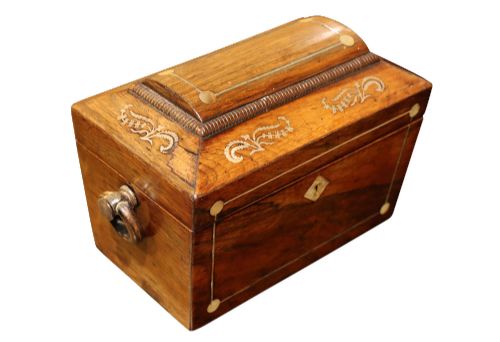
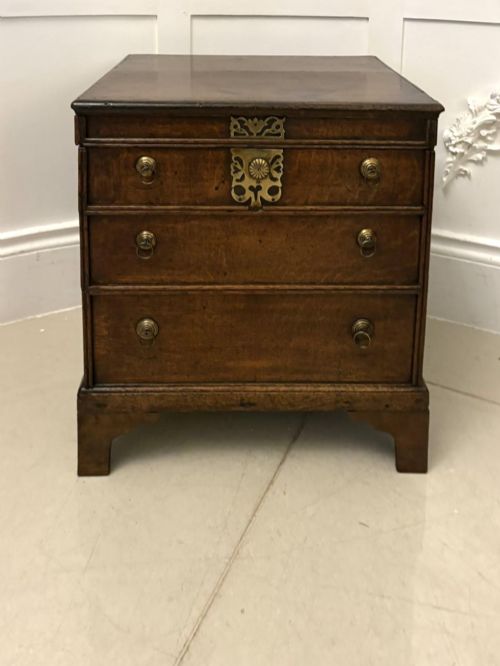
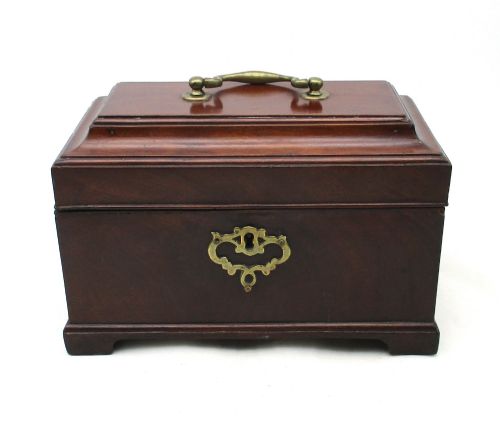
A decorative brass chest covers a broad spectrum of portable and stationary containers, ranging from tea caddies and jewellery boxes to travel trunks and strongboxes. Buyers searching this phrase encounter items spanning the eighteenth and nineteenth centuries, alongside pieces from the early twentieth century.
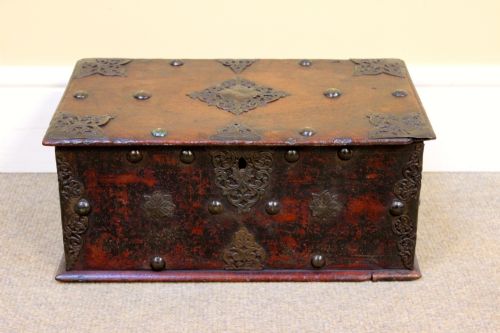
The selection on this page relies heavily on Victorian and Regency examples, alongside items originating from Zanzibar and broader international trade routes. Forms vary from small tabletop caddies to larger floor-standing trunks fitted with internal compartments.
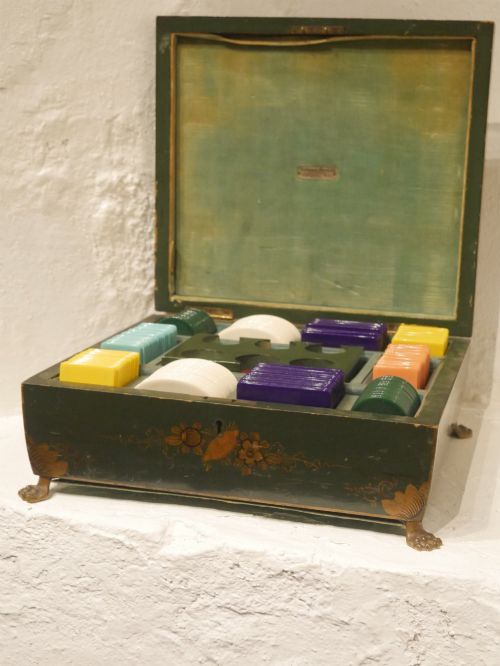
Materials extend beyond standard timber constructions to incorporate specialised finishes, reflecting diverse regional styles from English cabinet makers to Chinese export workshops.
Materials and construction
Construction typically combines a solid wood carcase utilising hardwoods such as walnut, rosewood, mahogany, and coromandel, often enhanced with decorative veneers like burr walnut or amboyna.
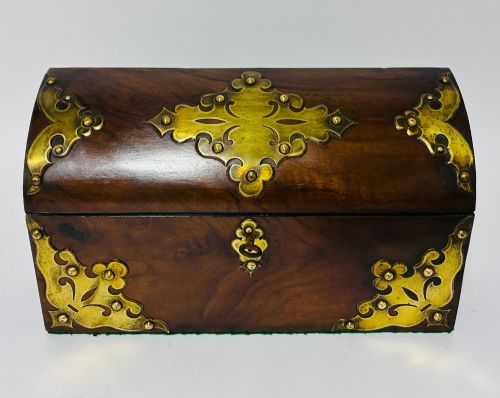
Brass provides the primary metal element, appearing as structural bound banding, studded nailheads, inlaid stringing, and functional lock plates or handles.
Surface details frequently incorporate supplementary materials including mother-of-pearl, bone, tortoiseshell, leather, and lacquer work to achieve textured ornamentation.
Decorative Brass Chest Retail Price Guide 2026
Typical asking prices for decorative brass chest among the pieces listed under this phrase on Sellingantiques today, from the lower quarter to the upper quarter. They describe what is for sale here now, not the wider market.
Secret letter compartments and hidden spring-loaded drawers frequently surprise handlers inspecting nineteenth-century strongboxes.
Judgments of quality
Quality rests upon the precision of the joinery and the integration of metal mounts into the wooden carcase, where flush inlay and tight mitres separate standard work from superior craftsmanship.
The complexity and scale of the brass ornamentation dictate the standing of a piece, with hand-tooled studs, intricate strapwork, and engraved escutcheons showing higher execution than mass-produced alternatives.
The Decorative Brass Chest Glossary
- Tea Caddy
- A small box designed to store tea leaves securely, often featuring internal compartments or canisters. These containers date primarily from the Georgian and Victorian eras.
- Zanzibar Chest
- A heavy wooden storage trunk characterised by dense brass studding, strapwork, and decorative metal plates. These pieces reflect nineteenth-century East African trade aesthetics.
- Escutcheon
- A protective brass plate surrounding a keyhole, frequently shaped as a decorative shield or cartouche. This element combines practical reinforcement with visual detail.
- Parquetry
- A geometric mosaic of wood pieces used for surface decoration on boxes and cabinets. Artisans select contrasting timbers to create patterned geometric designs.
- Strongbox
- A secure container reinforced with metal bands, designed to protect valuables or documents. These items often include complex internal locking mechanisms.
Decorative Brass Chest: Frequently Asked Questions
What were decorative brass chests used for?
These pieces served practical storage functions for valuable commodities, documents, tea, or personal items in domestic and travel settings.
Their robust construction and ornate metalwork allowed them to protect contents while remaining visually striking enough to display openly in rooms.
How do I identify the period of a chest?
Dating relies on examining the timber species, construction methods, and style of the brass mounts used throughout the piece.
Earlier eighteenth-century examples display different dovetailing and veneer techniques compared to Victorian or twentieth-century adaptations.
Where were Zanzibar chests made?
These strongboxes were produced primarily by coastal craftsmen in East Africa, incorporating trade influences from India, Arabia, and Europe.
Local workshops utilised native timber and applied elaborate brass motifs imported through maritime trading networks.
How should I care for wood and brass?
Maintenance requires keeping timber away from direct heat sources and moisture to prevent the wood from warping or cracking.
Brass elements benefit from gentle dusting, avoiding abrasive polishes that might damage the surrounding wood grain or lacquer finishes.