


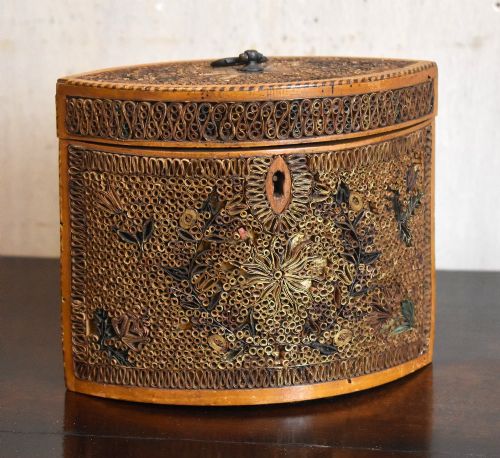


Decorative Tea Chest
A decorative antique tea chest organises leaf tea behind locked lids, offering finely figured wood, brass, and tortoiseshell for the table.
Decorative Tea Chest
A decorative antique tea chest takes the form of a caddy or small box designed to store precious tea leaves securely during the Georgian, Regency, and Victorian periods.
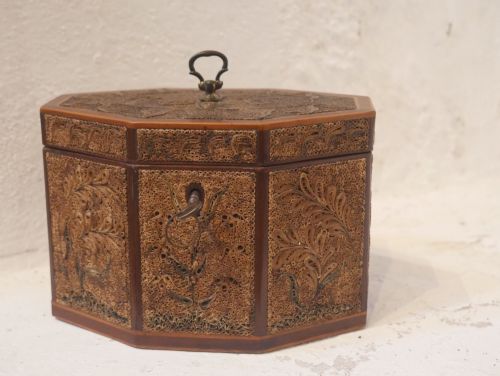
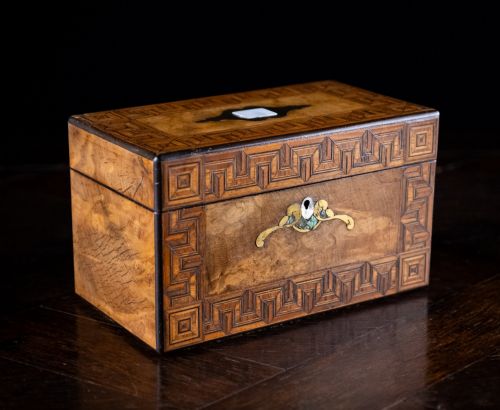
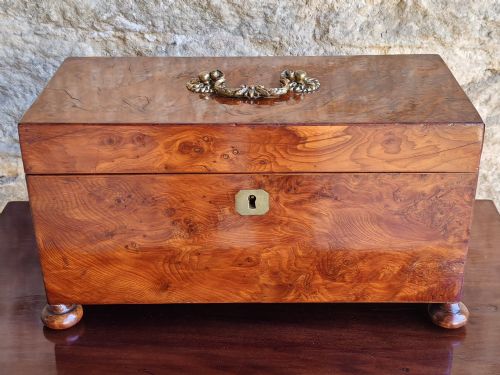
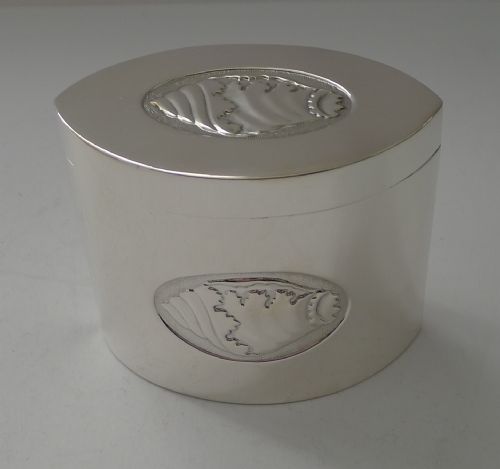
Buyers encounter rectangular, hexagonal, navette, and sarcophagus shapes fashioned from timbers such as mahogany, rosewood, walnut, and partridge wood.
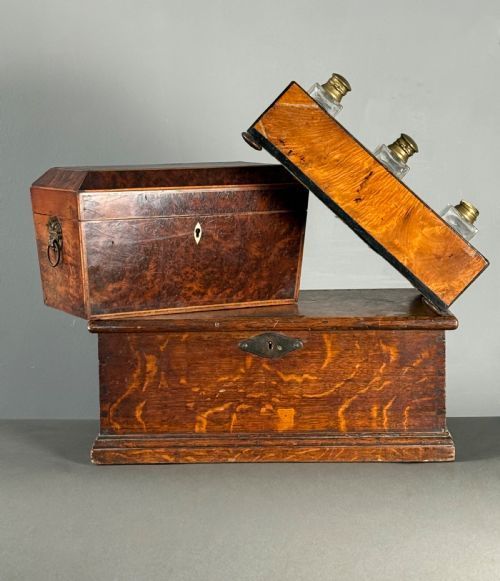
Many examples contain fitted interiors with internal canisters, mixing bowls, and glass containers intended for blending green and black teas.
Materials and construction methods
Cabinetmakers constructed carcases from solid woods or applied veneers of satinwood, coromandel, and amboyna over secondary timbers.
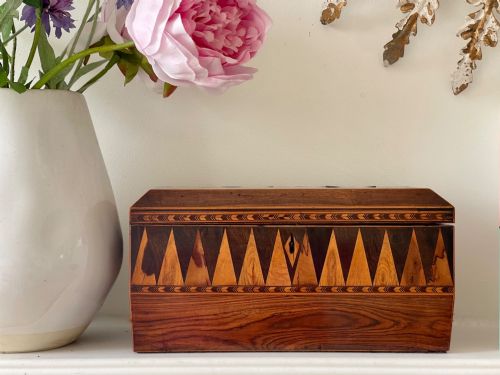
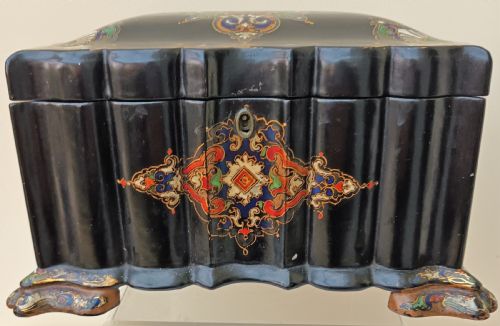
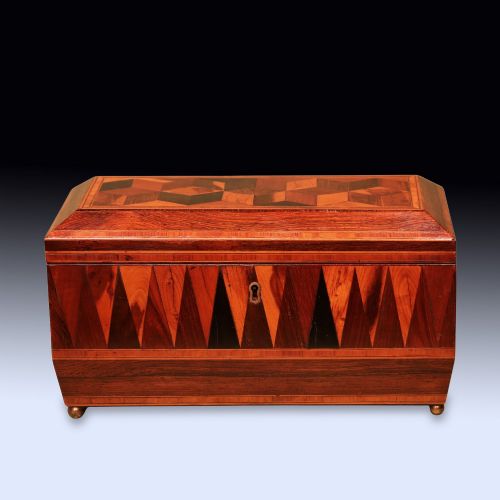
Decoration relied upon intricate parquetry, marquetry, paper filigree, and detailed inlay work utilising boxwood, bone, and mother of pearl.
Brass mounts, stringing, handles, and locks complete the construction, securing the precious contents inside.
Assessing craftsmanship and condition
Quality rests upon the precision of the veneer work, the tightness of the mitred joints, and the complexity of the timber figure, such as burr walnut or burr yew.
The survival of original internal fittings, including glass bowls, mixing sticks, and matching lidded canisters, elevates an example significantly.
Refined pieces display harmonious proportions and delicate brass inlay or boullework that remains intact within the polished surface.
Tahan of Paris
The Decorative Tea Chest Glossary
- Sarcophagus
- A box shape featuring a domed or stepped lid resembling a stone coffin, popular during the Regency period for tea storage.
- Parquetry
- Geometric wood-mosaic work utilised to form repeating patterns across the exterior surfaces of boxes and caddies.
- Marquetry
- Pictorial or decorative veneer patterns composed of various woods, shell, or ivory laid into a contrasting ground.
- Navette
- A pointed oval boat shape found on certain Georgian tea caddies and decorative boxes.
- Boulle
- A method of ornate marquetry employing tortoiseshell and brass inlay, named after the famous French cabinetmaker.
Decorative Tea Chest: Frequently Asked Questions
What is a decorative antique tea chest?
A decorative antique tea chest is a secure wooden box manufactured during the eighteenth and nineteenth centuries to store high-value tea leaves under lock and key.
These containers feature fitted interiors designed to protect delicate leaves from light, moisture, and theft in the formal rooms of period houses.
How were antique tea caddies used?
Households used these boxes to keep expensive dry tea leaves away from domestic staff and guests, with the mistress of the house holding the key.
The host mixed black and green teas inside the internal glass bowl using a dedicated mixing stick before service.
How do I identify a Georgian tea chest?
Georgian examples often display straight-sided rectangular, hexagonal, or navette forms utilising mahogany, satinwood, or tortoiseshell with subtle stringing.
They tend to rely on understated elegance and fine timber grain rather than the heavier brass mounts and sarcophagus shapes seen later.
How do I care for an antique wood box?
Keep wooden tea chests away from direct sunlight and central heating sources to prevent the delicate veneers and boxwood stringing from shrinking and lifting.
Apply a microcrystalline wax occasionally to nourish polished surfaces without building up harmful residues over the antique timber.