
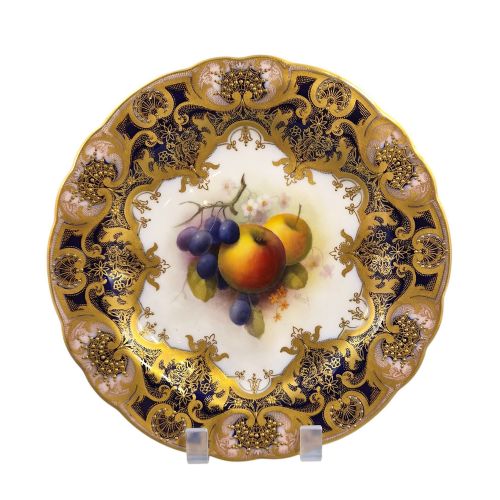
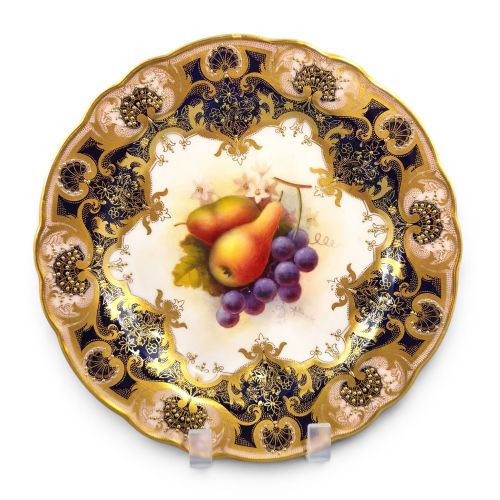
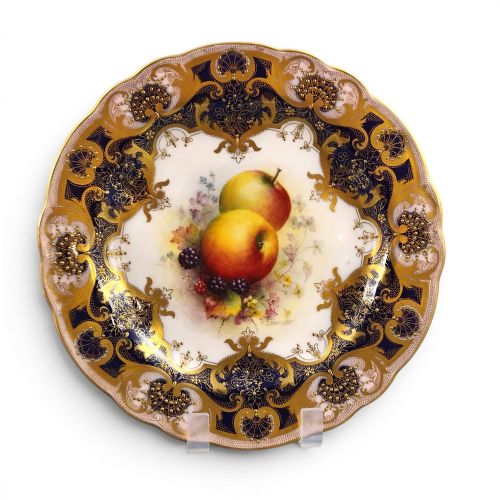
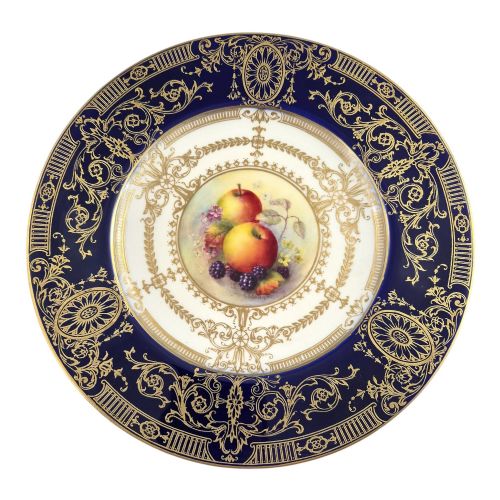
Decorative Cabinet Dish
When you search for a decorative antique cabinet dish, you find painted porcelain plates made to be displayed rather than dined upon.
Decorative Cabinet Dish
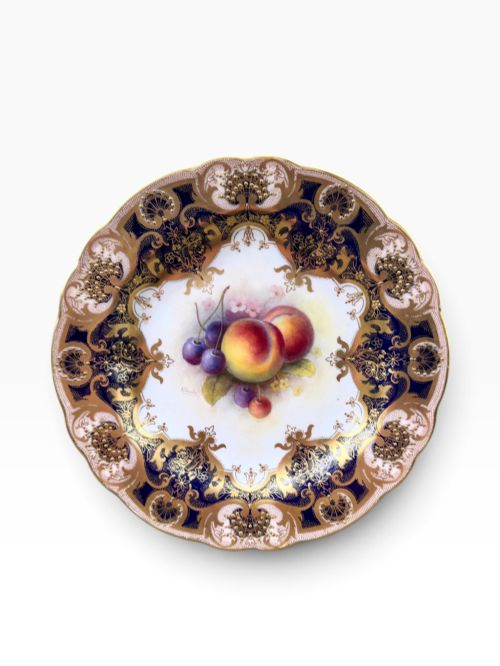
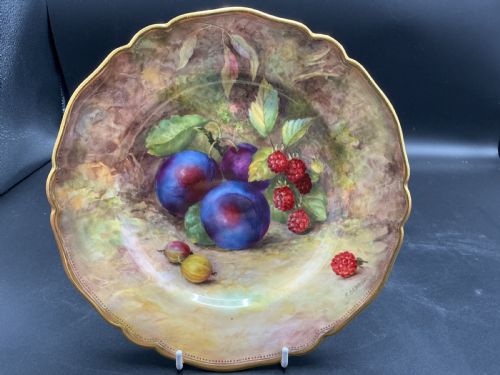
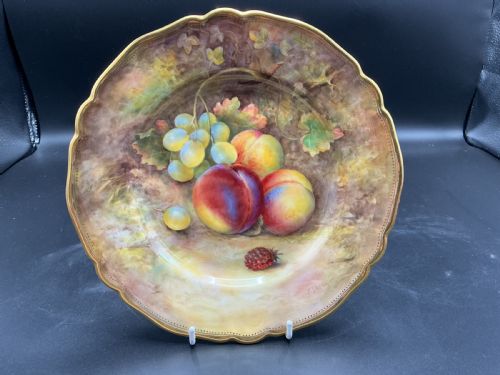
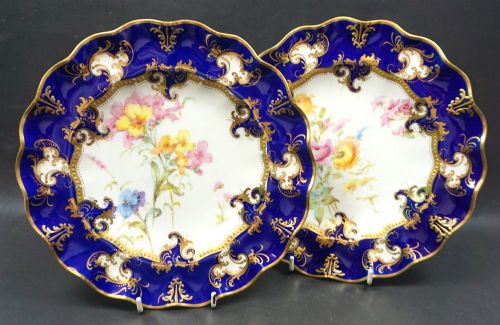
A decorative antique cabinet dish encompasses finely painted porcelain and pottery plates created primarily for display in cabinets or on walls. The forms appearing on this page span the Georgian, Victorian, and Edwardian eras, alongside later twentieth-century pieces.
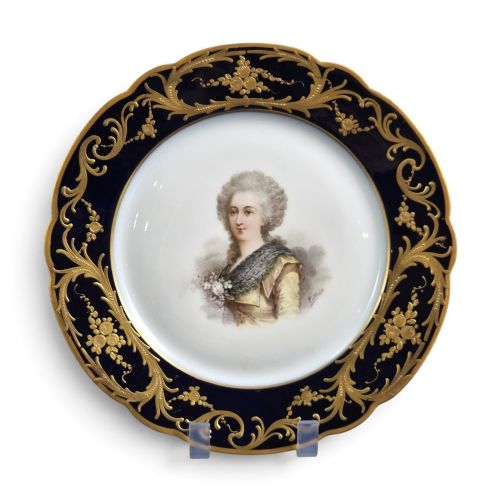
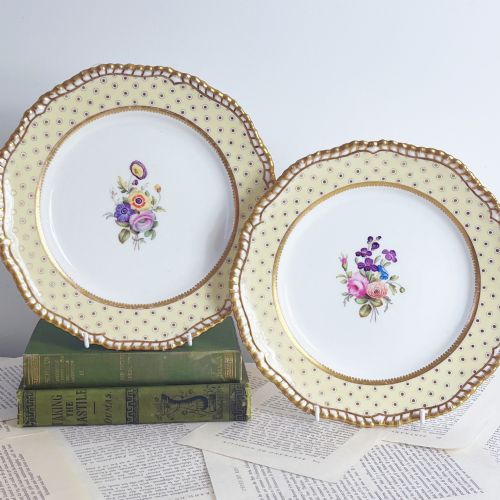
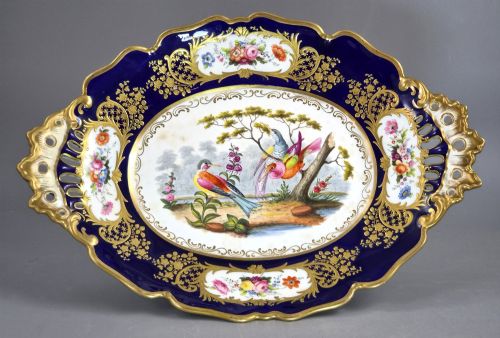
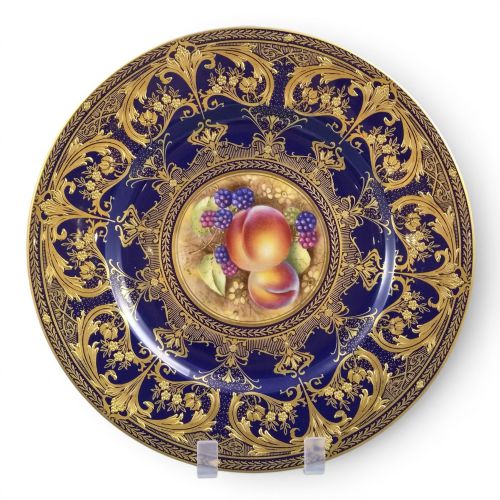
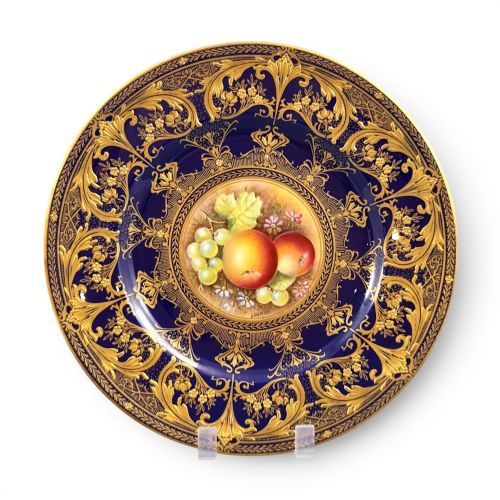
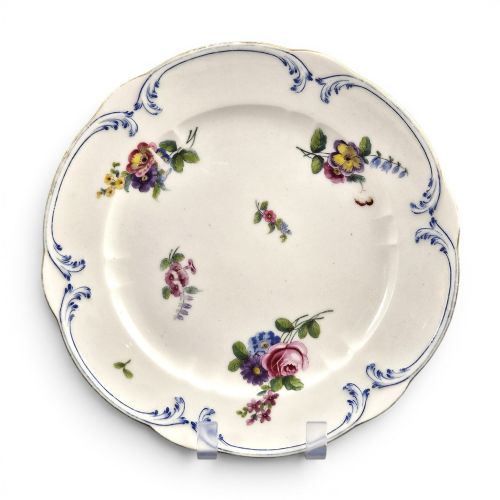
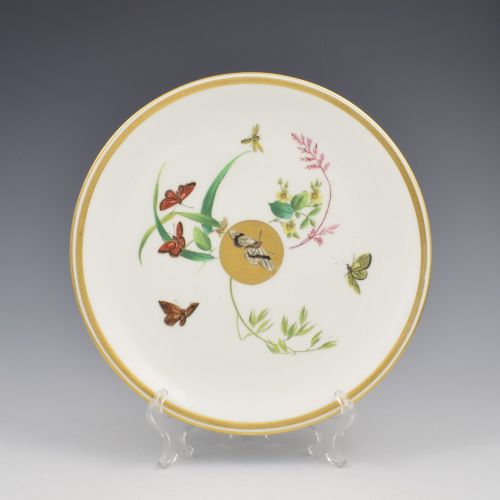
Most examples hail from English and continental factories, featuring elaborate hand-painted subjects such as fruit, birds, landscapes, and portraits. These pieces were made to showcase the highest skill of porcelain painters rather than to hold food.
Plates, chargers, dessert plates, and plaques all fall under this heading, utilising shapes ranging from simple circles to hexagonal forms and pierced rims. The selection on this page demonstrates how ceramic artists adapted traditional dinnerware shapes into canvases.
Materials and methods
The foundation of these objects is porcelain, bone china, ironstone, or stoneware, shaped and fired before receiving ground coats of glaze and enamel paint. Artisans applied pigments by hand, building up intricate depictions of natural history, mythology, or scenery across multiple kiln firings.
Gilding plays a major role in the decoration, utilising gold leaf or gilt mixtures applied to rims, borders, and compartments. This metalwork was often burnished to a high shine to contrast against cobalt blue grounds, enamel colours, and white ceramic bodies.
Listings feature porcelain and ironstone materials across Victorian, Georgian, and twentieth-century periods.
Factors of quality
Quality rests heavily on the skill of the artist, distinguishing factory pieces with routine transfer printing or basic decoration from those bearing signed, detailed hand-painted compositions. Works by known ceramic painters display superior brushwork, shading, and anatomical or botanical precision.
The complexity of the surrounding ornamentation, such as raised gilding, enamel jewel work, and pierced porcelain borders, separates standard factory output from exceptional cabinet pieces. Weight, translucency of the bone china or soft-paste porcelain, and crispness of the moulding further define the upper tier.
Royal Worcester·Royal Crown Derby·Minton·Coalport·Royal Doulton
The Decorative Cabinet Dish Glossary
- Cabinet plate
- A ceramic plate intended for display in a cabinet or on a wall rather than for table service. These pieces usually feature elaborate hand-painted scenes and rich gilding.
- Bone china
- A type of soft-paste porcelain containing bone ash, developed in England to create a strong, translucent ceramic body.
- Imari
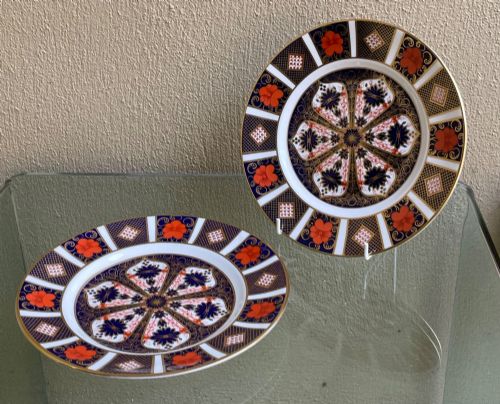
- A style of Japanese export porcelain characterised by underglaze blue, iron red, and gilt decoration, which European factories frequently copied.
- Gilding
- The application of gold leaf or powdered gold to the surface of ceramics for decorative effect. It is often burnished to create contrasting reflective finishes.
- Enamel
- Opaque glass-like paint applied over the glaze of a ceramic piece and fired at a lower temperature to fix the colour. It provides the vibrant hues seen on pictorial cabinet dishes.
Decorative Cabinet Dish: Frequently Asked Questions
What is a cabinet dish?
A cabinet dish is a decorative ceramic plate or plaque made for display rather than dining. These pieces often feature hand-painted scenes and gilt borders.
Factories produced them to demonstrate the artistic capabilities of their painters and decorators. Collectors typically exhibited them in glass-fronted cabinets or mounted them on walls.
How were cabinet dishes displayed?
Historical display involved placing plates upright on specialised plate stands inside wooden display cabinets or hanging them using wire wall hangers. This kept the fragile painted surfaces safe from the wear of daily use.
Present-day owners often use similar methods to protect the delicate enamel work and heavy gilding from scratching.
Are these plates safe for food?
Cabinet dishes are generally not suitable for serving food due to their age, delicate overglaze enamels, and heavy metallic gilding. Using them for dining can easily damage the hand-painted artwork.
Cleaning should be limited to gentle dusting rather than washing in hot water or dishwashers, which can degrade the vintage glazes.
How do I identify the maker?
Makers are usually identified by factory backstamps, impressed marks, or painted cyphers found on the underside of the ceramic body. Many pieces also bear the signature of the individual artist near the painted scene.
Reference books on English and European porcelain factories help match these marks and signatures to specific decades and painters.