

Deco Mirror
A deco mirror brings geometric precision and reflective depth to a room, capturing the distinct glamour of the interwar decades.
Deco Mirror
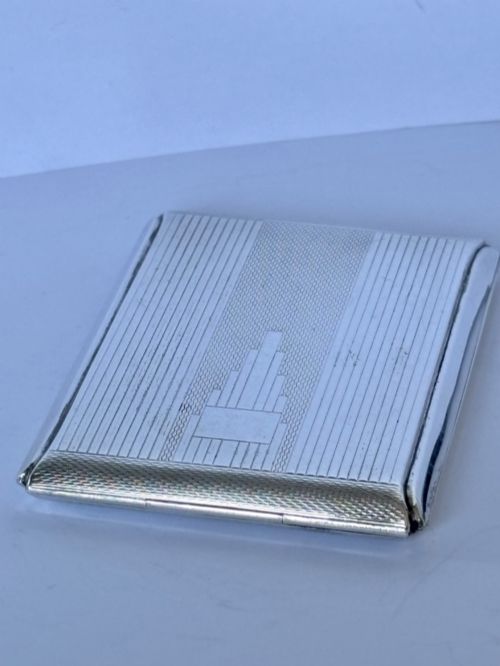
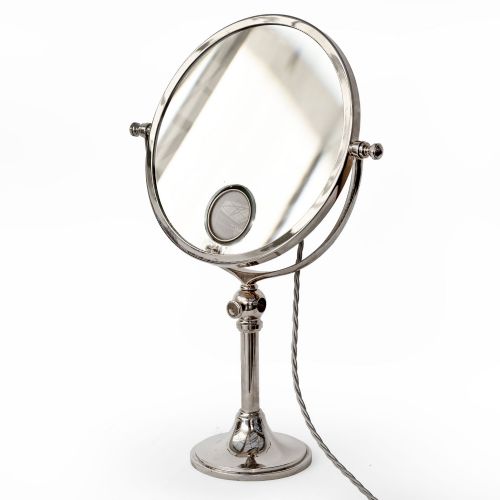
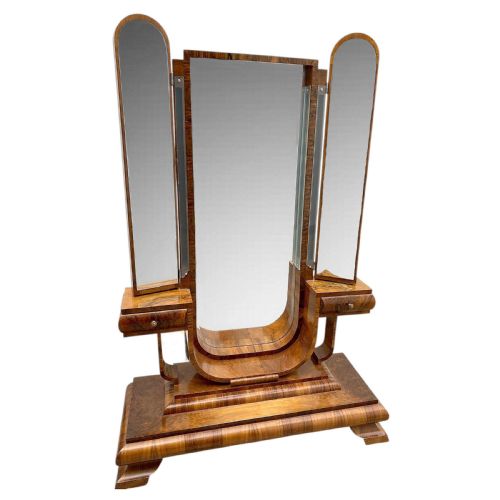
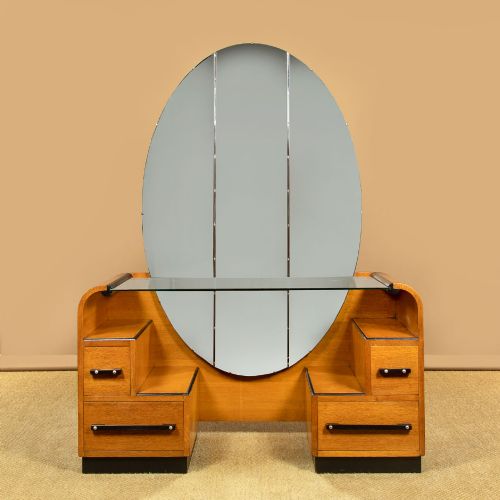
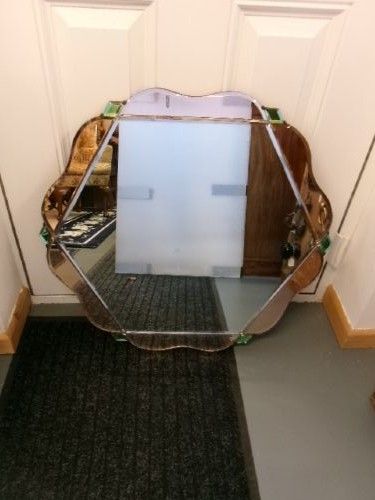
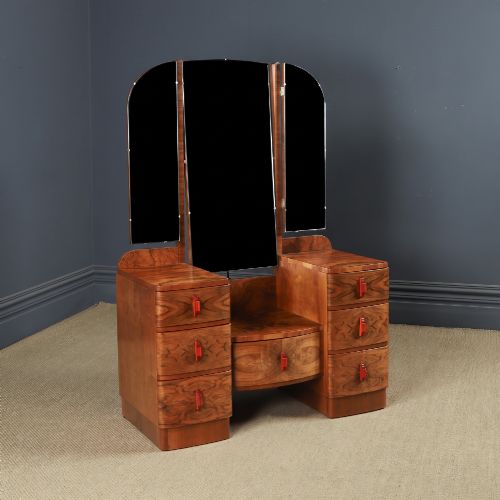
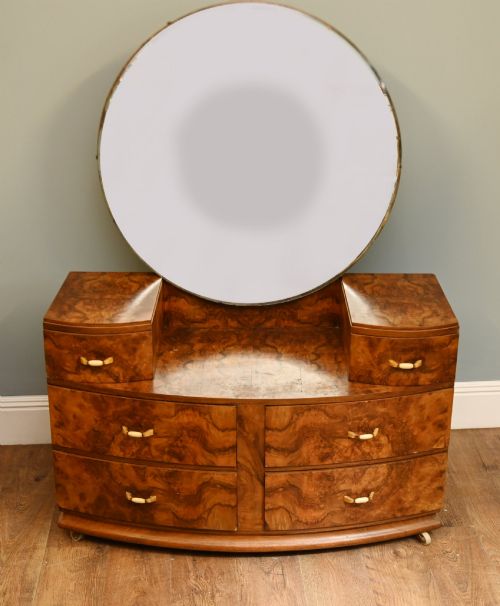
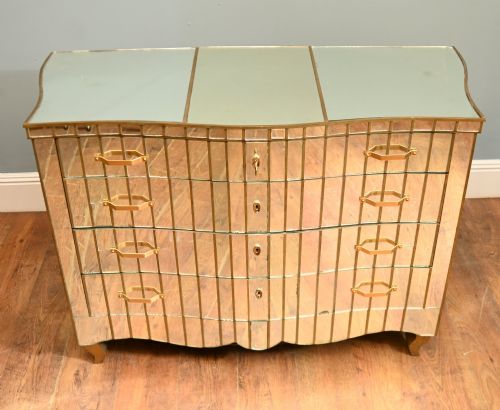
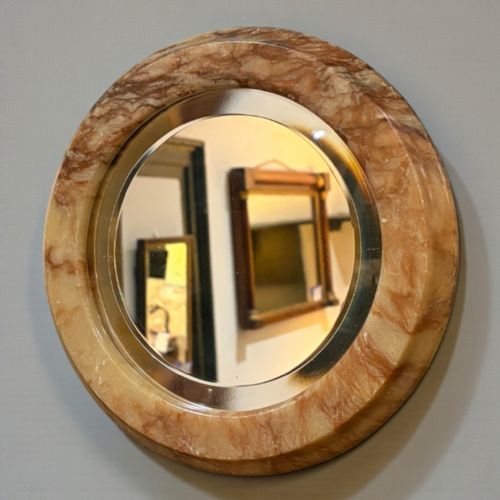
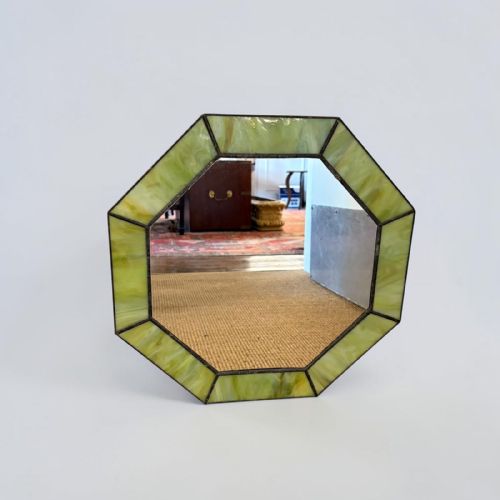
A deco mirror encompasses wall-mounted pieces, dressing tables with integrated plates, and smaller personal accessories like powder compacts and miniature purses. Wall mirrors dominate the selection, appearing in multi-tone frameless designs, peach glass, and sunburst configurations.
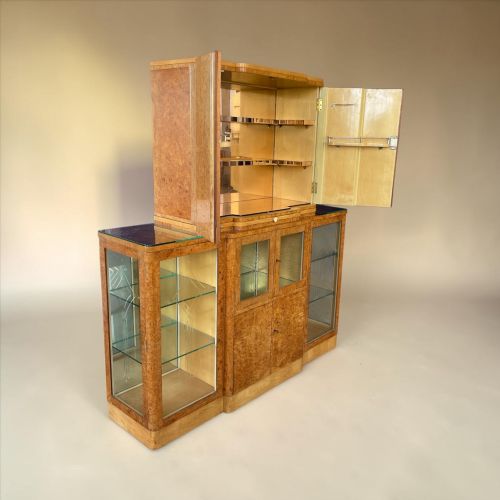
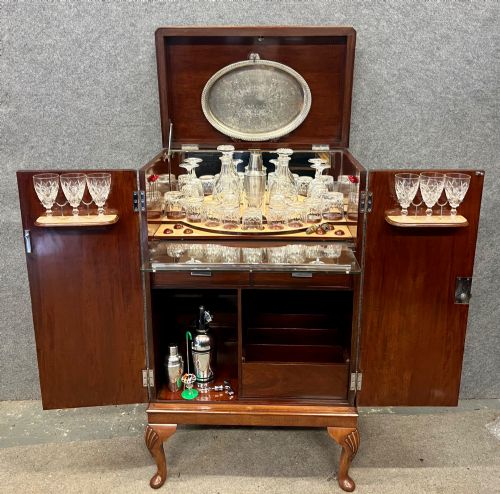
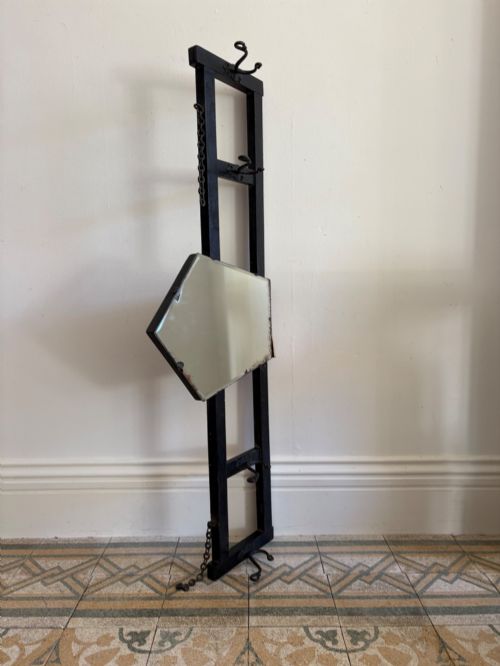
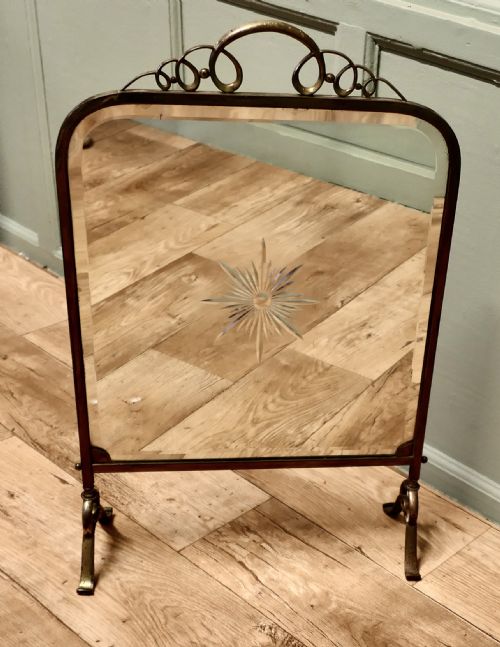
The majority of these pieces originate from the nineteen-thirties and nineteen-twenties, aligning with the height of the Art Deco movement. Makers also applied the aesthetic to utilitarian objects such as fire screens, coat racks, and cocktail cabinets.
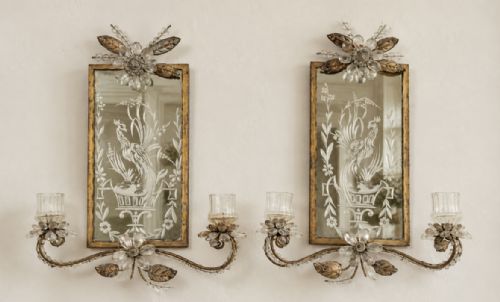
Geographic styles range from English walnut vanity pieces to French wall mirrors in gilt and cream, alongside Venetian cut glass examples. American interpretations also appear, utilising mirrored tops on side tables.
Materials and construction
Makers built these pieces using a foundation of woods such as walnut, burr walnut, bird's-eye maple, and limed oak, often applying veneers to achieve striking grain patterns. Metal elements incorporate chrome, brass, and silver plating to provide industrial contrast against the timber.
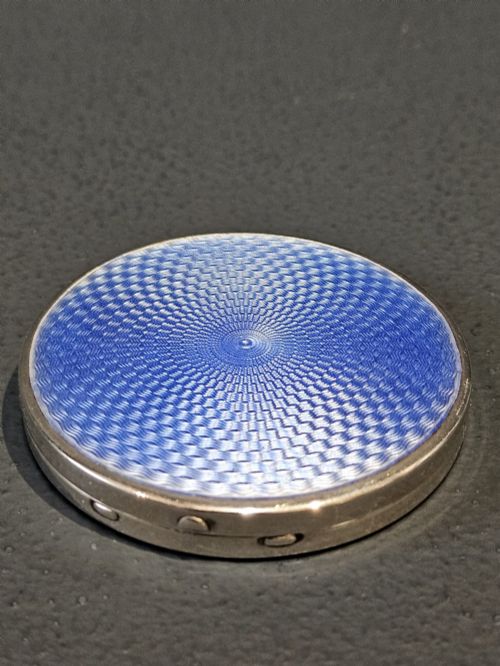
Glass and mirrored glass form the primary visual surfaces, sometimes etched, cut, or tinted in peach tones. Smaller personal items integrate sterling silver, enamel, guilloche enamel, and faux tortoiseshell.
Deco Mirror Retail Price Guide 2026
Typical asking prices for deco mirror among the pieces listed under this phrase on Sellingantiques today, from the lower quarter to the upper quarter. They describe what is for sale here now, not the wider market.
Several compacts retain their original tiny powder puffs beneath miniature mirrored lids.
Evaluating craftsmanship
The standard of a deco mirror relies on the complexity of its glass cutting, the precision of its bevelling, and the integrity of its frame assembly. Pieces featuring multi-tone glass arrangements or specialised tinted plates demand higher levels of artisan skill than simple single-plate equivalents.
Material selection dictates the upper tier of the range, where figured veneers like burr walnut or bird's-eye maple are matched symmetrically across the surface. Integrated elements such as brass sunburst motifs or detailed silver work elevate the execution further.
Harrods·Maison Bagues·Henry Williamson·Maurice Adams·Henry Matthews
The Deco Mirror Glossary
- Guilloche enamel
- A decorative technique involving precise, intricate geometric patterns機械-engraved beneath a translucent enamel layer. This method appears frequently on vanity sets and compacts.
- Veneer
- A thin slice of figured wood applied over a secondary timber foundation to produce decorative grain patterns. Walnut and maple veneers define much of the furniture in this category.
- Peach glass
- A tinted mirror glass variant yielding a warm, rosy reflection instead of a standard silvered surface. It is characteristic of Venetian and mid-century decorative glasswork.
- Sunburst mirror
- A radial design arrangement where rays emanate outwards from a central circular glass plate. These items often incorporate brass or carved wood.
- Cheval mirror
- A freestanding full-length mirror hung in a frame that allows the plate to tilt. These pieces function primarily as dressing furniture.
Deco Mirror: Frequently Asked Questions
How do I clean a vintage mirror?
Use a soft, dry microfibre cloth to remove dust from the glass and frame surfaces without applying excessive pressure. Avoid harsh chemical sprays that can seep behind the silvering and cause degradation.
Take care around original wooden frames and gilt finishes, using only slightly damp cloths where necessary. Protecting the edges prevents moisture ingress into the backing.
Where should I hang a wall mirror?
Position the piece at eye level in a hallway, living room, or above a fireplace to maximise natural light reflection. Ensure the wall fixings are rated to support the weight of the frame and glass.
Consider the surrounding interior style to let geometric frames complement rather than clash with existing furnishings. Placing the item opposite a window helps brighten darker corners of the room.
What defines Art Deco design?
Art Deco is characterised by streamlined geometric shapes, symmetrical layouts, and industrial materials like chrome and glass. The style emerged following the First World War and embraced modernity.
Craftsmen combined traditional timbers with new synthetic elements and striking colour contrasts. This aesthetic influenced everything from architecture to small personal accessories.
How do I date a piece?
Examine the construction methods, screw types, and backing materials for clues regarding the manufacturing era. Maker marks, silver hallmarks, and registered design numbers provide precise chronological markers.
Stylistic shifts between the roaring twenties and the austere thirties also guide dating efforts. Comparing the veneer types and hardware against known examples helps narrow the period.