
Dark Wood Wine Stand
A dark wood wine stand provides a steady, compact surface for a glass or bottle, bringing Georgian and Victorian craftsmanship directly into daily rooms.
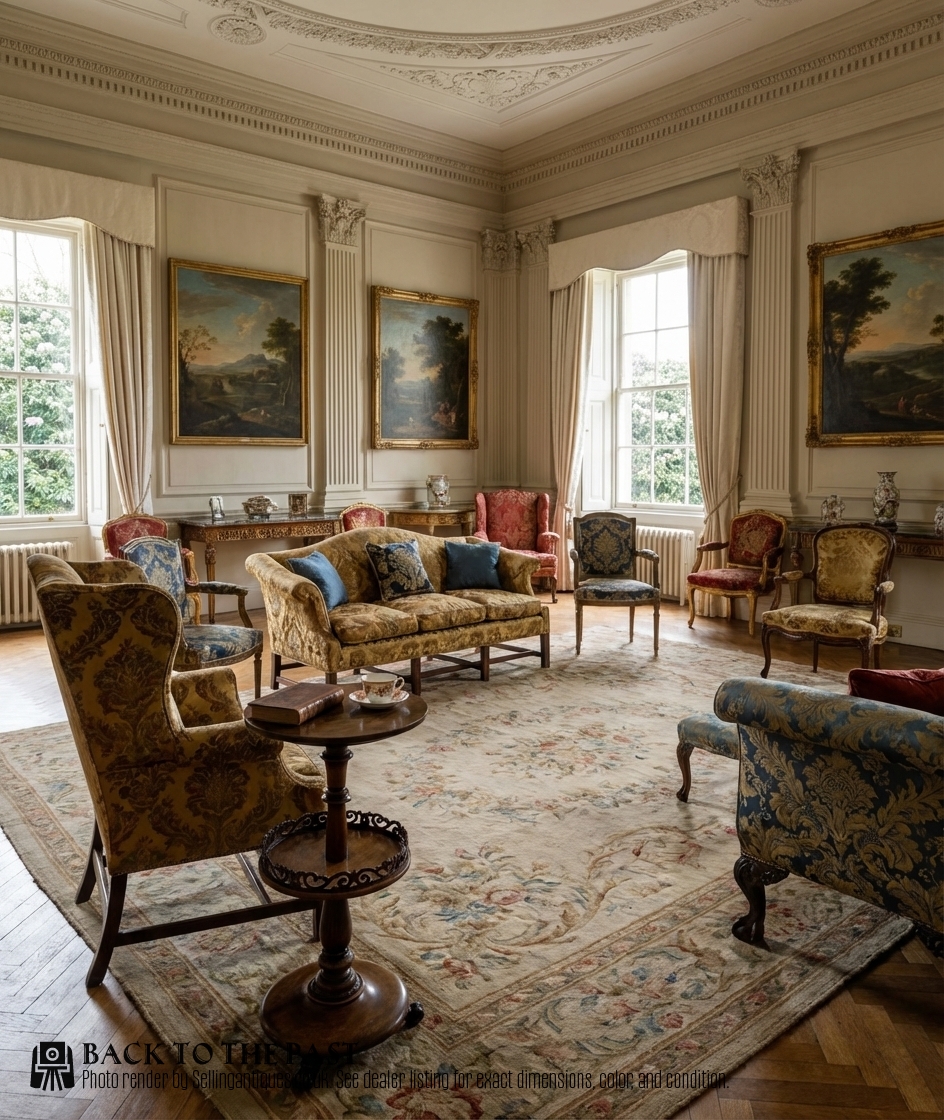
Dark Wood Wine Stand
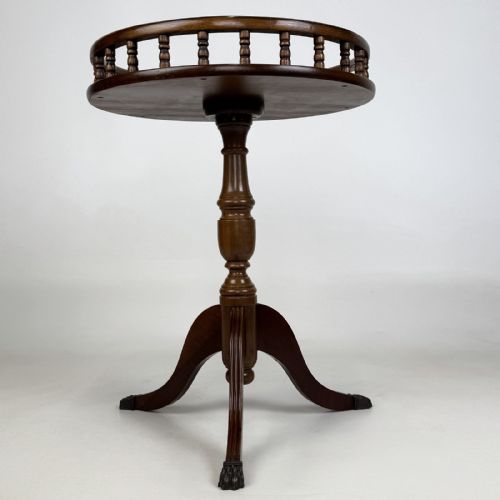
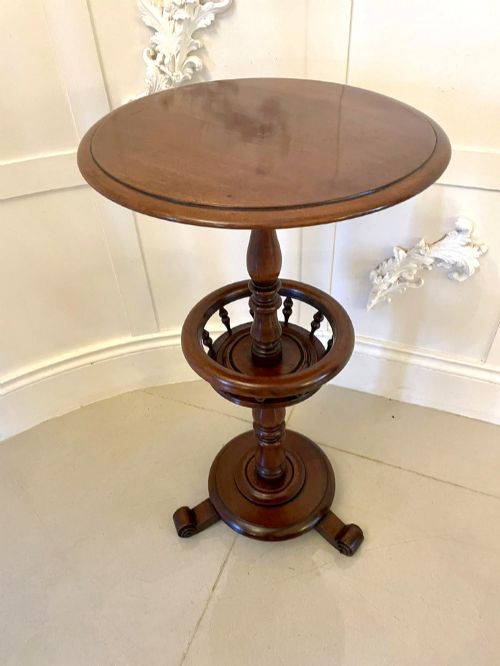
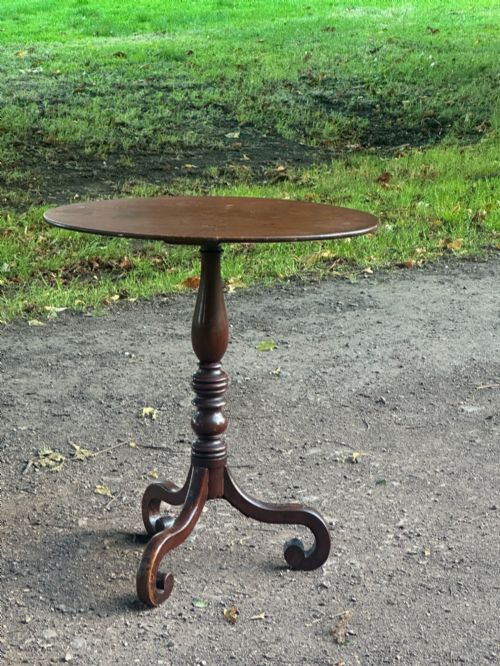
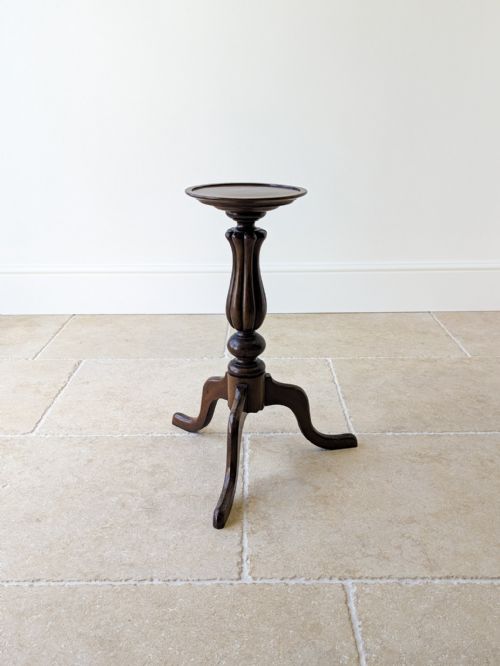
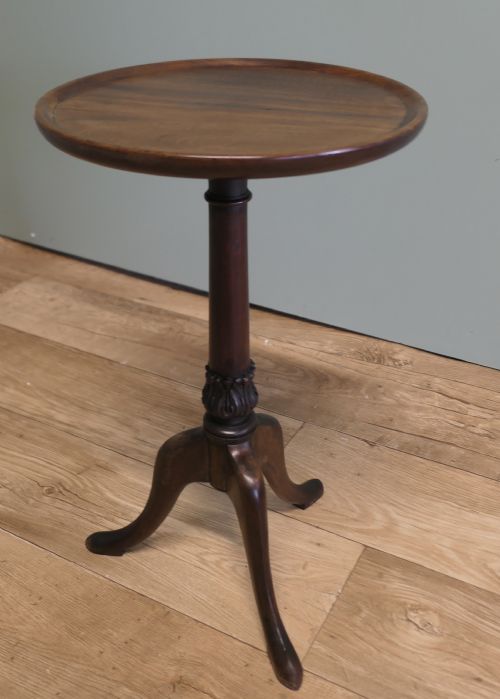
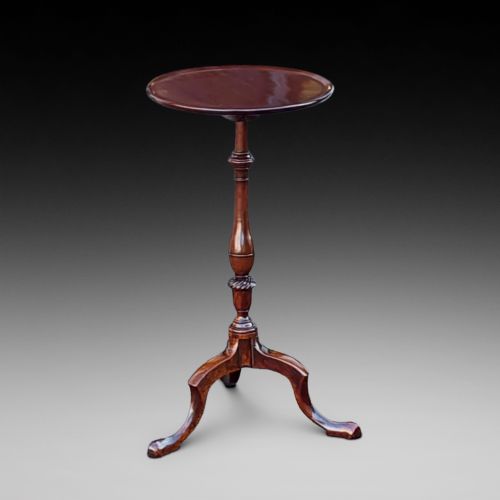
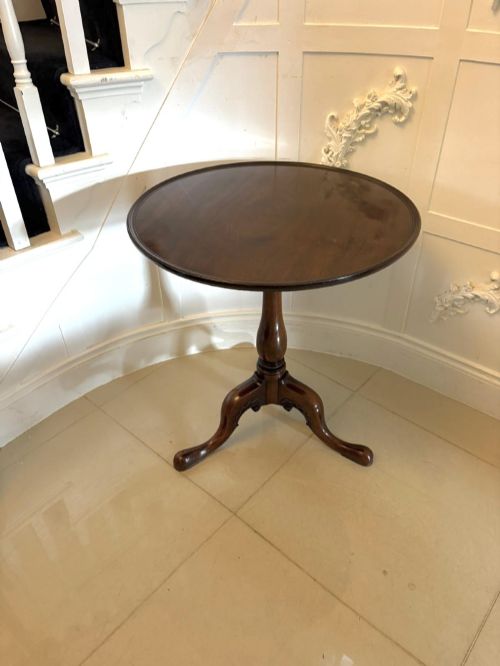
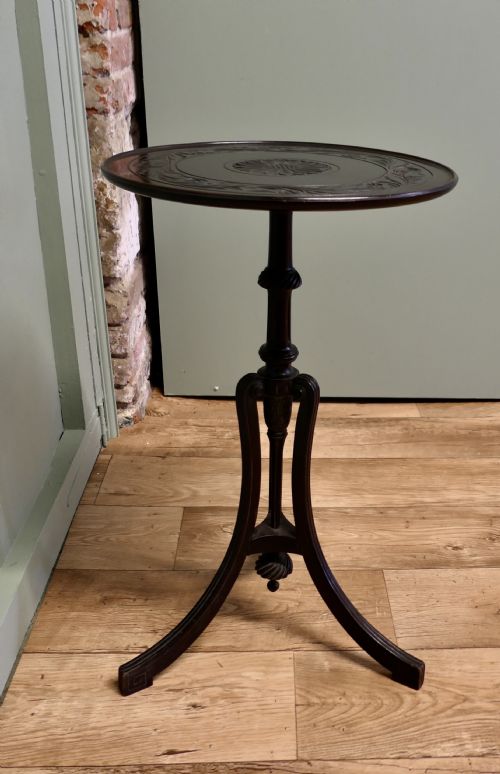
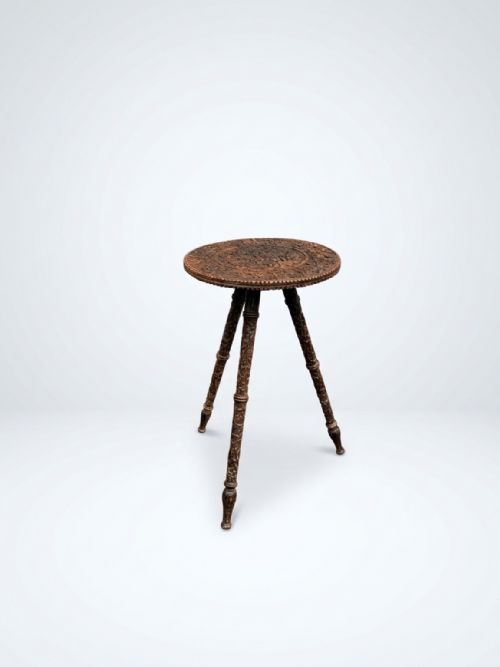
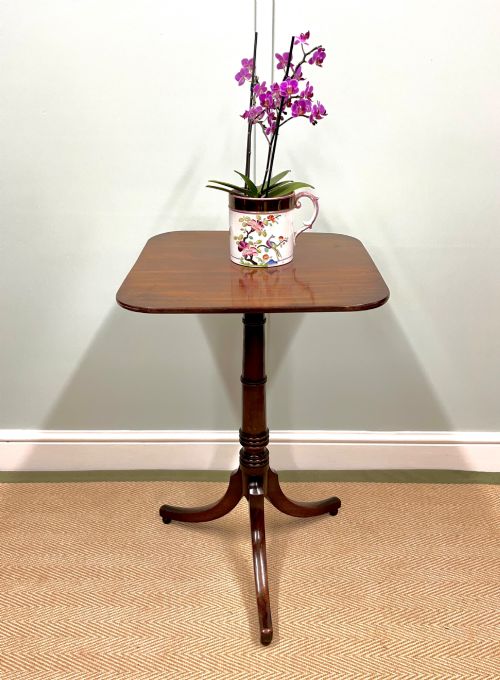
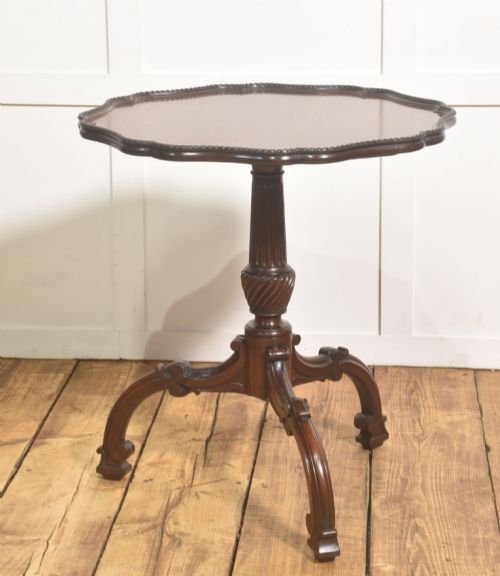
A dark wood wine stand primarily manifests as a compact tripod table or occasional piece designed to hold glasses or bottles near seating areas. These items emerge frequently from the 18th century, Georgian, and Victorian periods, often taking the form of tilt-top tables with round or shaped tops.
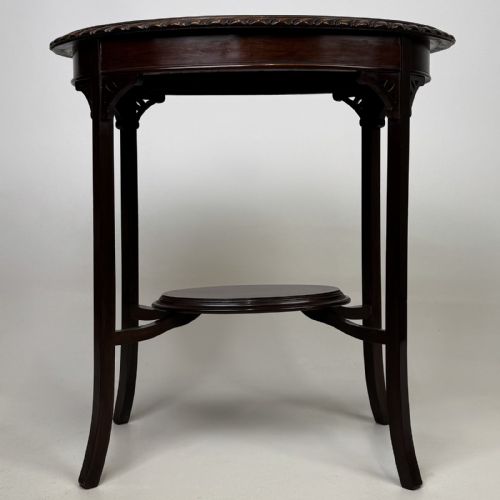
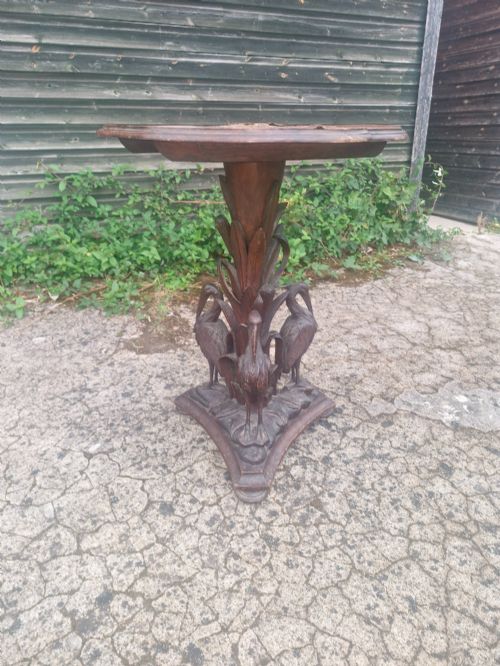
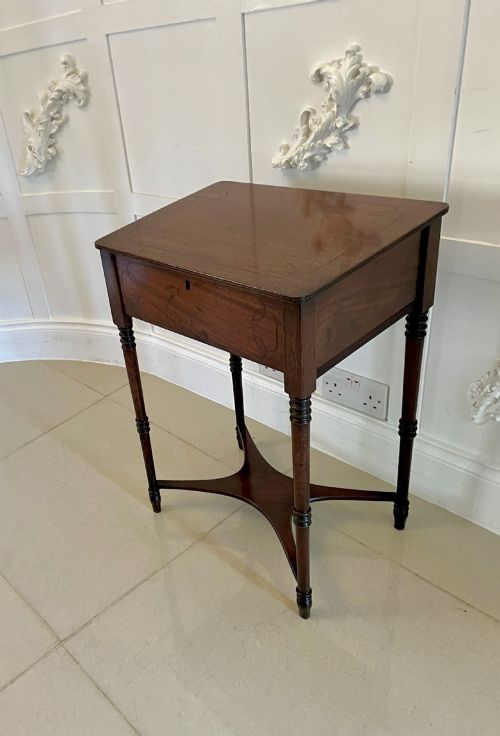
Buyers also encounter related forms such as side tables, cellarettes, and wine coolers on stands, originating from eras spanning the Regency, William IV, and Edwardian decades. The typical piece relies on a central pedestal supported by three splayed legs, prioritising mobility and small footprints within domestic spaces.
Materials and Construction
Cabinetmakers constructed these pieces predominantly from dense timbers like mahogany, rosewood, walnut, and occasional fruitwood, often selecting stock for rich grain patterns and deep natural tones. Workshops utilised solid planks for table tops and turned sturdy central pillars, frequently integrating brass hardware for hinges, castors, or binding on cooler variants.
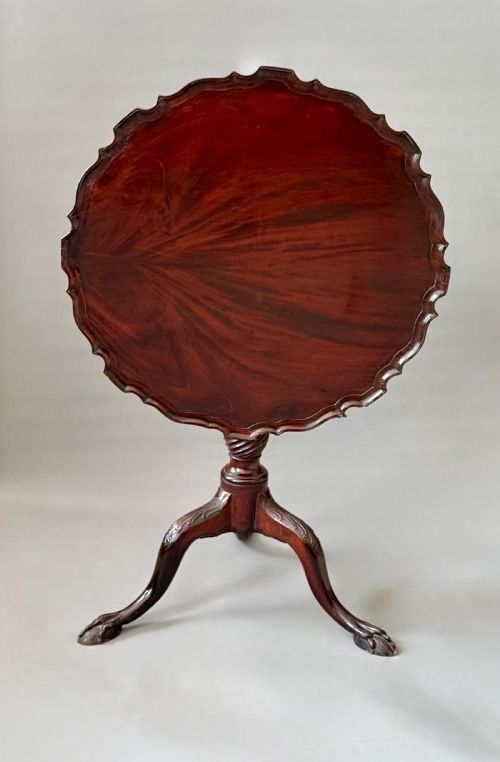
Joinery methods involved precise turning, dovetailing, and pivoting mechanisms for tilt-top variants, allowing the surface to fold flat when not in use. Artisans also applied wood inlay or carved decorative edges, such as pie crust rims, directly into the solid timber.
Tilt-top tables spent much of their early lives pressed flat against parlour walls, disguised as decorative wooden shields until the port was poured.
Distinctions in Quality
Quality rests heavily on the selection of timber and the precision of the turning on the central pedestal and tripod legs. Superior examples display crisp, hand-carved details like pie crust borders and tight, seamless tilt-top pivot mechanisms without play.
Proportion and stability separate standard utility pieces from finer items made during the George III and Regency periods. The weight of the timber and the subtlety of the leg splay dictate how gracefully the stand sits in a room.
The Dark Wood Wine Stand Glossary
- Tilt-top
- A tabletop hinged to the central pillar so it can pivot vertically to save space against a wall when not in use. This mechanism relies on a small wooden catch or block beneath the surface.
- Tripod table
- A small stand supported by three legs radiating from a central pillar. This construction ensured stability on uneven historical floors.
- Pie crust rim
- A raised, decoratively carved tabletop edge resembling the fluted crust of a pastry. Carvers shaped this directly from the solid board of mahogany.
- Birdcage
- A revolving wooden frame beneath the tabletop that allows the surface to both tilt and rotate. Found on finer 18th-century stands.
- Cellarette
- A low cabinet or box, sometimes brass-bound, designed to hold wine bottles securely. These often sat upon dedicated stands.
Dark Wood Wine Stand: Frequently Asked Questions
What is a dark wood wine stand?
A dark wood wine stand is a small, portable table designed historically to hold drinking vessels, decanters, or candles within easy reach of seating.
Most examples feature a circular top supported by a central pillar and three legs, originating primarily from the Georgian, Victorian, and Edwardian eras.
How were tilt-top wine stands used?
These tables stood beside chairs or against walls, held upright until needed for serving wine or tea in parlours and dining rooms.
Pivoting the top flat created an instant surface for glasses, whilst vertical storage kept rooms clear when entertaining concluded.
How do I identify a Georgian wine stand?
Georgian pieces typically exhibit dense mahogany timber, hand-turned pillars, and slender pad or snake feet on a tripod base.
Construction details like pegged joints and patinated surfaces that show deep age help distinguish these 18th-century examples from later reproductions.
Where should I place a wine stand at home?
These stands fit well beside armchairs, sofas, or empty corners where a small surface is useful without cluttering the floor space.
Their compact tripod footprint allows them to tuck neatly into tight spots while offering enough width for a lamp or a glass.