

Dark Wood Tray Top Table
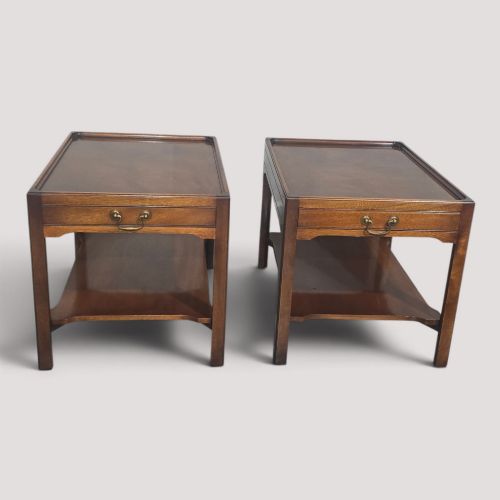
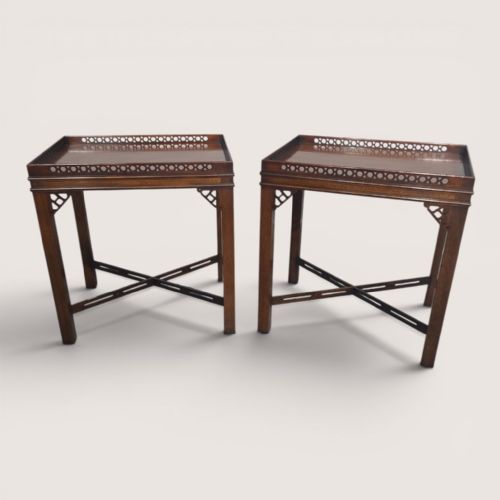
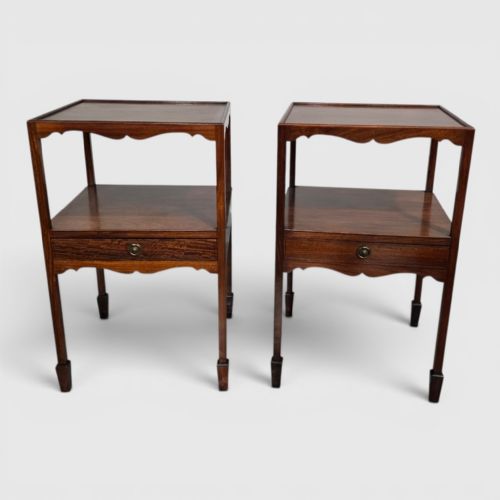
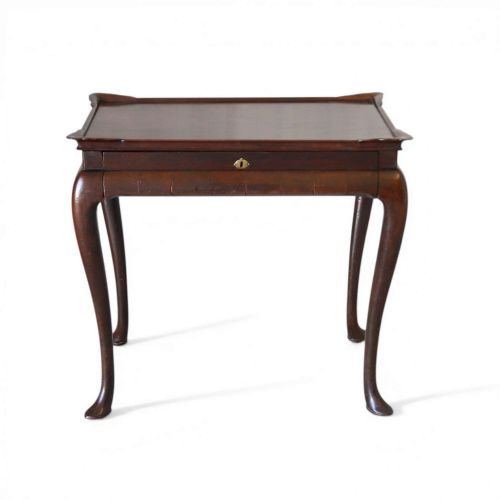
These dark wood tray top table pieces offer practical raised edges and rich timber surfaces, combining utility with classic proportion.

Dark Wood Tray Top Table
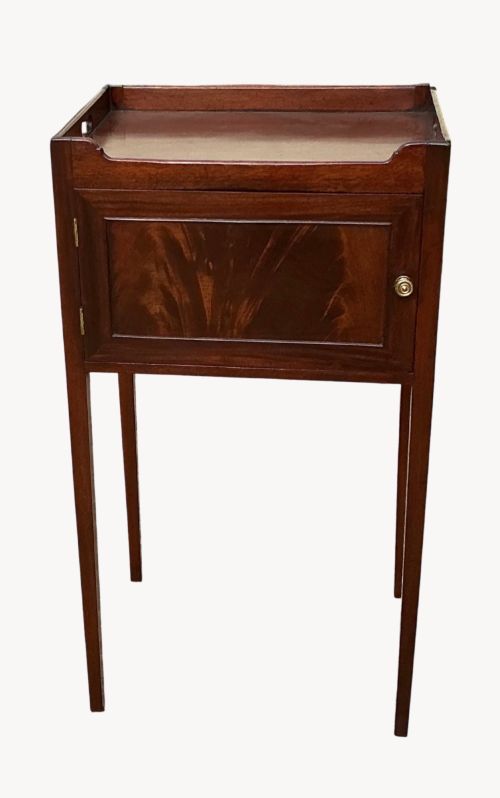
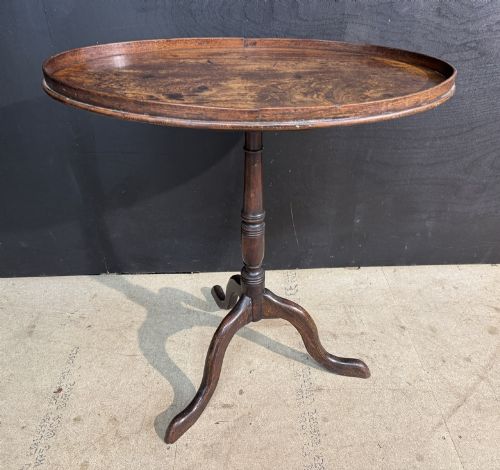
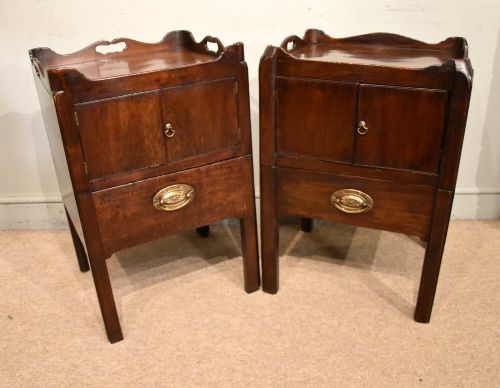
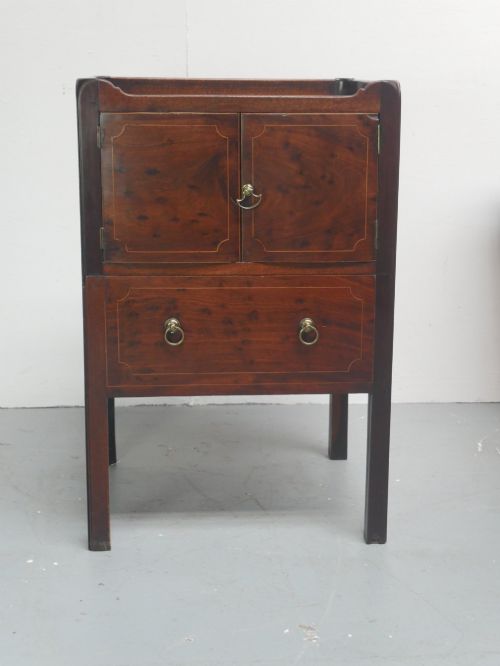
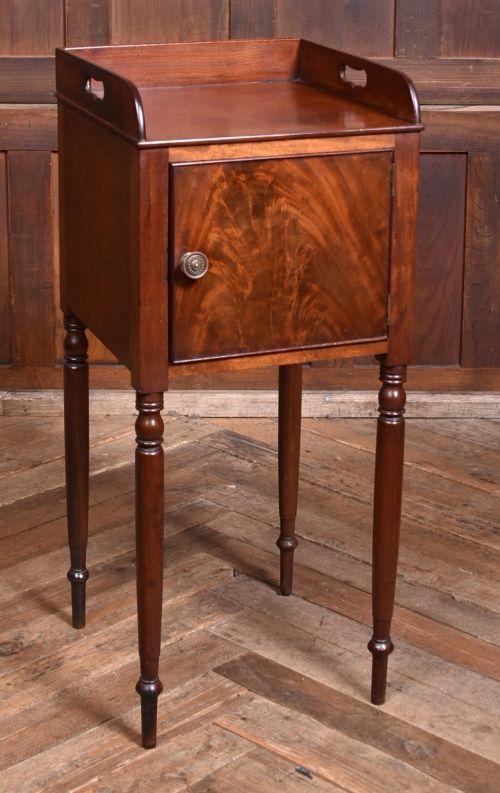
A dark wood tray top table serves as a versatile surface for daily use, frequently found in forms such as bedside cabinets, lamp tables, silver tables, and occasional coffee tables. When searching for a dark wood tray top table, buyers encounter pieces spanning from the 18th century through the Georgian, Regency, and Victorian eras up to early 20th century revivals.
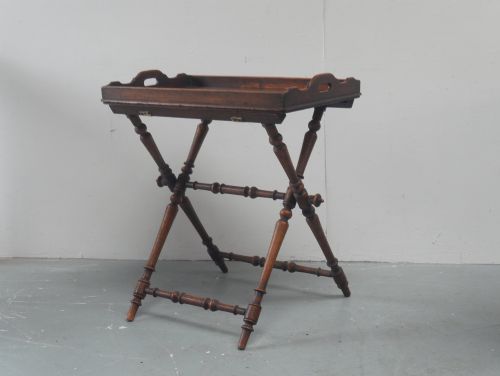
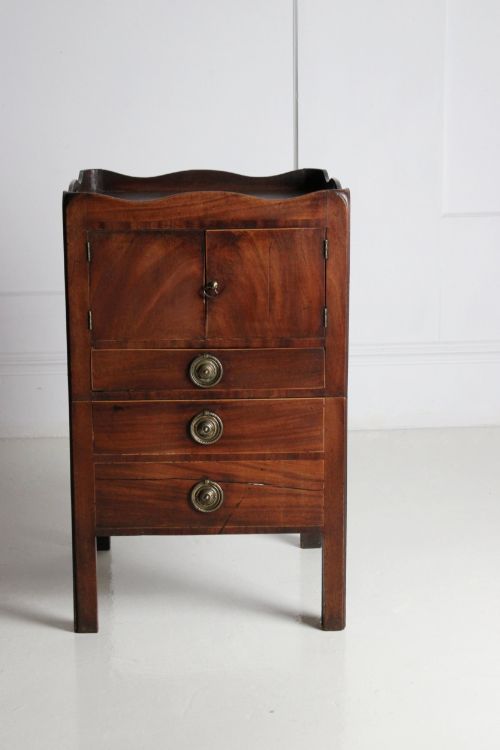
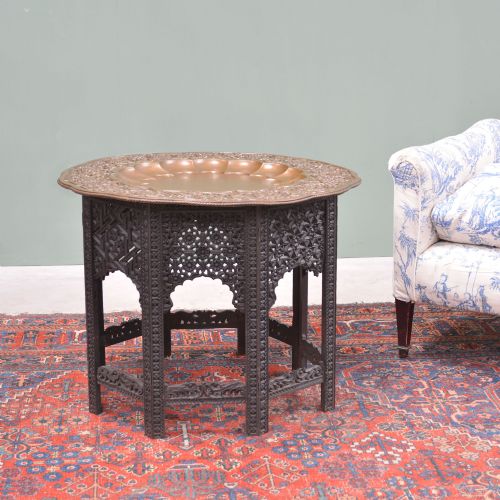
The raised rim defines the typology, designed originally to secure tea services, silver, or glassware during use. Examples range from compact bedside nightstands with enclosed cupboards to larger silver tables and butler's trays mounted on folding or fixed stands.
Origins vary from standard English cabinetmaking in mahogany and walnut to specific regional interpretations like Anglo-Indian Hoshiarpur works. The selection balances practical bedroom storage and compact side surfaces with refined display tables for entertaining.
Materials and construction
Makers relied primarily on dense hardwoods, utilising solid mahogany, Cuban mahogany, walnut, oak, and teak to ensure structural integrity and a deep, polished grain. Raised tray rims were frequently shaped directly from solid timber blanks or built up with mitred mouldings secured to the tabletop.
Joinery techniques included precise dovetailing for drawers and mortise-and-tenon joints for frames and legs, accommodating subtle shifts in wood over centuries. Accents of brass, copper, and occasional carved detailing complemented the dark timber surfaces.
Listings span multiple eras from the 18th century and Georgian period through the Victorian, Edwardian, and 1920s decades.
Distinctions in craftsmanship
Quality rests in the crispness of the timber carving, the selection of figured mahogany or walnut veneers, and the integrity of the tray rim's joinery. Superior examples maintain original hardware, sound structural joints, and balanced proportions without heavy restoration.
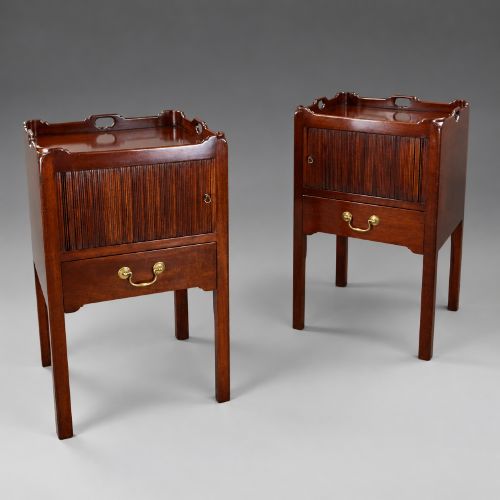
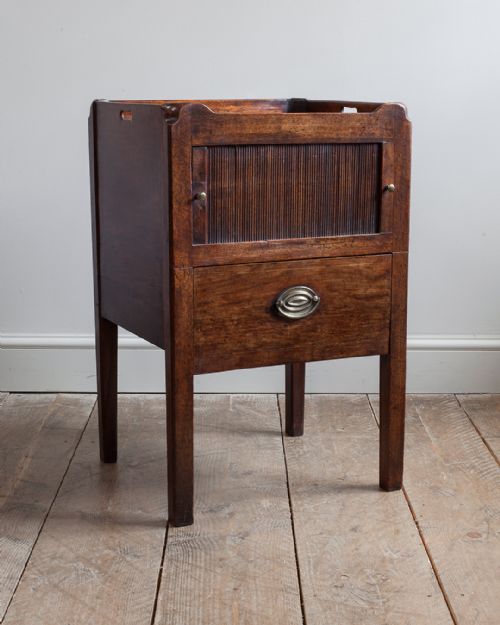
Finer pieces exhibit thoughtful details like slender cabriole legs, finely turned gallery spindles, or tambour fronts, whereas utilitarian items rely on simpler panel construction and plain square legs.
Gillows
The Dark Wood Tray Top Table Glossary
- Tray top
- A tabletop finished with a raised moulded or pierced gallery edge designed to prevent items from sliding off. This feature appears on serving tables, nightstands, and silver tables.
- Silver table
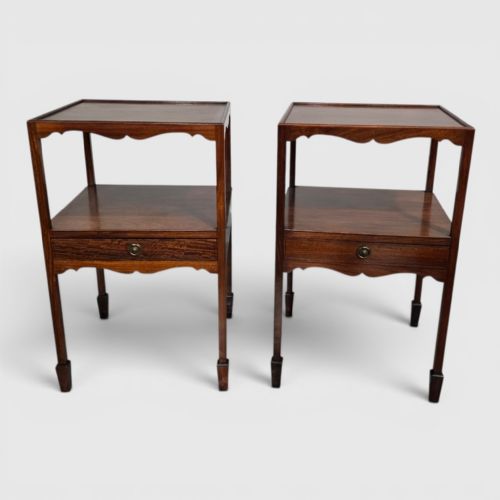
- An occasional table with a raised edge specifically intended for displaying or serving tea and silver services. These often date from the Georgian period.
- Pot cupboard
- A small enclosed bedside cabinet or nightstand designed originally to house a chamber pot. They frequently incorporate a tray top surface for a bedside lamp or glass.
- Butler's tray
- A removable wooden tray with hinged or cutout handles, designed to sit upon a separate folding wooden stand. They served a practical role in domestic hospitality.
- Tambour
- A flexible shutter formed of narrow strips of wood glued to canvas, allowing curved cabinet doors to slide smoothly. This mechanism appears on select George III commodes.
Dark Wood Tray Top Table: Frequently Asked Questions
What were tray top tables used for?
These tables served primarily as secure surfaces for serving afternoon tea, holding bedside water jugs, or displaying silver. The raised gallery edge kept crockery and valuables from sliding off during use.
Over time, their domestic role expanded into general living spaces as lamp tables, writing desks, and occasional coffee tables while retaining their characteristic raised rims.
How do I date a dark wood tray top table?
Dating relies on examining timber species, construction methods, and stylistic cues such as leg shapes and hardware. Georgian and 18th-century pieces often feature Cuban mahogany, hand-cut dovetails, and subtle patination.
Later Edwardian and 1920s pieces typically show machine-sawn timber elements and revival styling influenced by earlier Georgian or Regency aesthetics.
Are tray tops fixed or removable?
Many tray top tables feature a fixed surface where the raised gallery is built directly into or onto the solid tabletop. These form permanent parts of bedside cabinets and silver tables.
Conversely, traditional butler's trays sit loose upon separate folding wooden stands, allowing the tray section to be lifted off independently for carrying.
How do I care for antique mahogany and walnut?
Maintain these timber surfaces by keeping them away from direct sunlight and steady sources of artificial heat to prevent wood splitting. Regular dusting with a soft, dry cloth preserves the finish.
Occasional application of traditional beeswax helps nourish the grain and maintain the natural lustre without building up heavy silicone residues.
What is the difference between a commode and a nightstand?
In 18th-century terminology, a commode generally refers to a low cabinet with doors or drawers used for storage in bedrooms or parlours. George III versions often incorporated tray tops.
A nightstand or bedside cupboard is typically smaller and specifically proportioned to sit beside a bed for holding nighttime necessities.