


Dark Wood Tray Table
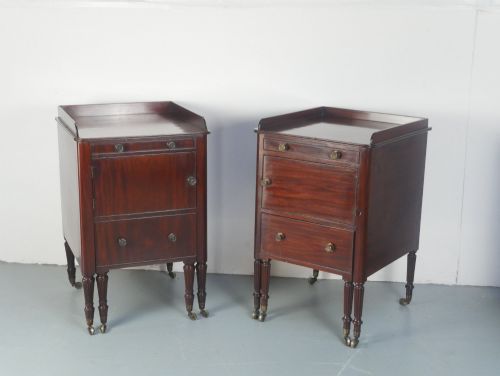
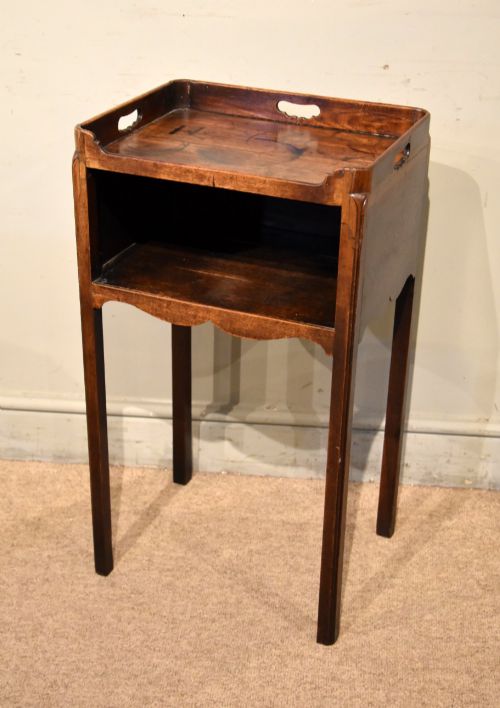
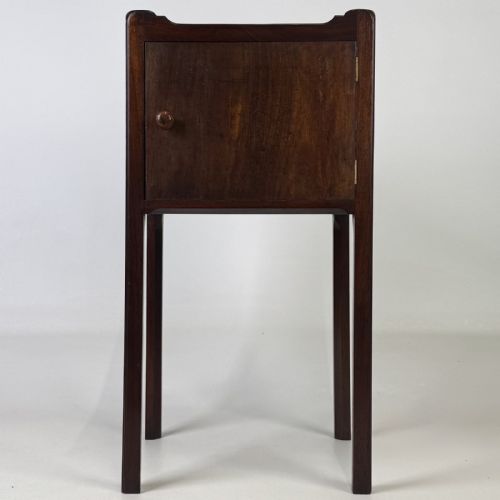
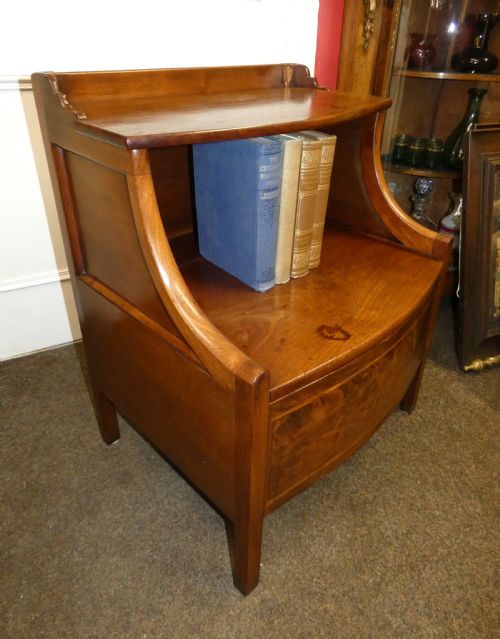
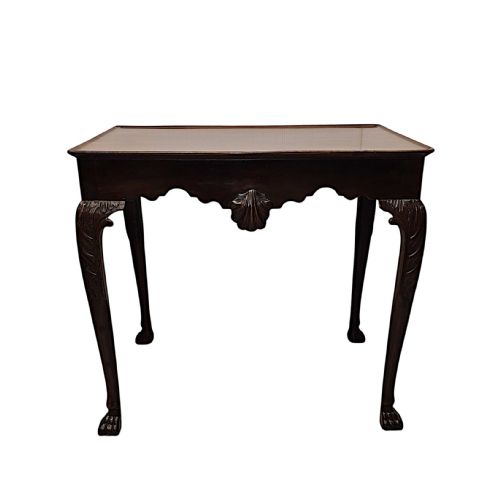
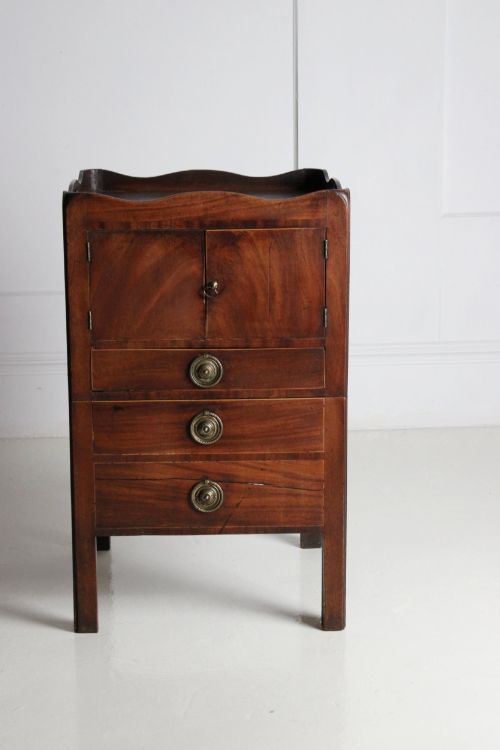
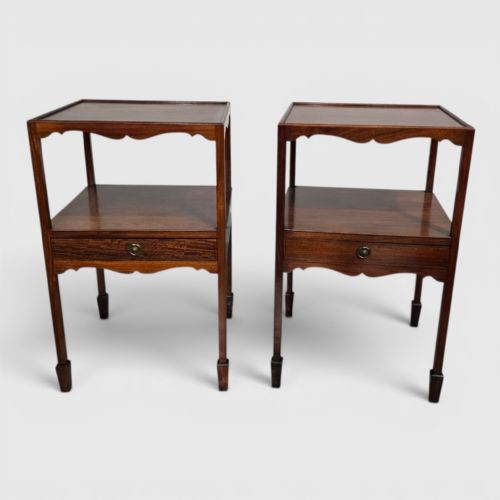
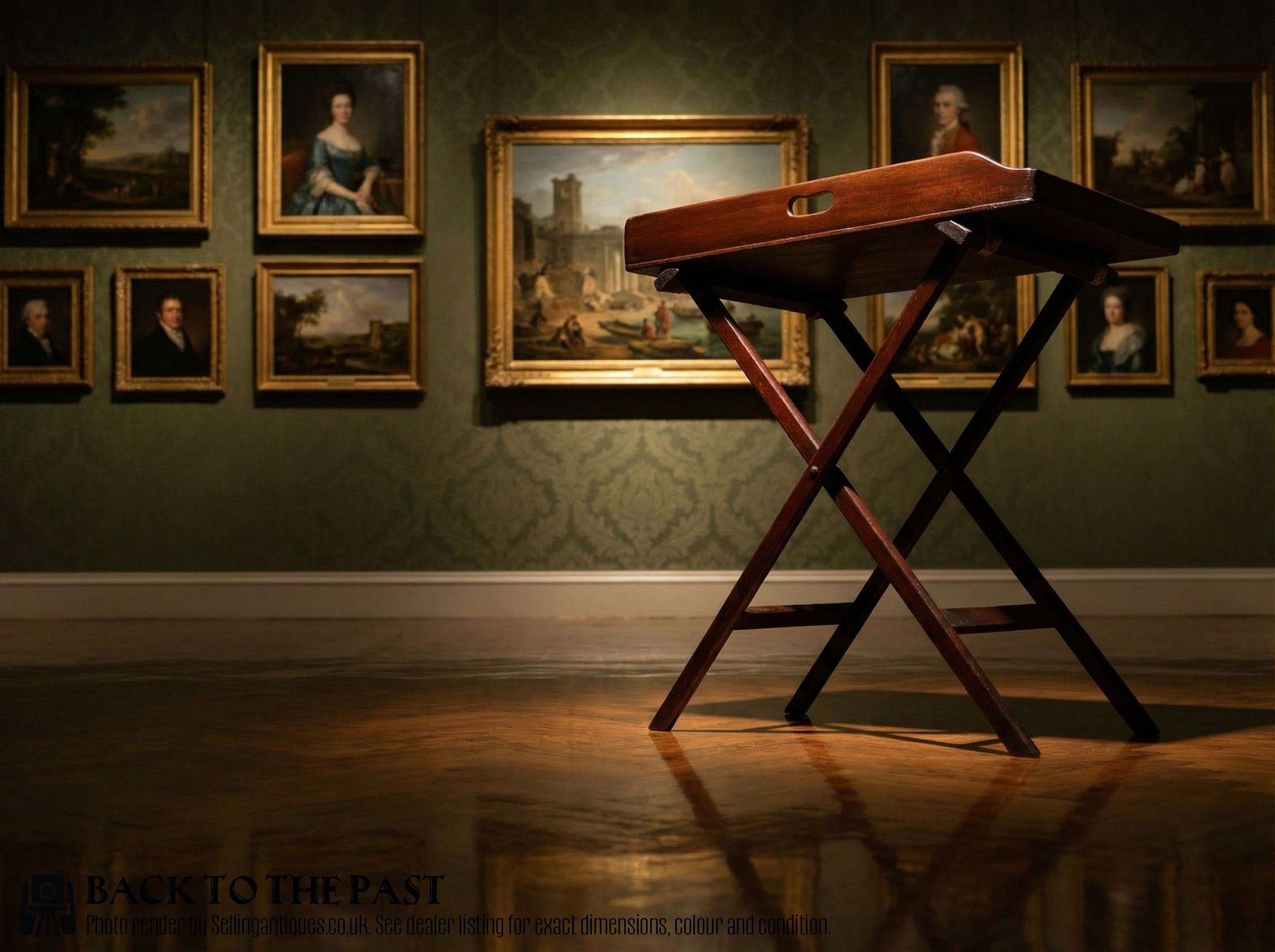
A dark wood tray table brings flexible surface space and rich grain to a room, shifting easily from a serving stand to a lamp table.
Dark Wood Tray Table
When you search for a dark wood tray table, you encounter a versatile form that spans the eighteenth century through the twentieth century. These pieces bridge the gap between portable serving equipment and fixed occasional furniture.
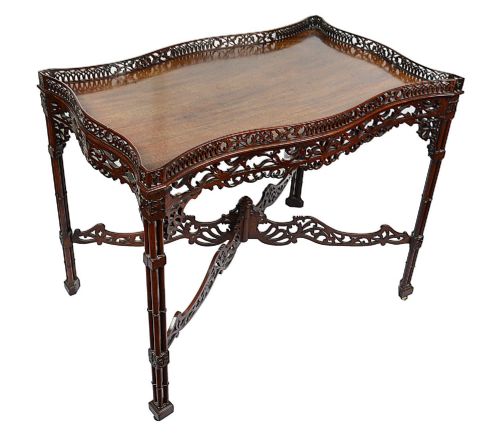
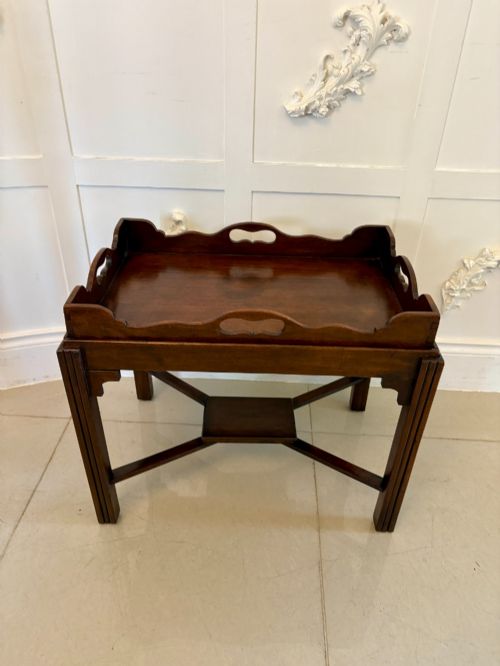
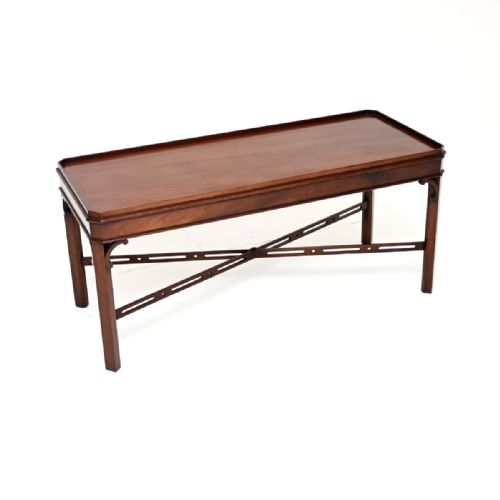
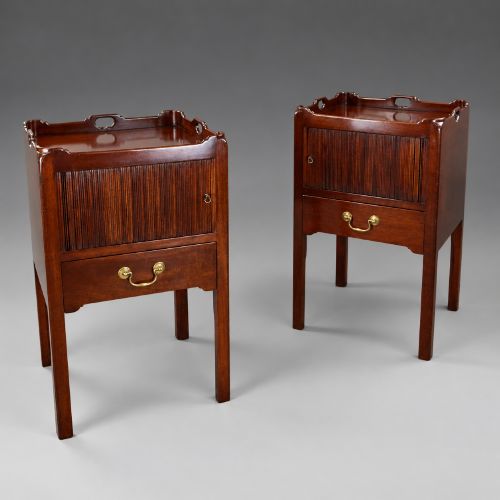
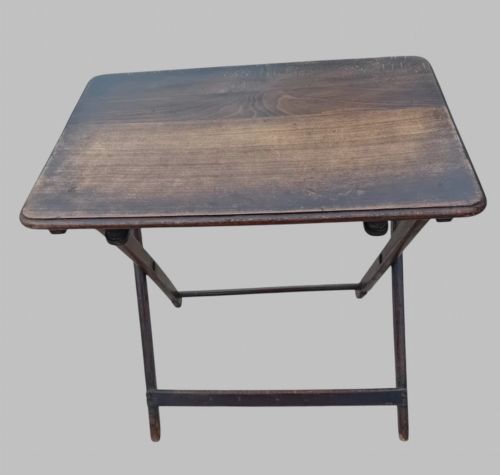
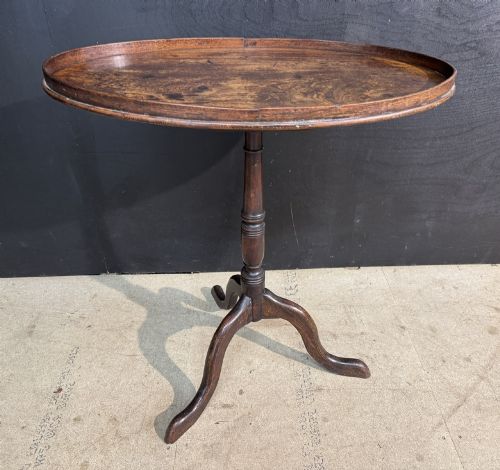
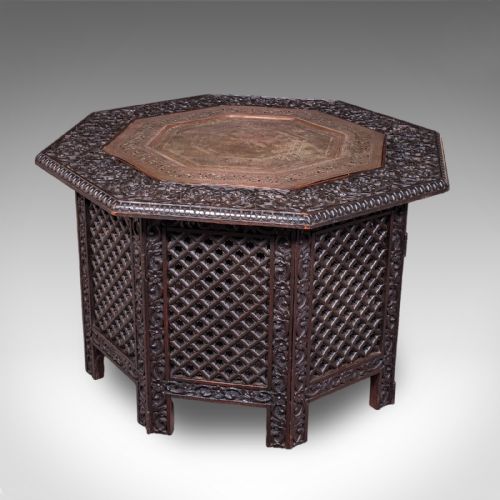
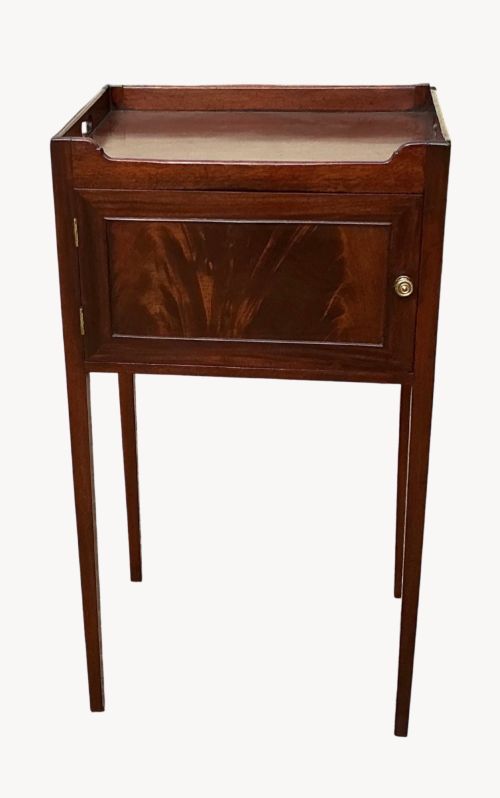
The selections here encompass classic butler trays on folding stands, tilt-top silver tables, and low coffee tables. Materials range widely across mahogany, walnut, oak, and beech, often shaped with raised tray rims to secure items.
Origins vary from traditional English workshops to Anglo-Indian and Kashmiri production. Pieces appear across Georgian, Regency, Victorian, and Edwardian periods, alongside later twentieth-century revivals.
How they were made
Makers utilised solid timbers and veneers, predominantly mahogany and walnut, supported by brass hardware on campaign styles and folding beech stands. Surfaces frequently feature raised moulded or shaped edges designed to retain glassware and silver.
Joinery techniques include dovetailing on drawer boxes and secure turning on stands, while carving appears on cabriole legs and specific regional surfaces. Selected items incorporate glass panels or rotating lazy-susan mechanisms.
Dark Wood Tray Table Retail Price Guide 2026
Typical asking prices for dark wood tray table among the pieces listed under this phrase on Sellingantiques today, from the lower quarter to the upper quarter. They describe what is for sale here now, not the wider market.
Several trays double as spinning snack hubs thanks to rotating lazy-susan mechanisms tucked into the woodwork.
What varies in quality
The distinction between standard utility items and exceptional examples lies in timber selection and crispness of detail. Finely figured mahogany grain and well-defined mouldings elevate a piece far above basic construction.
Structural integrity of the folding mechanism or stand determines daily usability. Original brasses, tight joinery, and balanced proportions mark the upper tier of surviving examples.
Gillows
The Dark Wood Tray Table Glossary
- Tray top
- A tabletop finished with a raised moulded or carved gallery edge designed to prevent items from sliding off during service. This feature defines the primary category of tables listed here.
- Butler's tray
- A detachable wooden tray originally designed for carrying food and drink, typically paired with a folding X-frame stand. They appear frequently in nineteenth-century contexts.
- Tilt-top table
- A table featuring a mechanism that allows the top to pivot vertically when not in use, saving space in smaller rooms. Georgian examples often incorporate a bird-cage mechanism beneath.
- Campaign style
- Portable furniture designed for military officers on the move, characteristically featuring folding stands, inset brass handles, and robust corner brackets. Beech and mahogany are common woods for this form.
- Dumb waiter
- A tiered serving stand featuring multiple rotating or fixed trays arranged vertically on a central shaft. These pieces served dining rooms during the Georgian and Regency periods.
Dark Wood Tray Table: Frequently Asked Questions
How were tray tables originally used?
These pieces functioned primarily for serving tea, coffee, or meals in reception rooms before being cleared away. Folding stands allowed servants to pack them flat when not required.
Over time, many trays found permanent homes on fixed bases, transitioning into static lamp tables or low coffee tables.
Are the trays removable from their stands?
Many traditional butler trays lift entirely off their folding wooden bases, preserving their original portable function. Other variations integrate the tray top directly into a fixed table frame.
Checking the listing details confirms whether a particular piece retains its detachable format.
How do I date a dark wood tray table?
Dating relies on timber species, leg geometry, and construction methods such as hand-cut dovetails or turned stretchers. Georgian and Regency pieces show refined mahogany framing, while Edwardian and later items often utilise beech or walnut.
Stylistic cues like cabriole legs point to the eighteenth century, whereas campaign folding hardware often indicates nineteenth or early twentieth-century manufacture.
Can I use a antique tray table daily?
Most surviving tables remain sturdy enough for everyday use as side tables or bedside surfaces. Solid mahogany and oak construction handles normal loads of lamps and books easily.
Care should be taken with delicate folding mechanisms and polished surfaces to preserve the original finish.