



Dark Wood Padded Stool
A dark wood padded stool brings warmth and tactile comfort to a room, offering versatile seating or a place to rest tired feet.
Dark Wood Padded Stool
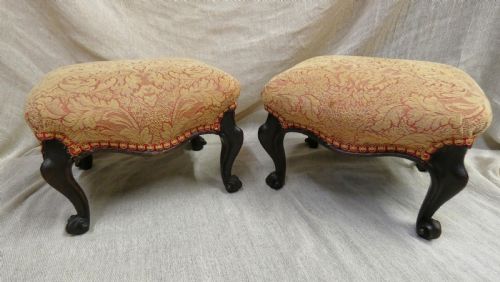
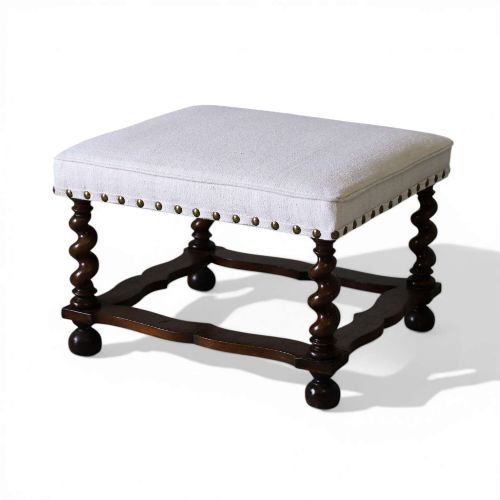
When you search for a dark wood padded stool, you encounter an array of functional seating designed for specific domestic spaces. These pieces span from dressing room furniture and piano seats to compact footstools and ottomans.
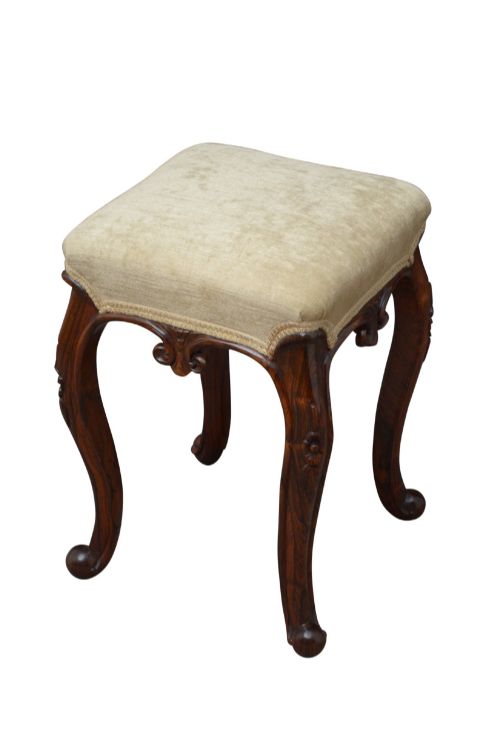
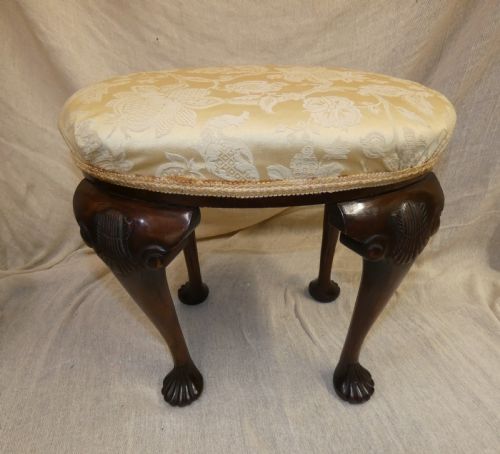
The Victorian era supplies a large portion of the examples on this page, alongside earlier Georgian iterations and later Edwardian designs. Mahogany and rosewood form the backbone of the selection, paired with various upholstered tops.
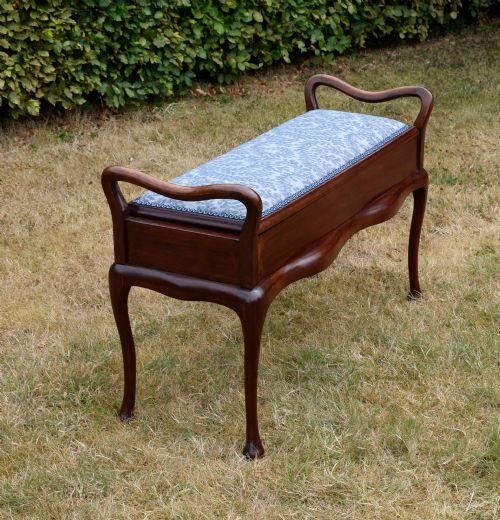
Forms range from simple square footstools to duet piano seats with hinged storage lids and sophisticated X-framed models. Walnut, beech, and elm also appear, grounding the selection in traditional cabinetmaking materials.
Materials and construction
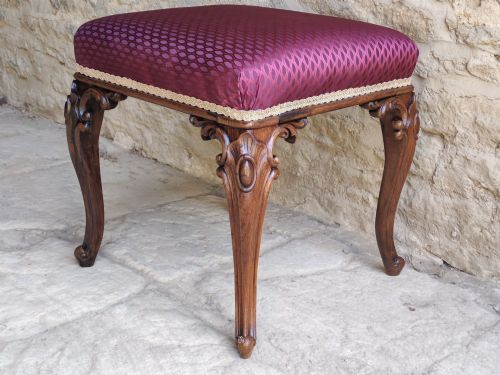
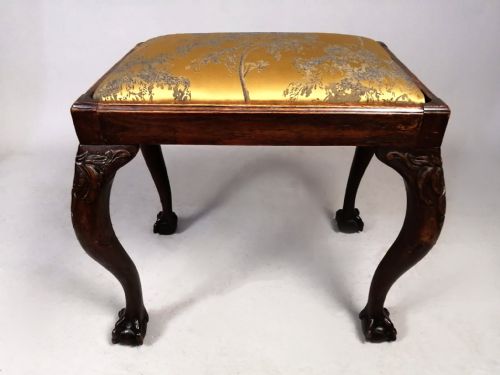
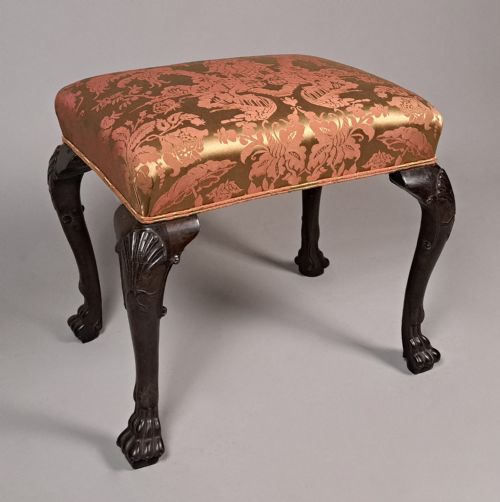
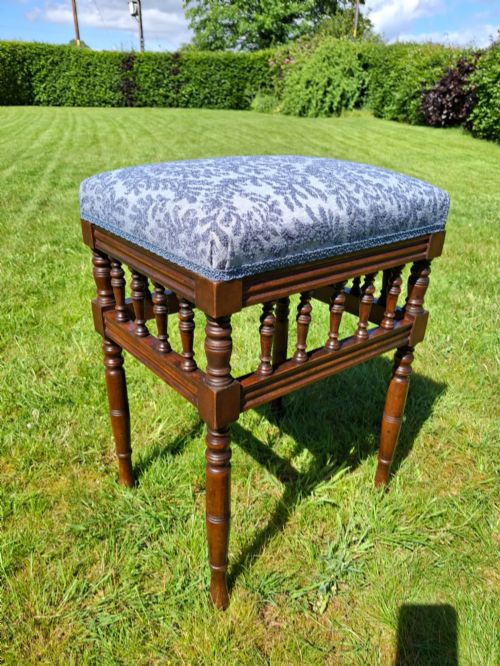
Cabinetmakers utilised dense timbers such as mahogany, rosewood, and walnut for the frames, often shaping them into cabriole legs or turned supports. Carved detailing and applied veneers, including oyster-veneered stretchers, demonstrate the high level of joinery involved.
Padding relies on traditional textiles, with velvet, leather, and needlework upholstery secured over supportive internal structures. Brass hardware occasionally provides mechanical adjustment for piano stools or serves as decorative accent work.
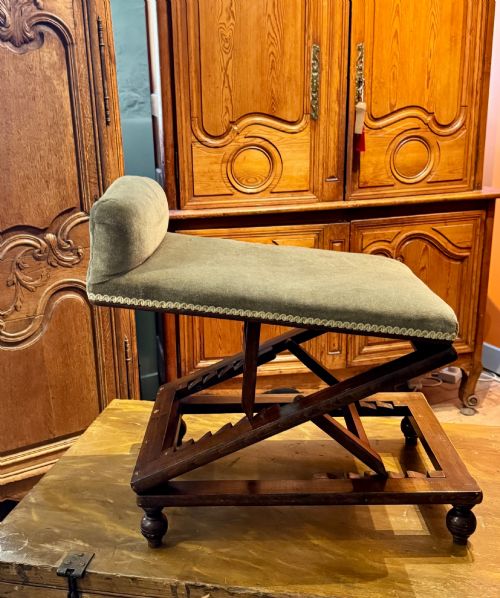
Some Victorian gout stools included adjustable inclines to soothe aching feet, proving that historical comfort took engineering seriously.
Assessing quality and craftsmanship
Quality rests primarily in the timber selection and the crispness of any carved ornamentation on the frame. Fine examples exhibit well-proportioned cabriole legs, robust joinery, and timbers with deep, undisturbed natural grain.
The upholstery technique and the integrity of the padding material also distinguish finer pieces from standard domestic seating. Original or sympathetic textile choices that respect the period of the frame elevate the overall execution.
Jas Shoolbred·James Shoolbred
The Dark Wood Padded Stool Glossary
- Cabriole leg
- A furniture leg that curves out and then in, mimicking an animal's leg. This popular shape appears frequently on Victorian and Georgian frames.
- Oyster veneer
- Cut branches laid to resemble oyster shells, creating a decorative surface pattern. It adds intricate detail to stretchers and panels.
- Metamorphic
- Furniture designed to transform from one form or function into another. Gout stools often employ this adaptable engineering.
- Needlework
- Hand-stitched textiles utilised for upholstery. These decorative fabric tops provide colourful texture to period footstools.
- Duet piano stool
- An elongated seat built to accommodate two musicians. Many include hinged lids opening to reveal sheet music storage.
Dark Wood Padded Stool: Frequently Asked Questions
How do I date a dark wood stool?
Dating relies on identifying the timber species, leg profiles, and construction methods characteristic of specific reigns and design movements. Victorian pieces often show machine-sawn elements, whereas 18th-century examples reveal hand-tool marks.
Changes in upholstery styles and textile types also offer strong chronological clues. Examining the underside and joinery helps confirm the period of manufacture.
What is a gout stool?
A gout stool is an adjustable footrest designed to elevate and support a foot afflicted by pain or swelling. They frequently feature mechanical tilts.
Victorian examples in stained beech or mahogany allow the user to alter the angle of the padded rest for maximum physical relief.
How do I use a piano stool today?
Piano stools serve wonderfully as small occasional seats in living rooms, hallways, or dressing areas. Their compact dimensions make them easy to tuck beneath consoles.
Models with hinged seats offer practical hidden storage for small household items. They bring period character without occupying substantial floor space.
What is the difference between a footstool and an ottoman?
Footstools are generally smaller, lower pieces designed primarily for resting feet while seated in a chair. Ottomans often feature larger proportions and substantial upholstery.
Both forms utilise dark wood frames across the Victorian and Edwardian periods, though ottomans frequently provide greater surface area.