
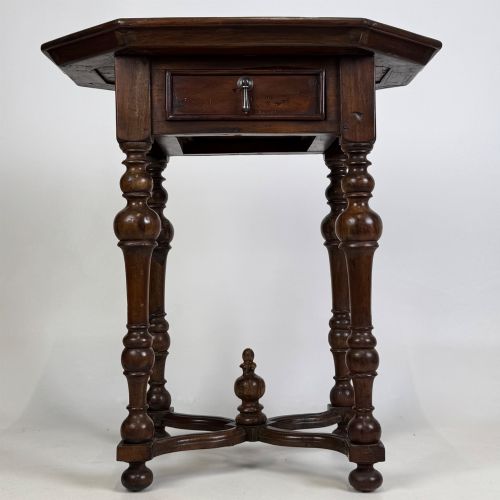
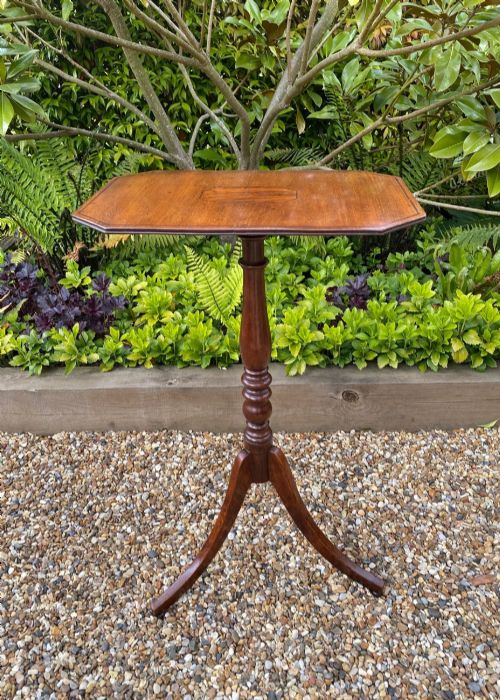
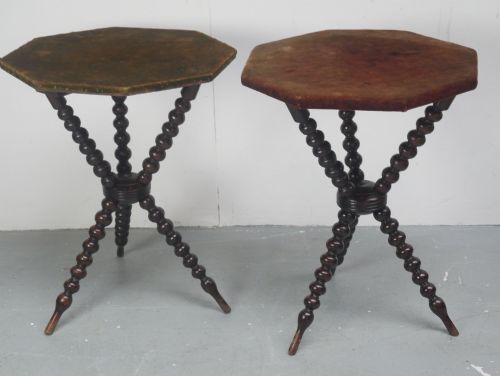
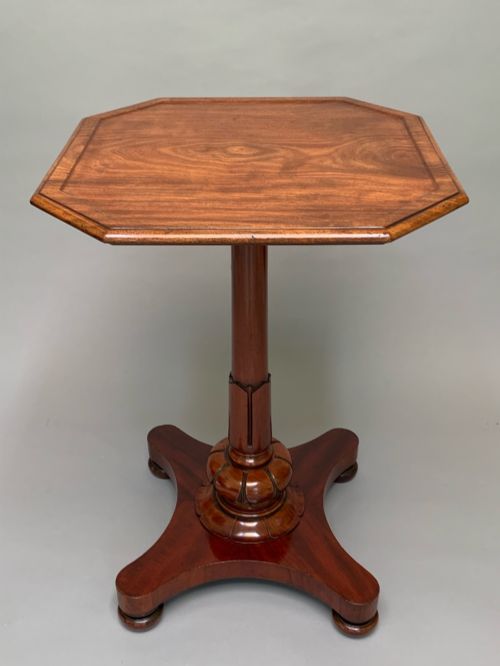

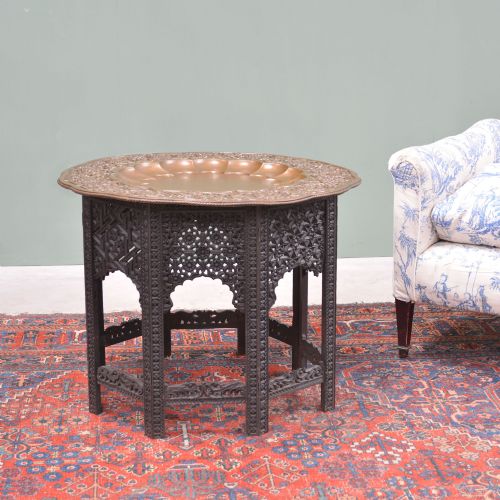
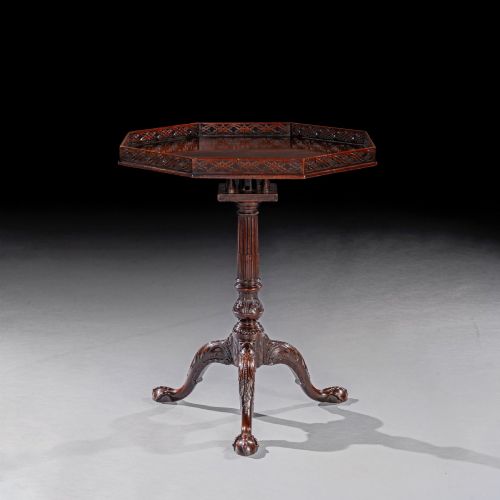

Dark Wood Octagonal Table
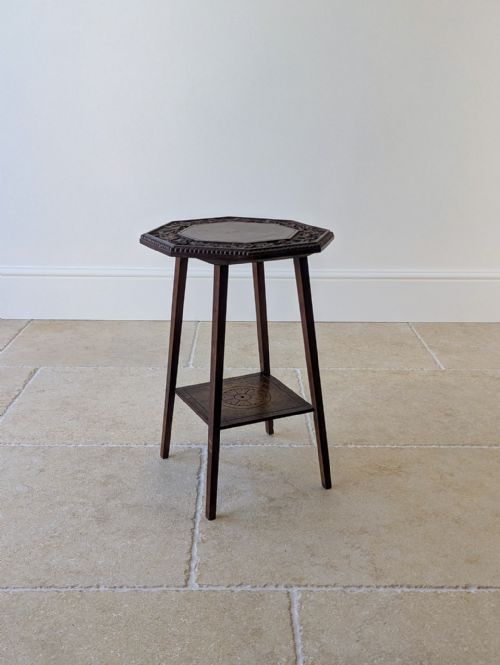
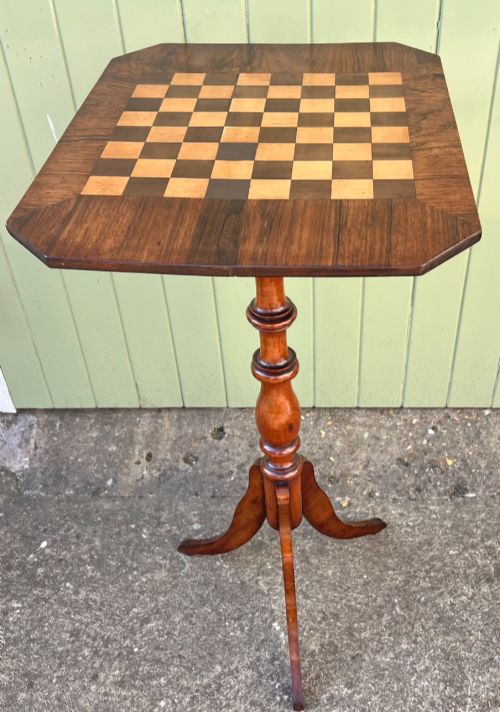
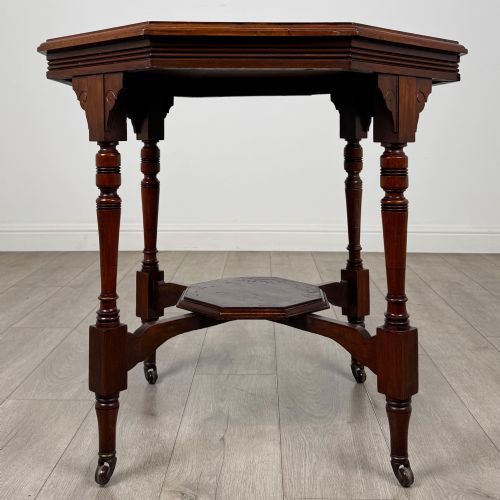
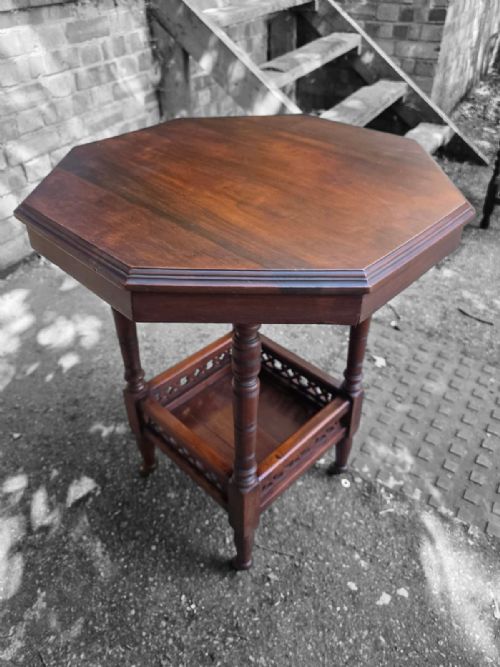
A dark wood octagonal table brings intricate carved detail and geometric form into a room, offering a functional surface steeped in craft.
What they are
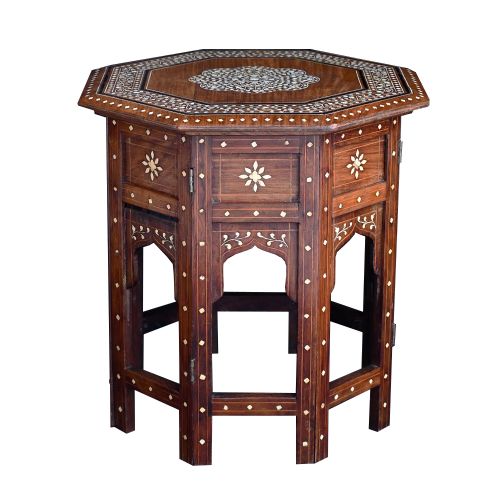
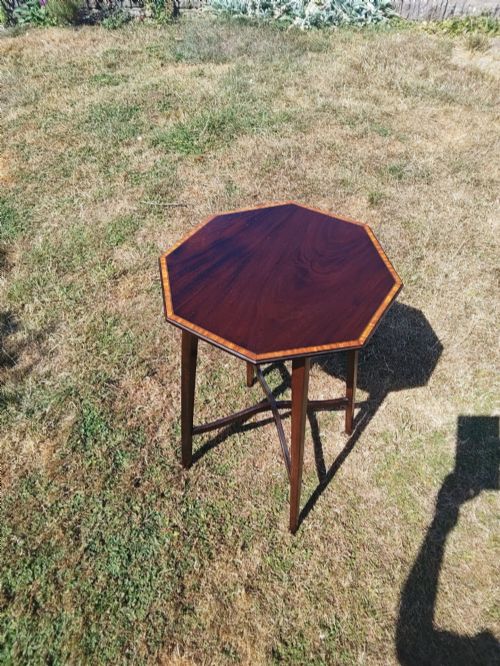
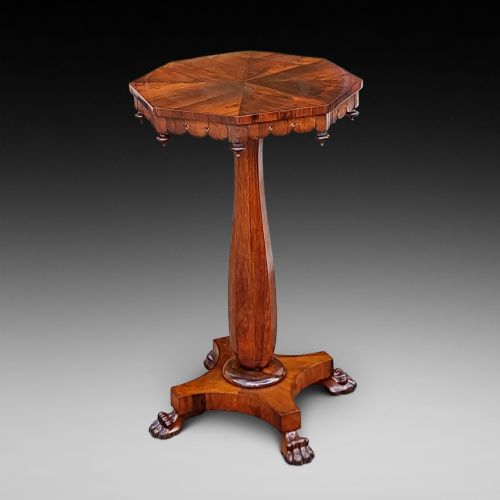
When you search for a dark wood octagonal table, you are looking at eight-sided occasional and side tables originating from the nineteenth century and around nineteen hundred. These pieces encompass Anglo-Indian, Moorish Revival, and North Indian styles that showcase distinctive geometric surfaces and rich timber hues.
The versions you are most likely to meet on this page include folding and tray top formats. Examples frequently feature intricate regional woodwork associated with traditions such as Hoshiarpur craftsmanship.
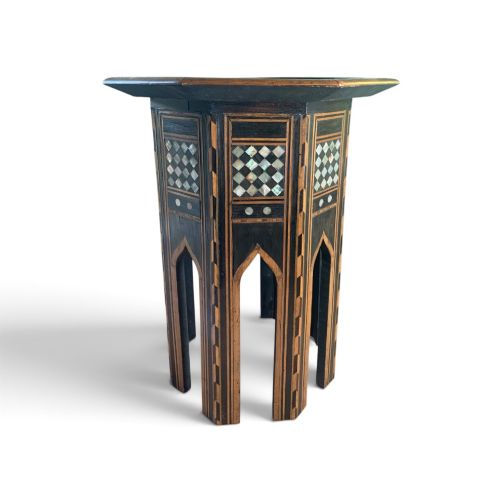
Moorish carved lamp tables and smaller occasional tables dominate the selection, providing versatile surfaces that reflect nineteenth-century design interests in exotic and revivalist aesthetics.
How they were made
The construction relies on dense timbers including teak, padauk wood, rosewood, and sheesham wood. Artisans shaped these dark woods into eight-sided frames and supporting structures designed for both stability and portability.
Surface ornamentation involved intricate hand carving alongside bone inlay and brass or copper elements. These decorative techniques created high-contrast geometric patterns embedded directly into the timber.
Retail Price Guide 2026
Typical UK retail prices for dark wood octagonal table, calculated from the Sellingantiques database of over a million retail prices indexed since 2003. This retail price guide relies exclusively on Sellingantiques data; no external sources or auction records are used, so the figures do not describe the wider market.
Current listings span the Victorian period up to nineteen hundred, featuring teak, rosewood, padauk wood, and sheesham wood.
What varies in quality
The standard of carving determines the upper tier of these tables. Master carvers achieved deep, crisp relief work where every geometric recess and floral motif remains sharp and balanced across all eight sides.
Material selection and inlay integration separate ordinary pieces from exceptional ones. Complete bone inlay without missing sections and dense, heavy hardwoods like padauk or rosewood indicate superior workshop output.
The Dark Wood Octagonal Table Glossary
- Anglo-Indian
- Describes furniture made in India during the British period, combining local craftsmanship with European forms. These pieces often feature dense carving and exotic hardwoods.
- Hoshiarpur
- A region in Punjab renowned for intricate woodwork and bone inlay. Tables from this area display distinctive geometric patterns covering the entire surface.
- Moorish Revival
- An architectural and decorative style popular in the nineteenth century. It incorporates Islamic design elements such as intricate lattice work and multi-foil shapes into domestic furniture.
- Padauk wood
- A heavy, durable timber prized for its rich reddish-brown colour and fine grain. It provides a robust structural base for carved oriental furniture.
- Tray top
- A table top designed with a raised rim to prevent items from sliding off. Some versions are removable to function independently as serving trays.
Frequently Asked Questions
What is an octagonal table used for?
These pieces serve as occasional tables, side tables, or lamp tables in living spaces. Their compact eight-sided footprint allows them to fit neatly beside seating or in corners.
Historically, folding variants provided flexible surface space that could be stored away when not in use. Today, they function primarily as display surfaces for lighting or decorative objects.
How do I identify a Moorish Revival table?
Moorish Revival tables feature dense geometric carving and stylistic elements drawn from Islamic architecture. You will notice intricate fretwork and lattice patterns across the frame.
They often incorporate contrasting materials like bone inlay to accentuate the complex star and polygon motifs characteristic of the style.
Where were Hoshiarpur tables made?
Hoshiarpur tables originated in the Punjab region of India during the late nineteenth and early twentieth centuries. Local artisans specialised in intricate woodwork and precise inlay techniques.
These workshops produced folding and tray top tables specifically for export and domestic use during the British colonial period.
Are these tables sturdy?
The structural stability depends on the specific form, with solid pillar and base designs offering robust everyday support. Folding variants rely on interlocking wooden slats that require careful handling.
Heavier hardwoods like padauk and teak provide natural durability, though the intricate carvings require gentle dusting to prevent accumulation in the recesses.