



Dark Wood Mini Chest
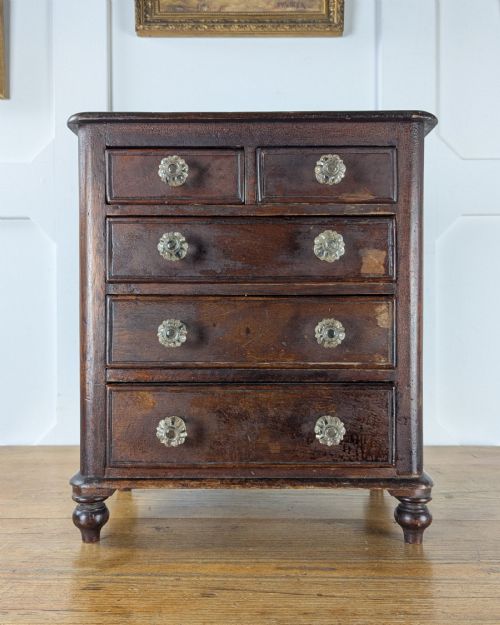
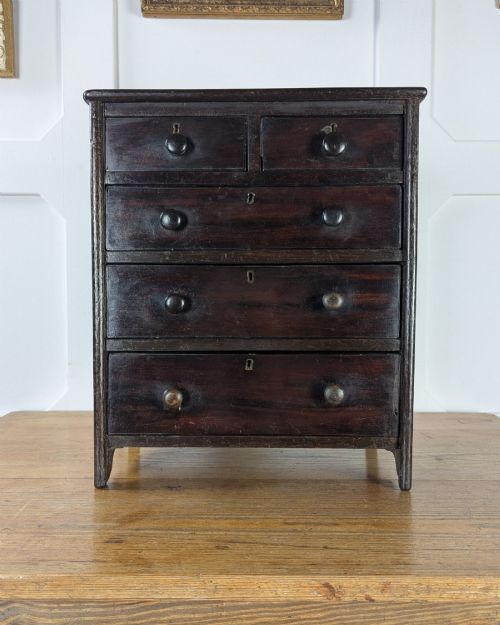
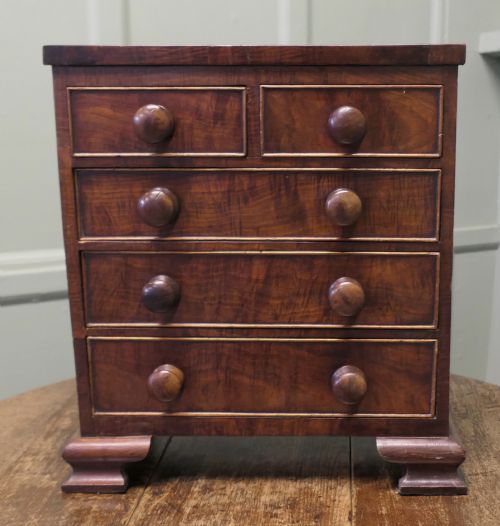
These dark wood mini chest pieces are compact scale models and small cabinets offering practical storage with distinct period character.
Dark Wood Mini Chest
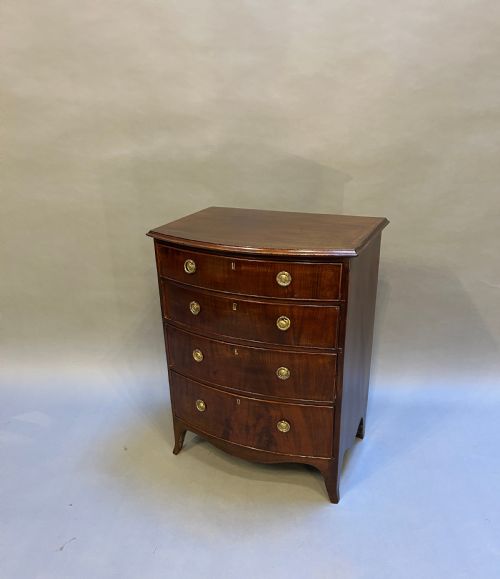
A dark wood mini chest encompasses miniature chests of drawers, collectors cabinets, and small coffers designed to sit upon tabletops or counters. Buyers seeking this phrase encounter scaled furniture ranging from Georgian bowfronts to Victorian apprentice pieces and Edwardian countertop units.
Forms vary from classic five-drawer mahogany chests to Welsh oak coffer bach designs and specialised drapers countertop needle drawer cabinets. Each piece serves as a functional desktop organizer or a specialised storage cabinet for small collections.
What varies in quality
Quality shows in the crispness of the miniature dovetail joints and the selection of timber veneers. Superior examples display carefully matched mahogany grains and well-proportioned mouldings.
The presence of original brass hardware and untouched surface patina distinguishes finer cabinetwork from simpler utilitarian items.
The listings show periods ranging from the eighteenth century through the Georgian, Victorian, and Edwardian eras up to the nineteen-twenties.
The Dark Wood Mini Chest Glossary
- Apprentice piece
- A small item of furniture demonstrated by a craftsman to prove mastery of a trade before admission to a guild. These pieces replicate full-scale furniture with exact miniature detail.
- Coffer bach
- A small Welsh oak chest traditionally used for storing valuables or linen. The term translates from Welsh as little coffer.
- Bowfront
- A convex curved front contour found on select chests of drawers. This styling requires skilled woodworking to shape the drawers and frame.
- Collectors cabinet
- A specialised storage unit fitted with multiple small drawers for organising specimens or small objects. These cabinets often feature locking doors or glass fronts.
- Deal
- Fir or pine timber commonly used in secondary furniture construction or stained to imitate finer woods. This material appears in various utilitarian small cabinets.
Dark Wood Mini Chest: Frequently Asked Questions
What is a dark wood mini chest used for?
These small chests serve as practical desktop storage units for jewellery, stationery, or small collectables. Their compact footprint allows them to sit easily on tabletops, sideboards, or countertops.
Historically, many served as apprentice pieces, salesman samples, or specialised merchant storage cabinets. Today, they function as decorative accent pieces that bring historic craftsmanship into modern rooms.
How do I date an antique mini chest?
Dating relies on observing construction methods, wood types, and hardware styles across the piece. Georgian and Victorian examples show distinct joinery techniques and proportions typical of their respective eras.
Examine the drawer construction and timber choices, as earlier pieces often feature solid mahogany or oak while later versions introduce stained deal or soft wood.
Are apprentice pieces genuine antiques?
Authentic apprentice pieces date from the eighteenth and nineteenth centuries when aspiring craftsmen built miniature furniture to demonstrate their skills. These items were built using the exact same traditional techniques as full-sized furniture.
Genuine examples display authentic period wear, hand-cut dovetails, and traditional timber patination developed over generations of handling.
What woods are used in these chests?
Mahogany and oak form the primary timbers for the majority of these miniature pieces. Craftsmen also utilised stained deal, boxwood, and soft wood depending on the regional origin and period.
Dark hardwoods were selected for their durability and handsome grain patterns, which responded well to traditional polishing and finishing methods.