




Dark Wood Looking Glass
A dark wood looking glass brings depth to a room through rich timber frames and silvered plates.
Dark Wood Looking Glass
When you search for a dark wood looking glass, you are looking at wall mirrors framed in timbers such as oak, mahogany, and walnut. These pieces span from the Georgian period through to the early twentieth century.
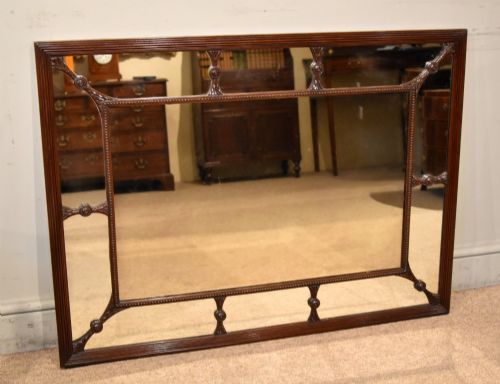
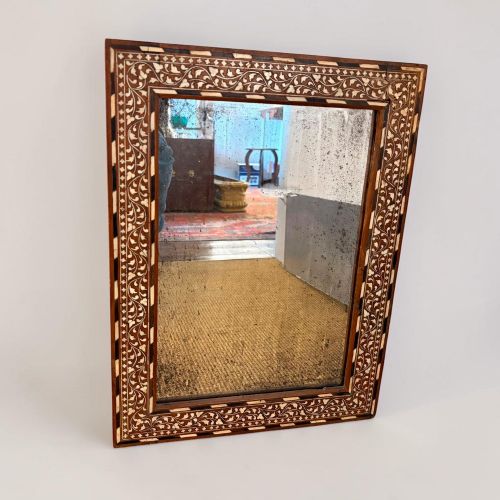
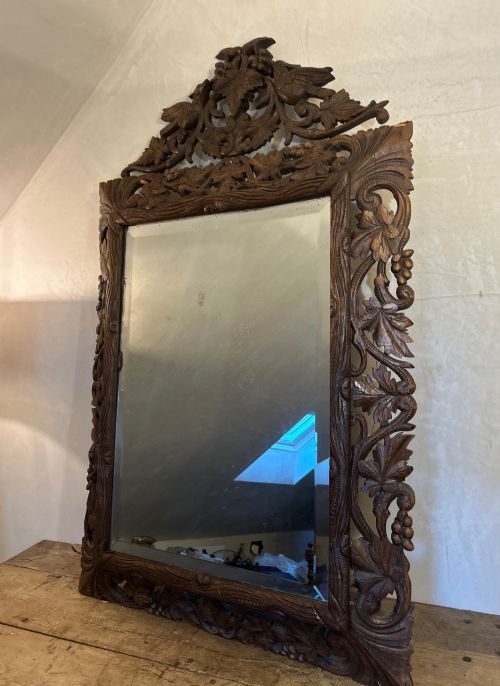
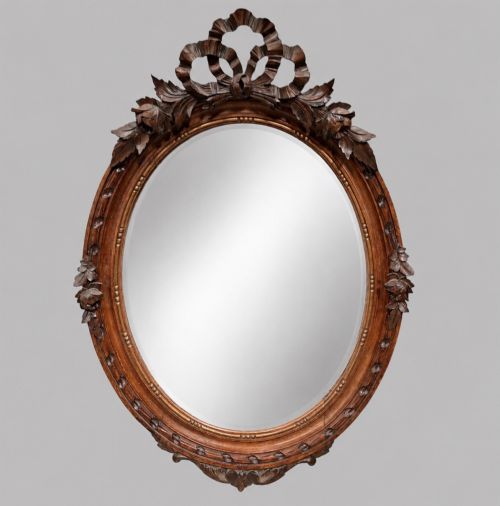
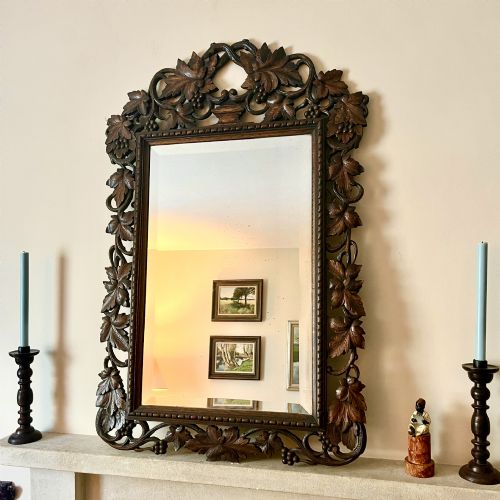
You are most likely to meet nineteenth century oak and walnut wall mirrors on this page. They appear in forms ranging from simple carved rectangles to fretwork and overmantle styles.
How they were made
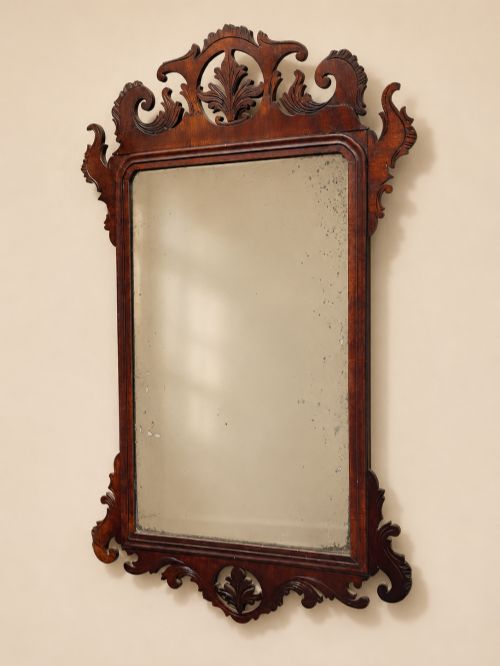
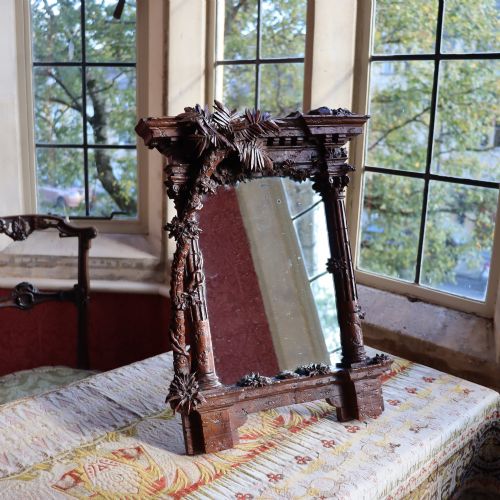
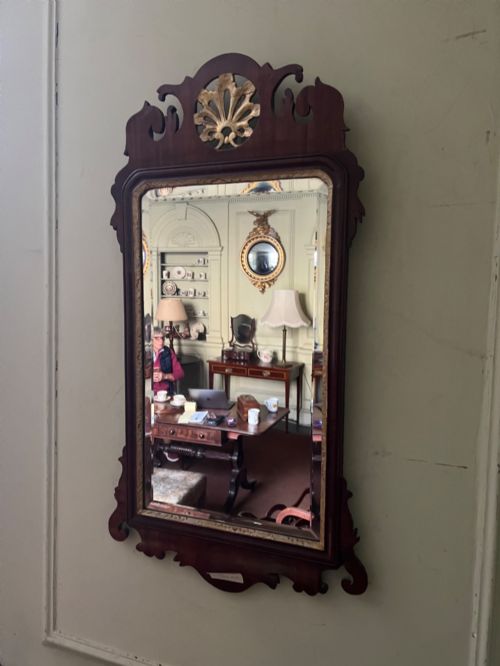
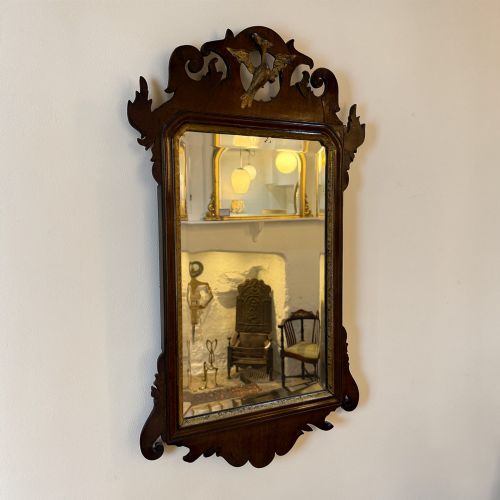
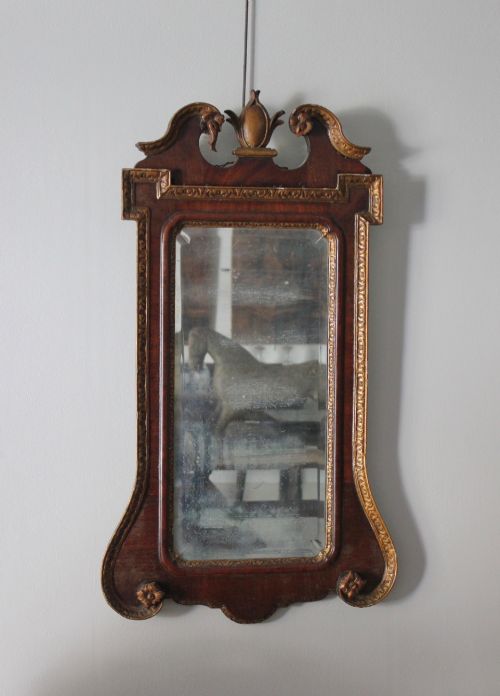
Cabinetmakers constructed these frames using solid hardwoods like oak, walnut, and mahogany, often applying detailed hand carving or fretwork scroll designs. Some examples incorporate gilt wood highlights or parcel gilt details to contrast against the dark timber.
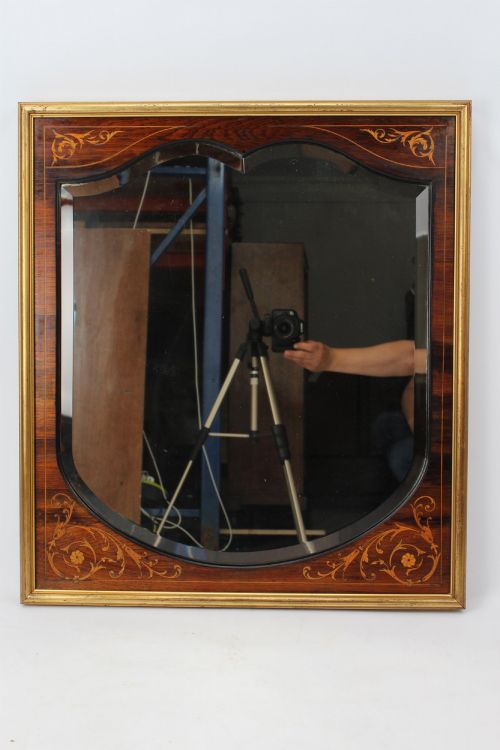
Glass plates were silvered by hand, which accounts for the subtle variations seen across nineteenth century and Georgian looking glass surfaces. Veneers were applied to larger backing structures in later Victorian and twentieth century pieces.
Dark Wood Looking Glass Retail Price Guide 2026
Typical asking prices for dark wood looking glass among the pieces listed under this phrase on Sellingantiques today, from the lower quarter to the upper quarter. They describe what is for sale here now, not the wider market.
Listings for a dark wood looking glass span from Georgian and mid-eighteenth century examples through to Victorian and early twentieth century pieces.
What varies in quality
The standard of a dark wood looking glass rests on the crispness of the hand carving and the depth of the timber grain. Fretwork cut from solid walnut or mahogany demonstrates a higher degree of joiner skill than simpler moulded frames.
Proportion and scale dictate the visual weight of the mirror on a wall. Finer examples balance the dimensions of the frame with the silvered plate, whereas standard utilitarian pieces show less attention to architectural harmony.
The Dark Wood Looking Glass Glossary
- Fretwork
- Thin wood panels cut with a fretsaw into intricate decorative patterns. It is commonly found on Georgian and Victorian wall mirrors.
- Overmantle
- A large horizontal mirror designed to hang above a fireplace mantel. These often feature combined timber veneers and gilt mouldings.
- Parcel gilt
- A decorative finish where small portions of a wooden frame are gilded with gold leaf. This technique highlights carved details against the dark wood.
- Gesso
- A plaster-based material applied to wood frames to create a smooth surface for gilding. It allows for crisp ornamental relief work.
Dark Wood Looking Glass: Frequently Asked Questions
Where should I hang a dark wood looking glass?
These wall mirrors suit placement above a mantelpiece, sideboard, or console table where the timber frame can anchor the surrounding wall space. They add depth and reflect natural light into darker corners of a room.
Ensure the wall fixings match the weight of the timber and the mirror plate. Heavier oak and mahogany frames require secure attachment directly into wall studs or masonry.
How do I clean the wooden frame?
Dust the timber gently with a dry, soft cloth to remove everyday particles. Avoid using modern chemical sprays that can strip the historic polish from the wood.
Feed the dark wood occasionally with a suitable wax to maintain its lustre. Take care to keep moisture away from the edges where the glass plate meets the frame.
How do I identify a Georgian mirror?
Georgian mirrors often feature symmetrical fretwork, parcel gilt details, and secondary pine or softwood backing boards. The proportions follow classical architectural rules of the eighteenth century.
Earlier examples display hand-bevelled glass plates with slight distortions in the reflection. Construction methods rely on traditional joinery without modern metal screws.