


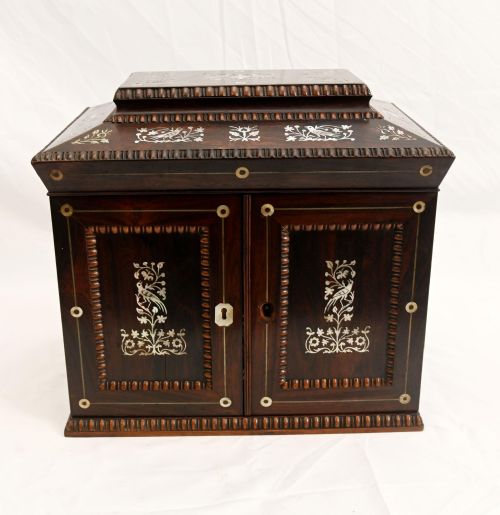


Dark Wood Jewellery Box
A dark wood jewellery box gathers the treasures of past centuries, offering fitted interiors, brass handles, and rich grain to hold personal keepsakes.
Dark Wood Jewellery Box
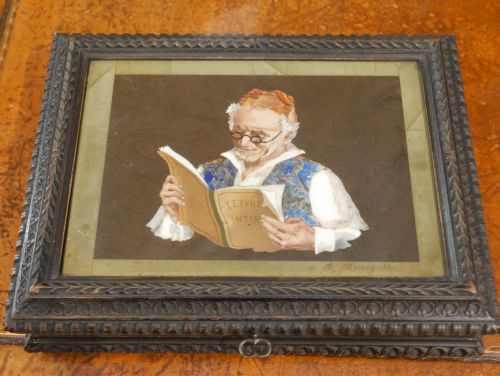
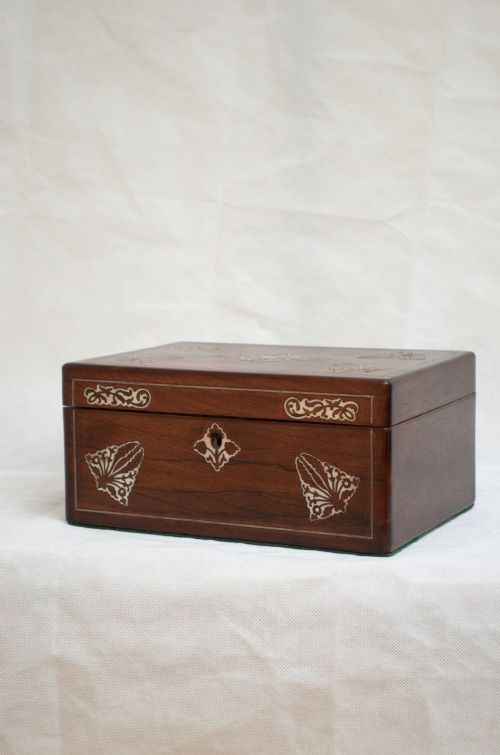
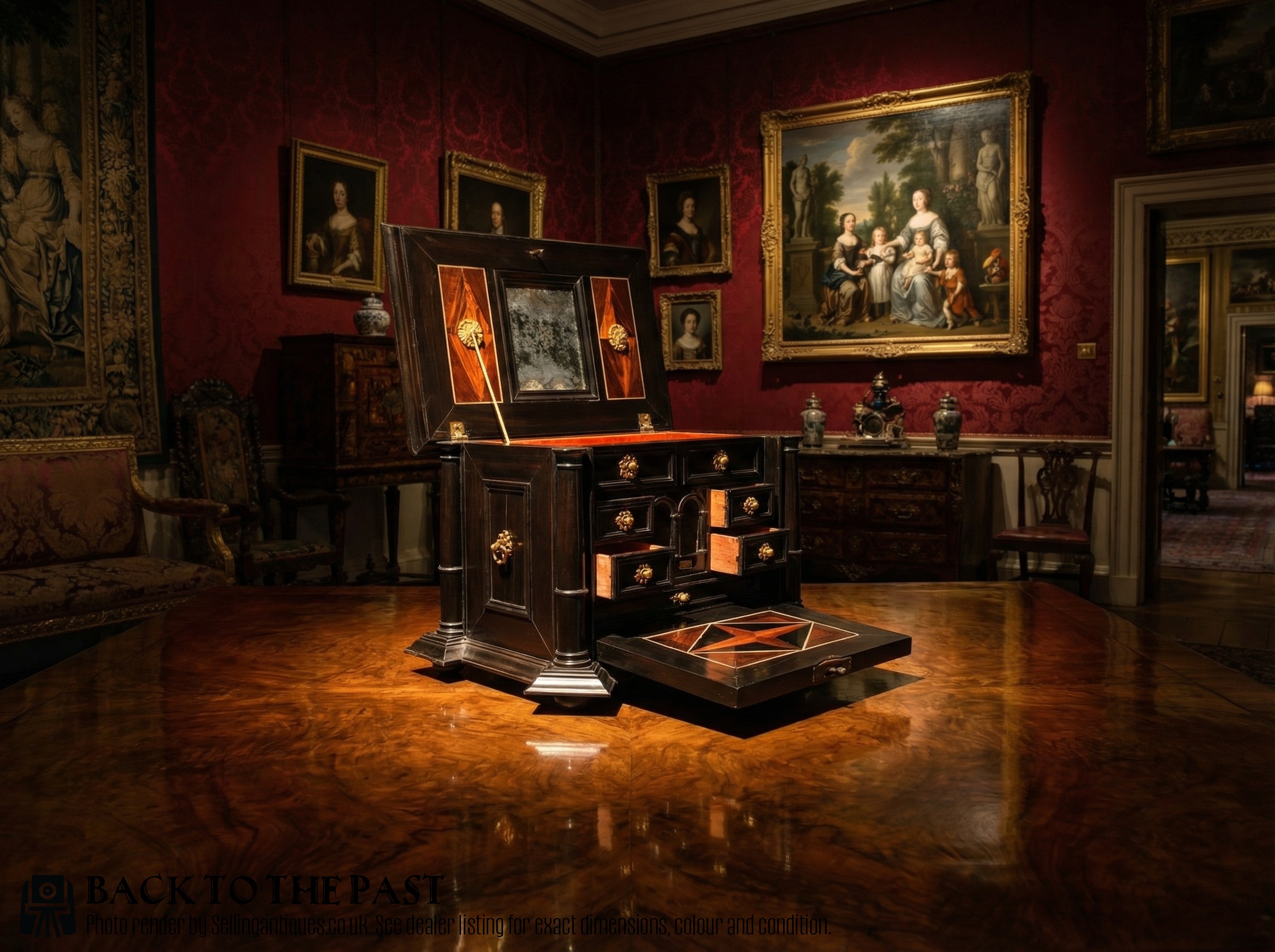
When a buyer searches for a dark wood jewellery box, they encounter sturdy and decorative containers shaped from dense timbers designed to secure valuables. The selection on this page relies heavily on Victorian and 19th-century examples alongside Georgian, Regency, and William IV pieces.
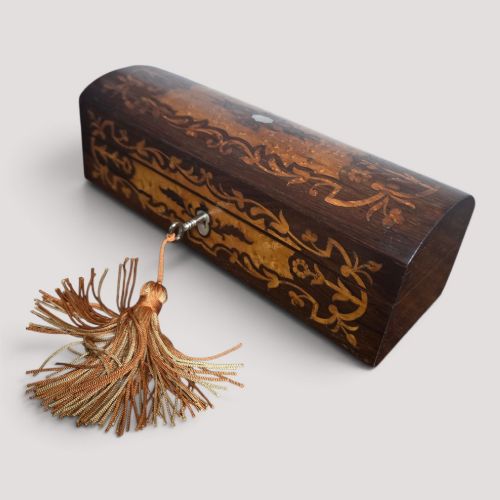
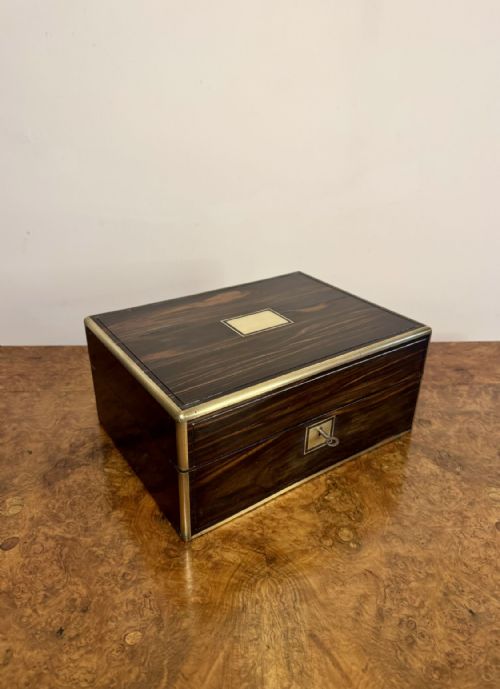
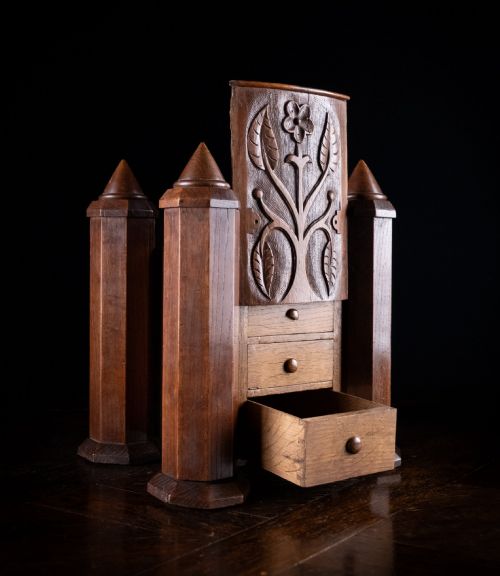
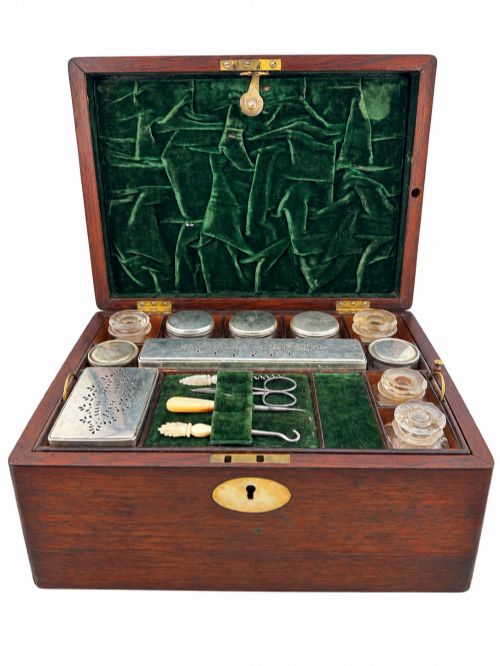
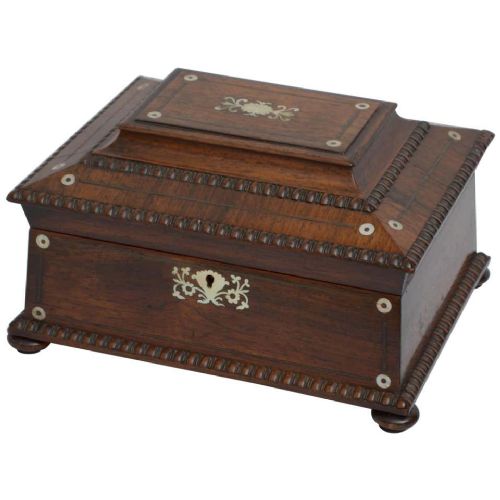
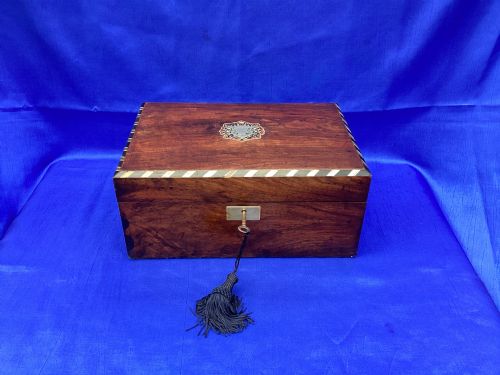
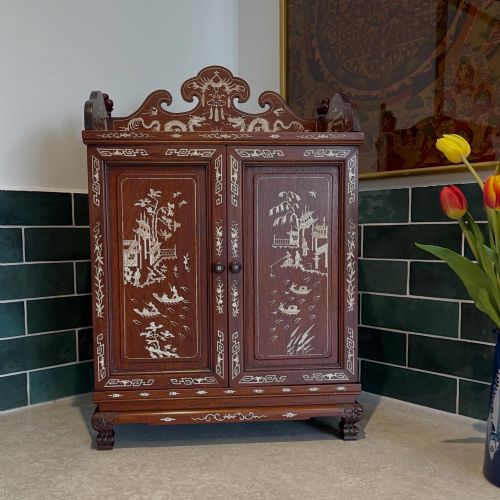
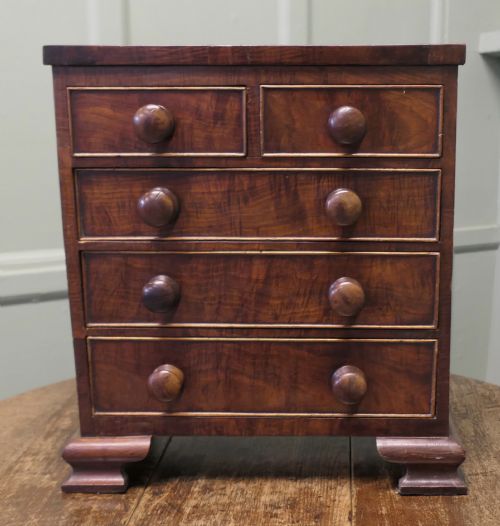
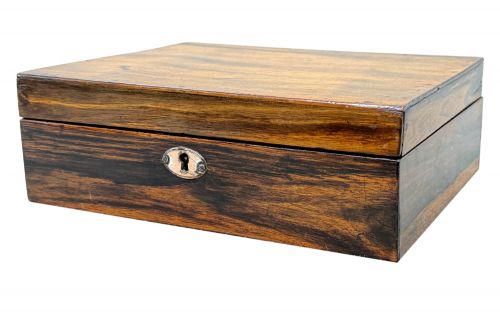
The objects take several forms, ranging from traditional rectangular jewellery chests and vanity dressing boxes to miniature chests of drawers, work boxes, and table cabinets. Rosewood, mahogany, and coromandel dominate the offerings, often enhanced with contrasting inlays of mother-of-pearl or satinwood.
Origins span English workshops, Anglo-Indian craft, and continental European traditions like Black Forest carving or Flemish ebony work. Buyers find both simple trinket keepsakes and elaborate combination caskets fitted with trays and compartments.
What varies in quality
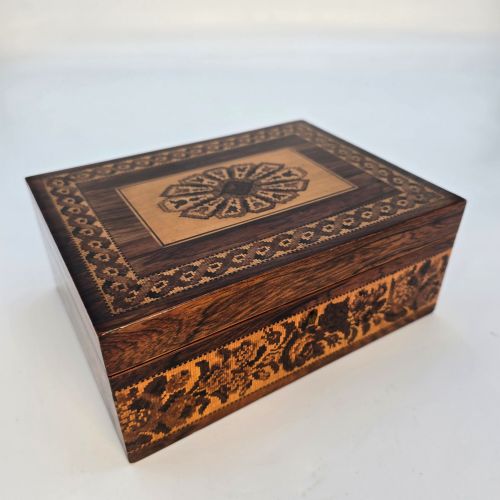
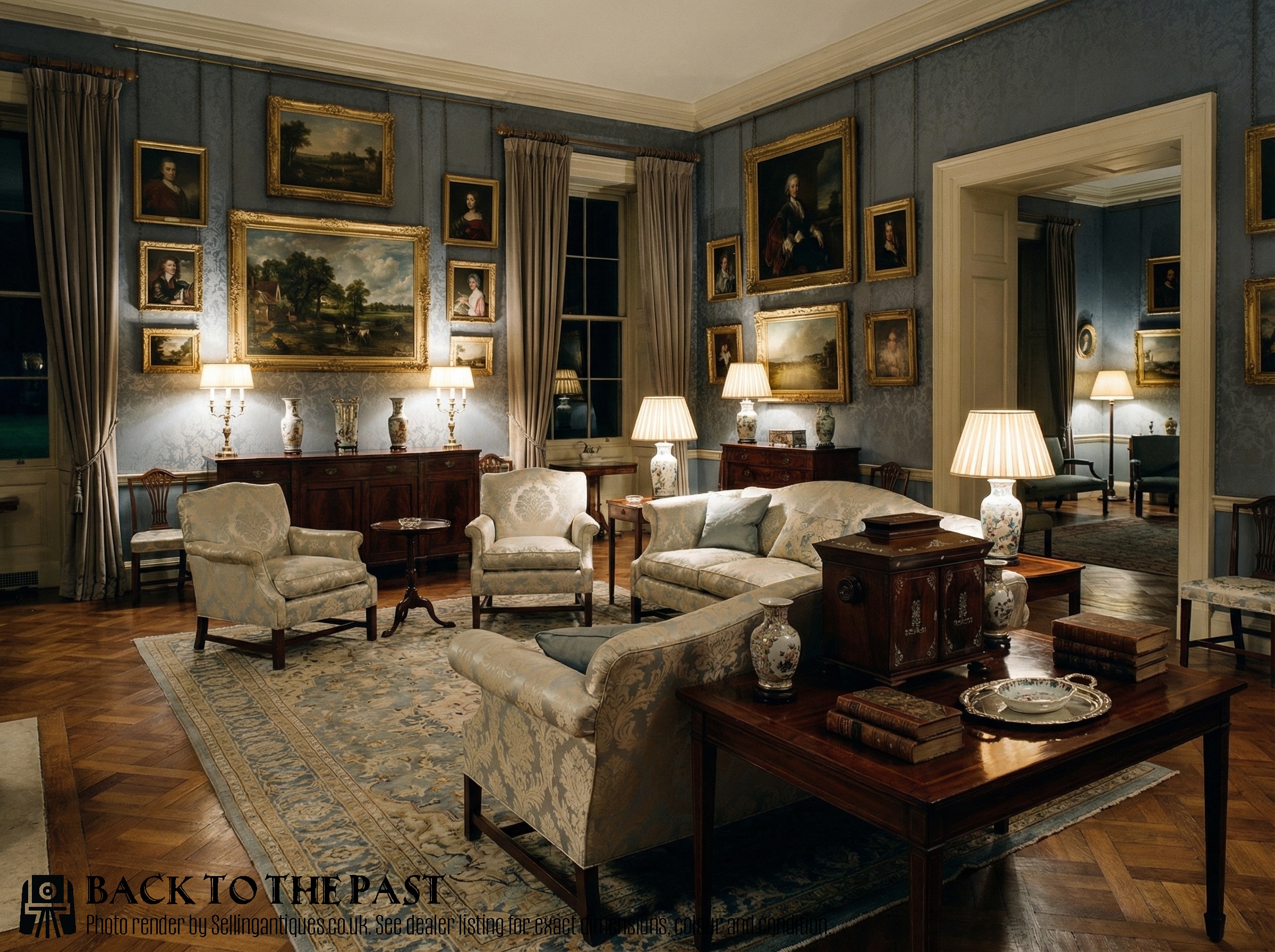
The calibre of a piece rests in the choice of timber and the precision of its decorative inlays, such as intricate Tunbridge Ware or mother-of-pearl detailing. Crispness in wood carving and the survival of original fitted interior trays distinguish finer examples.
Structural integrity, including the condition of the box hinges, locks, and working keys, separates standard containers from superior pieces. The depth of the wood's patina and the skill involved in matching grain patterns across the exterior surfaces also dictate the standing of an item.
Dark Wood Jewellery Box Retail Price Guide 2026
Typical asking prices for dark wood jewellery box among the pieces listed under this phrase on Sellingantiques today, from the lower quarter to the upper quarter. They describe what is for sale here now, not the wider market.
Edmund Nye·H Mitchell
The Dark Wood Jewellery Box Glossary
- Coromandel
- A dense, heavily figured exotic timber with dark brown and black streaking. It was frequently utilised for luxury 19th-century vanity cases and dressing boxes.
- Tunbridge Ware
- A type of decorative woodwork featuring intricate mosaic patterns assembled from thousands of tiny tinted wood blocks. It commonly decorates the lids of Victorian boxes.
- Sarcophagus-shaped
- A box design featuring a stepped, sloping lid reminiscent of an ancient stone coffin. This form was popular during the Regency and William IV periods.
- Apprentice piece
- A small-scale model of a chest of drawers or furniture item created to demonstrate a craftsman's skill. These miniature items often functioned as tabletop storage.
- Campaign box
- A portable storage chest fitted with flush brass handles and corner brackets, designed for military travel. They offer robust construction and practical compartments.
Dark Wood Jewellery Box: Frequently Asked Questions
What fits inside a dark wood jewellery box?
These boxes contain fitted compartments, removable trays, and lined sections designed for rings, necklaces, and small trinkets. Many 19th-century examples also include space for vanity bottles or pocket watches.
Larger dressing boxes and table cabinets provide deeper drawers and concealed wells for letters and personal documents. The internal layout depends on whether the box was built for travel or stationary tabletop use.
How do I identify a Victorian jewellery box?
Victorian pieces frequently feature rosewood or coromandel construction paired with mother-of-pearl inlays or brass cartouches. Sarcophagus shapes, sarcophagus lids, and Tunbridge Ware decoration are common indicators of 19th-century manufacture.
Examining the interior lining, hinges, and lock mechanisms also helps determine the age. English makers often stamped locks or integrated secret drawers characteristic of the period.
Were these boxes used for travel?
Many dressing boxes and campaign pieces were built for travel, featuring recessed brass carrying handles and secure locks. Sturdy timbers like mahogany and coromandel protected contents during movement.
Other formats, such as miniature chests of drawers and display tables, stayed fixed on dressing tables or drawing-room surfaces. Travelling vanity cases often included working keys and removable mirrors.
What is coromandel wood?
Coromandel is an Asian hardwood prized for rich dark brown colouration and striking contrasting streaks. Cabinet makers utilised it for luxury boxes throughout the 19th century.
Due to its density and scarcity, coromandel appears primarily on high-end dressing cases and combination caskets. The wood accepts a fine polish that highlights its distinctive grain.