



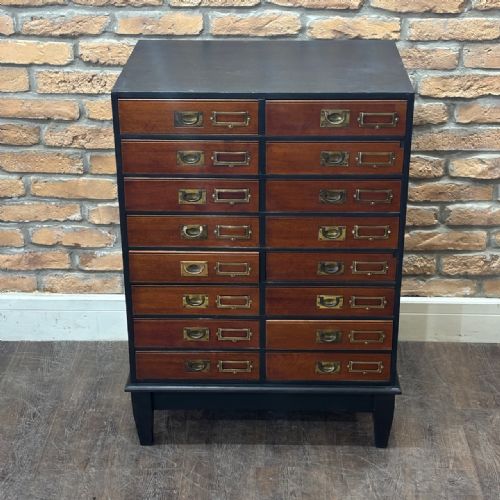

Dark Wood Filing Cabinet
A dark wood filing cabinet brings practical organisation and rich grain into a room, offering deep drawers built to last.
Dark Wood Filing Cabinet
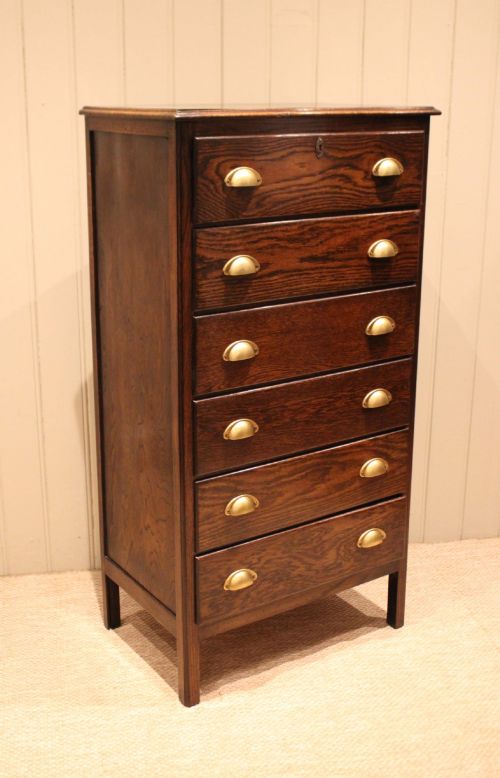
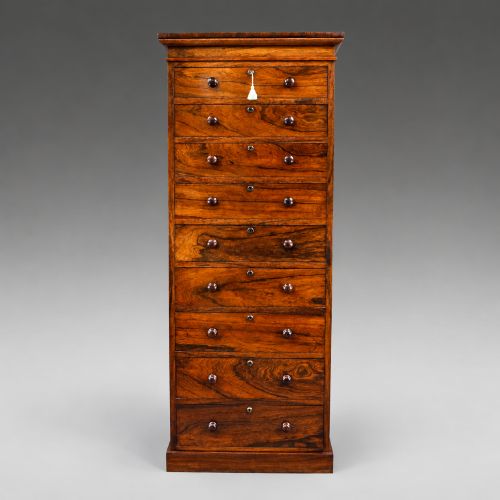
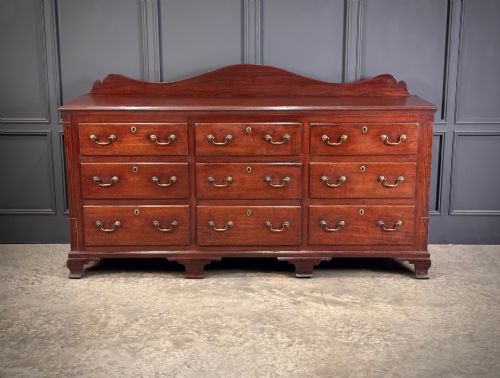
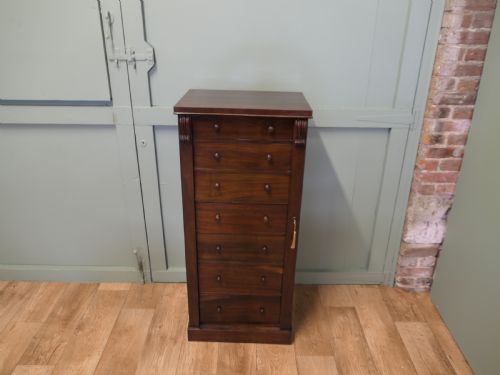
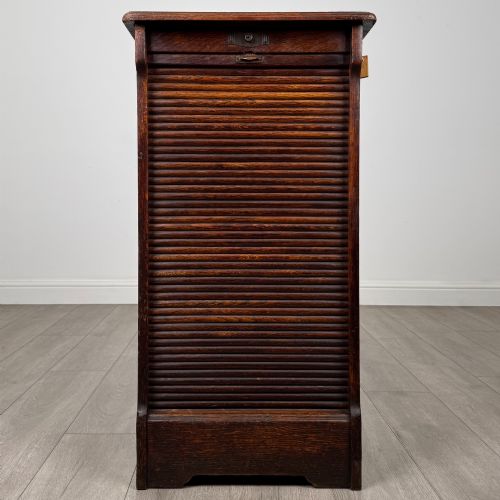
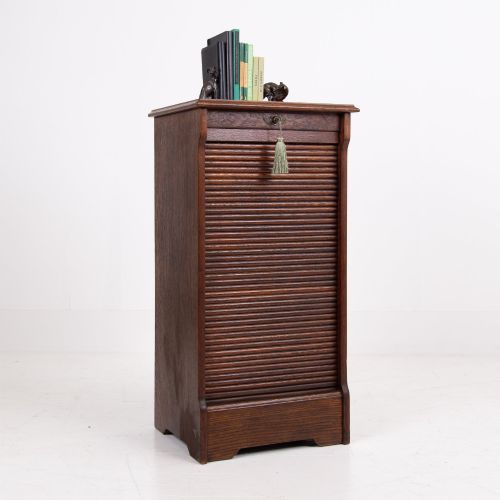
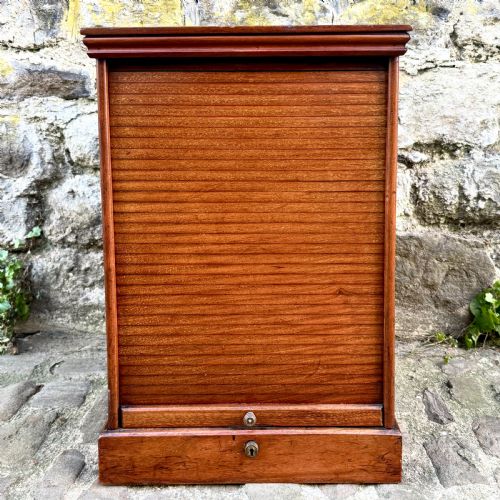
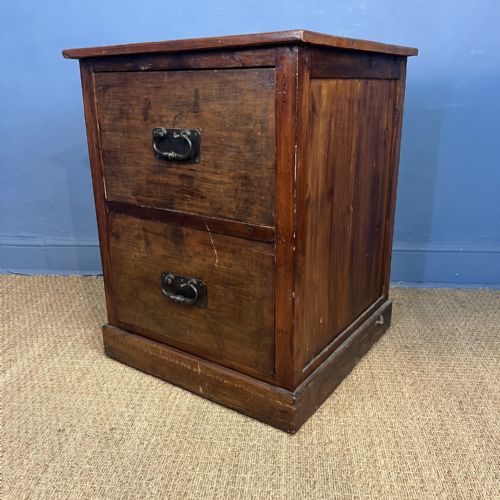
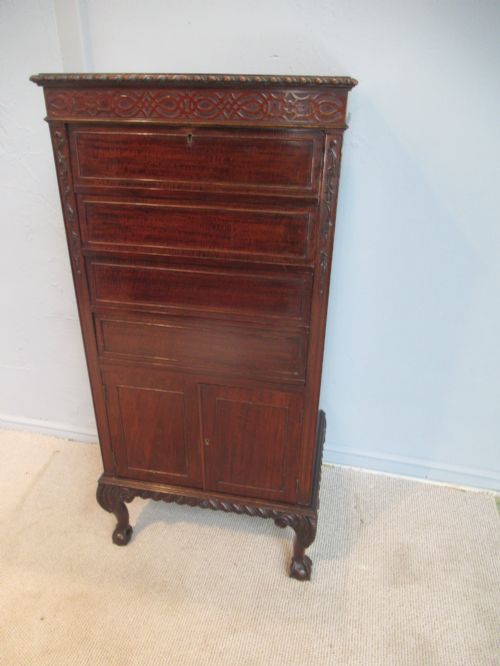
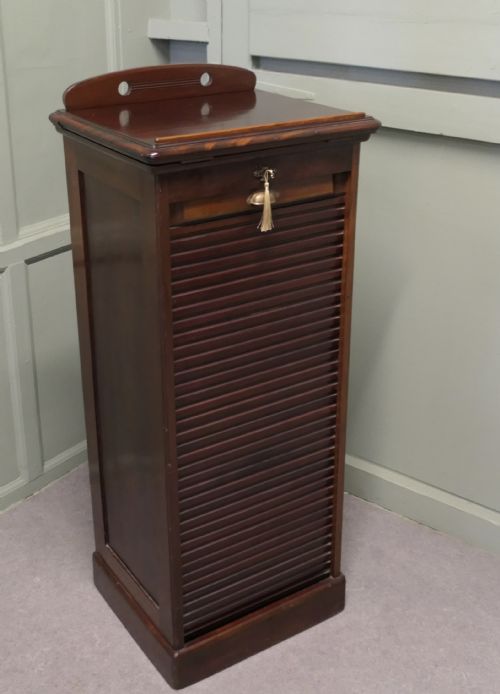
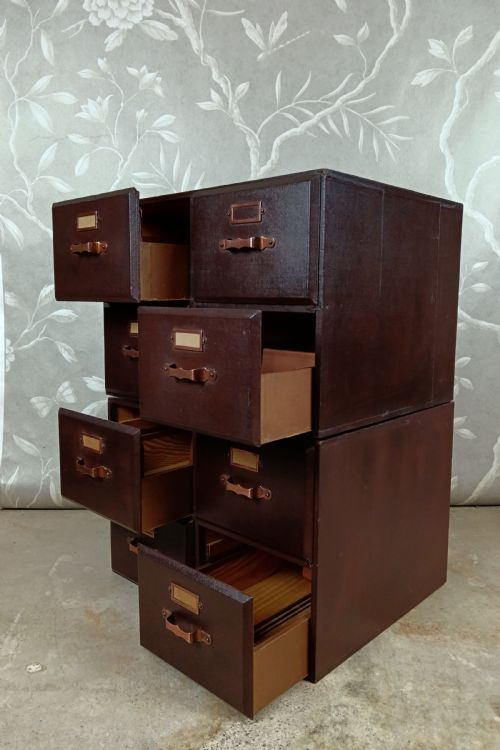
A dark wood filing cabinet serves as a functional storage piece originating from periods spanning the eighteenth century through to the 1930s. Buyers searching this phrase will find a variety of forms designed to house papers, music sheets, or cards, with oak and mahogany appearing frequently. The selection ranges from robust nineteenth-century pedestals and banks of drawers to Edwardian tambour front units and library card sets.
Most examples encountered here lean towards early twentieth-century office furniture or late Victorian functional pieces rather than domestic chests. These items utilise dense timbers like mahogany, rosewood, and oak, often fitted with brass pulls and label holders. The enduring appeal lies in their capacity to combine utilitarian storage with period character.
What varies in quality
The standard of timber selection and cabinet construction dictates the overall quality across these storage pieces. Fine examples feature carefully matched grains, substantial drawer depths, and original hardware like shell pulls.
Internal mechanisms, such as smooth-running tambour doors or well-fitted letter files, distinguish higher-grade commercial or domestic furniture from simpler utilitarian workshop banks.
Dark Wood Filing Cabinet Retail Price Guide 2026
Typical asking prices for dark wood filing cabinet among the pieces listed under this phrase on Sellingantiques today, from the lower quarter to the upper quarter. They describe what is for sale here now, not the wider market.
Listings feature pieces built from oak, mahogany, rosewood, teak, and walnut, spanning the eighteenth century to the 1930s.
The Dark Wood Filing Cabinet Glossary
- Tambour door
- A flexible door made of narrow wooden slats attached to canvas, allowing it to slide around a track. This mechanism conceals the interior shelving or filing trays while saving space.
- Bank of drawers
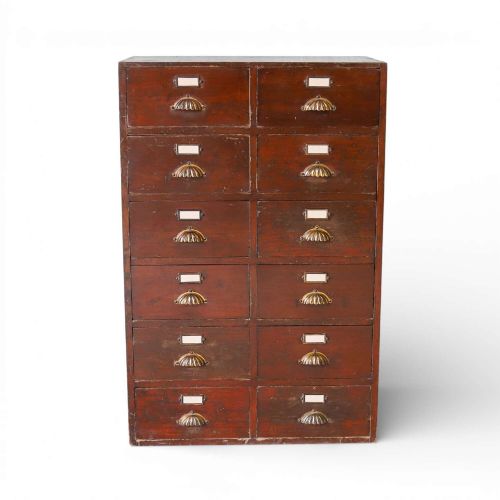
- A large chest featuring multiple stacked compartments designed for sorting papers or letters. These units were standard fixtures in period offices and workshops.
- Pedestal filing cabinet
- A freestanding piece of furniture designed to sit beside a desk or reception area, containing multiple filing drawers. They often feature panelled sides and brass handles.
- Label holder
- A small metal frame fixed to a drawer front to insert paper tags for cataloguing contents. They are typically cast in brass.
Dark Wood Filing Cabinet: Frequently Asked Questions
What are dark wood filing cabinets used for?
These cabinets serve to organise papers, letters, and documents within a home study or office. Their multiple drawers accommodate stationery while adding period character to a room.
They function as practical storage units that conceal clutter behind timber fronts or tambour doors.
How do I date an antique filing cabinet?
Dating relies on observing the timber species, construction methods, and hardware styles. Edwardian and early twentieth-century pieces often feature patent mechanisms and simple label holders.
Earlier eighteenth and nineteenth-century examples display hand-cut joinery, dense mahogany or oak, and traditional brass pulls.
Are tambour doors difficult to operate?
Tambour doors run on internal wooden tracks designed to let the slatted curtain slide smoothly. When properly maintained, they open and close with minimal effort.
Original canvas backings holding the slats together determine how fluidly the door travels around the curve.
How do I care for mahogany office furniture?
Maintenance involves dusting with a soft cloth and occasionally feeding the timber with traditional wax. Direct sunlight and excessive heat should be avoided to prevent the wood from drying out.
Keeping the brass hardware clean without abrasive polishes helps preserve the finish of the metal.