


Dark Wood Dragon Carving
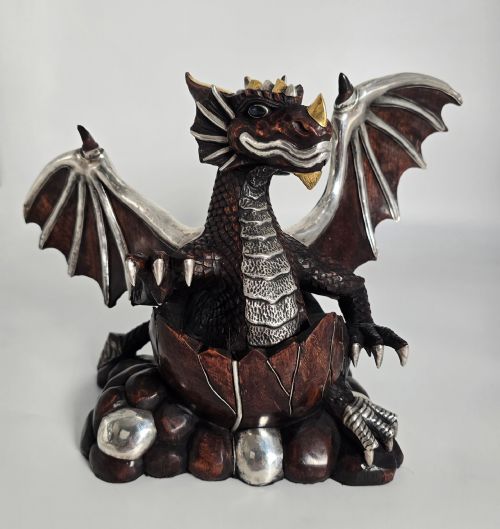
These pieces of dark wood dragon carving bring together muscular craftsmanship and mythical energy, offering tactile depth to any interior.
Dark Wood Dragon Carving
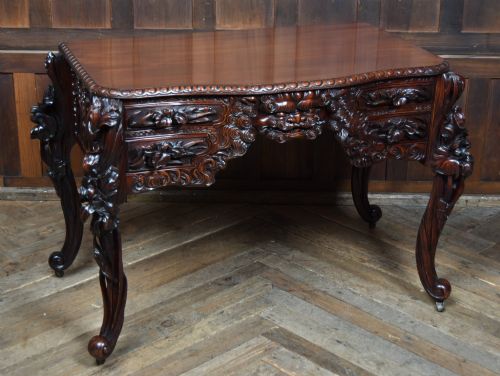
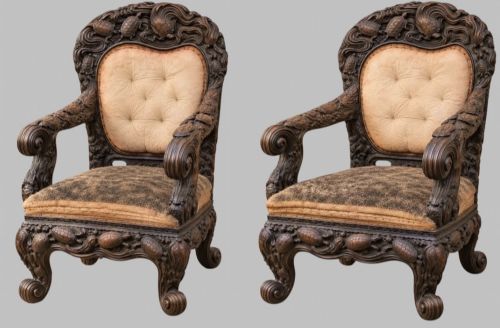
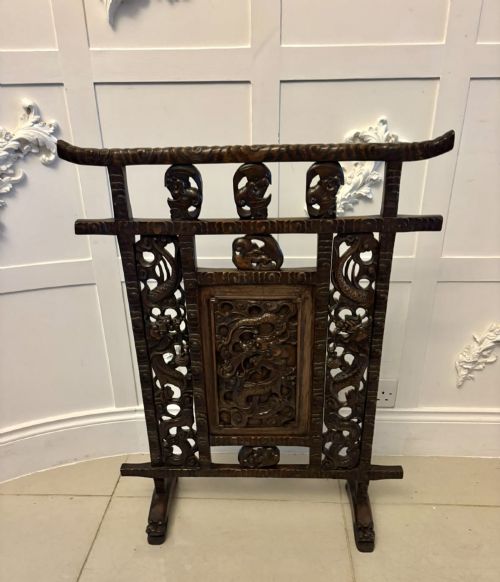
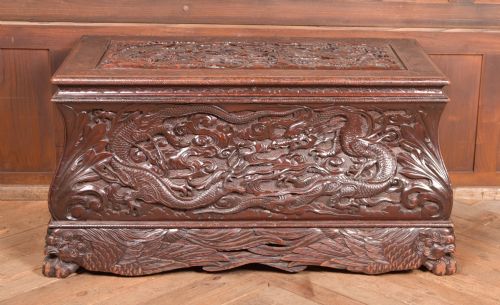
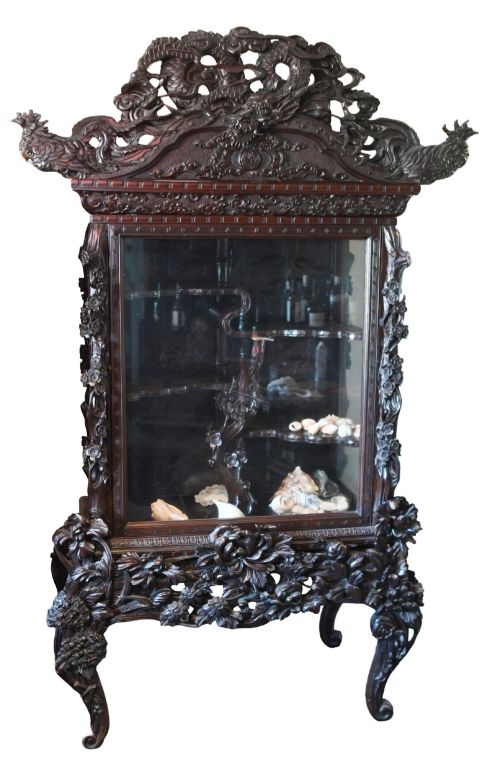
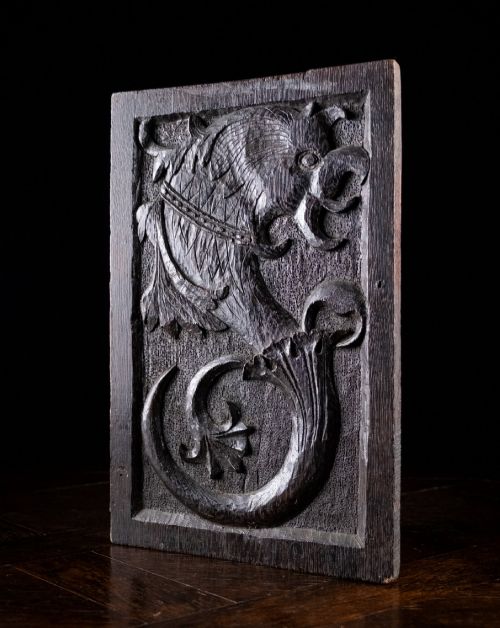
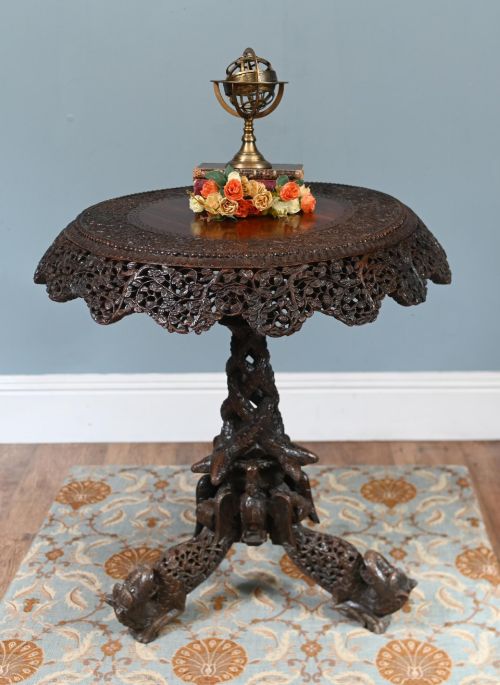
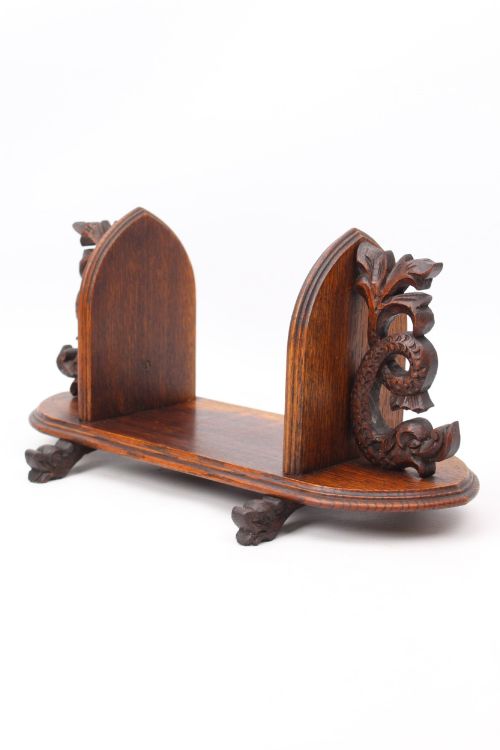
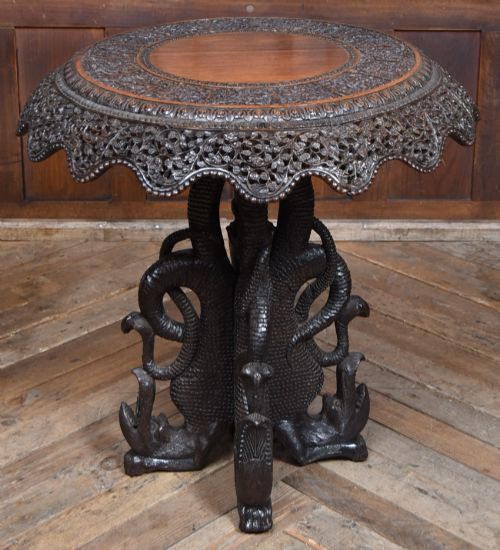
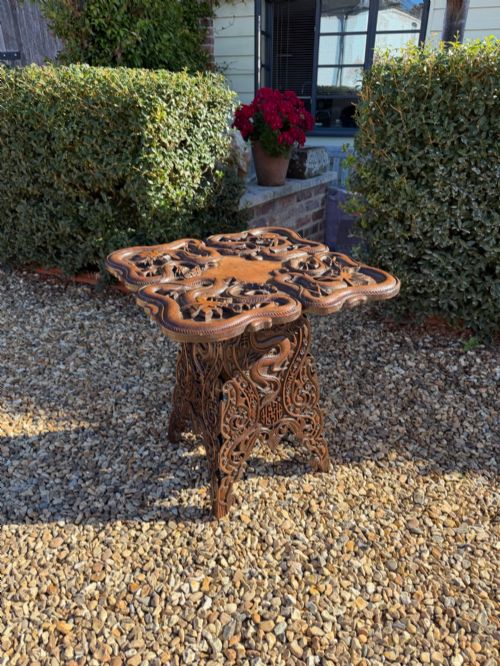
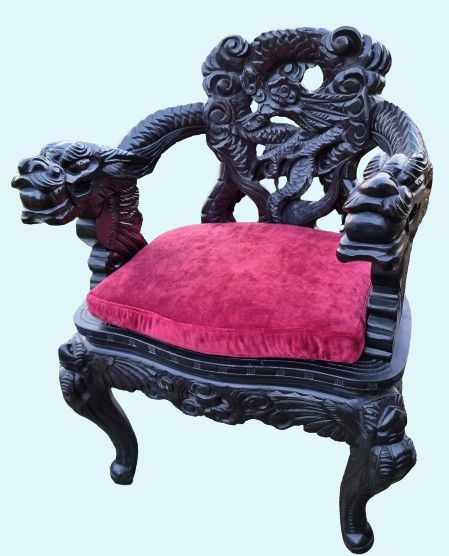
The aesthetic bridges several distinct cultural vocabularies, intersecting traditional Chinese craftsmanship with Gothic Revival woodwork, Anglo-Indian side tables, and Kashmiri walnut creations. Pieces emerge from the nineteenth century, the Victorian and Edwardian eras, up into the early twentieth century. Each item uses its timber canvas to display vigorous relief work where scales, claws, and fierce expressions dominate the surface.
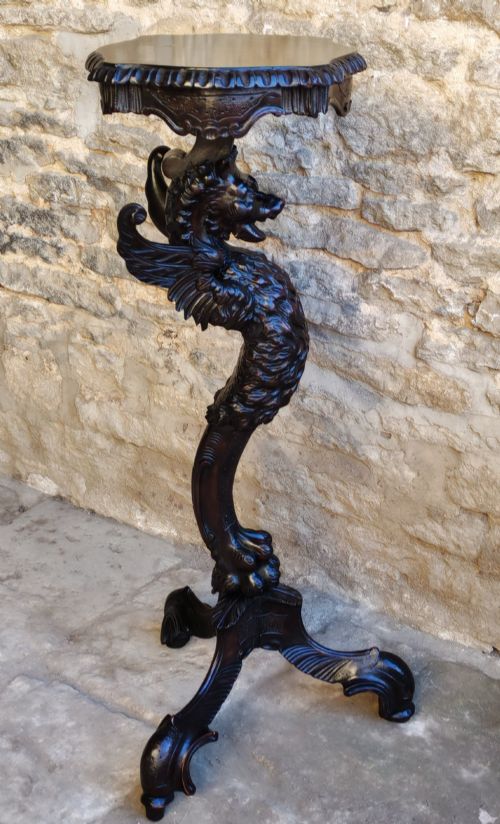
Beyond standalone tables and seating, the listings encompass floor lamps, torcheres, lantern stands, and tea ceremony gongs mounted on carved stands. The underlying dark timbers anchor the intricate beasts in a heavy, grounding tone, contrasting with occasional highlights of mother-of-pearl inlay, brass mounts, or mixed metals. These items serve as functional furniture that doubles as sculptural art.
Materials and methods of construction
The makers behind a dark wood dragon carving relied primarily on dense, heavy timbers such as rosewood, padauk, walnut, oak, elm, and general hardwoods. These species provided the structural stability required to sustain deep undercutting and sharp relief without splintering. Artisans selected timber with rich, dark grain patterns that lent natural shadow and movement to the scaly coils of the beast.
Construction involved traditional joinery combined with intensive hand chiselling, gouging, and piercing techniques. Sculptors worked directly into the seasoned wood to achieve layered depth, allowing claws and snouts to project boldly into space. In certain items, secondary materials like brass, glass, and mother-of-pearl were integrated to accent the composition, while ebonised finishes darkened lighter woods to mimic exotic imports.
Dark Wood Dragon Carving Retail Price Guide 2026
Typical asking prices for dark wood dragon carving among the pieces listed under this phrase on Sellingantiques today, from the lower quarter to the upper quarter. They describe what is for sale here now, not the wider market.
One enterprising nineteenth-century maker converted a flat tabletop into a striking wall plaque, proving that dragons truly prefer a vertical climb.
Distinctions in execution and finish
The standard of a dark wood dragon carving rests heavily on the depth and animation of the chisel work. Finer examples display crisp undercutting where the creature's claws and whiskers stand entirely free from the background panel, creating genuine three-dimensional tension. Lesser pieces rely on shallow surface incisions that flatten the design and obscure the musculature of the beast.
Material selection and timber figure also dictate the tier of execution. Superior objects utilise dense, highly polished rosewood or padauk that retains a deep, lustrous sheen and resists warping, whereas secondary items employ simpler native oaks or softer elms with less natural grain complexity. The integration of structural joinery that conceals stress fractures separates workshop masterpieces from utilitarian furniture.
Gabriel Viardot·L Blondie
The Dark Wood Dragon Carving Glossary
- Chinoiserie
- European artistic style and interpretation of Chinese and East Asian artistic traditions, often featuring scenic motifs and dragon carvings. This aesthetic gained immense popularity during the Victorian and Edwardian periods.
- Hardwood
- Timber derived from broad-leaved angiosperm trees, typically dense and heavy. Rosewood, padauk, and walnut fall into this category and provide the robust foundation necessary for deep carving.
- Torchere
- A tall stand or pedestal originally designed to hold a torch or candle, adapted in these listings as a carved wooden floor-standing lamp base. They frequently feature coiled dragon motifs scaling the central shaft.
- Shodana
- A traditional Japanese multi-tiered display cabinet featuring irregular shelving and cupboards. These pieces often incorporate elaborate carved woodwork and fine joinery from the Meiji period.
- Qing Dynasty
- The final imperial dynasty of China, spanning from the seventeenth to the early twentieth century. Pieces from this era often exhibit rigorous attention to traditional symbolism and formal dragon iconography.
Dark Wood Dragon Carving: Frequently Asked Questions
How were dragon carvings used originally?
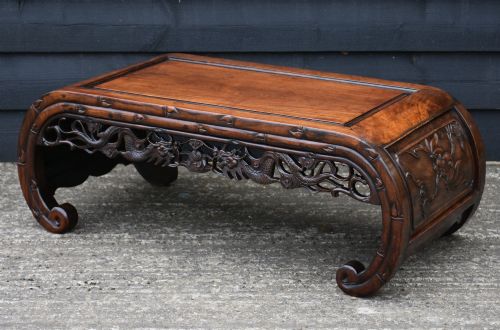
These carved pieces functioned as practical domestic furniture, including low opium tables, hall benches, display cabinets, and nest of tables. The mythical creatures served both decorative purposes and symbolic functions within households.
Over time, items like wall plaques and screens were adapted from architectural elements or tabletops, demonstrating the versatile integration of mythical motifs into daily living spaces.
How do I identify a Meiji period piece?
Japanese Meiji period items typically exhibit meticulous surface carving on dense hardwoods, manifest in specialised forms like shodana cabinets and bookcases. The execution focuses on precise detailing and native craftsmanship.
Comparing the specific joinery methods and the rendering of the creature against Chinese export styles helps clarify the geographic origin of the work.
What is Anglo-Indian furniture?
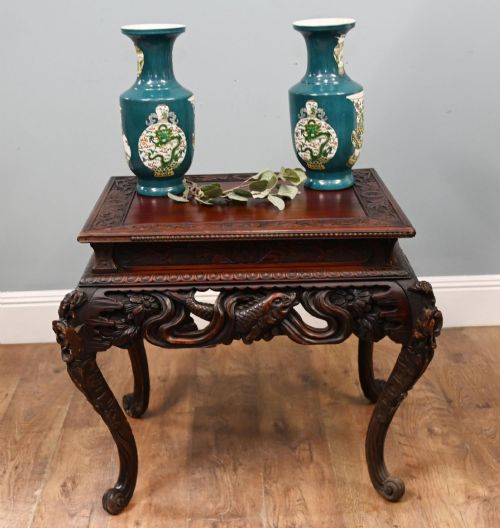
Anglo-Indian furniture represents pieces made in India by local artisans using regional timbers, specifically tailored for British colonial tastes. They often combine traditional British furniture forms with intricate Eastern relief carving.
These works utilise dense hardwoods like padauk and feature complex floral or animal motifs alongside the characteristic dragon imagery found in side tables.
How should I care for dark wood furniture?
Maintain these dark timbers by keeping them away from direct sunlight and fluctuating heat sources that might dry out the dense hardwood. Occasional gentle dusting preserves the intricate crevices of the relief work.
Avoid harsh chemical polishes and instead use appropriate natural waxes sparingly to maintain the natural lustre of the rosewood, oak, or walnut grain.